

Amaranth Market Size and Share Analysis Forecast Outlook 2035
The worldwide amaranth market is classified into different segments according to the main players, including the multinational corporations, regional leaders, startups, and artisanal brands. Companies like Bob's Red Mill and Archer Daniels Midland (ADM) which are the multinational entities, hold a total market share of around 60% by introducing products aimed at both industrial and consumer groups.
Regional players, who are mainly represented in countries like Mexico and India, hold about 25% of the market by concentrating on the traditional way of serving and the local supply source. The segment of startups and artisanal brands captured the market by focusing on organic and non-GMO products that made up the 10% share. The market reaches its closing with private labels that account for almost 5%, providing budget-friendly options in supermarkets.
Market Overview of the Amaranth Industry
The amaranth market is a potpourri of cultures and is very competitive. It is adaptable to the local cooking habits and food trends being or not being the norm of the place. The market is undergoing a stunning phase of development at a projected compound annual growth rate (CAGR) of 11% to reach a valuation of USD 700 million by 2030.
Flourishing is the application of food processing, as the industry explores gluten-free baking and health supplements in addition to the consumer's growing interest in old cereals and foodstuffs that are riches in vitamins and minerals.
Key Growth Drivers Fueling the Amaranth Market
- Health Benefits: The high protein content and the mineral content of amaranth including magnesium and iron make it the choice of health-conscious consumers.
- Demand for Gluten-Free Products: The increasing number of people with celiac disease and gluten intolerance has led to a surge in the demand for gluten-free grains like amaranth in meal plans.
- Responsible Agriculture: The capacity of amaranth to grow in unfriendly soil and its low water usage makes it a wonderful crop for environmental sustainable agricultural practices.
Company Performance in the Amaranth Market
| Global Market Share 2025 | Industry Share % |
|---|---|
| Top 2 (Bob's Red Mill, ADM) | 55% |
| Next 3 (Ancient Harvest, Amaranth Bio Company, Naturkost Übelhör) | 30% |
| Emerging & Artisanal Brands | 15% |
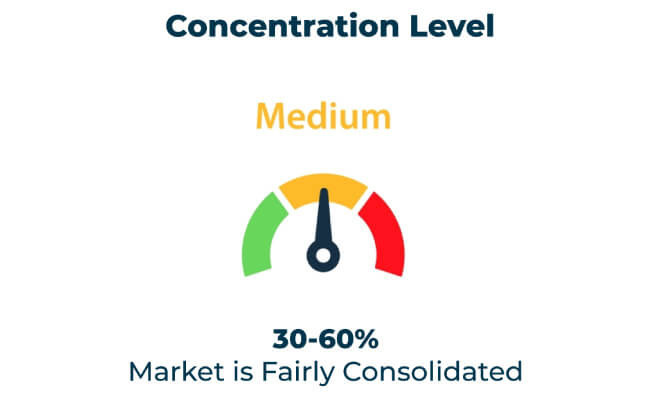
Market Concentration Trends in the Amaranth Sector, 2025
Top Segments Studied in the Amaranth Market Outlook
In the amaranth market, segmentation of program across the channels and applications such as allows companies to work on the specific consumer needs very well. Businesses like Bob's Red Mill and Ancient Harvest are integral to B2B and B2C sectors in relation to amaranth products because amaranth is a main ingredient for gluten-free and health-oriented food products.
On the other hand, the companies in the consumer sector make use of the online retail and health food store channels to respond to the increased demand for nutritious and specialty grains. The products like the amaranth flour and popped amaranth are not only being presented with the health benefits but also being used for the new suggested recipes.
Furthermore, companies that follow sustainable development, for example, Amaranth Bio Company, outline the use of amaranth in ecological agriculture cultural methods and its positive aspects in food security in the area of waste regions, creating ways into the niche yet increasing market of environmentally aware consumers.
Companies That Defined the Year in the Amaranth Industry
- Bob's Red Mill: Expanded their range of amaranth-based products by innovating, enriching the gluten-free market, with both accessibility and culinary diversity.
- ADM: Utilized its global supply chain to expand the availability of amaranth in the previously untapped markets, thus, introducing it in the new food applications.
- Ancient Harvest: Emphasizing easy-to-eat amaranth products, with which they targeted the time-poor segment with quick, yet, nutritious food choices.
Tier-Wise Market Share and Leading Companies in the Amaranth Market
| Tier | Tier 1 |
|---|---|
| Market Share (%) | 60% |
| Key Companies | Bob's Red Mill, Archer Daniels Midland (ADM), Ancient Harvest |
| Tier | Tier 2 |
|---|---|
| Market Share (%) | 20% |
| Key Companies | Amaranth Bio Company, The Hain Celestial Group, Kiwicha Foods Ltd. |
| Tier | Tier 3 |
|---|---|
| Market Share (%) | 20% |
| Key Companies | Emerging and artisanal brands |
Key Company Initiatives Driving the Amaranth Market
- Bob's Red Mill: The amaranth market has a breakthrough with Bob's Red Mill, which produces a variety of amaranth products such as amaranth flour and ready-to-eat snacks for the health-conscious consumer. Their example is the use of gluten-free and whole grain trends which are very much in the market, hence, the introduction of healthy options for more consumers.
- Archer Daniels Midland (ADM): Besides using its large agricultural network to remain a stable supplier of amaranth grains, ADM mainly concentrates on blockchain technology and machine efficiency of processing to fulfill worldwide requirements. It has also strived for dedicated promotional campaigns highlighting the plus points of amaranth, thereby increasing its appearance in regular food items.
- Ancient Harvest: Having gained worldwide recognition for bequeathing to the consumption of quinoa the benefits of health, Ancient Harvest has made progress by bringing amaranth into their products, focusing especially on instant meals and break fast cereals aimed for easy processing by busy individual consumers.
- Amaranth Bio Company: Is a company that is sustainably cultivated and partners with local farmers in South America to grow amaranth through organic and biodynamic practices. Not only does this support local communities, but their amaranth products are of superior quality and are fully traceable.
- The Hain Celestial Group: Amaranth-based products have also been included in the expansion of the range of natural and organic products. The focus is on the use of the established distribution channels to reach the wider market and besides, the products are marketed under different brands with an emphasis on non-GMO, organic certifications.
- Kiwicha Foods Ltd.: The newly entered player is focusing on the creation of single-origin amaranth-products that are designed to draw attention to the culture that is related to the cultivation of amaranth. For example, their range of products is made of artisanal amaranth snacks and traditional recipes, and they are addressed to the specific market niches that are searching for true and ethically produced goods.
These represent directional clarity mainly on the side of product and market expansion through health and sustainability. Indeed, they are diversifying products and developing through innovative processes hence winning consumer interest and promoting growth in the market.
Key Highlights from the Amaranth Market Forecast
- Sustainable Agriculture: The prospect of new agricultural markets is very likely due to the growing realization of amaranth as a sustainable crop.
- Wellness-Focused Creations: The constant innovation in amaranth-based products that are suitable for patients' dietary needs and have health benefits is the major reason to justify the increase in market share.
- Internet Commerce Growth: The increase of direct sales and online platform channels for customers to bypass intermediaries will be paramount as users tend to buy specialized food products over the internet.
Future Roadmap for the Amaranth Market
The amaranth market's future roadmap is set with excellent possibilities for growth and innovation. The driver behind this is the alteration of consumer preferences to a more healthy, environmentally friendly, and culturally diverse food options. Therefore, the amaranth market, as the progressing one is low hanging fruit, companies that are targeting the increase of product lines and new application developments on amaranth will experience a substantial advancement in market share and customer base.
Moreover, another factor is sustainability which takes center stage in the consumer's minds when they are making decisions. Companies that adopt the sustainable cultivation of amaranth gain respect and attraction from their consumers. This encompasses the promotion of organic farming, backing small-scale farmers, and the assurance of a transparent and ethical supply chain. Not just do they help save the planet from degradation these practices also cater to those consumers who have the importance of ethical consumption on their minds.
On top of that, food processing technology that is in progress introduces new areas for companies to enhance the texture and flavor of the amaranth-based products, thus making them more interesting to a greater range of people. Additionally, new technologies in processing help the environment and the economy by improving yield and reducing waste respectively.
On a broader scale, there is an untapped opportunity in the global markets, especially in the regions where people are becoming more aware of superfoods. With the help of digital marketing companies can reach this new audience better, through channels like e-commerce, where they can supply detailed product information alongside the engaging content outlining the benefits of amaranth.
Top Segments Studied in the Amaranth Market Outlook
By Product Type:
- Amaranth Flour
- Popped Amaranth
By Distribution Channel:
- B2B (Business-to-Business)
- B2C (Business-to-Consumer)
- Online Retail
- Health Food Store
By Applications:
- Food & Beverages
- Gluten-free
- Health-oriented food products
Frequently Asked Questions
Which companies hold the largest market share in the global amaranth market?
Major players such as Nu-World Foods, Amaranth Bio Company, Dkw Organics, Proderna Biotech, and The Andersons Inc. hold approximately 50% of the market share, benefiting from increasing demand for ancient grains in food, cosmetics, and nutraceuticals.
What is the market share of regional brands in the amaranth sector?
Regional brands like Flavex Naturextrakte, Natures Elements, and Saisanket hold around 30%, leveraging sustainable farming practices and catering to regional organic food markets.
How much market share do startups and small-scale companies hold in the amaranth market?
Startups and small-scale producers make up 15% of the market, with a strong focus on organic certification and direct-to-consumer sales channels.
What percentage of the market is controlled by private labels in the amaranth sector?
Private labels, particularly in the health food segment, account for 5%, mainly offering gluten-free and organic amaranth products.
How is market concentration assessed in the amaranth industry for the year 2025?
The market concentration in 2025 is categorized as high for dominant exporters and processors with over 50%, medium for leading suppliers holding 35-50%, and low for smaller producers with less than 30%, mostly focusing on niche and artisanal markets.
Preview the report firsthand - request a free sample
Get SampleGet the brochure for pricing and purchase details.
Get PDFTable of Content
- Executive Summary
- Market Overview
- Key Growth Drivers
- Company Performance
- Market Concentration
- Segmented Analysis
- Who Shaped the Year
- Key Highlights from the Forecast
- Tier-Wise Company Classification
- Key Company Initiatives
- Recommendations for Brands
- Future Roadmap


