

- Forecast (2035)
- USD 620.3 Mn
- CAGR (2025 to 2035)
- 5.2%
Cup Carrier Packaging Market Share Analysis and Size Forecast Outlook (2025 to 2035)
The cup carrier packaging market is witnessing substantial growth, driven by the rising demand for convenient, sustainable, and functional packaging solutions in the foodservice and beverage industries. Key drivers include increasing environmental awareness, innovations in design and materials, and the demand for packaging that enhances customer experience and brand identity.
Manufacturers are focusing on recyclable, biodegradable, and lightweight materials with ergonomic and customizable designs tailored to meet the needs of foodservice providers and beverage brands. Strategic partnerships with quick-service restaurants (QSRs), cafes, and retail chains are further driving market growth.
SWOT Analysis of the Top Key Players in the Cup Carrier Packaging Market
Summary
The SWOT analysis highlights the positioning of major companies in the cup carrier packaging market. Huhtamaki leads with innovations in sustainable materials but faces challenges in scaling up cost-efficient production. Pactiv Evergreen excels in functional and durable carrier designs but struggles with high production costs.
Stora Enso focuses on eco-friendly solutions but encounters challenges in competing with emerging players. Opportunities include leveraging advanced materials and expanding into emerging markets, while threats include fluctuating raw material costs and regulatory shifts.
Huhtamaki
Huhtamaki demonstrates strengths through its innovative use of sustainable materials and advanced production technologies. However, the company’s weaknesses lie in the higher costs associated with premium sustainable packaging. Opportunities include collaborating with leading beverage chains and expanding its portfolio of biodegradable solutions. Threats arise from increasing competition and material supply constraints.
Pactiv Evergreen
Pactiv Evergreen stands out for its functional and durable cup carrier designs tailored for high-volume foodservice operations. However, its high production costs remain a significant challenge. The company can explore opportunities in automation to reduce costs and expand its market presence in Asia-Pacific. Nevertheless, threats include rising competition from mid-tier manufacturers and regulatory pressures on single-use packaging.
Stora Enso
Stora Enso’s strengths lie in its commitment to eco-friendly materials and sustainability-focused innovation. However, its weaknesses include limited production scalability compared to leading competitors. The company has opportunities to expand partnerships with eco-conscious foodservice providers and QSRs. Threats include increasing competition from startups offering cost-effective solutions.
Global Market Share Analysis of Cup Carrier Packaging Industry Players (%)
| Category | Market Share (%) |
|---|---|
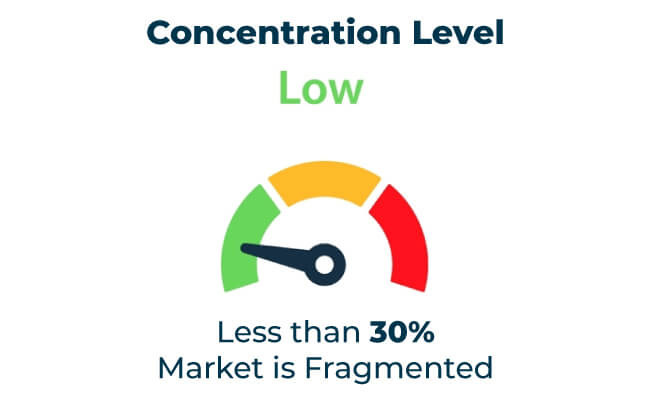
| Top 3 Players (Huhtamaki, Pactiv Evergreen, Stora Enso) | 12% |
| Rest of Top 5 Players | 08% |
| Next 5 of Top 10 Players | 06% |
Type of Player & Industry Share (%)
| Type of Player | Market Share (%) |
|---|---|
| Top 10 Players | 26% |
| Next 20 Players | 42% |
| Remaining Players | 32% |
Key Cup Carrier Packaging Market Players and Concentration
Year-on-Year Leaders
- Huhtamaki: Pioneers in sustainable and ergonomic cup carrier solutions.
- Pactiv Evergreen: Excels in functional and durable designs.
- Stora Enso: Innovates with eco-friendly and biodegradable packaging.
Emerging Technology in the Cup Carrier Packaging Market
- Sustainable Materials: Innovations in molded fiber, recycled paper, and biodegradable plastics.
- Ergonomic Designs: Enhanced designs for convenience and user-friendliness.
- Smart Packaging: Integration of QR codes for tracking and branding.
- Automation: Advanced manufacturing technologies for cost-effective production.
Sustainability Trends
- Recyclable and Biodegradable Materials: Increasing use of recycled and plant-based materials.
- Lightweight Designs: Focus on reducing material usage without compromising durability.
- Energy-Efficient Production: Optimized manufacturing processes to reduce emissions.
- Circular Economy Models: Emphasis on closed-loop recycling systems.
Consumer Trends
- Convenience and Functionality: Rising demand for easy-to-carry and sturdy packaging.
- Sustainable Choices: Growing preference for eco-friendly carrier options.
- E-Commerce Influence: Lightweight and durable carriers suitable for delivery services.
- Brand Differentiation: Increased focus on unique designs and customization.
Regulatory Insights Impacting the Cup Carrier Packaging Market
North America and Europe have strict regulations promoting sustainable alternatives to single-use plastic packaging. Asia-Pacific is adopting similar measures, driven by growing consumer awareness and governmental incentives for sustainable packaging solutions.
Export Opportunities in the Cup Carrier Packaging Market
Emerging markets in South America, Africa, and parts of Asia-Pacific present significant growth opportunities. Affordable, scalable, and eco-friendly carrier solutions are in demand to meet consumer and regulatory expectations.
Obstacles and Possibilities in the Cup Carrier Packaging Market
Obstacles
- High Costs: Premium sustainable materials increase production costs.
- Inconsistent Regulations: Varying global standards complicate compliance.
- Limited Recycling Infrastructure: Insufficient facilities for biodegradable and recyclable materials.
Possibilities
- Material Innovations: Development of cost-effective and durable eco-materials.
- Strategic Partnerships: Collaborations with QSRs and retail chains.
- Sustainability Goals: Rising adoption of green initiatives by foodservice brands.
Market Environment of the Cup Carrier Packaging Industry
In-House vs. Contract Manufacturing
- In-House Manufacturing: Offers control over quality and innovation for top-tier players.
- Contract Manufacturing: Provides scalability and cost efficiency for smaller brands.
Cup Carrier Packaging Industry Analysis by Top Investment Segments (End-use)
End-Use Industry Segmentation
- Quick-Service Restaurants: High demand for durable and eco-friendly carriers.
- Cafes and Coffee Shops: Focus on stylish and sustainable solutions.
- Food Delivery Services: Lightweight and functional packaging for takeout.
- Retail Chains: Customizable designs to align with branding.
Recommendations for Technology Suppliers in the Cup Carrier Packaging Market
- Invest in Sustainable Materials: Develop advanced biodegradable and recyclable options.
- Focus on Automation: Enable cost-efficient and scalable production.
- Customization Capabilities: Offer tailored designs for branding opportunities.
Future Roadmap for the Cup Carrier Packaging Market
The cup carrier packaging market will expand through innovations in materials, ergonomic designs, and technology integration. Companies that invest in scalable production, sustainability, and strategic partnerships will maintain a competitive edge. Expanding recycling and composting infrastructure will further enhance adoption.
Market KPIs for the Cup Carrier Packaging Industry
- Sustainability Metrics: Track the adoption of recyclable and biodegradable carriers.
- Regional Growth Rates: Monitor expansion in emerging markets.
- Technology Integration: Measure advancements in automation and smart packaging solutions.
Key Contributors to Annual Momentum in the Cup Carrier Packaging Market
- Huhtamaki: Led with innovative sustainable carrier solutions.
- Pactiv Evergreen: Focused on functional and durable packaging.
- Stora Enso: Delivered eco-friendly and biodegradable designs.
Tier-Wise Company Classification in the Cup Carrier Packaging Market
| Tier | Key Companies |
|---|---|
| Tier 1 | Huhtamaki, Pactiv Evergreen, Stora Enso |
| Tier 2 | International Paper, Novolex |
| Tier 3 | Fabri-Kal, Sabert, Biopak |
Key Vendor Initiatives in the Cup Carrier Packaging Market
- Huhtamaki: Expanded sustainable product offerings.
- Pactiv Evergreen: Invested in automation to reduce costs.
- Stora Enso: Partnered with QSRs to promote eco-conscious packaging.
Conclusion on the Cup Carrier Packaging Market
The cup carrier packaging market is poised for significant growth, driven by sustainability goals, innovations in design, and evolving consumer preferences. Companies investing in eco-friendly materials, ergonomic designs, and scalable production will secure leadership in this rapidly evolving market.
Appendix of the Cup Carrier Packaging Market Report
Key Definitions
- Sustainable Packaging: Eco-friendly materials designed to minimize environmental impact.
- Ergonomic Designs: Packaging solutions optimized for user convenience and comfort.
- Smart Packaging: Packaging with integrated technology, such as QR codes or tracking systems.
Abbreviations
- CAGR: Compound Annual Growth Rate.
- QSRs: Quick-Service Restaurants.
Research Methodology
This report is based on primary research, secondary data analysis, and market modeling. Expert consultations validated the insights, providing accurate market projections and recommendations.
Market Definition
The cup carrier packaging market includes materials and designs intended to enhance the functionality, sustainability, and convenience of packaging solutions used by foodservice providers and beverage brands.
Top Segments Studied in the Cup Carrier Packaging Market Report
By End-Use Industry:
- Quick-Service Restaurants
- Cafes and Coffee Shops
- Food Delivery Services
- Retail Chains
By Region:
- North America
- Europe
- Asia-Pacific
- Other Regions
Frequently Asked Questions
What is driving growth in the cup carrier packaging market?
The growth is fueled by increasing demand for sustainable, functional, and ergonomic packaging solutions.
What is the projected market size by 2035?
The market is projected to reach USD 620.3 million, growing at a compound annual growth rate (CAGR) of 5.2%.
Who are the key players in this market?
Leading players include Huhtamaki, Pactiv Evergreen, and Stora Enso.
What challenges does the market face?
Key challenges include high production costs, regulatory inconsistencies, and limited recycling infrastructure.
What are the opportunities for growth in this market?
Opportunities lie in material innovations, strategic partnerships, and the increasing adoption of sustainable practices.
Preview the report firsthand - request a free sample
Get SampleGet the brochure for pricing and purchase details.
Get PDFTable of Content
- Executive Summary
- SWOT Analysis of the Top Key Players
- Global Market Share & Industry Share
- Year-on-Year Leaders
- Emerging Technology in Market
- Sustainability Trends
- Consumer Trends
- Regulatory Insights
- Export Opportunities
- Obstacles and Possibilities
- Market Environment
- Regional Analysis
- End-Use Industry Segmentation
- Recommendations for Technology Suppliers
- Future Roadmap
- Market KPIs
- Who Shaped the Year
- Tier Structure of Key Companies
- Key Vendor Initiatives
- Conclusion
- Appendix
- FAQs


