

- CAGR (2025 to 2035)
- 5.0%
Kegs Market Size and Share Analysis Forecast Outlook 2035
The kegs market is growing rapidly as industries focus on efficient, sustainable, and durable solutions for beverage storage and distribution. Manufacturers are introducing advanced materials, reusable designs, and sustainable innovations to meet the increasing demand from breweries, wineries, and beverage distributors. By 2035, this market is projected to surpass USD 279.2 million, growing at a compound annual growth rate (CAGR) of 5.0%.
The push for operational efficiency, environmental sustainability, and enhanced beverage quality drives global adoption of kegs. Companies are delivering solutions that cater to these needs while ensuring regulatory compliance and cost-effectiveness.
| Attribute | Details |
|---|---|
| Projected Value by 2035 | USD 279.2 million |
| CAGR (2025 to 2035) | 5.0% |
SWOT Analysis of Key Players in the Kegs Market
Summary
This SWOT analysis examines the strategies and strengths of leading players in the kegs market. Companies such as MicroStar Logistics, BLEFA, and THIELMANN leverage innovation, sustainability, and robust manufacturing to maintain their market positions. Challenges include high initial costs, material price volatility, and intense competition, creating opportunities for eco-friendly designs and market expansions.
MicroStar Logistics
MicroStar Logistics leads with its keg pooling services and advanced logistics solutions. Its strength lies in its ability to streamline supply chains for breweries. However, the reliance on third-party logistics can pose challenges. Opportunities exist in expanding its pooling model to new regions, while fluctuating operational costs and competition remain threats.
BLEFA
BLEFA excels in producing high-quality stainless steel kegs, known for their durability and sustainability. Its reputation for precision engineering is a key strength. However, limited penetration in emerging markets can hinder growth. BLEFA can capitalize on the growing demand for lightweight kegs, though rising material costs and evolving regulations could impact profitability.
THIELMANN
THIELMANN is recognized for its customizable keg solutions, catering to diverse beverage industries. Its strong R&D capabilities and focus on sustainable materials make it a trusted name. However, premium pricing may restrict its reach in price-sensitive markets. Opportunities lie in eco-friendly designs, while regional competition poses potential challenges.
Market Share & Industry Share
| Category | Market Share (%) |
|---|---|
| Top 3 Players (MicroStar, BLEFA, THIELMANN) | 15% |
| Rest of Top 5 Players (SCHÄFER, Lightweight Containers) | 8% |
| Next 5 of Top 10 Players | 8% |
Type of Player & Industry Share
| Type of Player | Market Share (%) |
|---|---|
| Top 10 Players | 31% |
| Next 20 Players | 41% |
| Remaining Players | 28% |
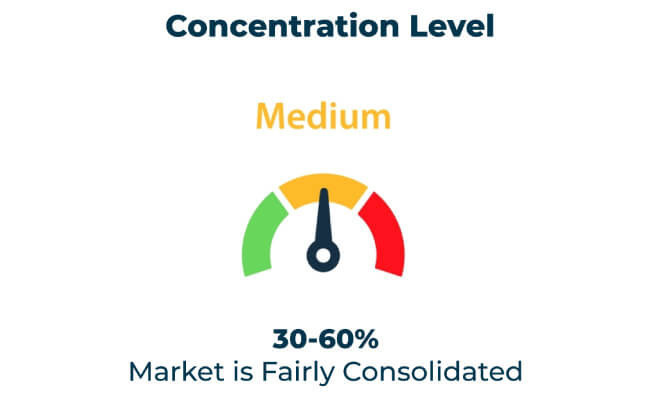
Market Concentration
Year-on-Year Leaders
- MicroStar Logistics: Innovates with keg pooling and logistics services.
- BLEFA: Leads with durable, sustainable stainless steel kegs.
- THIELMANN: Excels in customizable and eco-friendly keg solutions.
Emerging Technologies
- Smart Kegs: Integrate IoT for real-time tracking and quality monitoring.
- Lightweight Materials: Reduce shipping costs without compromising durability.
- Recyclable Kegs: Focus on sustainability with fully recyclable materials.
- Modular Keg Designs: Allow customization for various beverage types.
Sustainability Trends
- Reusable Kegs: Promote long-term cost savings and reduce single-use waste.
- Recyclable Components: Ensure kegs can be recycled to align with sustainability goals.
- Energy-Efficient Production: Manufacturers adopt processes that minimize environmental impact.
Consumer Trends
- Focus on Quality: Breweries and beverage companies demand kegs that preserve flavor and freshness.
- Eco-Friendly Preferences: Businesses prioritize kegs made from sustainable materials.
- Customization Needs: Industries seek kegs tailored for specific beverage types and branding.
Regulatory Insights
North America enforces stringent standards for beverage storage and transportation, ensuring compliance with safety and quality regulations. Europe leads with sustainability-focused policies that promote the use of recyclable and reusable kegs. Asia-Pacific is experiencing rapid growth, driven by increasing beer and beverage consumption, creating opportunities for tailored solutions.
Export Opportunities
Emerging markets in Asia-Pacific, Africa, and Latin America present significant growth potential. The expansion of breweries and beverage distributors in these regions drives demand for high-quality kegs. Exporters who align with local preferences and compliance standards can capitalize on these opportunities.
Obstacles and Opportunities
Obstacles
- High Initial Costs: Premium kegs and advanced materials increase production expenses.
- Regulatory Complexity: Navigating global compliance standards can be challenging.
- Material Price Volatility: Fluctuations in steel and other raw materials impact profitability.
Opportunities
- Global Beverage Growth: Rising demand for beer, wine, and other beverages boosts keg adoption.
- Sustainability Initiatives: Eco-friendly designs attract environmentally conscious businesses.
- Technological Advancements: Smart and modular kegs open new possibilities for innovation.
Market Context
In-House vs. Contract Packaging
- In-House Packaging: Allows breweries and beverage companies to maintain control over keg quality and logistics, ideal for large-scale operations.
- Contract Packaging: Offers flexibility and reduces capital investment, benefiting smaller businesses or those with variable demand.
Regional Analysis
Summary
The regional analysis of the kegs market highlights diverse growth patterns shaped by sustainability goals, compliance standards, and rising beverage consumption. Each region presents unique drivers of demand, offering opportunities for manufacturers to tailor their solutions to meet market needs.
| Region | North America |
|---|---|
| Market Share (%) | 40% |
| Key Drivers | Focuses on sustainability, operational efficiency, and quality control. |
| Region | Europe |
|---|---|
| Market Share (%) | 35% |
| Key Drivers | Leads with eco-friendly initiatives and advanced keg solutions. |
| Region | Asia-Pacific |
|---|---|
| Market Share (%) | 20% |
| Key Drivers | Experiences rapid growth driven by increasing beverage consumption. |
| Region | Other Regions |
|---|---|
| Market Share (%) | 5% |
| Key Drivers | Demand grows for affordable, durable kegs in emerging markets. |
End-User Segment Analysis
- Breweries: Use kegs for safe, efficient storage and distribution of beer.
- Wineries: Rely on kegs to preserve the freshness and flavor of wines.
- Beverage Distributors: Adopt kegs to ensure efficient transportation and reduce waste.
- Hospitality Industry: Uses kegs for seamless beverage dispensing in bars and restaurants.
Future Roadmap
The kegs market will continue to grow through advancements in smart technologies, sustainable materials, and modular designs. Companies focusing on global market expansion, regulatory compliance, and tailored solutions will strengthen their competitive edge. Collaboration with beverage manufacturers and distributors will further enhance adoption.
Market KPI
- Regional Revenue Growth: Tracks performance in North America and Asia-Pacific.
- Sustainability Metrics: Measures the adoption of recyclable and reusable kegs.
- End-User Demand: Monitors demand across breweries, wineries, and hospitality sectors.
Who Shaped the Year
- MicroStar Logistics: Leads with innovative pooling and logistics solutions.
- BLEFA: Excels in durable, stainless steel kegs.
- THIELMANN: Focuses on customizable, eco-friendly keg designs.
Tier-Wise Company Analysis
Summary
This section provides a detailed breakdown of the key players in the kegs market by tier. Tier 1 companies like MicroStar Logistics, BLEFA, and THIELMANN lead with innovative, customizable solutions and strong global presence. Tier 2 and Tier 3 players focus on niche applications and regional dominance, offering opportunities for growth through innovation and sustainability.
| Tier | Key Companies |
|---|---|
| Tier 1 | MicroStar Logistics, BLEFA, THIELMANN |
| Tier 2 | SCHÄFER, Lightweight Containers |
| Tier 3 | PubKeg, Petainer |
Key Vendor Initiatives
- MicroStar Logistics: Expands keg pooling services to improve supply chain efficiency.
- BLEFA: Develops lightweight, recyclable kegs for enhanced sustainability.
- THIELMANN: Focuses on modular designs and IoT-enabled smart kegs.
Conclusion
The kegs market is poised for substantial growth as sustainability, beverage quality, and operational efficiency drive demand. Companies prioritizing eco-friendly materials, smart designs, and global market expansion will lead the industry. Collaboration with stakeholders in the beverage sector will unlock further opportunities.
Appendix
Key Definitions
- Kegs: Durable containers used for storing and distributing beverages.
- Smart Kegs: Equipped with IoT for real-time tracking and quality monitoring.
- Reusable Kegs: Designed for multiple uses, reducing waste and improving cost efficiency.
Abbreviations
- CAGR: Compound Annual Growth Rate
Methodology
This report integrates primary research, secondary data, and expert insights. Findings are validated through interviews with industry professionals and end-users to ensure accuracy and reliability.
Market Definition
The kegs market includes the development and use of durable, reusable containers designed to store and distribute beverages efficiently and sustainably. These kegs prioritize sustainability, beverage quality, and cost efficiency.
Top Segments Studied in the Kegs Market Outlook
By End-User:
- Breweries
- Wineries
- Beverage Distributors
- Hospitality Industry
By Region:
- North America
- Europe
- Asia-Pacific
- Other Regions
Frequently Asked Questions
What are kegs used for?
Kegs are used for storing and distributing beverages like beer, wine, and soft drinks efficiently and sustainably.
How are kegs sustainable?
Manufacturers design reusable and recyclable kegs to reduce waste and promote long-term cost savings.
Which regions dominate the market?
North America and Europe lead due to advanced manufacturing capabilities and sustainability initiatives, while Asia-Pacific is rapidly growing.
What challenges do manufacturers face?
High production costs, regulatory complexities, and material price volatility are key challenges in the kegs market.
What advancements are shaping the market?
IoT-enabled smart kegs, lightweight materials, and modular designs are driving innovation in the kegs market.
Preview the report firsthand - request a free sample
Get SampleGet the brochure for pricing and purchase details.
Get PDFTable of Content
- Executive Summary
- SWOT Analysis of Key Players
- Global Market Share & Industry Share
- Type of Player & Industry Share
- Market Concentration
- Year-on-Year Leaders
- Emerging Technologies
- Sustainability Trends
- Consumer Trends
- Regulatory Insights
- Export Opportunities
- Obstacles and Opportunities
- Market Context
- Regional Analysis
- End-User Industry Segments
- Future Roadmap
- Market KPI
- Who Shaped the Year
- Tier-Wise Company Analysis
- Key Vendor Initiatives
- Conclusion
- Appendix
- Methodology
- Market Definition
- FAQs


