

- CAGR (2025 to 2035)
- 4.2%
Tool Box Market Share Analysis Outlook (2025 to 2035)
The tool box market is continuously growing as industries and individuals consider efficient, durable, and organized storage solutions. Tool boxes, widely used in construction, automotive, and household sectors, are valued for their portability, customizability, and durability. By 2035, the global tool box market is estimated to be worth more than USD 7.4 billion and growing at a compound annual growth rate (CAGR) of 4.2%.
| Attribute | Details |
|---|---|
| Projected Value by 2035 | USD 7.4 billion |
| CAGR during the period 2025 to 2035 | 4.2% |
Companies are shifting towards advanced materials, ergonomic designs, and sustainable manufacturing practices to keep up with rising demand. Tool boxes are fast becoming indispensable for professionals and DIY enthusiasts alike, as functionality and convenience become increasingly important in storage solutions.
SWOT Analysis of Key Players in the Market
Summary
It was identified that strengths and strategies used by leading players in the market for tool box include Stanley Black & Decker, Snapon Incorporated, and Montezuma. These firms have been making use of innovation, durability, and designs focusing on customer satisfaction to propel growth. However, challenges, such as rising raw material costs and market saturation, provide diversification and technological development opportunities.
Stanley Black & Decker
Stanley Black & Decker is a specialist in manufacturing versatile tool boxes, and robust distribution systems in addition to innovation helps to enhance market leadership. Competition from new entrants makes this difficult. Digital tool storage system expansion is substantial for future growth.
Snapon Incorporated
Snapon is the leading premium and customized tool storage solution. The emphasis is on quality manufacture and customer loyalty, ensuring excellent market presence. However, with this, it cannot penetrate markets as costsensitive might dampen the growth. There is scope with investment in costeffective product lines.
Montezuma
Montezuma is also very famous for robust and carryall tool chests. Strength lies in advanced research & development activities with new innovative product offerings. Although high operation expense is its key weakness still immense opportunities are available by its increasing market in portable ergonomic style designs.
Global Market Share & Industry Share
| Category | Market Share (%) |
|---|---|
| Top 3 Players | 12% |
| Rest of Top 5 Players | 07% |
| Next 10 Players | 07% |
Type of Player & Industry Share
| Type of Player | Market Share (%) |
|---|---|
| Top 10 Players | 26% |
| Next 20 Players | 41% |
| Remaining Players | 33% |
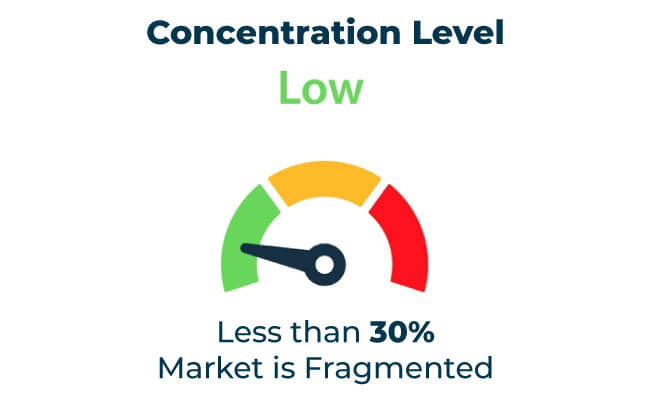
Market Concentration
Year on Year Leaders
- Stanley Black & Decker: Developing tool boxes are robust and multifunctional
- Snapon Incorporated: excels in highend and tailored products.
- Montezuma: Offers rugged and portable designs.
Emerging Technologies
- Smart Storage Systems: Implement IoT to track inventory and manage the tool box.
- Lightweight Materials: Utilize advanced composites that allow portability without loss of durability.
- Modular Designs: The ability to make customizable compartments to suit different tools and users.
Sustainable Trends
- Recyclable Materials: Production of tool boxes made with recyclable plastics and metals.
- EnergyEfficient Manufacturing: Adopt sustainable production technologies.
- Increased Product Lifespan: Longlasting designs to minimize the rate of replacement and waste.
Consumer Trends
- Rise in Do It Yourself Activities: Increasing demand for tool boxes among DIY activists and hobbyists.
- Personalized Storage: Demand for customized compartmentalization to suit different needs and preferences.
- Portability: Increasing demand for light, portable solutions for onsite professionals on the go.
Regulatory Insights
- North America: Substantial regulations in terms of material sustainability push designers to innovate towards greener designs.
- Europe: This is where the recycling usage and zero waste production leadership can be seen.
- Asia Pacific: Here, growing industrialization and construction activities are boosting the demand of the market.
Export Opportunities
There are tremendous opportunities for growth in emerging markets in Africa, Southeast Asia, and Latin America. The growth of industrialization and urbanization is increasing demand for organized storage solutions. Exporters can capture significant opportunities by aligning with local regulations and providing products with cost competitiveness.
Challenges and Opportunities
Challenges
- High Material Costs: Metal and plastic price fluctuations affect profitability.
- Market Awareness: In some areas, the availability of advanced storage solutions is not well known.
- Regulatory Compliance: Adherence to different global standards is challenging.
Opportunities
- Technological Advancements: Smart and modular designs increase market applications.
- Sustainability Initiatives: Increasing demand for recyclable and durable tool boxes.
- Global Expansion: Increasing demand in emerging markets is a good opportunity.
Market Context
InHouse vs. Outsourced Manufacturing
- InHouse Manufacturing: Has the advantage of control over quality and innovation; well-suited for large producers.
- Outsourced Manufacturing: Flexible, cost-effective; best for small players or startups.
Regional Analysis
Summary
The market for tool boxes is regional and varies due to industrial development, doityourself cultures, and environmental goals. Those manufacturing companies who follow the demand in regions will reap the greatest benefit from growth opportunities.
| Region | North America |
|---|---|
| Market Share (%) | 40% |
| Key Drivers | Growing DIY culture and industrial applications. |
| Region | Europe |
|---|---|
| Market Share (%) | 30% |
| Key Drivers | Leadership in eco-friendly and innovative designs. |
| Region | Asia-Pacific |
|---|---|
| Market Share (%) | 20% |
| Key Drivers | Rapid industrialization and construction growth. |
| Region | Other Regions |
|---|---|
| Market Share (%) | 10% |
| Key Drivers | Expanding automotive and construction sectors. |
End-user Segment Analysis
- Construction Industry: Uses tool boxes for organized and durable storage onsite.
- Automotive Sector: Employs boxes for efficient tool management in workshops.
- Household Consumers: Relies on tool boxes for DIY and home improvement projects.
Future Roadmap
The tool box market will grow through advancements in smart storage, lightweight materials, and global market penetration. Companies investing in sustainability and customization will lead the industry.
Market KPI
- Regional Revenue Growth: Watch out for the revenue growth in North America and Europe.
- Sustainability Metrics: Monitor recyclable and environment friendly material usage.
- End-user Demand: Track the growth in the construction, automotive, and household markets.
Who Dominated the Year
- Stanley Black & Decker: At the top, this company leads through its durability and versatility.
- Snapon Incorporated: A premium and customization oriented brand
- Montezuma: Leads with innovation in rugged, portable tool storage solutions
Tier Wise Company Analysis
| Tier | Key Companies |
|---|---|
| Tier 1 | Stanley Black & Decker, Snap-on Incorporated, Montezuma |
| Tier 2 | DEWALT, Milwaukee Tool |
| Tier 3 | Kennedy Manufacturing, Homak |
Key Vendor Initiatives
- Stanley Black & Decker: Product line extension through smart and modular style.
- Snapon Incorporated: Investing in superior manufacturing for premium offerings.
- Montezuma: Portable storage for tool solutions that are rugged.
Conclusion
The tool box market is going to sustain its growth as industries and consumers will focus on organization, durability, and innovation. Companies that will focus on advanced materials, ecofriendly designs, and market expansion will shape the future of this dynamic market. Further opportunities for growth will be unlocked through collaboration with construction, automotive, and household sectors.
Appendix
Key Definitions
- Tool Box: A box which is meant for organizing and keeping tools together and is made up of materials that can be metals, plastics, or composites.
- Smart Storage: The application of technology for the tracking and inventory management of stored items.
- EcoFriendly Materials: The type of material compatible with sustainable and recyclable usage.
Methodology
The tool box market involves the production and usage of containers for the systematic storage and transportation of tools. The market is driven by innovation, durability, and sustainability.
Tool Box Market Share Analysis Segmentation
By End-user:
- Construction Industry
- Automotive Sector
- Household Consumers:
By Region:
- North America
- Europe
- Asia-Pacific
- Other Regions
Frequently Asked Questions
What drives growth in the tool box market?
Rising demand for organized, durable, and portable storage solutions drives growth.
What is the projected market size by 2035?
the global tool box market is estimated to be worth more than USD 7.4 billion and growing at a compound annual growth rate (CAGR) of 4.2%.
Who are the market leaders?
Stanley Black & Decker, Snapon Incorporated, and Montezuma are key players.
What challenges does the market face?
Raw material costs, market awareness, and regulatory compliance are key challenges.
What opportunities exist in the market?
Opportunities lie in smart storage systems, ecofriendly materials, and expanding into emerging markets.
Preview the report firsthand - request a free sample
Get SampleGet the brochure for pricing and purchase details.
Get PDFTable of Content
- Executive Summary
- SWOT Analysis of Key Players
- Global Market Share & Industry Share
- Type of Player & Industry Share
- Market Concentration
- Year on Year Leaders
- Emerging Technologies
- Sustainability Trends
- Consumer Trends
- Regulatory Insights
- Export Opportunities
- Obstacles and Opportunities
- Market Context
- Regional Analysis
- End-user Industry Segments
- Future Roadmap
- Market KPI
- Who Shaped the Year
- Tier Wise Company Analysis
- Key Vendor Initiatives
- Conclusion
- Appendix


