

Bubble Wrap Packaging Market Share Analysis Outlook 2025 to 2035
The bubble wrap market is growing and will continue in the future with industries and consumers calling for versatile, protective, and eco-friendly packaging solutions for shipment and storage. Manufacturers are responding with sustainable materials, lightweight designs, and advanced production techniques to serve areas such as e-commerce, electronics, logistics, and consumer goods
Market growth is driven by the focus on cost efficiency, durability, and sustainability. Companies prioritize delivering customizable, recyclable, and impact-resistant bubble wrap that meets the evolving needs of diverse industries.
Market Overview
Factors Driving Market Growth
- E-commerce Boom: Rising online sales increase the demand for protective packaging.
- Sustainability: Manufacturers are adopting recyclable and biodegradable materials to minimize environmental impact.
- Customization: Businesses value tailored bubble wrap solutions to protect specific products.
- Cost-Effectiveness: Lightweight bubble wrap reduces shipping costs while offering superior protection.
- Industrial Growth: Expanding sectors like electronics and pharmaceuticals boost demand for protective packaging.
Market Share & Industry Share
| Category | Market Share (%) |
|---|---|
| Top 3 Players (Sealed Air, Pregis, Storopack) | 13% |
| Rest of Top 5 Players (Smurfit Kappa, Polycell) | 8% |
| Next 5 of Top 10 Players | 04% |
Type of Player & Industry Share
| Type of Player | Market Share (%) |
|---|---|
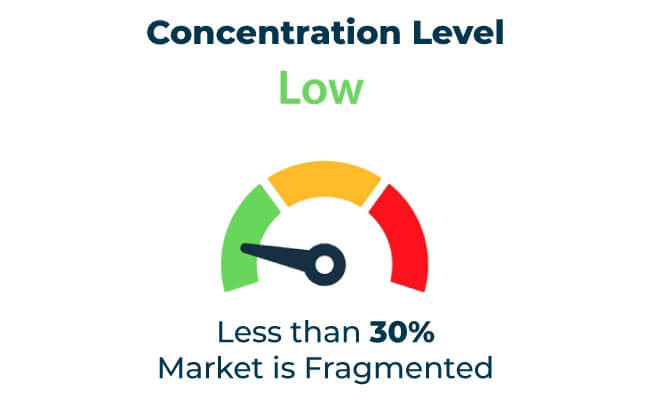
| Top 10 Players | 25% |
| Next 20 Players | 43% |
| Remaining Players | 37% |
Market Concentration
Year-on-Year Leaders
- Sealed Air: Innovates with lightweight, sustainable bubble wrap solutions.
- Pregis: Focuses on high-performance materials and customization options.
- Storopack: Specializes in impact-resistant and recyclable bubble wrap.
Emerging Technologies
- Biodegradable Materials: Introduces bubble wrap made from plant-based and compostable materials.
- Recyclable Films: Advances in recycling-compatible plastics reduce environmental impact.
- Custom Bubble Wrap: Designs tailored to fit unique product dimensions for better protection.
- Smart Packaging: Integrates sensors and tracking features for e-commerce and logistics.
Sustainability Trends
- Circular Economy: Companies use recycled materials and promote closed-loop production systems.
- Energy-Efficient Manufacturing: Processes reduce emissions and conserve resources.
- Biodegradable Bubble Wrap: Meets growing consumer demand for eco-friendly packaging solutions.
Consumer Trends
- E-commerce Reliance: Consumers expect secure packaging for online purchases.
- Eco-Conscious Choices: Buyers prefer bubble wrap made from sustainable materials.
- Customization Needs: Businesses seek tailored packaging solutions for product safety and brand differentiation.
Regulatory Insights
- North America: Promotes sustainability with strict recycling and packaging regulations.
- Europe: Leads with stringent eco-friendly packaging requirements and incentives.
- Asia-Pacific: Experiences rapid e-commerce growth, driving demand for cost-effective and durable packaging.
Export Opportunities
Emerging markets in Asia-Pacific, Africa, and Latin America offer significant export potential. The surge in online shopping and expanding industrial sectors create demand for high-quality protective packaging. Exporters aligned with local preferences and regulatory standards can capitalize on these growing markets.
Obstacles and Opportunities
Obstacles
- High Material Costs: Advanced sustainable materials increase production expenses.
- Recycling Infrastructure Gaps: Limited facilities in certain regions hinder the adoption of eco-friendly solutions.
- Regulatory Compliance: Adhering to diverse global standards adds complexity for manufacturers.
Opportunities
- E-commerce Expansion: Growth in online sales continues to boost demand for protective packaging.
- Sustainability Initiatives: Companies adopting biodegradable materials gain a competitive edge.
- Technological Advancements: Innovations in smart packaging create new growth opportunities.
Market Context
In-House vs. Contract Packaging
- In-House Packaging: Companies maintain control over quality and efficiency, making this approach ideal for large-scale operations.
- Contract Packaging: Outsourcing offers flexibility and access to advanced technologies, benefiting smaller businesses or those with fluctuating demand.
Regional Analysis
| Region | North America |
|---|---|
| Market Share (%) | 35% |
| Key Drivers | Sustainability and e-commerce drive growth. |
| Region | Europe |
|---|---|
| Market Share (%) | 30% |
| Key Drivers | Strong recycling infrastructure and eco-conscious consumers. |
| Region | Asia-Pacific |
|---|---|
| Market Share (%) | 25% |
| Key Drivers | Rapid industrialization and online retail expansion. |
| Region | Other Regions |
|---|---|
| Market Share (%) | 10% |
| Key Drivers | Demand for affordable, durable solutions grows in emerging markets. |
End-User Segment Analysis
- E-commerce and Logistics: Relies on bubble wrap for product protection during shipping.
- Electronics: Requires anti-static bubble wrap for sensitive components.
- Pharmaceuticals: Uses bubble wrap to safeguard medical products during transit.
- Consumer Goods: Adopts bubble wrap for fragile items like glassware and ceramics.
Future Roadmap
The bubble wrap packaging market will grow through advancements in sustainable materials, smart packaging technologies, and automation. Companies focusing on eco-friendly practices and e-commerce partnerships will strengthen their market presence. Expansion into emerging markets and regulatory compliance will drive further growth.
Market KPI
- Regional Revenue Growth: Tracks performance in Asia-Pacific and Europe.
- Sustainability Metrics: Measures the use of biodegradable and recyclable materials.
- End-User Adoption Rates: Monitors demand growth across e-commerce, electronics, and pharmaceuticals.
Who Shaped the Year
- Sealed Air: Leads with innovative, eco-friendly solutions.
- Pregis: Pioneers in high-performance and customizable packaging options.
- Storopack: Focuses on durable and sustainable bubble wrap.
Tier-Wise Company Analysis
| Tier | Key Companies |
|---|---|
| Tier 1 | Sealed Air, Pregis, Storopack |
| Tier 2 | Smurfit Kappa, Polycell |
| Tier 3 | Ranpak, Automated Packaging |
Key Vendor Initiatives
- Sealed Air: Expands its range of biodegradable bubble wrap.
- Pregis: Invests in advanced manufacturing for lightweight, impact-resistant materials.
- Storopack: Develops innovative designs with improved recyclability.
Conclusion
The bubble wrap packaging market is set for robust growth as sustainability, e-commerce expansion, and technological innovation shape industry trends. Companies prioritizing eco-friendly practices and advanced manufacturing techniques will lead the competitive landscape. Collaboration with industry stakeholders and compliance with global regulations will further enhance market opportunities.
Appendix
Key Definitions
- Bubble Wrap: A protective packaging material with air-filled bubbles that cushion products during shipping.
- Biodegradable Materials: Substances that decompose naturally, reducing environmental impact.
- Smart Packaging: Incorporates interactive or digital elements to enhance functionality.
Abbreviations
- CAGR: Compound Annual Growth Rate
- UV: Ultraviolet
Methodology
This report integrates primary research, secondary data, and expert insights. Analysts validated findings through interviews with industry professionals and end-users to ensure accuracy and reliability.
Market Definition
The bubble wrap packaging market includes the production and application of lightweight, impact-resistant, and eco-friendly packaging materials. These solutions serve industries like e-commerce, logistics, electronics, and pharmaceuticals, meeting the demand for sustainability and product safety.
Key Segmentation
By End-User:
- E-commerce and Logistics
- Electronics
- Pharmaceuticals
- Consumer Goods
Frequently Asked Questions
What are the primary uses of bubble wrap?
Bubble wrap is used for protecting products during shipping, especially in e-commerce, electronics, pharmaceuticals, and consumer goods industries.
How is bubble wrap becoming more sustainable?
Manufacturers are using biodegradable materials, recyclable plastics, and energy-efficient production processes to make bubble wrap more eco-friendly.
Which regions lead the bubble wrap packaging market?
North America and Europe lead due to strong e-commerce growth and stringent environmental regulations.
What are the challenges to which the bubble wrap market is exposed?
High material costs, recycling infrastructure gaps, compliance difficulties with worldwide regulations are the barriers to this market.
How can customization benefit businesses in this market?
Customization allows businesses to come up with packaging as per their product's need, thereby enhancing protection and providing differentiation for the brand.
Preview the report firsthand - request a free sample
Get SampleGet the brochure for pricing and purchase details.
Get PDFTable of Content
- Executive Summary
- Market Overview
- Market Growth Drivers
- Vendor Performance
- Global Market Share & Industry Share
- Type of Player & Industry Share
- Market Concentration
- Year-on-Year Leaders
- Technology Trends
- Sustainability Trends
- Consumer Trends
- Regulatory Insights
- Export Opportunities
- Challenges and Opportunities
- Market Context
- Regional Analysis
- End-User Industry Segments
- Future Roadmap
- Market KPI
- Who Shaped the Year
- Tier-Wise Company Analysis
- Key Vendor Initiatives
- Conclusion
- Appendix
- Methodology
- Market Definition
- FAQs


