

Top Segments Studied in the Congress Tourism Market Report
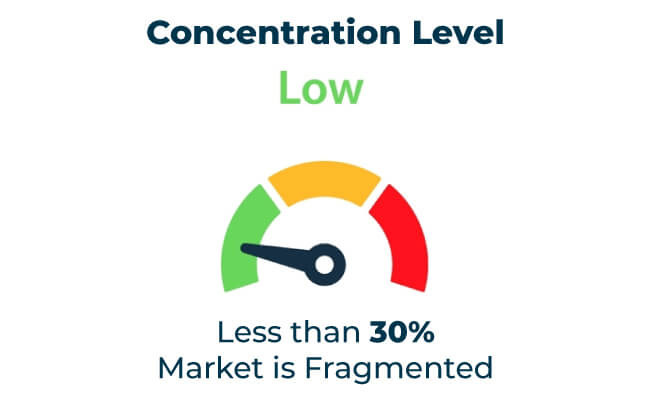
The global heritage tourism market remains highly fragmented, with regional tourism boards, independent operators, and global heritage tour providers competing for market share. Leading companies focus on curating authentic experiences, conserving cultural landmarks, and integrating sustainability into their business models.
Major industry leaders such as Context Travel, Smithsonian Journeys, and National Trust Tours dominate the market by offering immersive heritage experiences, exclusive access to UNESCO-listed sites, and guided historical excursions. These top players control approximately 38% of the market due to their strong brand presence and extensive networks.
Regional operators, including Japan’s Satoyama Experience, India’s Neemrana Hotels, and France’s Loire Valley Tours, contribute around 32% of the market by partnering with historical preservation societies and promoting local cultural tourism.
Niche and emerging brands such as Ancestry DNA Travel, MyHeritage Tours, and Fairbnb account for approximately 20% of the market. These companies emphasize ancestry-based heritage tourism, interactive storytelling, and fair-trade historical travel experiences. The remaining 10% consists of independent operators offering customized heritage tours, luxury castle stays, and private archaeological expeditions catering to high-end travelers.
Heritage Tourism Market Size, Share, and Forecast Analysis Outlook From 2025 to 2035
| Key Players | Industry Share (%) 2025 |
|---|---|
| Top 3 (Context Travel, Smithsonian Journeys, National Trust Tours) | 38% |
| Regional Operators (Satoyama Experience, Neemrana Hotels, Loire Valley Tours) | 32% |
| Emerging & Niche Brands (AncestryDNA Travel, MyHeritage Tours, Fairbnb) | 20% |
| Independent Operators (Luxury & Specialized Heritage Travel) | 10% |
Market Concentration Assessment
Segment Analysis
Key Players Focus on Heritage Homestays
Market leaders in heritage tourism are increasingly investing in heritage homestays to provide travelers with deeply immersive experiences and generate economic benefits for local communities. Context Travel collaborates with historical estates in Italy, offering tourists stays in restored Renaissance villas while participating in period-specific activities such as fresco painting and olive oil pressing.
Smithsonian Journeys weaves historical homestays into its European travel packages, so tourists can overnight in Tudor mansions in England or medieval castles in Germany, where they can take archery classes or reenact medieval feasts. Such programs appeal to tourists who are looking for authenticity and ensure income goes directly to historic preservation.
Regional stakeholders such as Neemrana Hotels in India have restored abandoned palaces into boutique heritage accommodations. Meanwhile, France’s Loire Valley Tours curates chateau-stay packages, allowing visitors to live like French nobility for a night.
Emerging platforms like Fairbnb and MyHeritage Tours integrate heritage homestays into their offerings. Fairbnb directs a portion of booking fees toward historical site conservation, while MyHeritage Tours matches tourists with ancestral village stays based on genealogical data.
Key Players Focus on International Tourists
Heritage tourism operators tailor their experiences to international travelers looking for in-depth cultural engagements. National Trust Tours curates exclusive heritage journeys for North American and European visitors, providing behind-the-scenes access to renowned historic estates and landmark sites.
Context Travel crafts multi-country itineraries that include expert-led lectures at ancient sites such as the Parthenon in Greece and the Colosseum in Italy. Similarly, Smithsonian Journeys organizes archaeological tours in Latin America, allowing tourists to participate in active excavation projects.
Regional players, such as Japan’s Satoyama Experience, attract global travelers by offering immersive Edo-period village stays. India’s Neemrana Hotels markets heritage palace stays to international tourists through partnerships with luxury travel agencies.
Digital platforms such as AncestryDNA Travel enhance international access to heritage experiences by connecting users to their ancestral homelands, allowing them to explore family history through curated travel itineraries.
Performance of Heritage Tourism in Emerging Markets
Heritage tourism is growing fast in emerging economies, fueled by government policies, investment by the private sector, and an emerging middle class that wants to visit historic and cultural sites. Asian, African, and Latin American nations are tapping their rich cultural heritage to attract foreign tourists while stimulating domestic tourism.
Indonesia, in Southeast Asia, is reviving its heritage travel industry by renovating ancient temples and introducing online storytelling campaigns. The government is creating better access to the likes of Borobudur and Prambanan temples, with virtual reality content to attract new-generation travellers. In Vietnam, the Hue Monuments Complex and Hoi An Ancient Town are seeing increased overseas visitor numbers due to improved infrastructure and live historical tour commentary by historians.
Mexico has marketed its Mayan and Aztec legacy as a tourism prime mover in Latin America. The state has introduced evening tours of Chichen Itza, marrying light projection with narrative description to add experience to the visit. Peru has spent on green tourism in Machu Picchu, enforcing visitor quotas and timed tickets to sustain the site while providing a constant stream of tourists. In addition, Argentina is increasing its colonial tourism activities in Cordoba and Salta cities, where historic cathedrals and Jesuit missions are being refurbished to increase cultural tourism.
Africa is also experiencing robust growth in heritage tourism. Ghana has established transatlantic slave heritage trails that link historic sites like Cape Coast Castle and Elmina Castle, drawing African diaspora tourists who want to trace their roots. South Africa's Robben Island, where Nelson Mandela was incarcerated, is still a number one destination, with the government launching augmented reality (AR) tours to offer greater insights into the nation's fight for freedom. Ethiopia is marketing its rock-hewn churches in Lalibela by joining forces with UNESCO to improve preservation while increasing visitor facilities.
Heritage tourism is flourishing in India with the government's emphasis on circuit tourism. The Swadesh Darshan Scheme has established organized travel circuits of Rajasthan's forts, Kerala's spice route, and Gujarat's heritage villages. Private entities such as Neemrana Hotels have also repurposed deserted palaces as heritage accommodations, providing tourists with a regal experience. The Taj Mahal, a global top tourist destination, now has eco-friendly shuttle services and digital ticketing to organize tourist traffic.
Technology is an important driver in heritage tourism for emerging markets. Governments and tourist boards are adopting AI-based language translation mobile applications, ensuring heritage sites are more accessible to foreign tourists. Self-directed historic tours, interactive museum displays, and virtual archaeological excavations in mobile apps improve visitor experience. Brazil and Thailand are using blockchain technology to verify authenticity of cultural relics and ensure that heritage tourism benefits local populations.
Heritage tourism in new markets is also driving local economic growth. Locally driven development, like Sri Lanka's village homestays in Sigiriya and Moroccan artisans' workshops in Fez, bring income to the local people while maintaining cultural practices. Governments are incorporating heritage tourism into state economic plans, making sure that foreign and domestic visitors are contributing to cultural conservation as well as sustainable development.
The prospects for heritage tourism in emerging markets are bright. With the evolving preferences of travelers towards authentic, experiential travel, nations with rich cultural heritages will remain popular among heritage tourists. By making investments in digital technologies, sustainable tourism practices, and community-based projects, emerging markets are poised to become leading players in the international heritage tourism market.
Who Shaped the Year
Leading companies strengthened sustainability initiatives and enhanced traveler engagement in 2024:
- Context Travel: expanded its immersive historical experiences by integrating AI-powered storytelling, allowing visitors to explore ancient cities through interactive guided narratives.
- Smithsonian Journeys: introduced blockchain-based authenticity certification to ensure ethical sourcing of historical artifacts and fair compensation for local heritage experts.
- National Trust Tours: partnered with global conservation organizations to restore and maintain UNESCO-listed heritage sites, reinforcing its commitment to cultural preservation.
- Fairbnb: broadened its presence in Europe by offering travelers stays in heritage properties, ensuring a portion of booking fees directly funds local restoration projects.
- AncestryDNA Travel: launched a genealogy-driven travel program that connects visitors to ancestral villages, enhancing the emotional depth of heritage tourism experiences.
Key Industry Highlights and Future Outlook
- Expansion of Digital Heritage Tourism: AI-powered genealogy-based travel and virtual museum experiences redefine accessibility.
- Sustainability as a Market Differentiator: Companies increasingly invest in eco-certified heritage restoration programs.
- Rise of Regenerative Tourism: Initiatives that contribute directly to local communities and historical preservation gain traction.
- Technology-Driven Personalization: AI-driven tour recommendations based on traveler history and sustainability preferences.
Key Recommendations for Service Providers
- Invest in Digital Heritage Platforms: Augmented reality (AR) and virtual reality (VR) experiences enrich storytelling.
- Enhance Sustainability Practices: Certification programs for responsible tourism strengthen credibility.
- Expand Heritage Homestay Programs: Direct community involvement ensures long-term cultural conservation.
Key Company Initiatives
| Company | Key Initiatives |
|---|---|
| Context Travel | AI-driven immersive heritage storytelling platform |
| Smithsonian Journeys | Blockchain-based authenticity certification for artifacts |
| National Trust Tours | Conservation partnerships for UNESCO heritage sites |
| Fairbnb | Expansion of heritage property stays with restoration funding |
| AncestryDNA Travel | Genealogy-driven travel connecting visitors to ancestral villages |
Frequently Asked Questions
Which companies hold the largest market share in the global heritage tourism industry?
Context Travel, Smithsonian Journeys, and National Trust Tours collectively control about 38% of the market.
What percentage of the market do niche brands hold?
Niche brands like AncestryDNA Travel, MyHeritage Tours, and Fairbnb hold approximately 20% of the market.
How much market share do regional players contribute?
Regional leaders such as Japan’s Satoyama Experience, India’s Neemrana Hotels, and France’s Loire Valley Tours represent around 32% of the market.
Preview the report firsthand - request a free sample
Get SampleGet the brochure for pricing and purchase details.
Get PDFTable of Content
- Executive Summary
- Market Overview
- Key Growth Drivers
- Competitive Landscape
- Market Concentration
- Segmented Analysis
- Key Company Initiatives
- Future Roadmap


