

Virtual Tourism Industry Size and Share Forecast Outlook From 2025 to 2035
The global virtual tourism market remains dynamic, with major players, innovative startups, and government-backed initiatives competing for market share. Industry leaders focus on delivering immersive virtual travel experiences through high-definition VR tours, AI-powered interactive storytelling, and augmented reality (AR) integrations.
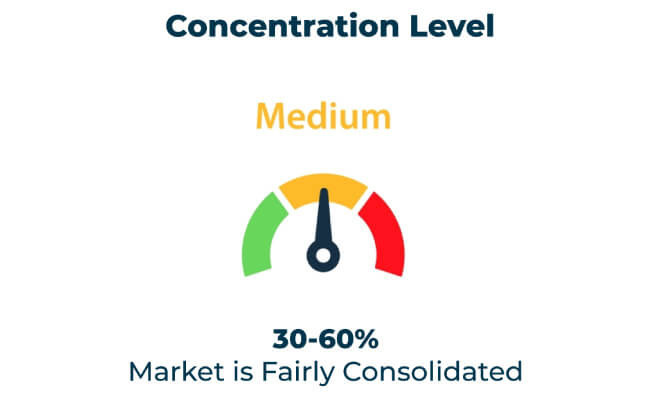
Major players like Google Arts & Culture, Expedia's Virtual Travel, and National Geographic VR dominate the market, offering high-fidelity virtual experiences of world landmarks, natural wonders, and historical sites. These top players collectively command approximately 40% of the market by leveraging brand recognition, strategic partnerships with tourism boards, and proprietary technology.
Regional operators such as Japan's Virtual Kyoto Tours, Italy’s Rome 360 Experience, and Egypt’s Virtual Pyramids Adventures account for 32% of the market, specializing in culturally rich, country-specific VR tourism experiences. They attract a mix of domestic and international users by incorporating expert-guided narration and authentic 3D reconstructions.
New entrants like Immersive World VR, Horizon Explorer, and Travel Beyond Screens secure 22% of the market, focusing on AI-driven personalized experiences, interactive gamified travel, and sustainable virtual tourism alternatives. Independent platforms and niche operators, such as community-led VR historical sites and indie developers crafting artistic digital tourism experiences, make up the remaining 6%.
Global Market Share by Key Virtual Tourism Companies
| Key Players | Industry Share (%) 2025 |
|---|---|
| Top 3 (Google Arts & Culture, Expedia Virtual Travel, National Geographic VR) | 40% |
| Regional Operators (Virtual Kyoto Tours, Rome 360, Virtual Pyramids Adventures) | 32% |
| Emerging & Niche Brands (Immersive World VR, Horizon Explorer, Travel Beyond Screens) | 22% |
| Independent Operators (Community-led VR tours, indie tourism developers) | 6% |
Market Concentration Assessment
Segment Analysis
Leading Companies Invest in Virtual Heritage Tourism
Top virtual tourism providers prioritize cultural and heritage tourism by integrating AI and VR to bring historical sites to life. Unlike traditional tourism, virtual heritage tourism ensures year-round accessibility, reduces travel costs, and preserves fragile historical sites while maintaining visitor engagement.
Google Arts & Culture expands its reach with AI-driven historical site restorations, allowing users to explore ancient ruins in their original form. Expedia Virtual Travel partners with global museums to create fully immersive, 360-degree museum tours, enhancing visitor engagement with interactive content.
Regional operators invest in authentic virtual heritage tourism experiences. Virtual Kyoto Tours offers an interactive tea ceremony experience alongside its VR geisha district tours. Egypt’s Virtual Pyramids Adventures recreates ancient Egyptian history through AI-powered narrations and holographic archaeologist guides.
The economic viability of virtual heritage tourism fuels continuous investment. Subscription-based access to exclusive digital experiences, VR tourism partnerships with hotels, and collaborations with educational institutions drive revenue growth. The Vatican's Virtual Pilgrimage service integrates spiritual tourism with AI-assisted theological narrations, while China’s Virtual Forbidden City leverages AR technology to reconstruct Ming Dynasty architecture.
Through a combination of technological innovation and cultural authenticity, virtual tourism leaders maintain a strong foothold in heritage tourism, appealing to history enthusiasts, remote travelers, and tech-savvy tourists.
Virtual Tourism Operators Target International Travelers
Leading companies design virtual tourism experiences to appeal to global travelers. Google Arts & Culture collaborates with tourism boards to launch virtual destination showcases, promoting real-world tourism through VR previews. Expedia Virtual Travel offers premium subscription-based access to exclusive cityscape flyovers and virtual hotel experiences.
Regional platforms like Japan’s Virtual Kyoto Tours and Italy’s Rome 360 attract international tourists seeking deep cultural immersion without physical travel. Online platforms such as Viator VR and GetYourGuide’s Virtual Expeditions streamline access to curated virtual travel packages, featuring expert-led storytelling, live-streamed cultural events, and AI-guided interactive museum tours.
Performance of Virtual Tourism in Emerging Markets
Governments and private investors in emerging economies are driving virtual tourism growth by digitizing cultural landmarks, funding interactive VR experiences, and integrating smart tourism initiatives. China expands its virtual tourism reach by deploying AI-powered Forbidden City walkthroughs and offering AR-based historical timelines. India promotes rural heritage tourism via virtual folk music performances, artisan village tours, and immersive mythological storytelling.
Brazil engages tourists with Amazon Rainforest VR adventures, blending nature tourism with indigenous narratives. South Africa’s Virtual Robben Island Museum uses AI-enhanced history tours to deepen understanding of the country’s freedom struggle.
Indonesia and Vietnam integrate VR technology into heritage conservation, offering temple-based VR storytelling experiences. Bali’s UNESCO temples now feature VR-enhanced visitor experiences, while Vietnam’s Virtual Hoi An recreates ancient town life with real-time AI narrations and archival footage overlays.
Technology plays a critical role in scaling virtual tourism in emerging markets. AI-powered virtual guides provide multilingual support and real-time cultural insights. Blockchain-backed certification systems authenticate sustainable virtual tourism initiatives, ensuring ethical and responsible digital travel experiences.
Who Shaped the Year?
The virtual tourism industry experienced groundbreaking advancements in 2024, with leading companies enhancing immersive engagement through technology and personalized content:
- Google Arts & Culture: Expanded AI-driven historical restorations and introduced interactive VR time-travel experiences.
- Expedia Virtual Travel: Developed hyper-realistic cityscape VR tours, enabling users to experience destinations in real-time.
- National Geographic VR: Launched interactive wildlife tours featuring AI-guided nature narrations and conservation storytelling.
- Virtual Kyoto Tours: Introduced live-hosted virtual festival experiences and samurai heritage reenactments.
- Immersive World VR: Enhanced AI-driven personalized travel experiences, integrating machine learning-based travel suggestions.
Future Roadmap
AI-Powered Personalization Transforms Virtual Tourism
The virtual tourism sector is integrating AI-driven personalization to enhance user engagement. AI-powered virtual guides tailor experiences based on user preferences, adjusting itineraries in real-time. Intelligent chatbots assist with cultural inquiries, while AR technology brings historical narratives to life by overlaying past reconstructions onto present landscapes.
Luxury virtual tourism is also on the rise. High-net-worth travelers demand exclusive digital experiences, including private VR art collection tours, virtual estate visits, and elite digital gastronomy sessions. The Vatican now offers AI-curated private theology discussions, while Bordeaux’s digital wineries host immersive virtual wine-tasting events.
Key Industry Highlights
- Growth of AI-Powered Virtual Tourism: AI-driven guides, VR-enhanced heritage sites, and interactive AR storytelling redefine digital travel experiences.
- Sustainability as a Competitive Advantage: Carbon-neutral virtual travel, ethical AI-driven tourism, and eco-conscious VR initiatives gain traction.
- Rise of Gamified Virtual Travel: Interactive travel storytelling, educational VR adventures, and participatory history reconstructions increase engagement.
Key Recommendations for Service Providers
- Invest in AI and VR Technologies: AI-powered virtual guides and VR-enhanced cultural experiences improve engagement.
- Strengthen Digital Sustainability Efforts: Ethical AI frameworks and carbon-neutral virtual travel initiatives build credibility.
- Expand Virtual Tourism Collaborations: Partnering with museums, cultural institutions, and content creators enriches digital travel experiences.
Key Company Initiatives
| Company | Key Initiatives |
|---|---|
| Google Arts & Culture | AI-driven historical restorations and interactive VR experiences |
| Expedia Virtual Travel | Hyper-realistic virtual cityscape tours and hotel experiences |
| National Geographic VR | AI-guided wildlife and conservation storytelling |
| Virtual Kyoto Tours | Live virtual festival experiences and heritage reenactments |
| Immersive World VR | AI-personalized digital tourism experiences |
Segmentation Overview of the Virtual Tourism Industry
Leading Companies Invest in Virtual Heritage Tourism:
- Google Arts & Culture
- Expedia Virtual Travel
- Virtual Kyoto Tours
- Egypt’s Virtual Pyramids Adventures
- Vatican's Virtual Pilgrimage
- Virtual Forbidden City (China)
Virtual Tourism Operators Target International Travelers:
- Google Arts & Culture
- Expedia Virtual Travel
- Virtual Kyoto Tours (Japan)
- Rome 360 (Italy)
- Viator VR & GetYourGuide Virtual Expeditions
Performance of Virtual Tourism in Emerging Markets:
- China
- India
- Brazil
- South Africa
- Indonesia
- Vietnam
Frequently Asked Questions
Which companies hold the largest market share in the global virtual tourism industry?
Google Arts & Culture, Expedia Virtual Travel, and National Geographic VR collectively control about 40% of the market, leading with their advanced digital content, immersive experiences, and extensive partnerships.
What percentage of the market do niche virtual tourism brands hold?
Emerging companies like Immersive World VR, Horizon Explorer, and Travel Beyond Screens hold approximately 22% of the market by focusing on AI-driven personalization, gamified travel, and sustainable virtual tourism.
How much market share do regional players contribute?
Regional operators such as Virtual Kyoto Tours, Rome 360 Experience, and Virtual Pyramids Adventures account for around 32% of the market, offering destination-specific immersive experiences.
Preview the report firsthand - request a free sample
Get SampleGet the brochure for pricing and purchase details.
Get PDFTable of Content
- Executive Summary
- Market Overview
- Key Growth Drivers
- Competitive Landscape
- Market Concentration
- Segmented Analysis
- Key Company Initiatives
- Future Roadmap


