

- Industry Size (2026)
- USD 279.9 Mn
- Forecast (2036)
- USD 395.8 Mn
- CAGR (2026 to 2036)
- 3.2%
Demand for Diamond-Blackfan Anemia Syndrome Therapeutics in Japan Forecast and Outlook 2026 to 2036
Demand for diamond-blackfan anemia syndrome therapeutics in Japan is growing due to advancements in treatment options and increasing awareness of the rare genetic disorder. DBA leads to bone marrow failure, resulting in anemia and other complications, with treatments such as corticosteroids and gene therapies helping to manage the condition. Key drivers include improvements in genetic research and diagnosis, enabling better treatment planning. With Japan's healthcare infrastructure focusing on rare diseases, specialized therapies are becoming more accessible, contributing to the steady demand for DBA therapeutics. Hospitals remain the primary end-user, accounting for 55% of the demand, while corticosteroids, as a first-line treatment, lead the therapeutic options with 28% of the demand.
Quick Stats of the Demand for Diamond-Blackfan Anemia Syndrome Therapeutics in Japan
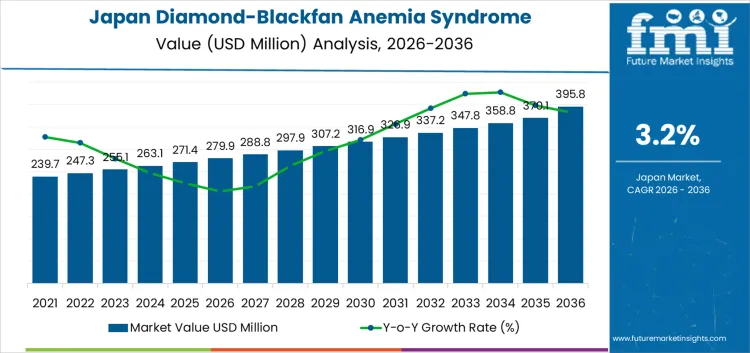
- Demand for Diamond-Blackfan Anemia Syndrome Therapeutics in Japan Value (2026): USD 279.9 million
- Demand for Diamond-Blackfan Anemia Syndrome Therapeutics in Japan Forecast Value (2036): USD 395.8 million
- Demand for Diamond-Blackfan Anemia Syndrome Therapeutics in Japan Forecast CAGR (2026 to 2036): 3.2%
- Demand for Diamond-Blackfan Anemia Syndrome Therapeutics in Japan Leading Treatment: Corticosteroids
- Demand for Diamond-Blackfan Anemia Syndrome Therapeutics in Japan Key Growth Regions: Kyushu & Okinawa, Kanto, Kansai, Chubu, Tohoku, Rest of Japan
- Demand for Diamond-Blackfan Anemia Syndrome Therapeutics in Japan Top Players: Merck KGaA, Bayer AG, Cipla Inc., GlaxoSmithKline plc, AstraZeneca
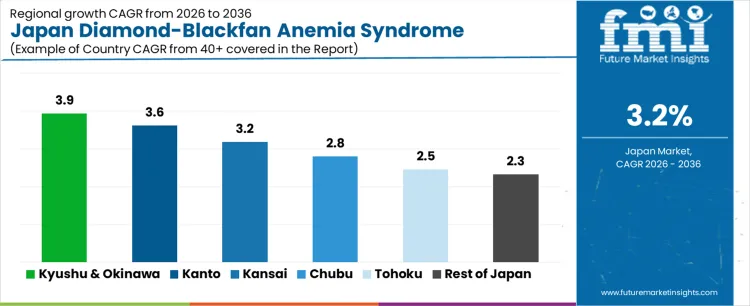
Regionally, demand for DBA therapeutics is spread across various regions, with kyushu & okinawa leading the growth at a 3.9% CAGR, driven by advancements in medical research and treatment accessibility. Kanto follows closely with a 3.6% CAGR, benefiting from its large medical centers and specialized healthcare offerings. Kansai, chubu, tohoku, and the rest of japan experience more moderate growth, with the growing emphasis on rare disease research and improving diagnostic capabilities fueling demand. Key players in the industry include merck kgaa, bayer ag, cipla, glaxosmithkline, and astrazeneca, who continue to innovate with treatments aimed at improving patient outcomes for DBA.
Demand for Diamond-Blackfan Anemia Syndrome Therapeutics in Japan Key Takeaways
| Metric | Value |
|---|---|
| Demand for Diamond-Blackfan Anemia Syndrome Therapeutics in Japan Value (2026) | USD 279.9 million |
| Demand for Diamond-Blackfan Anemia Syndrome Therapeutics in Japan Forecast Value (2036) | USD 395.8 million |
| Demand for Diamond-Blackfan Anemia Syndrome Therapeutics in Japan Forecast CAGR (2026 to 2036) | 3.2% |
Why is the Demand for Diamond-Blackfan Anemia Syndrome Therapeutics in Japan Growing?
The demand for diamond-blackfan anemia syndrome therapeutics in Japan is growing due to the increasing recognition of the disease and advancements in treatment options. DBA is a rare genetic disorder that results in a failure to produce red blood cells, leading to anemia and other complications. As awareness of DBA improves among healthcare professionals and the general public, more patients are being diagnosed, which drives the need for effective treatments. The development of therapies such as corticosteroids and newer gene therapies is also contributing to the industry growth, as these treatments aim to address the root causes of DBA and improve patient outcomes.
Key drivers for this growth include advancements in genetic research, which have led to better understanding and diagnosis of DBA, as well as the development of targeted treatments. These therapies are improving the quality of life for DBA patients, offering better management of the disease and reducing the risk of complications. Japan's strong healthcare infrastructure and growing focus on rare disease treatment are encouraging the development and availability of specialized therapies for conditions like DBA.
What is the Segment-Wise Analysis of Demand for Diamond-Blackfan Anemia Syndrome Therapeutics in Japan?
Demand for diamond-blackfan anemia syndrome therapeutics in Japan is segmented by treatment type and end-user. By treatment, corticosteroids lead with 28% of the demand, followed by chelation therapy, blood transfusions, stem cell transplants, and other treatments. In terms of end-user, hospitals account for 55% of the demand, with clinics and other healthcare providers contributing to the remainder. Regionally, demand is divided into Kanto, Kansai, Chubu, Kyushu & Okinawa, Tohoku, and the Rest of Japan.
Why Do Corticosteroids Lead the Demand for DBA Syndrome Therapeutics in Japan?
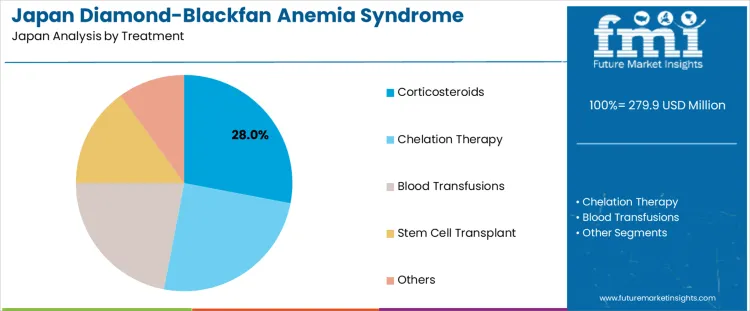
Corticosteroids account for 28% of the demand for diamond-blackfan anemia syndrome therapeutics in Japan, driven by their proven effectiveness in managing anemia symptoms. Corticosteroids are commonly prescribed to stimulate red blood cell production in patients with DBA, helping to reduce the need for blood transfusions and alleviate symptoms of the condition. Their ability to improve patients' overall health and reduce the severity of symptoms has made corticosteroids the first-line treatment option. As DBA patients require ongoing management, corticosteroids remain the dominant treatment, offering a well-established and accessible solution for those affected by this rare genetic disorder.
How Do Hospitals Drive the Demand for DBA Syndrome Therapeutics in Japan?
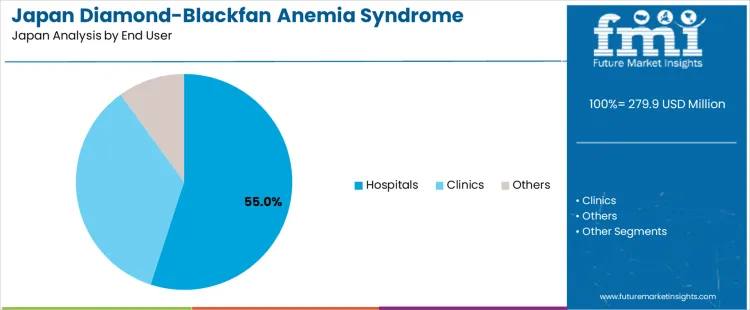
Hospitals account for 55% of the demand for diamond-blackfan anemia syndrome therapeutics in Japan, driven by their role as primary care providers for individuals with severe forms of the disease. Hospitals are equipped with specialized medical teams and advanced facilities to manage the complex needs of DBA patients, including administering blood transfusions, corticosteroids, and stem cell transplants. As DBA is a rare and chronic condition, hospitals play a critical role in providing comprehensive care, from diagnosis to long-term management. With the growing need for specialized care, hospitals remain a key driver in the demand for DBA syndrome therapeutics in Japan.
What are the Key Trends, Drivers and Restraints in Demand for DBA Syndrome Therapeutics in Japan?
Demand for DBA syndrome therapeutics in Japan is increasing as diagnostic capabilities and disease awareness improve. Healthcare providers recognize this rare congenital anemia, promoting earlier diagnosis and treatment. Trends include the use of corticosteroids, blood transfusions, and iron chelation. Drivers include better genetic testing and growing emphasis on rare disease care.
Why is Demand for DBA Syndrome Therapeutics Growing in Japan?
Demand for DBA syndrome therapeutics in Japan is growing due to enhanced awareness and better diagnostic methods, allowing earlier detection and intervention. Genetic testing identifies ribosomal protein gene mutations, facilitating more precise treatment planning. As the patient population grows and ages, there’s an increasing need for long term symptom management with corticosteroids and blood transfusions. Improved patient outcomes and survival rates contribute to higher therapeutic demand. The rise in patient advocacy and awareness initiatives has also prompted a more proactive approach to managing DBA, encouraging patients to seek more comprehensive and continuous therapeutic care.
How are Technological and Industry Innovations Driving DBA Therapeutic Demand in Japan?
Technological advancements are boosting DBA therapeutic demand in Japan by enabling more accurate diagnoses and better treatment strategies. Genetic screening tools help identify DBA mutations early, allowing for targeted interventions. Research into novel therapies, including gene therapy and gene editing techniques, is advancing, offering hope for more permanent treatments. New drug formulations and delivery methods improve treatment efficacy and reduce side effects. Clinical trials continue to push the boundaries of DBA therapy, with academic and industrial collaboration facilitating the introduction of innovative therapies, expanding the therapeutic options available for DBA patients in Japan.
What is the Regional Demand Outlook for Diamond-Blackfan Anemia (DBA) Syndrome Therapeutics in Japan?
| Region | CAGR (%) |
|---|---|
| Kyushu & Okinawa | 3.9% |
| Kanto | 3.6% |
| Kansai | 3.2% |
| Chubu | 2.8% |
| Tohoku | 2.5% |
| Rest of Japan | 2.3% |
Demand for diamond-blackfan anemia syndrome therapeutics in Japan is growing steadily, with Kyushu & Okinawa leading at a 3.9% CAGR, driven by the region’s medical advancements and focus on rare diseases. Kanto follows with a 3.6% CAGR, supported by its advanced healthcare infrastructure and increasing awareness of DBA. Kansai shows a 3.2% CAGR, fueled by its growing focus on rare disease research and personalized medicine. Chubu experiences a 2.8% CAGR, with steady growth driven by the region’s medical research and patient diagnosis improvements. Tohoku and the rest of Japan see moderate growth at 2.5% and 2.3% CAGR, respectively.
How is Demand for Diamond-Blackfan Anemia (DBA) Syndrome Therapeutics Growing in Kyushu & Okinawa?
Kyushu & Okinawa leads the demand for Diamond-Blackfan Anemia (DBA) syndrome therapeutics in Japan, growing at a 3.9% CAGR. The region’s commitment to improving healthcare for rare diseases is driving this growth. Kyushu has a growing medical research community focusing on rare genetic disorders, and as awareness of DBA increases, more patients are being diagnosed and treated. Okinawa’s relatively higher prevalence of certain genetic conditions also contributes to the need for specialized therapeutics. As healthcare infrastructure in the region strengthens, particularly in areas like Fukuoka, more treatment options for DBA patients are becoming available. The demand for DBA syndrome therapeutics is expected to continue growing, fueled by medical advancements, increasing awareness of the disease, and the growing focus on precision medicine and tailored therapies for rare genetic conditions in Kyushu & Okinawa.
Why is Demand for Diamond-Blackfan Anemia (DBA) Syndrome Therapeutics Rising in Kanto?
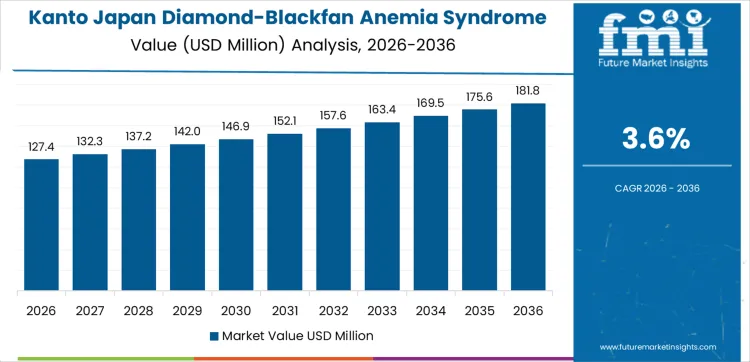
Kanto is experiencing steady demand for Diamond-Blackfan Anemia (DBA) syndrome therapeutics, with a 3.6% CAGR. Kanto, home to Japan's largest medical and research institutions, is seeing growing awareness of DBA and the increasing availability of specialized treatments. Tokyo’s advanced healthcare facilities are expanding their diagnostic capabilities, improving the detection of rare diseases like DBA, leading to earlier interventions and increased demand for therapeutic options. Kanto’s population, particularly in urban areas, is also benefiting from improved access to innovative treatments for genetic disorders. The region's strong medical research environment is contributing to the development of better therapeutics for DBA patients, and as awareness grows among healthcare professionals and the general public, demand for DBA syndrome therapeutics is expected to continue rising steadily in Kanto.
How is Demand for Diamond-Blackfan Anemia (DBA) Syndrome Therapeutics Expanding in Kansai?
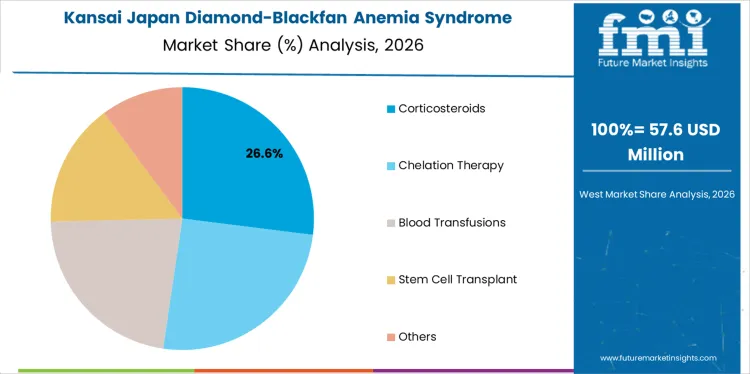
Kansai is seeing moderate demand for Diamond-Blackfan Anemia (DBA) syndrome therapeutics, growing at a 3.2% CAGR. The region’s healthcare system, with major medical centers in cities like Osaka, is playing a key role in advancing the treatment options available for rare diseases like DBA. Kansai’s growing emphasis on personalized medicine and rare disease research is contributing to the rising adoption of therapeutics for DBA patients. As awareness of the disease increases among healthcare professionals, early diagnosis is improving, which in turn drives the need for effective therapeutic options. Kansai’s focus on improving healthcare services and providing cutting-edge treatments is supporting the continued growth of the DBA therapeutics industry. As the number of diagnosed patients rises, demand for specialized therapies will likely increase in the region, helping Kansai remain a significant hub for rare disease treatment.
How is Demand for Diamond-Blackfan Anemia (DBA) Syndrome Therapeutics Growing in Chubu?
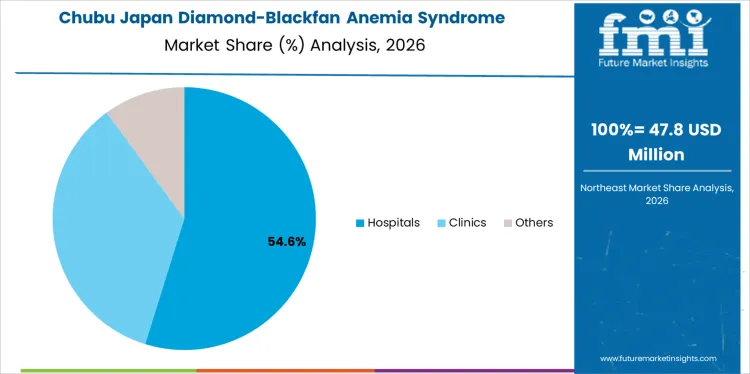
Chubu is experiencing moderate demand for diamond-blackfan anemia syndrome therapeutics, with a 2.8% CAGR. The region’s growing awareness of rare genetic disorders and the increasing availability of specialized healthcare services are contributing to the rising need for DBA therapeutics. Chubu’s expanding medical research sector, particularly in cities like Nagoya, is helping to improve the understanding and treatment of rare diseases like DBA. While the region’s DBA patient population is not as large as in urban centers like Tokyo or Osaka, improvements in genetic research and early diagnosis are leading to higher demand for specialized therapies. As the healthcare sector continues to evolve, and more treatment options become available, the demand for DBA therapeutics will continue to grow steadily in Chubu.
How is Demand for Diamond-Blackfan Anemia (DBA) Syndrome Therapeutics Growing in Tohoku?
Tohoku is seeing moderate demand for diamond-blackfan anemia syndrome therapeutics, growing at a 2.5% CAGR. While Tohoku’s healthcare infrastructure is less concentrated than in other regions, the need for rare disease treatments is rising. With an increasing number of diagnostic facilities and medical advancements, more patients in Tohoku are being diagnosed with DBA, fueling demand for therapeutics. The region’s focus on providing high-quality care for genetic disorders is contributing to the adoption of specialized therapies. As Tohoku’s healthcare system continues to improve and more patients are diagnosed with DBA, the need for effective therapeutics will steadily rise. Although the pace of growth is slower than in more urbanized areas, the demand for DBA treatments in Tohoku is expected to increase gradually as healthcare services for rare diseases expand.
How is Demand for Diamond-Blackfan Anemia (DBA) Syndrome Therapeutics Growing in Rest of Japan?
The rest of Japan is experiencing moderate demand for diamond-blackfan anemia syndrome therapeutics, growing at a 2.3% CAGR. While the demand for DBA therapeutics is not as concentrated in major urban areas, the growing number of diagnosed patients in smaller cities and rural regions is contributing to steady growth in the industry. As awareness of rare genetic disorders increases and diagnostic technologies improve, more individuals in these areas are being diagnosed with DBA, driving the need for effective treatments. Regional healthcare facilities are expanding their focus on providing specialized care for genetic diseases. As the healthcare landscape evolves across Japan, demand for DBA therapeutics in the rest of Japan is expected to rise, albeit at a more moderate pace compared to larger metropolitan regions.
What is the Competitive Landscape of Diamond-Blackfan Anemia (DBA) Syndrome Therapeutics in Japan?
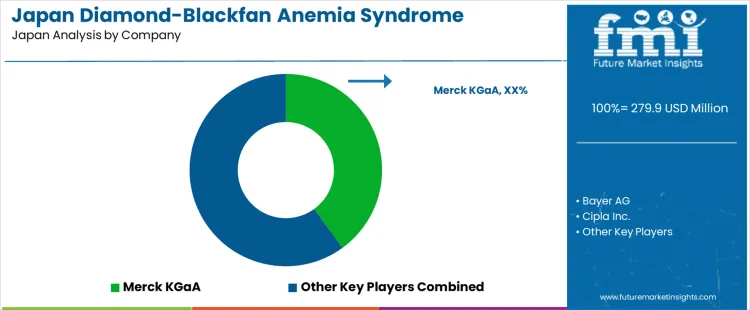
Demand for diamond-blackfan anemia syndrome therapeutics in Japan is rising as awareness of this rare, genetic blood disorder increases. DBA, which causes bone marrow failure leading to a shortage of red blood cells, requires specialized treatments to manage symptoms and prevent complications like anemia and organ damage. With Japan’s advanced healthcare infrastructure and growing focus on rare diseases, the demand for effective DBA treatments continues to rise, particularly for those addressing the genetic causes and improving quality of life for affected patients.
Merck KGaA is a key player in the DBA therapeutics industry, focusing on innovative gene therapies and treatment options for rare blood disorders. The company’s strategy revolves around advancing research and providing targeted therapies that help manage DBA while minimizing the need for long-term blood transfusions. Merck’s expertise in biologics and personalized medicine positions it as a leading contender in Japan’s DBA treatment industry.
Bayer AG is involved in developing treatments aimed at addressing genetic causes and improving hematopoiesis in DBA patients. Cipla offers affordable therapeutic options to manage anemia and support overall patient health. GlaxoSmithKline and AstraZeneca focus on creating therapies that enhance erythropoiesis and address associated symptoms. As the demand for more effective and personalized treatments grows, these companies continue to innovate, working toward better outcomes for DBA patients in Japan.
Key Players in Japan Diamond-Blackfan Anemia (DBA) Syndrome Therapeutics Demand
- Merck KGaA
- Bayer AG
- Cipla Inc.
- GlaxoSmithKline plc
- AstraZeneca
Scope of Report
| Items | Values |
|---|---|
| Quantitative Units (2026) | USD million |
| Key Segments | Corticosteroids, Chelation Therapy, Blood Transfusions, Stem Cell Transplant, Others |
| End User | Hospitals, Clinics, Others |
| Key Country | Japan |
| Region | Kyushu & Okinawa, Kanto, Kansai, Chubu, Tohoku, Rest of Japan |
| Key Players Profiled | Merck KGaA, Bayer AG, Cipla Inc., GlaxoSmithKline plc, AstraZeneca |
| Additional Attributes | Dollar sales by treatment type and end-user; regional CAGR and growth trends in DBA therapeutics demand in Japan |
Japan Diamond-Blackfan Anemia (DBA) Syndrome Therapeutics Demand by Key Segments
By Treatment:
- Corticosteroids
- Chelation Therapy
- Blood Transfusions
- Stem Cell Transplant
- Others
By End User:
- Hospitals
- Clinics
- Others
By Region:
- Kyushu & Okinawa
- Kanto
- Kansai
- Chubu
- Tohoku
- Rest of Japan
Frequently Asked Questions
How big is the demand for diamond-blackfan anemia syndrome therapeutics in Japan in 2026?
The demand for diamond-blackfan anemia syndrome therapeutics in Japan is estimated to be valued at USD 279.9 million in 2026.
What will be the size of diamond-blackfan anemia syndrome therapeutics in Japan in 2036?
The market size for the diamond-blackfan anemia syndrome therapeutics in Japan is projected to reach USD 395.8 million by 2036.
How much will be the demand for diamond-blackfan anemia syndrome therapeutics in Japan growth between 2026 and 2036?
The demand for diamond-blackfan anemia syndrome therapeutics in Japan is expected to grow at a 3.2% CAGR between 2026 and 2036.
What are the key product types in the diamond-blackfan anemia syndrome therapeutics in Japan?
The key product types in diamond-blackfan anemia syndrome therapeutics in Japan are corticosteroids, chelation therapy, blood transfusions, stem cell transplant and others.
Which end user segment is expected to contribute significant share in the diamond-blackfan anemia syndrome therapeutics in Japan in 2026?
In terms of end user, hospitals segment is expected to command 55.0% share in the diamond-blackfan anemia syndrome therapeutics in Japan in 2026.
Preview the report firsthand - request a free sample
Get SampleGet the brochure for pricing and purchase details.
Get PDFTable of Content
- Executive Summary
- Japan Market Outlook
- Demand-side Trends
- Supply-side Trends
- Technology Roadmap Analysis
- Analysis and Recommendations
- Market Overview
- Market Coverage / Taxonomy
- Market Definition / Scope / Limitations
- Market Background
- Market Dynamics
- Drivers
- Restraints
- Opportunity
- Trends
- Scenario Forecast
- Demand in Optimistic Scenario
- Demand in Likely Scenario
- Demand in Conservative Scenario
- Opportunity Map Analysis
- Product Life Cycle Analysis
- Supply Chain Analysis
- Investment Feasibility Matrix
- Value Chain Analysis
- PESTLE and Porter’s Analysis
- Regulatory Landscape
- Regional Parent Market Outlook
- Production and Consumption Statistics
- Import and Export Statistics
- Market Dynamics
- Japan Market Analysis 2021 to 2025 and Forecast, 2026 to 2036
- Historical Market Size Value (USD Million) Analysis, 2021 to 2025
- Current and Future Market Size Value (USD Million) Projections, 2026 to 2036
- Y-o-Y Growth Trend Analysis
- Absolute $ Opportunity Analysis
- Japan Market Pricing Analysis 2021 to 2025 and Forecast 2026 to 2036
- Japan Market Analysis 2021 to 2025 and Forecast 2026 to 2036, By Treatment
- Introduction / Key Findings
- Historical Market Size Value (USD Million) Analysis By Treatment, 2021 to 2025
- Current and Future Market Size Value (USD Million) Analysis and Forecast By Treatment, 2026 to 2036
- Corticosteroids
- Chelation Therapy
- Blood Transfusions
- Stem Cell Transplant
- Others
- Y-o-Y Growth Trend Analysis By Treatment, 2021 to 2025
- Absolute $ Opportunity Analysis By Treatment, 2026 to 2036
- Japan Market Analysis 2021 to 2025 and Forecast 2026 to 2036, By End User
- Introduction / Key Findings
- Historical Market Size Value (USD Million) Analysis By End User, 2021 to 2025
- Current and Future Market Size Value (USD Million) Analysis and Forecast By End User, 2026 to 2036
- Hospitals
- Clinics
- Others
- Y-o-Y Growth Trend Analysis By End User, 2021 to 2025
- Absolute $ Opportunity Analysis By End User, 2026 to 2036
- Market Structure Analysis
- Competition Dashboard
- Competition Benchmarking
- Market Share Analysis of Top Players
- By Regional
- By Treatment
- By End User
- Competition Analysis
- Competition Deep Dive
- Merck KGaA
- Overview
- Product Portfolio
- Profitability by Market Segments (Product/Age /Sales Channel/Region)
- Sales Footprint
- Strategy Overview
- Marketing Strategy
- Product Strategy
- Channel Strategy
- Bayer AG
- Cipla Inc.
- GlaxoSmithKline plc
- AstraZeneca
- Merck KGaA
- Competition Deep Dive
- Assumptions & Acronyms Used
- Research Methodology


