

Rotogravure Printing Machine Market Size and Share Outlook (2025 to 2035)
The market for rotogravure printing machines is changing as packaging, publishing, and commercial print businesses need high-speed, high-quality, and low-cost printing technology. As industries focus on bright, long-lasting prints, producers are designing advanced gravure presses with higher automation, energy efficiency, and sustainability features.
Firms are spending on solvent-free inks, AI-powered quality control, and digitalization to enhance manufacturing efficiency while reducing environmental impact.
Producers are updating rotogravure equipment with intelligent web handling, servo-powered systems, and quick changeovers to boost productivity and functional adaptability. Demand is transforming in the direction of hybrid print platforms that make integration with digital innovations easier for the achievement of high-resolution variable-data printing of flexible packaging and specialty materials.
Tier 1 players like Bobst Group, Uteco Group, and Windmöller & Hölscher command 35% of the market with their expertise in high-performance gravure presses, robust R&D capabilities, and worldwide supply chains.
Tier 2 players such as Cerutti Group, Pelican Rotoflex, and Comexi hold 40% market share by offering low-cost and customized rotogravure machines tailored to local label and packaging applications.
Tier 3 are regional and niche players with specialization in small, modular, and green printing solutions, holding 25% market share. Tier 3 firms emphasize localized manufacturing, high-precision applications, and green printing technologies.
Vendor Performance in High-Speed, Multi-Color Rotogravure Systems for Flexible Packaging
Global Market Share by Key Players (2025)
| Category | Market Share (%) |
|---|---|
| Top 3 (Bobst Group, Uteco Group, Windmöller & Hölscher) | 15% |
| Rest of Top 5 (Cerutti Group, Pelican Rotoflex) | 12% |
| Next 5 of Top 10 (Comexi, Kohli Industries, Shaanxi Beiren, Rotatek, Fuji Kikai) | 8% |
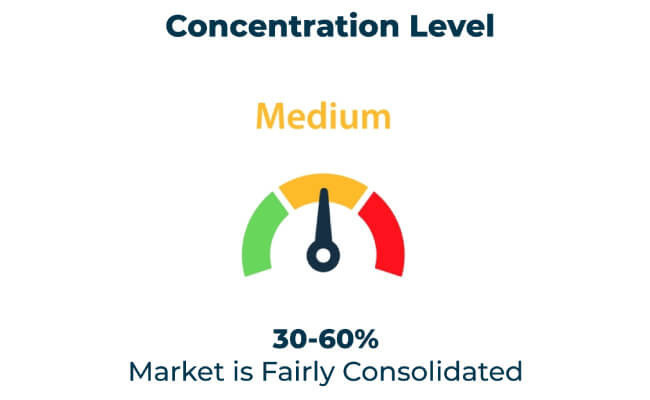
Market Concentration (2025E)
Segment Analysis
Powering Success in Leading Industries
The rotogravure printing machine industry serves multiple sectors where high-speed and high-quality printing are essential. Companies are developing advanced presses to meet the growing demand for durable and visually appealing prints.
- Flexible Packaging & Labels: Enhancing branding with high-definition, long-lasting prints.
- Publishing & Commercial Printing: Supporting high-volume magazine, catalog, and newspaper production.
- Decorative & Specialty Printing: Providing premium finishes for wallpaper, laminates, and security applications.
- Industrial & Automotive Applications: Enabling durable and functional printing on metalized films and technical substrates.
Vendor-Driven Product Categories
Manufacturers are optimizing rotogravure printing machines with enhanced automation, precision engineering, and eco-friendly features. They are integrating AI-powered real-time defect detection to improve print quality and minimize waste. Additionally, companies are developing solvent-free coatings to align with global sustainability standards.
- Hybrid & Digital-Integrated Rotogravure Machines: Combining traditional gravure with digital technologies.
- Energy-Efficient & Solvent-Free Printing Presses: Reducing environmental footprint while maintaining print quality.
- Servo-Driven & Automated Quick-Changeover Machines: Increasing production speed and reducing downtime.
- Compact & Modular Printing Presses: Offering space-saving solutions with high versatility.
Who Shaped the Year
Automation and sustainability are transforming the rotogravure printing sector. Businesses are applying AI-based defect detection, fast drying systems, and solventless ink formulations to make operations more efficient and emission-free. Organizations are implementing gravure presses with predictive maintenance and IoT-based monitoring to maximize performance. Manufacturers are adding hybrid gravure-digital machines to their portfolio to support variable-data and short-run print capabilities. Further, companies are adopting LED-UV curing technology for quicker drying and energy conservation.
Year-on-Year Leaders
- Bobst Group: Launched hybrid gravure presses with digital integration.
- Uteco Group: Developed solvent-free, high-speed gravure presses.
- Windmöller & Hölscher: Expanded intelligent web handling and defect detection systems.
- Cerutti Group: Innovated quick-changeover systems for enhanced productivity.
- Pelican Rotoflex: Strengthened high-precision, cost-efficient gravure printing solutions.
- Comexi: Introduced LED-UV drying systems for energy-efficient curing.
- Kohli Industries: Pioneered compact, modular rotogravure presses for flexible packaging.
Recommendations for Technology Suppliers
Technology suppliers should focus on automation, digital integration, and eco-friendly innovations to support the evolving rotogravure printing market. Partnering with packaging, publishing, and decorative printing companies will accelerate adoption and market expansion.
- Sustainability Trends: Develop solvent-free, water-based, and biodegradable ink-compatible coatings.
- Automation & Efficiency: Improve production with AI-driven defect detection and predictive maintenance.
- Customization & Scalability: Offer modular and high-speed printing solutions for variable run lengths.
- Regional Growth Dynamics: North America and Europe lead in sustainability, while Asia-Pacific drives cost-effective manufacturing.
Tier-Wise Vendor Classification (2025)
| Tier Type | Example of Key Players |
|---|---|
| Tier 1 | Bobst Group, Uteco Group, Windmöller & Hölscher |
| Tier 2 | Cerutti Group, Pelican Rotoflex, Comexi |
| Tier 3 | Kohli Industries, Shaanxi Beiren, Rotatek, Fuji Kikai |

Key Company Initiatives
Leading manufacturers are advancing rotogravure printing technology with AI-powered quality control, sustainable ink solutions, and high-performance automation. They are developing high-speed presses with improved ink transfer efficiency to enhance print clarity. Additionally, manufacturers are incorporating low-energy curing systems to reduce operational costs and environmental impact.
| Manufacturer | Latest Developments |
|---|---|
| Bobst Group | Launched hybrid gravure presses with digital integration in March 2024. |
| Uteco Group | Developed solvent-free, high-speed gravure presses in April 2024. |
| Windmöller & Hölscher | Expanded intelligent web handling and defect detection systems in May 2024. |
| Cerutti Group | Innovated quick-changeover systems for enhanced productivity in June 2024. |
| Pelican Rotoflex | Strengthened high-precision, cost-efficient gravure printing solutions in July 2024. |
| Comexi | Introduced LED-UV drying systems for energy-efficient curing in August 2024. |
| Kohli Industries | Pioneered compact, modular rotogravure presses for flexible packaging in September 2024. |
Vendor Insights
The rotogravure printing machine market is evolving as companies invest in automation, hybrid printing technologies, and sustainable manufacturing practices. They are enhancing press efficiency by integrating AI-driven predictive maintenance systems. Additionally, manufacturers are optimizing energy consumption with high-speed drying and LED-UV curing solutions.
- Bobst Group leads in hybrid gravure presses with digital integration.
- Uteco Group pioneers solvent-free, high-speed gravure printing solutions.
- Windmöller & Hölscher enhances intelligent web handling and defect detection.
- Cerutti Group develops quick-changeover systems for increased productivity.
- Pelican Rotoflex specializes in high-precision, cost-efficient gravure printing.
- Comexi innovates LED-UV drying systems for energy-efficient curing.
- Kohli Industries advances compact, modular rotogravure presses for flexible packaging.
Future Roadmap
Manufacturers will continue integrating AI-driven quality control, solvent-free inks, and high-speed automation. Companies will refine hybrid gravure-digital printing solutions for enhanced customization. Businesses will develop ultra-thin, high-precision engraving rollers to improve print clarity while reducing material waste. Firms will expand predictive maintenance capabilities to minimize downtime. Smart packaging applications will drive the adoption of RFID-printed electronics within gravure technology. Additionally, manufacturers will focus on LED-UV curing to enhance print durability and reduce energy consumption.
Frequently Asked Questions
Who are the key manufacturers in the rotogravure printing machine market?
Leading players include Bobst Group, Uteco Group, Windmöller & Hölscher, Cerutti Group, Pelican Rotoflex, Comexi, and Kohli Industries.
What is the market share of the top 3 players?
The top 3 players collectively control 15% of the global market.
How is market concentration assessed for 2025?
The market shows medium concentration, with top players holding 35%.
What factors drive innovation in this market?
Key drivers include sustainability, automation, hybrid printing technology, and high-speed efficiency.
Preview the report firsthand - request a free sample
Get SampleGet the brochure for pricing and purchase details.
Get PDFTable of Content
- Executive Summary
- Market Overview
- Key Growth Drivers
- Company Performance
- Market Concentration
- Segment Analysis
- Key Highlights from the Forecast
- Tier-Wise Company Classification
- Key Company Initiatives
- Recommendations for Technology Suppliers
- Future Roadmap
- FAQs


