


Key Takeaways
- Multi-year procurement cycles spanning 5-15 years create pricing structures balancing upfront development recovery with lifecycle sustainment revenue
- Contract type selection between fixed-price, cost-plus, and IDIQ frameworks shifts 15-40% of program financial risk between government buyers and defense contractors
- MIL-STD compliance, cybersecurity certification, and export control overhead add 18-30% to base hardware manufacturing costs
- Lifecycle cost models incorporating 20-30 year sustainment requirements can represent 60-70% of total program value beyond initial equipment procurement
- Large defense OEMs report 12-18% EBITDA margins on tactical communication hardware rising to 20-28% on sustainment and integration services
Why Does Procurement Structure Matter in Defence Communication Pricing?
Price in defence communication systems is the translation of multi-year procurement cycles, contract structures, compliance mandates and modernization requirements into highly variable ex-factory and program-level pricing bands. Unlike commercial communication equipment where market competition and rapid technology cycles drive pricing, defence communication systems operate within government procurement frameworks spanning years from requirement definition through competitive tendering, contract award, development, production, delivery, and decades of sustainment.
Procurement cycles and modernization programs including USA Joint All-Domain Command and Control (JADC2), India's tactical communication network modernization, NATO Federated Mission Networking, and similar initiatives across allied nations create lumpy demand patterns where major contract awards trigger multi-year revenue streams followed by sustainment phases.
Contract models fundamentally shape pricing risk allocation between government buyers and defence contractors. Fixed-price contracts transfer cost overrun risk to contractors, requiring pricing buffers for development uncertainty, supply chain disruption, and requirement changes. Cost-plus contracts with fee structures allow contractors to recover actual costs plus negotiated margins, reducing contractor risk but potentially weakening cost discipline.
Indefinite Delivery Indefinite Quantity (IDIQ) framework agreements establish ceiling values and unit pricing for equipment deliveries across multiple years without firm quantity commitments, creating revenue uncertainty while providing rapid procurement mechanisms. Multi-year contracting enables production efficiency and supplier stability while requiring government budget commitment across fiscal years.
Indirect cost drivers including supplier qualification requirements, extensive testing protocols, cybersecurity compliance verification, MIL-STD environmental and electromagnetic compatibility standards, and export control administration establish cost floors below which contractors cannot profitably participate.
These compliance investments create barriers to entry favoring established defense contractors with proven qualification status, testing infrastructure, and security clearances over new entrants or commercial technology companies lacking defence heritage. Qualification costs for new suppliers entering tactical radio or SATCOM programs can reach USD 5 million to USD 25 million spanning facility certifications, personnel security clearances, quality management system audits, and prototype testing before any production revenue materializes.
Budget allocation patterns and national procurement priorities influence contractor pricing power substantially. USA Department of Defense budget growth supporting modernization initiatives strengthens contractor negotiating leverage, while European defence spending increases following geopolitical tensions enable expanded communication system procurement. However, budget constraints force program delays, quantity reductions, or cancellations that strand contractor investments in development and production capacity.
India's Defence Acquisition Procedure (DAP) 2020 emphasizing indigenous production and offset requirements reshapes pricing dynamics as foreign OEMs partner with local integrators, splitting program value and requiring technology transfer investments. The interplay between procurement frameworks, contract structures, compliance requirements, and budget cycles creates complex pricing architectures where program-level economics often matter more than unit-level hardware costs.
How Do Procurement Frameworks and Modernization Priorities Shape Demand?
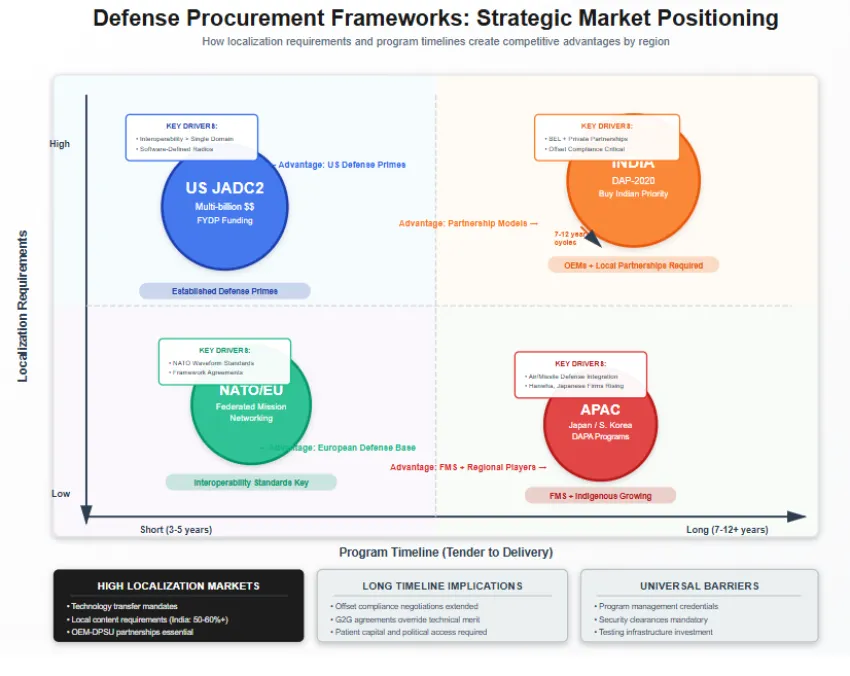
USA Joint All-Domain Command and Control (JADC2) modernization represents the most ambitious defence communication transformation globally, aiming to network sensors, shooters, and command systems across air, land, sea, space, and cyber domains. According to USA DoD budget documents, JADC2-related investments span multiple program elements across service branches with multi-billion dollar allocations over the Future Years Defense Program (FYDP) period.
JADC2 requirements favor software-defined radios with waveform agility, resilient SATCOM terminals supporting protected communications, and network integration capabilities enabling cross-domain information sharing. These modernization priorities drive demand toward interoperable systems meeting strict cybersecurity standards rather than optimized single-domain solutions.
India's tactical communication network modernization under various programs including tactical communication systems for infantry, armored formations, and special forces emphasizes indigenous development through Defence Public Sector Undertakings like Bharat Electronics Limited (BEL) and private sector partnerships.
India MoD procurement guidelines under DAP-2020 prioritize Buy Indian (IDDM) and Buy Indian categories, reshaping supplier landscapes as international OEMs including Thales, Elbit Systems, and L3Harris establish local partnerships and technology transfer arrangements. Program timelines extending 7-12 years from tender through delivery create long sales cycles where supplier selection often depends on offset compliance, local content commitments, and government-to-government agreements beyond pure technical and price evaluation.
How Do Contracting Models Affect Cost Structure and Risk Allocation?
Fixed-price contracts transfer development and production cost risk to defence contractors, requiring detailed work breakdown structures, risk buffers in pricing, and disciplined program management to protect margins. According to disclosed program data, fixed-price development contracts for complex defence communication systems typically include 8-15% risk margins above estimated costs to cover technical challenges, requirement clarifications, and supply chain uncertainties.
Contractors accept fixed-price structures when technology maturity reduces development risk, production volumes enable manufacturing learning curves, and requirement stability prevents scope creep. Fixed-price production contracts for mature tactical radio platforms or SATCOM terminals enable competitive pricing as contractors optimize manufacturing efficiency and supply chain costs without renegotiation provisions.
Cost-plus contracts with award fees or incentive fees allow contractors to recover actual costs plus negotiated fee percentages, typically ranging 6-12% for development programs and 4-8% for production depending on technical complexity and contractor past performance. Government buyers prefer cost-plus structures for high-risk development programs where requirement uncertainty, technology immaturity, or integration complexity makes fixed-price contracting impractical.
Contractors favor cost-plus arrangements for reducing financial risk though face pressure for cost discipline and delivery performance to earn maximum fee awards. Hybrid contract structures blend fixed-price work packages for mature subsystems with cost-plus elements for developmental components, balancing risk allocation.
Indefinite Delivery Indefinite Quantity (IDIQ) framework agreements establish contract ceilings, unit pricing or pricing methodologies, and delivery terms over multi-year periods without firm quantity commitments. USA DoD frequently uses IDIQ structures for communication equipment enabling rapid procurement responses to operational requirements without full competitive procurements for each order.
IDIQ contractors accept revenue uncertainty in exchange for favored positioning during the contract period, though minimum purchase guarantees typically ensure baseline recovery of qualification investments. Task order competitions within IDIQ frameworks create ongoing price pressure as multiple qualified contractors compete for individual delivery orders.
Single-vendor procurements occur when proprietary technology, security classification, or prior program commitments limit competition, strengthening contractor pricing leverage but attracting government cost scrutiny and should-cost analyses. Competitive bidding with multiple qualified suppliers drives aggressive pricing, particularly for mature tactical radio platforms where differentiation narrows and price becomes dominant evaluation factor.
Each contracting model shifts margin expectations, with fixed-price development enabling 10-15% margins for successful execution, cost-plus programs delivering 6-10% margins, and sustainment contracts potentially achieving 15-25% margins given lower risk and technical complexity.
How Future Market Insights Can Help
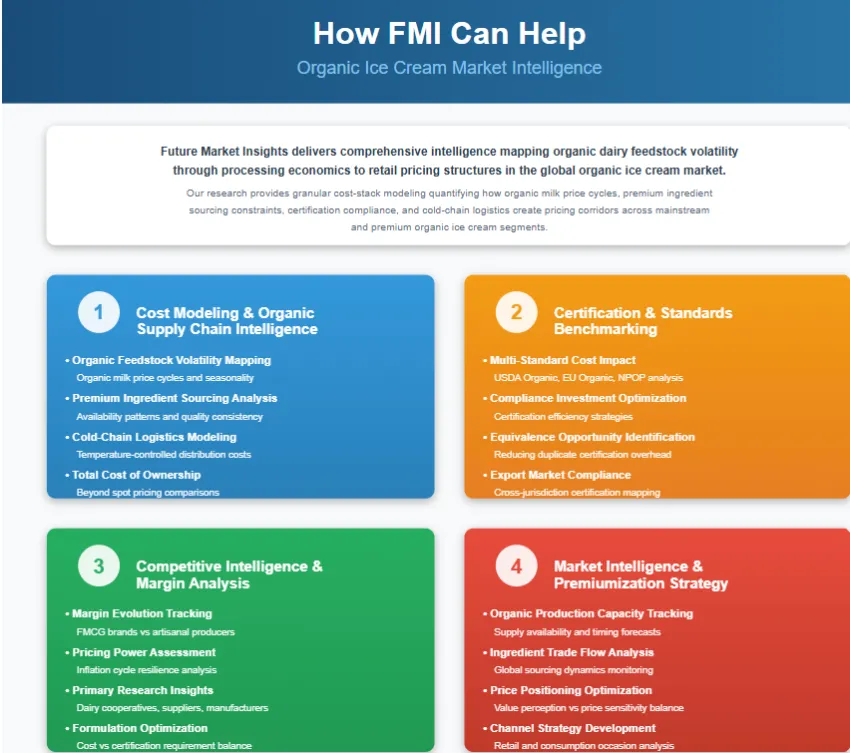
Future Market Insights provides comprehensive intelligence mapping procurement frameworks through contract execution to lifecycle sustainment economics in the global defence communication system market. Our research delivers granular modeling of procurement-driven pricing waterfalls, quantifying how multi-year contract structures, compliance requirements, testing protocols, and sustainment obligations create total program value distributions across equipment supply, integration services, and lifecycle support.
We help defence OEMs and system integrators evaluate contracting model risk exposure, comparing fixed-price, cost-plus, and IDIQ approaches across different program types, customer nations, and technology maturity levels to optimize margin potential while managing execution risk.
Our analytical framework benchmarks supplier margin profiles across prime contractors, subsystem providers, and regional integrators, identifying which business models and product categories maintain pricing power during budget cycles and which face compression from competitive intensity or government cost scrutiny.
Through primary research with defence contractors, government procurement officials, and alliance standardization bodies, we provide market intelligence on modernization program timelines, procurement procedure evolution, offset requirement trends, and technology transfer expectations shaping program economics. We track budget allocation patterns across USA DoD, NATO members, and Indo-Pacific allies, enabling clients to anticipate procurement cycles, prioritize business development investments, and position capabilities aligned with emerging requirements.
FMI's proprietary databases track contract awards, program announcements, and technology insertion cycles across global defence communication markets, enabling clients to assess competitive positioning, evaluate partnership opportunities, and benchmark program-level pricing against disclosed contract values.
Our procurement regime analysis compares acquisition frameworks, contracting preferences, and industrial participation requirements across different nations, informing market entry strategies and channel partner selection. Contact our aerospace and defence research team for customized procurement cycle modeling, margin corridor analysis, and competitive positioning strategy supporting your defence communication system business initiatives.
Sources
- USA Department of Defense Future Years Defense Program budget documents and contract award announcements for tactical communication system allocations and program values
- UK Ministry of Defence Equipment Plan and NATO defence expenditure publications for European defence communication procurement trends
- India Ministry of Defence Defence Acquisition Procedure 2020 and capital acquisition budget documents for indigenous procurement framework requirements
- SEC filings including 10-K and 20-F annual reports from L3Harris Technologies, Thales Group, Elbit Systems, BAE Systems, and RTX Corporation for segment margins and operational disclosures
- Defence industry publications including Defense News, Breaking Defense, and Janes Defence for program announcements, contract awards, and modernization initiative coverage

