

- Industry Size (2025)
- USD 1942.1 Mn
Allergy Immunotherapy Market Size and Share Forecast Outlook 2035
The global allergy immunotherapy market consists of multinational pharmaceutical companies, regional healthcare providers, biotechnology firms, and specialty immunotherapy developers.
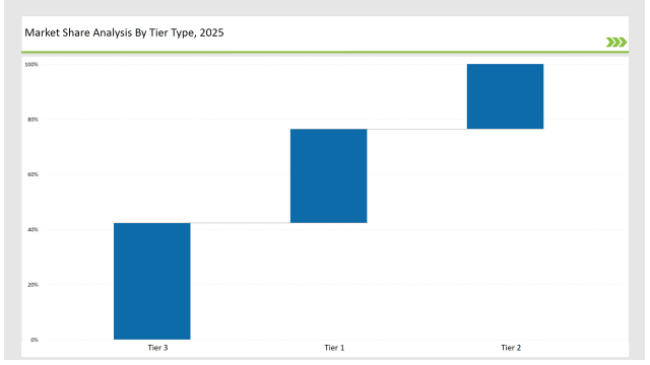
The market is primarily dominated by leading pharmaceutical companies such as ALK Abello, Stallergenes Greer and Allergy Therapeutics, which collectively hold approximately 34.1% of the market. These companies focus on advanced immunotherapy formulations, precision-targeted allergens, and innovative drug delivery mechanisms.
Regional companies like Anergis, DBV Technologies, Dermapharm Holdings, and others contribute to a regional market share of about 42.3%, offering cost-effective solutions along with some niche allergy treatments.
With new and established pure pharmaceutical companies or biotechnology businesses involved, allergy immunotherapy exhibits a highly competitive market that accelerates innovation, consequently driving this market.
Market participants are working to enhance standards for allergenic extracts, focus on technological enhancement, and adopt novel formulations that help in further therapies, like subcutaneous immunotherapy or SLIT. The rigid regulatory compliances laid by the FDA, EMA, and the Paul Ehrlich Institute invite a great degree of investments into clinical trials for product safety and efficacy standardizations.
Therefore, the competitive strategies involved in this market broadly include product differentiation, innovation related to research, and geographical expansion. Thus, Tier 1 companies hold an uptight lead in the global market owing to their well-established portfolios of FDA and EMA-approved SLIT tablets and SCIT formulations.
Tier 2 and regional players are now eyeing cost-effective solutions for the emerging markets, where affordability and accessibility are reckoned as the prime growth drivers.
Detailed Share Analysis of the Allergy Immunotherapy Market
Global Market Share & Industry Share (%)
| Global Market Share 2025 | Industry Share (%) |
|---|---|
| Top 3 (ALK Abello, Stallergenes Greer and Allergy Therapeutics) | 34.1% |
| Rest of Top 5 (ALK Abello, Stallergenes Greer and Allergy Therapeutics, HAL Allergy Group and Biomay AG) | 56.3% |
| Emerging & Regional Players | 14.5% |
Market Concentration Assessment in the Allergy Immunotherapy Sector
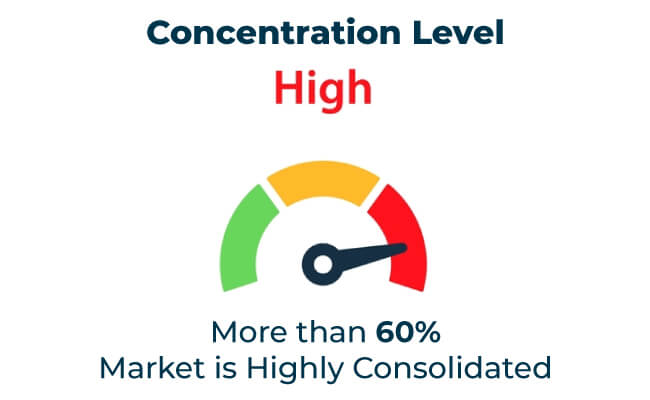
The market is highly concentrated with Top Players collectively holds around 60.8%.
Top Segments Studied in the Allergy Immunotherapy Market Outlook
Product Categories
The allergy immunotherapy market can be segmented based on sublingual immunotherapy tablets, including Odactra, Grastek, Ragwitek, Oralair, and Actair, apart from oral and injections.
Since these are easily administered, non-invasive in nature, and have a good patient compliance record, SLIT tablets are thus an emerging segment. These sublingual formulations are effective and long-lasting to treat respiratory allergies and are securing regulatory approvals all over the world.
Injectable immunotherapy comprises subcutaneous allergy shots that dominate the market share at 66.3%. While requiring frequent administration, these injections remain a highly effective treatment for severe allergies, offering long-term desensitization and symptom reduction.
Continuous advancements in formulation and delivery methods are improving patient compliance and treatment outcomes, further solidifying injectable immunotherapy as a key segment in allergy management.
Immunotherapy Types
The market is further classified based on immunotherapy type:
- Sublingual Immunotherapy (SLIT): SLIT is mainly known for its ease and comfort due to the fact that patients are able to perform the treatment by themselves at home and without the hassle of constant clinic visits. Convenience, therefore, greatly improves compliance and long-term adherence by patients to lighten the burden brought on by injections. Additionally, SLIT has shown an extremely favorable safety profile; fewer adverse reactions are seen as compared to conventional subcutaneous immunotherapy. Its non-invasive nature makes it particularly appealing for pediatric and needle-averse patients, increasing accessibility to allergy immunotherapy.
- Subcutaneous Immunotherapy (SCIT): SCIT has been clinically proven to give sustained relief, thus being the best option for patients with severe or persistent allergies. Though its course requires frequent visits to clinics for injections, its long-term benefits outweigh the inconvenience. The ongoing development of new formulations and methods of administration improves efficacy, safety, and patient compliance of SCIT.
- Specific Immunotherapy (SIT): Specific immunotherapy applies specific desensitization methods to the individual allergens of the patient, training the immune system to gradually tolerate specific triggers.
Indications
Allergy immunotherapy treatments cater to multiple allergic conditions:
- Allergic Asthma: The main solution of immunotherapy is the decrease in the characteristic respiratory inflammation and hypersensitivity that occur with allergic asthma. In fact, the treatments are proved to lessen the airway reactivity gradually, desensitize the immune system from allergens, evade critical asthma attacks, and show improved lung functions over time.
Year-on-Year Leaders in the Allergy Immunotherapy Market
2024 has been a year of transformation in the allergy immunotherapy market, wherein leading companies furthered precision immunotherapy and newer modes of treatment:
- ALK-Abelló (SLIT-based Therapies): With its development in SLIT-based allergy therapies, ALK-Abelló has extended the portfolio of patient-friendly tablets to a variety of allergens. The company worked on increasing compliance with treatments due to innovative development of drug formulations and education programs for patients. With approvals in all major regulatory markets, ALK-Abelló expedited SLIT as the mainstream solution for allergy immunotherapy. Furthermore, it is investing in research to develop the efficacy of its SLIT products for newer allergens, with better results in desensitization. With strategic partners and market coverage, ALK-Abelló is set to continue pushing the boundaries within allergy immunotherapy, ensuring accessibility and improving treatment experiences across different parts of the world.
- Stallergenes Greer (Personalized Allergy Treatments): With its precision immunotherapy solutions, Stallergenes Greer pioneers allergen formulations to match patient-specific sensitization and enhances research in personalized desensitization techniques. The company is enhancing efficacy and safety with advanced diagnostics and molecular profiling. Furthermore, the company is extending clinical trials to validate long-term benefits that will ensure wider adoption of tailored allergy therapies.
Key Highlights from the Allergy Immunotherapy Market Forecast
Rise of SLIT Therapies
The growing patient preference for sublingual immunotherapy (SLIT) tablets is driven by their ease of administration, reduced side effects, and ability to be taken at home.
These tablets eliminate the need for frequent clinic visits, making them a convenient alternative to allergy shots. SLIT is particularly appealing to pediatric and needle-averse patients, as it offers a non-invasive way to build tolerance to allergens over time. Additionally, SLIT has demonstrated a strong safety profile, with fewer severe reactions compared to subcutaneous immunotherapy.
Expansion of Oral Immunotherapy for Food Allergies
Oral immunotherapies for life-threatening food allergies see a rapid rise in use due to their potential induction of long-term tolerance against such allergens.
These function by exposing patients in a controlled manner to doses of allergens, which are strengthening immune resistance and thereby reducing adverse reactions. Clinical trials have realized tremendous success in desensitizing patients, reducing the risk of anaphylaxis, and improving safety profiles.
As more regulatory approvals are gained and access to innovative oral treatments like Palforzia increases, more sufferers from food allergy can be treated effectively with long-term training of the immune system. With their growing use, these therapies are transforming food allergy management and improving the quality of life in patients.
Tier-Wise Company Classification in the Allergy Immunotherapy Market in 2025
| By Tier Type | Example of Key Players |
|---|---|
| Tier 1 | ALK Abello, Stallergenes Greer, Allergy Therapeutics |
| Tier 2 | HAL Allergy Group, Biomay AG, HollisterStier Allery and Desentum OY |
| Tier 3 | Emerging biotech firms and specialty providers |
Key Company Initiatives in the Allergy Immunotherapy Landscape
| Brand | Key Focus |
|---|---|
| ALK-Abelló | Expanding SLIT therapy portfolio and enhancing regulatory approvals. |
| Stallergenes Greer | Advancing personalized allergy immunotherapy solutions. |
| LETI Pharma | Improving biologic standardization of allergen extracts. |
| Allergy Therapeutics | Developing next-generation injectable immunotherapy. |
| HollisterStier | Investing in biologic allergy treatment innovations. |
Strategic Advice for Stakeholders in the Allergy Immunotherapy Industry
- Investment in Biologic Immunotherapy: Further research in biologic immunotherapy using monoclonal antibodies would better target highly specific immune pathways responsible for the allergic reaction, reduce adverse effects, and enhance long-term tolerance to offer effective and personalized immunotherapeutic solutions for patients. Currently, ongoing clinical trials and some approvals by the regulatory authorities push forward the frontiers of using such advanced biologic treatments in allergy care.
- Digitalization and Telehealth Integration: Improvement of e-commerce sales and virtual consultations for easy access by allowing the fulfillment of the prescription remotely, assessment of allergy digitally, and real-time consultation. These developments improve patient engagement, timely treatment, and wider market access for the solutions of allergy immunotherapy.
- Multi-Allergen Immunotherapy Development: Innovating combination immunotherapy solutions that simultaneously target multiple allergens is enhancing treatment efficiency, reducing overall therapy duration, and improving patient compliance. These advancements provide broader desensitization, ensuring long-term relief and personalized allergy treatment options.
- Expansion into Emerging Markets: Expanding into high-growth regions by forming strategic partnerships, securing regulatory approvals, and improving access to allergy immunotherapy solutions. Strengthening local collaborations enhances market penetration, ensuring wider availability of advanced allergy treatments to underserved populations.
Future Roadmap for the Allergy Immunotherapy Market
- AI-Powered Allergy Diagnosis: Artificial intelligence-driven diagnostic tools are transforming allergy care by enhancing identification accuracy and enabling personalized treatment plans. AI-powered systems analyze vast patient data, detect patterns in allergic responses, and predict treatment efficacy. These innovations streamline diagnostics, reduce misdiagnosis rates, and support physicians in tailoring immunotherapy solutions for improved patient outcomes and long-term relief.
- Sustainable Allergen Manufacturing: Ongoing research into eco-friendly production of allergen extracts is optimizing supply chain sustainability by reducing environmental impact, enhancing extraction efficiency, and minimizing waste. Innovations in green chemistry and biodegradable materials are making allergen production more sustainable, ensuring long-term industry growth while maintaining high safety and efficacy standards in immunotherapy solutions.
- Oral Immunotherapy Advancements: Expanding oral-based treatments for complex allergies, improving patient adherence and long-term desensitization success.
Top Segments Studied in the Allergy Immunotherapy Market Outlook
By Product Categories:
- Sublingual Immunotherapy (SLIT)
- Injectable Immunotherapy (IIT)
By Immunotherapy Types:
- Sublingual Immunotherapy (SLIT)
- Subcutaneous Immunotherapy (SCIT)
- Specific Immunotherapy (SIT)
By Indications:
- Allergic Asthma
Frequently Asked Questions
Which Companies hold significant share in the Allergy Immunotherapy market?
ALK Abello, Stallergenes Greer, and Allergy Therapeutics command about 34.1% share in the global market.
What was the worth of the Allergy Immunotherapy market in 2025?
The global Allergy Immunotherapy market represents a sale of USD 1,942.1 million in 2025.
How much share does regional and domestic companies hold in the market?
Regional and domestic companies hold nearly 14.5% of the overall market.
Which product type offering significant growth potential to market players?
SLIT tablets offering significant growth prospects to market players.
Preview the report firsthand - request a free sample
Get SampleGet the brochure for pricing and purchase details.
Get PDFTable of Content
- Competition Analysis Outlook
- Detailed Market Share Analysis
- Segmental Analysis
- Year over Year Leaders
- Highlights from the Forecast
- Tier Wise Industry Classification
- Key Company Initiatives
- Recommendation for Suppliers
- Future Roadmap


