

Aluminum Cans Market Share Analysis Outlook (2025 to 2035)
The aluminum cans market is witnessing steady growth due to the increasing demand for lightweight, recyclable, and sustainable packaging solutions in industries such as beverages, food, and personal care. Key drivers include advancements in recycling technologies, increasing consumer preference for eco-friendly packaging, and regulatory support for sustainable materials.
Manufacturers are focusing on lightweight designs, enhanced recyclability, and innovative printing solutions to meet branding needs. Collaborations with beverage companies, food manufacturers, and personal care brands further propel market growth.
SWOT Analysis of the Top Key Players
Summary
This analysis outlines the positioning of major players in the aluminum cans market. Ball Corporation leads with innovative and sustainable solutions but faces challenges with rising material costs. Crown Holdings excels in custom designs and branding but struggles with regional competition. Ardagh Group focuses on recyclable and lightweight materials but encounters challenges in scaling production. Opportunities lie in leveraging sustainability and expanding into emerging markets, while threats include regulatory changes and fluctuations in raw material prices.
Ball Corporation
Ball Corporation demonstrates strengths in its innovative use of recyclable materials and advanced production technologies. However, weaknesses lie in the rising costs of aluminum and energy. Opportunities include partnerships with global beverage brands to expand eco-friendly packaging solutions. Threats arise from increasing competition and evolving regulatory landscapes.
Crown Holdings
Crown Holdings is known for its customizable aluminum can designs tailored for beverage and food industries. However, the company faces challenges due to regional competition and material costs. Automation and material advancements can reduce costs and increase efficiency. Threats include stricter environmental regulations and competition from alternative packaging solutions.
Ardagh Group
Ardagh Group’s strengths lie in its focus on lightweight, recyclable packaging materials. However, its weaknesses include scalability challenges in emerging markets. Opportunities exist in expanding partnerships with sustainability-focused brands. Threats stem from rising competition and regulatory compliance costs.
Market Share & Industry Share (%)
| Category | Market Share (%) |
|---|---|
| Top 3 Players (Ball Corporation, Crown Holdings, Ardagh Group) | 18% |
| Rest of Top 5 Players | 07% |
| Next 5 of Top 10 Players | 11% |
| Remaining Players | 2% |
Type of Player & Industry Share (%)
| Type of Player | Market Share (%) |
|---|---|
| Top 10 Players | 38% |
| Next 20 Players | 26% |
| Remaining Players | 36% |
Market Concentration
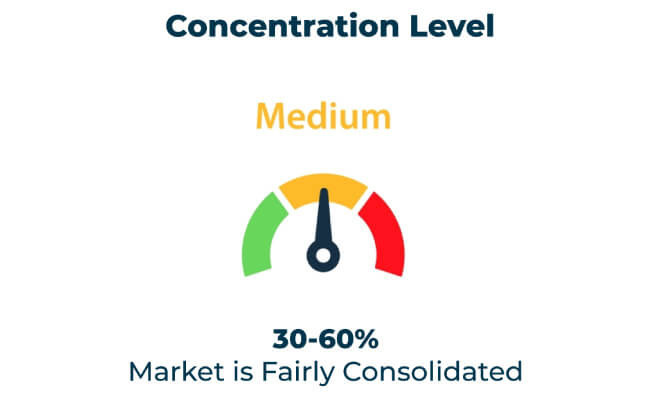
Year-on-Year Leaders
- Ball Corporation: Pioneers in sustainable and innovative aluminum can solutions.
- Crown Holdings: Excels in customizable and branded designs.
- Ardagh Group: Innovates with lightweight and recyclable materials.
Emerging Technology in Aluminum Cans Market
- Recyclable Coatings: Development of eco-friendly interior and exterior coatings.
- Lightweight Alloys: Enhanced material formulations to reduce weight and maintain durability.
- Advanced Printing Technologies: High-definition printing for improved branding and consumer engagement.
- Smart Packaging: Integration of QR codes and temperature indicators for enhanced functionality.
Sustainability Trends
- Recyclable Materials: Increasing adoption of 100% recyclable aluminum.
- Circular Economy Models: Emphasis on closed-loop recycling systems.
- Energy-Efficient Production: Optimizing processes to reduce emissions.
- Plastic Replacement: Aluminum cans replacing plastic in beverage and food packaging.
Consumer Trends
- Eco-Friendly Choices: Growing preference for sustainable and recyclable packaging.
- Premium Designs: Demand for visually appealing and branded cans.
- On-the-Go Consumption: Rising popularity of lightweight, portable packaging.
- Functional Innovations: Interest in resealable and tamper-evident designs.
Regulatory Insights
North America and Europe enforce stringent regulations promoting the use of sustainable and recyclable materials. Asia-Pacific’s rapid industrialization and increasing consumer awareness of sustainability create significant opportunities.
Export Opportunities
Emerging markets in Africa, South America, and parts of Asia-Pacific present significant growth potential. Affordable and durable aluminum cans are in demand to meet regulatory and consumer expectations.
Obstacles and Possibilities
Obstacles
- High Costs: Rising costs of aluminum and energy.
- Inconsistent Regulations: Variation in global sustainability standards.
- Recycling Infrastructure: Limited facilities in underdeveloped regions.
Possibilities
- Material Innovations: Development of lightweight and cost-effective alloys.
- Strategic Partnerships: Collaborations with beverage and food manufacturers.
- Sustainability Goals: Increasing demand for green solutions drives innovation.
Market Environment
In-House vs. Contract Manufacturing
- In-House Manufacturing: Provides control over quality and innovation for top-tier players.
- Contract Manufacturing: Offers scalability and cost efficiency for smaller brands.
Regional Analysis
Summary
Regional dynamics shape the aluminum cans market. North America leads with sustainability and branding innovations. Europe emphasizes lightweight and eco-friendly solutions, while Asia-Pacific’s growing beverage market drives demand. Emerging markets offer opportunities for affordable and durable solutions.
| Region | North America |
|---|---|
| Market Share (%) | 35% |
| Key Drivers | Advanced recycling and branding innovations. |
| Region | Europe |
|---|---|
| Market Share (%) | 30% |
| Key Drivers | Focus on eco-friendly and lightweight designs. |
| Region | Asia-Pacific |
|---|---|
| Market Share (%) | 25% |
| Key Drivers | Growing beverage and industrial sectors. |
| Region | Other Regions |
|---|---|
| Market Share (%) | 10% |
| Key Drivers | Growth in emerging markets. |
End-Use Industry Segmentation
- Beverages: High demand for carbonated drinks, juices, and water.
- Food: Adoption for canned soups, vegetables, and ready-to-eat meals.
- Personal Care: Use in aerosol sprays and other consumer products.
- Industrial: Packaging for lubricants, chemicals, and specialty products.
Recommendations for Technology Suppliers
- Invest in Sustainability: Develop recyclable and lightweight materials.
- Focus on Advanced Printing: Enhance branding capabilities with high-definition printing.
- Customization Capabilities: Offer tailored designs for industry-specific needs.
Future Roadmap
The aluminum cans market will expand through material innovations, automation, and strategic collaborations. Companies focusing on lightweight, sustainable, and customizable solutions will gain a competitive edge. Investment in recycling infrastructure will accelerate adoption.
Market KPIs
- Sustainability Metrics: Track adoption of recyclable and energy-efficient materials.
- Regional Growth Rates: Monitor market expansion in emerging regions.
- Technology Integration: Measure advancements in lightweight alloys and printing.
Who Shaped the Year
- Ball Corporation: Led with sustainable and innovative aluminum can solutions.
- Crown Holdings: Delivered customizable and branded designs.
- Ardagh Group: Focused on lightweight and recyclable technologies.
Tier Structure of Key Companies
| Tier | Key Companies |
|---|---|
| Tier 1 | Ball Corporation, Crown Holdings, Ardagh Group |
| Tier 2 | Canpack, Silgan Holdings |
| Tier 3 | CPMC Holdings, Toyo Seikan |
Key Vendor Initiatives
- Ball Corporation: Expanded sustainable aluminum can offerings.
- Crown Holdings: Invested in advanced printing and customization.
- Ardagh Group: Partnered with food and beverage brands for eco-friendly solutions.
Conclusion
The aluminum cans market is poised for steady growth, driven by sustainability goals, consumer preferences for recyclable solutions, and advancements in material and branding technologies. Companies prioritizing eco-friendly designs and strategic partnerships will secure leadership in this evolving market.
Appendix
Key Definitions
- Aluminum Cans: Lightweight and recyclable packaging solutions made primarily of aluminum, used across industries.
- Smart Packaging: Integration of technology such as QR codes and temperature indicators for functionality.
Abbreviations
- CAGR: Compound Annual Growth Rate.
Research Methodology
This report is based on primary research, secondary data analysis, and market modeling. Insights were validated through industry expert consultations.
Market Definition
The aluminum cans market includes recyclable and customizable packaging solutions designed for beverages
Aluminum Cans Market Share Analysis Segmentation
By End-user:
- Beverages
- Food
- Personal Care
- Industrial
By Region:
- North America
- Europe
- Asia-Pacific
- Other Regions
Frequently Asked Questions
What drives growth in the aluminum cans market?
Increasing demand for sustainable, lightweight, and recyclable packaging solutions.
Who are the key players in this market?
Leading players include Ball Corporation, Crown Holdings, and Ardagh Group.
What challenges does the market face?
Key challenges include rising material costs, regulatory complexities, and limited recycling infrastructure in underdeveloped regions.
What are the opportunities for growth in this market?
Opportunities lie in advanced materials, automation, and collaborations with beverage and food manufacturers.
Preview the report firsthand - request a free sample
Get SampleGet the brochure for pricing and purchase details.
Get PDFTable of Content
- Executive Summary
- SWOT Analysis of the Top Key Players
- Market Size and Projection
- Global Market Share & Industry Share
- Year-on-Year Leaders
- Emerging Technology in Aluminum Cans Market
- Sustainability Trends
- Consumer Trends
- Regulatory Insights
- Export Opportunities
- Obstacles and Possibilities
- Market Environment
- Regional Analysis
- End-Use Industry Segmentation
- Recommendations for Technology Suppliers
- Future Roadmap
- Market KPIs
- Who Shaped the Year
- Tier Structure of Key Companies
- Key Vendor Initiatives
- Conclusion
- Appendix
- FAQs


