

- CAGR (2025 to 2035)
- 4.3%
Booklet Label Market Size and Share Analysis Forecast Outlook 2035
The booklet label market is gaining traction as industries prioritize multi-functional, durable, and sustainable labeling solutions for product communication and compliance. Manufacturers are introducing innovative designs, advanced printing technologies, and eco-friendly materials to serve the pharmaceutical, food, beverage, and chemical sectors. This market is projected to surpass USD 674.9 million by 2035, growing at a compound annual growth rate (CAGR) of 4.3%.
The increasing demand for product transparency, regulatory compliance, and consumer-friendly designs is driving global adoption of booklet labels. Companies are delivering solutions that enhance branding, functionality, and sustainability while meeting stringent industry standards.
| Attribute | Details |
|---|---|
| Projected Value by 2035 | USD 674.9 million |
| CAGR (2025 to 2035) | 4.3% |
SWOT Analysis of Key Players in the Booklet Label Market
Summary
The SWOT analysis explores the strengths, weaknesses, opportunities, and threats faced by leading players in the booklet label market. Companies like CCL Industries, Multi-Color Corporation, and Schreiner Group leverage innovation, sustainability initiatives, and robust manufacturing capabilities to sustain their leadership. Challenges include fluctuating raw material costs and evolving regulatory demands, creating opportunities for sustainable innovations and global market expansion.
CCL Industries
CCL Industries leads the market with its versatile and durable booklet label solutions. Its strength lies in its global presence and focus on advanced printing technologies. However, high production costs for premium labels pose a challenge. Opportunities include expanding eco-friendly product lines and penetrating emerging markets, while rising competition from regional players remains a threat.
Multi-Color Corporation
Multi-Color Corporation excels in delivering customizable and high-quality booklet labels. Its strong customer-centric approach and expertise in branding give it a competitive edge. However, limited presence in Asia-Pacific could restrict growth. Opportunities lie in developing biodegradable labels and scaling operations in high-demand regions, while fluctuating material costs could hinder profitability.
Schreiner Group
Schreiner Group is renowned for its precision-engineered booklet labels that cater to diverse industries. The company’s robust R&D capabilities and focus on sustainability make it a trusted name. However, premium pricing may limit its reach in cost-sensitive markets. Opportunities exist in the development of smart labels, while evolving regulatory standards pose challenges.
Market Share & Industry Share
| Category | Market Share (%) |
|---|---|
| Top 3 Players (CCL Industries, Multi-Color, Schreiner Group) | 15% |
| Rest of Top 5 Players (Avery Dennison, Skanem) | 8% |
| Next 5 of Top 10 Players | 5% |
Type of Player & Industry Share
| Type of Player | Market Share (%) |
|---|---|
| Top 10 Players | 28% |
| Next 20 Players | 42% |
| Remaining Players | 30% |
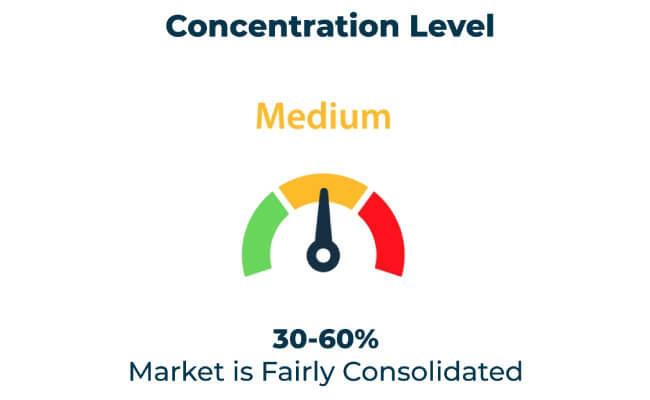
Market Concentration
Year-on-Year Leaders
- CCL Industries: Innovates with multi-functional, durable booklet labels.
- Multi-Color Corporation: Leads with customizable and high-quality solutions.
- Schreiner Group: Excels in precision-engineered and sustainable designs.
Emerging Technologies
- Smart Booklet Labels: Incorporate RFID tags and QR codes for enhanced tracking and consumer engagement.
- Eco-Friendly Printing: Use biodegradable inks and recyclable materials.
- Multi-Layer Designs: Maximize information space without increasing label size.
- Anti-Counterfeit Features: Enhance product security with tamper-proof technologies.
Sustainability Trends
- Recyclable Materials: Companies prioritize labels made from recyclable and renewable resources.
- Energy-Efficient Production: Manufacturers adopt sustainable practices to minimize carbon emissions.
- Compostable Labels: Introduce options that decompose naturally, reducing waste.
Consumer Trends
- Focus on Transparency: Brands use booklet labels to provide detailed product information.
- Demand for Sustainability: Eco-conscious consumers prioritize products with recyclable or biodegradable labels.
- Preference for Convenience: Booklet labels offering easy readability and enhanced usability gain popularity.
Regulatory Insights
North America enforces strict labeling regulations to ensure product safety and compliance, driving innovation in booklet labels. Europe leads with policies promoting sustainability and multi-lingual labeling solutions. Asia-Pacific is witnessing rapid growth due to increased adoption in the pharmaceutical and food industries, offering opportunities for tailored solutions.
Export Opportunities
Emerging markets in Asia-Pacific, Africa, and Latin America present significant growth potential. Expanding pharmaceutical and food production in these regions drives demand for high-quality booklet labels. Exporters focusing on compliance, sustainability, and multi-lingual designs can capitalize on these opportunities.
Obstacles and Opportunities
Obstacles
- High Material Costs: Advanced printing technologies and sustainable materials increase production expenses.
- Regulatory Complexity: Navigating diverse global standards can be challenging.
- Recycling Infrastructure Gaps: Limited facilities hinder the adoption of eco-friendly materials in some regions.
Opportunities
- Pharmaceutical Growth: Rising demand for detailed labeling in pharmaceuticals boosts adoption.
- Technological Advancements: Smart labels and anti-counterfeit technologies open new possibilities.
- Sustainability Initiatives: Eco-friendly designs attract environmentally conscious brands.
Market Context
In-House vs. Contract Packaging
- In-House Packaging: Allows companies to control label quality and customization, ideal for large-scale operations.
- Contract Packaging: Provides flexibility and reduces costs, benefiting smaller businesses or those with fluctuating demand.
Regional Analysis
Summary
The regional analysis of the booklet label market highlights diverse growth patterns shaped by sustainability goals, regulatory requirements, and technological advancements. Each region presents unique opportunities for manufacturers to align their offerings with local demands.
| Region | North America |
|---|---|
| Market Share (%) | 40% |
| Key Drivers | Focuses on compliance, branding, and eco-friendly solutions. |
| Region | Europe |
|---|---|
| Market Share (%) | 35% |
| Key Drivers | Leads with multi-lingual and sustainable labeling initiatives. |
| Region | Asia-Pacific |
|---|---|
| Market Share (%) | 20% |
| Key Drivers | Experiences rapid growth due to rising demand in pharmaceuticals and food. |
| Region | Other Regions |
|---|---|
| Market Share (%) | 5% |
| Key Drivers | Demand grows for affordable, durable solutions in emerging markets. |
End-User Segment Analysis
- Pharmaceutical Companies: Use booklet labels for detailed product and compliance information.
- Food and Beverage: Rely on labels to provide ingredient transparency and branding.
- Chemical Manufacturers: Adopt booklet labels for safety instructions and regulatory details.
- Consumer Goods: Use labels to enhance product appeal and communicate usage information.
Future Roadmap
The booklet label market will continue to grow through advancements in smart technologies, sustainable materials, and multi-functional designs. Companies focusing on customization, global market expansion, and compliance will solidify their market positions. Collaboration with regulators and end-users will further drive adoption.
Market KPI
- Regional Revenue Growth: Tracks performance in North America and Europe.
- Sustainability Metrics: Measures the adoption of recyclable and compostable labels.
- End-User Demand: Monitors demand across pharmaceuticals, food, and chemical industries.
Who Shaped the Year
- CCL Industries: Innovates with durable and multi-functional booklet labels.
- Multi-Color Corporation: Leads with customizable and sustainable designs.
- Schreiner Group: Focuses on precision and advanced printing technologies.
Tier-Wise Company Analysis
Summary
This section provides a detailed breakdown of the key players in the booklet label market by tier. Tier 1 companies like CCL Industries, Multi-Color Corporation, and Schreiner Group lead with innovative, eco-friendly solutions and strong global presence. Tier 2 and Tier 3 players focus on niche applications and regional dominance, offering opportunities for growth through innovation and sustainability.
| Tier | Key Companies |
|---|---|
| Tier 1 | CCL Industries, Multi-Color, Schreiner Group |
| Tier 2 | Avery Dennison, Skanem |
| Tier 3 | Reflex Labels, Faubel |
Key Vendor Initiatives
- CCL Industries: Develops eco-friendly, multi-layer labels for diverse industries.
- Multi-Color Corporation: Expands its portfolio with smart and recyclable designs.
- Schreiner Group: Focuses on security features and advanced printing technologies.
Conclusion
The booklet label market is positioned for steady growth as sustainability, compliance, and technological advancements drive demand. Companies prioritizing innovative designs, eco-friendly materials, and global expansion will lead the industry. Collaboration with stakeholders in pharmaceuticals, food, and consumer goods will unlock new opportunities.
Appendix
Key Definitions
- Booklet Labels: Multi-layered labels designed to provide extensive product information in a compact format.
- Smart Labels: Equipped with RFID or QR codes for tracking and consumer engagement.
- Eco-Friendly Labels: Made from recyclable or compostable materials to reduce environmental impact.
Abbreviations
- CAGR: Compound Annual Growth Rate
Methodology
This report integrates primary research, secondary data, and expert insights. Findings are validated through interviews with industry professionals and end-users to ensure accuracy and reliability.
Market Definition
The booklet label market includes the development and application of multi-functional labels designed to provide detailed information, enhance branding, and ensure compliance efficiently and sustainably.
Top Segments Studied in the Booklet Label Market Outlook
By End-User:
- Pharmaceutical Companies
- Food and Beverage
- Chemical Manufacturers
- Consumer Goods
By Region:
- North America
- Europe
- Asia-Pacific
- Other Regions
Frequently Asked Questions
What are booklet labels used for?
Booklet labels are used to provide detailed product information, compliance instructions, and branding in industries like pharmaceuticals, food, and chemicals.
How are booklet labels sustainable?
Manufacturers use recyclable and compostable materials, along with energy-efficient production methods to minimize environmental impact.
Which regions dominate the market?
North America and Europe lead due to advanced technologies and stringent compliance standards, while Asia-Pacific is rapidly growing.
What challenges do manufacturers face?
High material costs, regulatory complexities, and limited recycling infrastructure are key challenges in the booklet label market.
What advancements are shaping the market?
Smart labels, eco-friendly printing, and anti-counterfeit technologies are driving innovation in the booklet label market.
Preview the report firsthand - request a free sample
Get SampleGet the brochure for pricing and purchase details.
Get PDFTable of Content
- Executive Summary
- SWOT Analysis of Key Players
- Global Market Share & Industry Share
- Type of Player & Industry Share
- Market Concentration
- Year-on-Year Leaders
- Emerging Technologies
- Sustainability Trends
- Consumer Trends
- Regulatory Insights
- Export Opportunities
- Obstacles and Opportunities
- Market Context
- Regional Analysis
- End-User Industry Segments
- Future Roadmap
- Market KPI
- Who Shaped the Year
- Tier-Wise Company Analysis
- Key Vendor Initiatives
- Conclusion
- Appendix
- Methodology
- Market Definition
- FAQs


