

- Industry Size (2025)
- USD 298.6 Mn
- Forecast (2035)
- USD 487.5 Mn
- CAGR (2025 to 2035)
- 5.0%
Demand for Food Coating Ingredients in Japan Forecast and Outlook 2025 to 2035
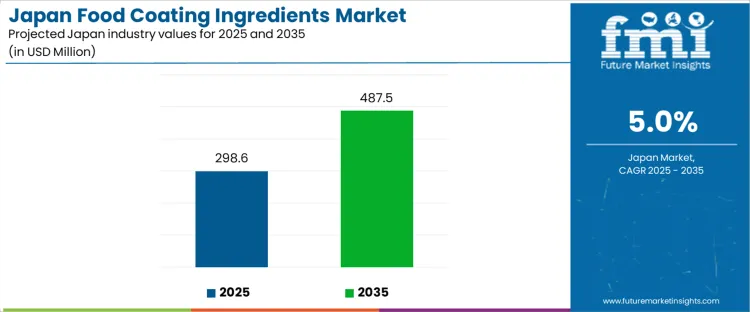
Demand for food coating ingredients in Japan is projected to grow from USD 298.6 million in 2025 to USD 487.5 million by 2035, reflecting a compound annual growth rate (CAGR) of 5%. Food coating ingredients are essential in enhancing the texture, flavor, and appearance of food products, and are widely used in the production of snack foods, frozen foods, bakery items, and ready-to-eat meals. As consumer demand for convenience foods continues to rise, so does the need for advanced food coating solutions that improve the sensory qualities of food and extend shelf life. Additionally, as the food industry focuses on healthier alternatives, food coating ingredients that are clean-label, organic, and low in fat or sugar are expected to drive market growth.
Demand is also supported by innovations in food coating technology, including the development of coatings that deliver functional benefits such as enhanced crispiness, reduced oil absorption, and improved nutritional profiles. The continued evolution of food preferences in Japan, including the demand for more gourmet, plant-based, and allergen-free products, will contribute to the increasing demand for specialized food coating ingredients over the next decade.
Quick Stats of the Demand for Food Coating Ingredients in Japan
- Demand for Food Coating Ingredients in Japan Value (2025): USD 298.6 million
- Demand for Food Coating Ingredients in Japan Forecast Value (2035): USD 487.5 million
- Demand for Food Coating Ingredients in Japan Forecast CAGR (2025-2035): 5.0%
- Demand for Food Coating Ingredients in Japan Leading Form: Dry (64%)
- Demand for Food Coating Ingredients in Japan Key Growth Regions: Kyushu & Okinawa, Kanto, Kansai, Chubu, Tohoku, Rest of Japan
- Demand for Food Coating Ingredients in Japan Key Players: Cargill Inc., Associated British Foods PLC, Archer Daniels Midland Company, Agrana Beteiligungs AG, Cooperative AVEBE U.A.
What is the Growth Forecast for the Food Coating Ingredients Market through 2035?
The 10-year growth comparison for the food coating ingredients market in Japan shows steady and consistent increases over the forecast period. Starting at USD 298.6 million in 2025, the market grows to USD 313.6 million in 2026, reflecting moderate growth as food manufacturers continue to innovate in coating solutions. By 2027, the market reaches USD 329.3 million, further growing with increased demand for functional and healthier food coatings.
From 2027 to 2030, the market continues its steady growth trajectory, reaching USD 345.9 million in 2028, USD 363.3 million in 2029, and USD 381.5 million in 2030. This period reflects ongoing expansion driven by the growing consumption of ready-to-eat foods, innovations in food coating technologies, and a shift towards healthier, sustainable food options. By 2035, the market is expected to reach USD 487.5 million, showing sustained growth throughout the decade. The 10-year comparison demonstrates consistent demand for food coating ingredients, reflecting the continuous advancements in coating technologies and evolving consumer preferences for healthier and more convenient food options.
Key Takeaways of Food Coating Ingredients Industry in Japan
| Metric | Value |
|---|---|
| Industry Sales Value (2025) | USD 298.6 million |
| Industry Forecast Value (2035) | USD 487.5 million |
| Industry Forecast CAGR (2025-2035) | 5% |
What Is Driving the Demand for Food Coating Ingredients in Japan?
Growing consumption of convenience foods and processed products drives demand for food coating ingredients in Japan. As ready-to-eat meals, frozen foods, snacks, and fried goods become more popular, food manufacturers increasingly rely on batters, breading, crumbs, and other coating solutions to improve texture, flavor, and appearance. The popularity of fried and coated dishes across sectors such as fast food and retail chains has driven consistent demand for these ingredients. As consumers increasingly seek convenience in their meals, there is a growing reliance on pre-packaged and ready-to-eat products, which often require coatings to enhance their sensory qualities. The expansion of foodservice and quick-service restaurants, as well as the growing trend of snacking, further supports the use of coating ingredients in Japan’s food market, where consistent texture and taste are highly valued.
Future demand for food coating ingredients in Japan is expected to rise as convenience food consumption continues to increase. With the growing preference for ready meals, frozen foods, and quick-service offerings, food manufacturers will continue to seek efficient, high-quality coating solutions. Innovations in coating technologies will play a key role in this growth, with improvements in frying performance, texture retention, and shelf life driving further demand. As health-conscious consumers increasingly seek clean-label, plant-based, or gluten-free products, manufacturers will be required to develop coatings that meet these dietary preferences. The continued growth of the foodservice industry and the expansion of home delivery services will also contribute to demand for food coating ingredients. To stay competitive, food manufacturers will need to focus on creating coatings that meet evolving consumer demands while ensuring consistent quality and cost-effectiveness.
What Are the Key Segments in Food Coating Ingredients Market in Japan?
Food coating ingredients industry in Japan is segmented by ingredient type and form. Flour is the leading ingredient type, holding 17% of the market share. In terms of form, dry coatings dominate, representing 64% of the market. Demand for food coating ingredients is driven by the growing need for enhanced texture, flavor, and visual appeal in various food products, particularly in the snack, frozen food, and ready-to-eat meal sectors.
Which Ingredient Drives Food Coating Ingredients Demand in Japan?
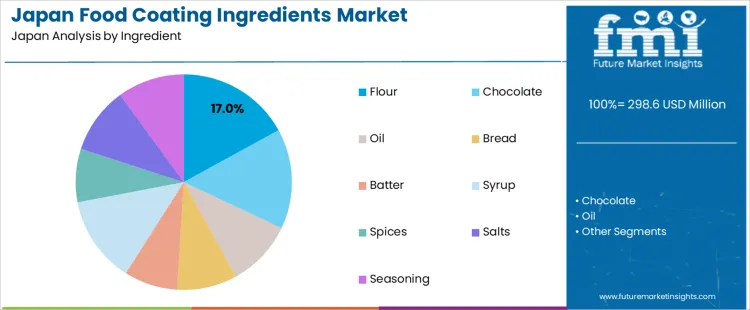
Flour is the most widely used ingredient in food coatings in Japan, accounting for 17% of the market share. Flour is a key component in batter coatings and dry coatings, as it provides texture, crispiness, and bulk to the coating layer. The demand for flour-based coatings is driven by their versatility and by their role as a staple in many traditional and modern food preparation methods. Flour-based coatings are commonly used in frying applications, particularly for products like tempura, battered meats, and fish. While other ingredients like chocolate, oil, bread, syrup, and spices also contribute to the market, flour remains the most common due to its affordability, effectiveness, and ease of use in various applications.
Which Form Drives Food Coating Ingredients Demand in Japan?
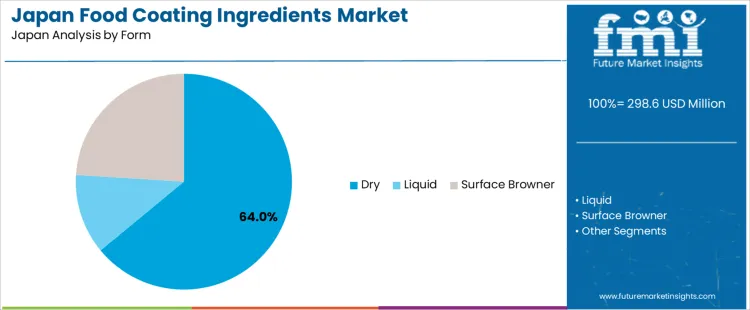
Dry coatings are the dominant form in the food coating ingredients market, holding 64% of the market share. Dry coatings are commonly used in applications such as breading, battering, and seasoning, offering convenience, stability, and ease of application in large-scale food production. Dry coatings are particularly popular in the snack food industry, where they provide a crispy and crunchy texture to products like fried snacks, chicken nuggets, and frozen foods. The dry form also helps in extending the shelf life of coated foods and enhances their visual appeal. While liquid, surface browner, and other forms are used in certain applications, dry coatings continue to lead the market due to their versatility, ease of handling, and suitability for a wide range of food types.
What is the Key Dynamics for Food Coating Ingredients Demand in Japan?
Demand for food coating ingredients in Japan is rising as consumers increasingly prefer convenience-oriented and ready-to-eat or ready-to-cook food products. The popularity of coated snacks, fried and baked foods, meat and seafood items with batter or breading, and processed products supports higher usage of coating ingredients. Coatings help improve the texture, appearance, flavor, shelf life, and moisture retention of food items, which aligns with consumer expectations for quality and freshness. Growth of food processing and foodservice sectors is prompting producers to rely more on coating ingredients for product appeal and consistency.
What are the Key Drivers for Food Coating Ingredients Demand in Japan?
One major driver is rising consumption of processed, frozen, and convenience foods as urban lifestyles accelerate and time-pressed consumers seek quick meal solutions. Use of coatings enables producers to offer convenient snack foods, ready meals, and coated meat or seafood products that meet demand for taste and texture. Demand for clean-label, natural, or minimally processed coatings is also growing as consumer awareness about health, food safety, and ingredient transparency rises. Manufacturers are responding by developing coating solutions based on natural polymers, edible films, or plant-based materials that satisfy regulatory standards and consumer preferences.
What are the Restraints for Food Coating Ingredients Demand in Japan?
One restraint is volatility in raw material costs, especially for specialty coating components such as oils, grains, or natural polymers, which may increase production costs and pressure margins for food producers. Strict regulatory requirements for food safety, labeling, and additive use may restrict or delay introduction of novel coating ingredients or formulations, thus slowing market expansion. Variation in consumer preferences, particularly growing health-conscious segments that avoid heavy coatings, deep-fried foods, or high-fat content, may limit demand for certain traditional coating types. Producers may be cautious about over-relying on coatings in a market where nutritional balance and consumer health are receiving increasing focus.
What are the Key Trends in Food Coating Ingredients Demand in Japan?
There is a trend toward development and use of natural, clean-label, plant-based, or edible-film coatings that aim to reduce artificial additives while maintaining product quality and shelf life. Use of coatings for products targeting snacks, ready-to-eat meals, and meat or seafood items remains strong as these categories expand under consumer demand for convenience. Specialized coatings that offer functional advantages, such as moisture retention, crispiness after frying or baking, improved texture, and extended freshness, are gaining popularity among manufacturers seeking to differentiate products. Growing demand for coatings suitable for gluten-free, allergen-free, or specialty diets is also influencing the development of innovative coating formulations.
What is the Regional Demand Outlook for Food Coating Ingredients in Japan?
The demand for food coating ingredients in Japan is projected to grow steadily, with Kyushu & Okinawa leading the way at a projected CAGR of 6.3%. Kanto follows closely with a growth rate of 5.8%, while Kansai is expected to grow at 5.1%. Chubu is projected to grow at a rate of 4.5%, while Tohoku and Rest of Japan show more moderate growth, with CAGRs of 3.9% and 3.7%, respectively. The increasing demand for processed and convenience foods, along with the growing preference for innovative and high-quality coatings in the food industry, is driving the adoption of food coating ingredients across Japan.
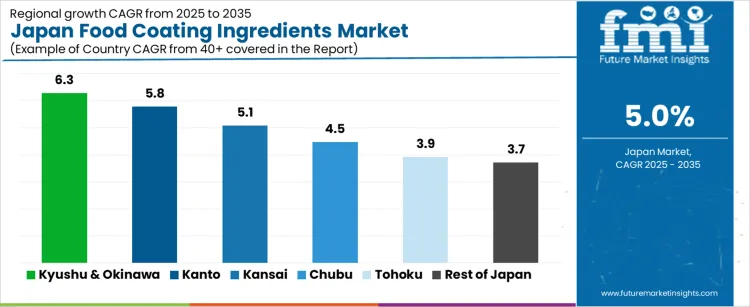
| Region | CAGR (2025-2035) |
|---|---|
| Kyushu & Okinawa | 6.3% |
| Kanto | 5.8% |
| Kansai | 5.1% |
| Chubu | 4.5% |
| Tohoku | 3.9% |
| Rest of Japan | 3.7% |
What is Driving the Growth of Food Coating Ingredients in Kyushu & Okinawa?
Kyushu & Okinawa is projected to experience the highest growth in the food coating ingredients market, with a projected CAGR of 6.3%. The region’s increasing focus on food innovation, particularly in the processed food and snack sectors, is driving the demand for advanced food coating solutions. As consumer preferences shift towards more convenient, ready-to-eat foods, there is a growing need for coatings that enhance texture, flavor, and visual appeal. Additionally, Kyushu & Okinawa’s emphasis on natural and healthy ingredients is pushing the adoption of clean-label coatings. As businesses in the region invest in developing unique and high-quality food products, the demand for food coating ingredients is expected to continue rising. The region’s strong food manufacturing sector, combined with increasing consumer interest in diverse, high-quality food options, further supports market growth.
Why is the Food Coating Ingredients Market Expanding in Kanto?
In Kanto, the demand for food coating ingredients is projected to grow at a CAGR of 5.8%. As Japan’s most populous and economically developed region, Kanto is home to a large number of food manufacturers and consumer goods companies that are constantly innovating to meet the growing demand for processed and convenience foods. Kanto’s urban population, which is increasingly seeking time-saving, flavorful food options, is driving the demand for high-quality food coatings. The region’s focus on food technology and sustainability is also contributing to the adoption of clean-label and natural coatings, which cater to the rising consumer preference for healthier food choices. As the demand for convenience and ready-to-eat meals continues to grow in Kanto, the market for food coating ingredients is expected to expand steadily.
How is the Food Coating Ingredients Market Growing in Kansai?
In Kansai, the food coating ingredients market is projected to grow at a CAGR of 5.1%. Kansai, with major cities like Osaka, has a rich food culture and a growing demand for innovative, high-quality food products. The region’s food manufacturing sector, including snacks, bakery products, and ready-to-eat meals, is increasingly using food coating ingredients to improve the texture, taste, and appearance of their products. Kansai’s focus on developing products that meet the preferences of health-conscious consumers is also contributing to the demand for clean-label, natural food coatings. As the region continues to expand its food and beverage offerings to cater to evolving consumer tastes, the market for food coating ingredients is expected to grow steadily.
What is Contributing to the Growth of Food Coating Ingredients in Chubu?
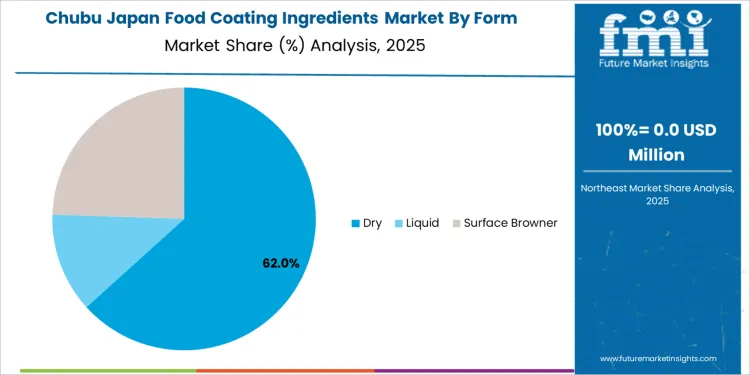
In Chubu, the food coating ingredients market is expected to grow at a CAGR of 4.5%. Chubu, home to industrial cities like Nagoya, has a strong food manufacturing sector that is driving the demand for food coating ingredients. The region’s focus on developing processed foods, snacks, and ready-to-eat meals is contributing to the growing adoption of coatings that enhance product texture and flavor. As businesses in Chubu continue to innovate and respond to consumer demand for convenient and high-quality food options, the need for advanced food coatings will increase. Additionally, the region’s emphasis on sustainability in food production and packaging is pushing the demand for clean and natural coatings. With the rise in health-conscious eating habits, the market for food coating ingredients in Chubu is expected to expand steadily.
What is Influencing the Growth of Food Coating Ingredients in Tohoku?
In Tohoku, the food coating ingredients market is projected to grow at a CAGR of 3.9%. While the growth rate is more moderate compared to other regions, the demand for food coating ingredients is still on the rise due to the region’s focus on improving food quality and innovation. Tohoku’s food industry is increasingly adopting food coatings to enhance the appeal and shelf life of products. The rise in demand for ready-to-eat meals and processed food items in Tohoku, along with the region’s growing interest in natural and clean-label food solutions, is contributing to the expansion of the food coating market. As consumer preferences for healthier and more convenient food options increase, Tohoku’s market for food coating ingredients is expected to grow steadily.
What is Contributing to the Growth of Food Coating Ingredients in Rest of Japan?
In Rest of Japan, the food coating ingredients market is expected to grow at a more moderate rate of 3.7%. The demand for food coatings is increasing as businesses in rural and less urbanized regions look for ways to improve the quality and appeal of their food products. As consumer preferences shift toward more convenient and flavorful food options, the need for high-quality food coatings is rising. Additionally, the growing awareness of healthy eating habits and the increasing availability of natural and sustainable food coatings are contributing to the demand in Rest of Japan. As more companies in the region adopt food coating solutions to improve their product offerings, the market is expected to expand gradually.
What is the Competitive Landscape for Demand for Food Coating Ingredients in Japan?
Demand for food coating ingredients in Japan is rising as consumers seek more convenience in their food choices, leading to an increase in ready-to-eat meals and processed foods. Food coatings are essential for providing texture, flavor, and preservation in a wide range of products such as battered and fried foods, snacks, bakery items, and confectionery. In Japan, the popularity of traditional dishes like tempura and karaage, as well as the growing trend of frozen and ready-to-cook meals, drives the need for quality coatings that ensure crispiness, durability, and stability during storage and reheating. As the demand for convenience and premium texture grows, food manufacturers are turning to advanced coating solutions to meet consumer expectations.
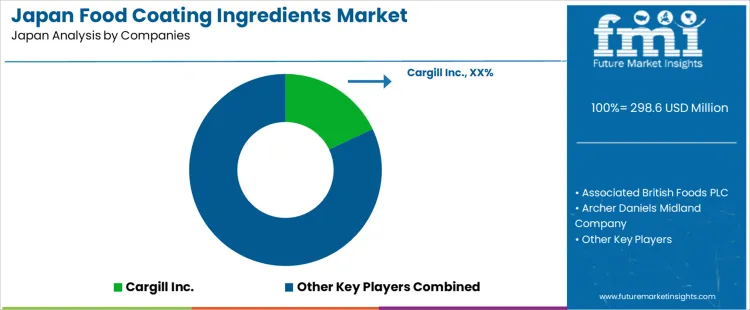
On the supply side, several major global ingredient suppliers compete to serve this expanding market. According to your list, Cargill Inc. holds a leading share of around 18%. Other key players include Associated British Foods PLC, Archer Daniels Midland Company, Agrana Beteiligungs AG, and Cooperative AVEBE U.A. These companies supply a variety of food coating ingredients, including flours, starches, batter mixes, hydrocolloids, and oil-based coatings. Competition among suppliers is based on product quality, the ability to meet Japanese food safety standards, and flexibility in offering customized solutions for different food types. Companies that can deliver consistent, high-performance ingredients while supporting the evolving needs of the Japanese market are positioned to capture ongoing growth in the sector.
Key Players of the Food Coating Ingredients Industry in Japan
- Cargill Inc.
- Associated British Foods PLC
- Archer Daniels Midland Company
- Agrana Beteiligungs AG
- Cooperative AVEBE U.A.
Scope of the Report
| Items | Values |
|---|---|
| Quantitative Units (2025) | USD Million |
| Ingredient | Chocolate, Oil, Bread, Flour, Batter, Syrup, Spices, Salts, Seasoning |
| Form | Liquid, Dry, Surface Browner |
| Application | Meat and Seafood Products, Bakery Products, Confectionery Products, Cereals, Snacks |
| Companies | Cargill Inc., Associated British Foods PLC, Archer Daniels Midland Company, Agrana Beteiligungs AG, Cooperative AVEBE U.A. |
| Regions Covered | Kyushu & Okinawa, Kanto, Kansai, Chubu, Tohoku, Rest of Japan |
| Additional Attributes | Dollar by sales by ingredient, form, application, and region. Includes coating functionality, sensory attributes (taste, texture, appearance), impact on product shelf life, production methods, cost efficiency, market share and competitive positioning of key companies, adaptation to consumer preferences and trends (e.g., health-conscious coatings), compliance with food safety regulations, sustainability practices, and innovations in food coating technologies for various sectors. |
Key Segments in the Demand for Food Coating Ingredients in Japan
Ingredient
- Chocolate
- Oil
- Bread
- Flour
- Batter
- Syrup
- Spices
- Salts
- Seasoning
Form
- Liquid
- Dry
- Surface Browner
Application
- Meat and Seafood Products
- Bakery Products
- Confectionery Products
- Cereals
- Snacks
Region
- Kyushu & Okinawa
- Kanto
- Kansai
- Chubu
- Tohoku
- Rest of Japan
Frequently Asked Questions
How big is the demand for food coating ingredients in Japan in 2025?
The demand for food coating ingredients in Japan is estimated to be valued at USD 298.6 million in 2025.
What will be the size of food coating ingredients in Japan in 2035?
The market size for the food coating ingredients in Japan is projected to reach USD 487.5 million by 2035.
How much will be the demand for food coating ingredients in Japan growth between 2025 and 2035?
The demand for food coating ingredients in Japan is expected to grow at a 5.0% CAGR between 2025 and 2035.
What are the key product types in the food coating ingredients in Japan?
The key product types in food coating ingredients in Japan are flour, chocolate, oil, bread, batter, syrup, spices, salts and seasoning.
Which form segment is expected to contribute significant share in the food coating ingredients in Japan in 2025?
In terms of form, dry segment is expected to command 64.0% share in the food coating ingredients in Japan in 2025.
Preview the report firsthand - request a free sample
Get SampleGet the brochure for pricing and purchase details.
Get PDFTable of Content
- Executive Summary
- Japan Market Outlook
- Demand-side Trends
- Supply-side Trends
- Technology Roadmap Analysis
- Analysis and Recommendations
- Market Overview
- Market Coverage / Taxonomy
- Market Definition / Scope / Limitations
- Market Background
- Market Dynamics
- Drivers
- Restraints
- Opportunity
- Trends
- Scenario Forecast
- Demand in Optimistic Scenario
- Demand in Likely Scenario
- Demand in Conservative Scenario
- Opportunity Map Analysis
- Product Life Cycle Analysis
- Supply Chain Analysis
- Investment Feasibility Matrix
- Value Chain Analysis
- PESTLE and Porter’s Analysis
- Regulatory Landscape
- Regional Parent Market Outlook
- Production and Consumption Statistics
- Import and Export Statistics
- Market Dynamics
- Japan Market Analysis 2020 to 2024 and Forecast, 2025 to 2035
- Historical Market Size Value (USD Million) Analysis, 2020 to 2024
- Current and Future Market Size Value (USD Million) Projections, 2025 to 2035
- Y-o-Y Growth Trend Analysis
- Absolute $ Opportunity Analysis
- Japan Market Pricing Analysis 2020 to 2024 and Forecast 2025 to 2035
- Japan Market Analysis 2020 to 2024 and Forecast 2025 to 2035, By Ingredient
- Introduction / Key Findings
- Historical Market Size Value (USD Million) Analysis By Ingredient , 2020 to 2024
- Current and Future Market Size Value (USD Million) Analysis and Forecast By Ingredient , 2025 to 2035
- Flour
- Chocolate
- Oil
- Bread
- Batter
- Syrup
- Spices
- Salts
- Seasoning
- Y-o-Y Growth Trend Analysis By Ingredient , 2020 to 2024
- Absolute $ Opportunity Analysis By Ingredient , 2025 to 2035
- Japan Market Analysis 2020 to 2024 and Forecast 2025 to 2035, By Form
- Introduction / Key Findings
- Historical Market Size Value (USD Million) Analysis By Form, 2020 to 2024
- Current and Future Market Size Value (USD Million) Analysis and Forecast By Form, 2025 to 2035
- Dry
- Liquid
- Surface Browner
- Y-o-Y Growth Trend Analysis By Form, 2020 to 2024
- Absolute $ Opportunity Analysis By Form, 2025 to 2035
- Japan Market Analysis 2020 to 2024 and Forecast 2025 to 2035, By Application
- Introduction / Key Findings
- Historical Market Size Value (USD Million) Analysis By Application, 2020 to 2024
- Current and Future Market Size Value (USD Million) Analysis and Forecast By Application, 2025 to 2035
- Bakery Products
- Meat and Seafood Products
- Confectionery Products
- Cereals
- Snacks
- Y-o-Y Growth Trend Analysis By Application, 2020 to 2024
- Absolute $ Opportunity Analysis By Application, 2025 to 2035
- Market Structure Analysis
- Competition Dashboard
- Competition Benchmarking
- Market Share Analysis of Top Players
- By Regional
- By Ingredient
- By Form
- By Application
- Competition Analysis
- Competition Deep Dive
- Cargill Inc.
- Overview
- Product Portfolio
- Profitability by Market Segments (Product/Age /Sales Channel/Region)
- Sales Footprint
- Strategy Overview
- Marketing Strategy
- Product Strategy
- Channel Strategy
- Associated British Foods PLC
- Archer Daniels Midland Company
- Agrana Beteiligungs AG
- Cooperative AVEBE U.A.
- Cargill Inc.
- Competition Deep Dive
- Assumptions & Acronyms Used
- Research Methodology


