

- Industry Size (2025)
- USD 73.8 Mn
- Forecast (2035)
- USD 100.7 Mn
- CAGR (2025 to 2035)
- 3.2%
Demand for Green Supplement in Japan Forecast and Outlook 2025 to 2035
The demand for green supplements in Japan is expected to grow from USD 73.8 million in 2025 to USD 100.7 million by 2035, reflecting a CAGR of 3.2%. Green supplements, which include products made from vegetables, algae, and other plant-based sources, are becoming increasingly popular as consumers seek ways to enhance their nutrition and overall wellness. The rising awareness of the importance of plant-based ingredients, particularly among health-conscious consumers, is a key driver of this demand. Japan’s aging population and the increasing focus on preventative healthcare are also fueling the growth of green supplements, as many individuals seek ways to maintain their health and vitality through natural, plant-derived nutrients.
Green supplements are also gaining popularity due to the growing trend of functional foods in Japan. Consumers are more inclined to choose food and dietary supplements that provide additional health benefits, such as improved digestion, detoxification, and enhanced immunity. Green supplements, often rich in antioxidants, vitamins, and minerals, are seen as a convenient way to fill nutrient gaps and support long-term health. The increasing availability of these products in various forms, such as powders, tablets, and capsules, further contributes to their appeal. Manufacturers are also introducing green supplements with added benefits, such as enhanced bioavailability and superior taste, to cater to a broader range of consumers.
Quick Stats of the Demand for Green Supplement in Japan
- Demand for Green Supplement in Japan Value (2025): USD 73.8 million
- Demand for Green Supplement in Japan Forecast Value (2035): USD 100.7 million
- Demand for Green Supplement in Japan Forecast CAGR (2025-2035): 3.2%
- Demand for Green Supplement in Japan Leading Product Type: Algae
- Demand for Green Supplement in Japan Key Growth Regions: Kyushu & Okinawa, Kanto, Kansai, Chubu, Tohoku, Rest of Japan
- Demand for Green Supplement in Japan Top Players: GNC Holdings Inc., Herbalife Nutrition Ltd., Amway Corporation, Vitacost.com Inc., Herbal Hills
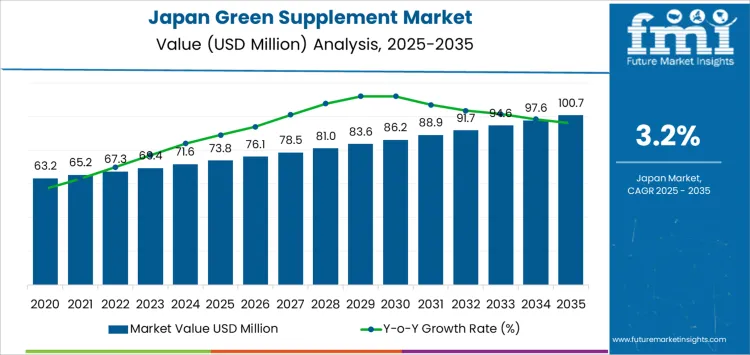
What is the Growth Forecast for the Demand for Green Supplement in Japan through 2035?
The demand for green supplements in Japan is growing due to increasing consumer awareness of the health benefits of plant-based ingredients. As more individuals seek natural ways to enhance wellness, particularly among Japan's aging population, green supplements are being increasingly adopted. Consumers are turning to these products for long-term health support, including vitality and immunity, driven by a rising focus on preventative healthcare. The shift toward functional foods are boosting demand for green supplements, as they provide extra health benefits such as improved digestion and detoxification. With a growing preference for sustainable, plant-derived products, these supplements are increasingly seen as healthier alternatives to traditional supplements.
Product innovation is another key factor propelling industry growth. Manufacturers are developing green supplements with enhanced bioavailability, better taste, and specialized formulations aimed at specific health concerns, such as gut health and skin rejuvenation. This variety is attracting a broader consumer base, from those seeking general wellness benefits to those with specific health needs. The increasing availability of green supplements through diverse distribution channels, such as online platforms and retail outlets, is making these products more accessible to consumers across Japan. This accessibility, coupled with continued innovation, is further fueling the expansion of the green supplement sector.
Demand for Green Supplement in Japan Key Takeaways
| Metric | Value |
|---|---|
| Demand for Green Supplement in Japan Value (2025) | USD 73.8 million |
| Demand for Green Supplement in Japan Forecast Value (2035) | USD 100.7 million |
| Demand for Green Supplement in Japan Forecast CAGR (2025-2035) | 3.2% |
Why is the Demand for Green Supplement in Japan Growing?
The demand for green supplements in Japan is growing as consumers place more emphasis on health, wellness, and balanced nutrition. Green supplements, typically made from powdered nutrient-dense plants like spirulina, chlorella, and wheatgrass, are becoming increasingly popular due to their potential to support energy, detoxification, and overall well-being. These products appeal to health-conscious individuals seeking natural, plant-based nutrients that provide a wide array of health benefits, especially in a society where preventive health measures are gaining attention.
A major driver behind the growth of green supplements is the rising awareness about the importance of a healthy lifestyle. As Japan’s aging population becomes more focused on longevity and maintaining good health, the demand for products that provide nutritional support continues to rise. Green supplements are seen as a convenient way to enhance daily intake of essential vitamins, minerals, and antioxidants, which can contribute to improved immunity, digestion, and vitality. The increasing popularity of plant-based diets is influencing consumer choices, as many turn to green supplements to align with their preference for natural and sustainable food options.
The availability of green supplements in various forms, such as powders, capsules, and ready-to-drink options, has made them more accessible and convenient for consumers. Innovations in product flavor, formulation, and packaging have further expanded their appeal, allowing for more customization to meet diverse preferences. As Japan continues to prioritize holistic well-being and preventive health measures, green supplements are expected to experience steady growth. The demand for these products is projected to rise through 2035 as consumers increasingly turn to natural, nutrient-dense solutions to support their health and lifestyle choices.
What is the Segment-Wise Analysis of Demand for Green Supplements in Japan?
Demand for green supplements in Japan is segmented by product type, form, and region. By product type, demand is divided into algae, grasses, and vegetables, with algae leading at 46%. The demand is also segmented by form, including capsules, tablets, and powder, with capsules leading at 45%. Regionally, demand is spread across Kyushu & Okinawa, Kanto, Kansai, Chubu, Tohoku, and the rest of Japan.
Why Does Algae Lead the Demand for Green Supplements in Japan?
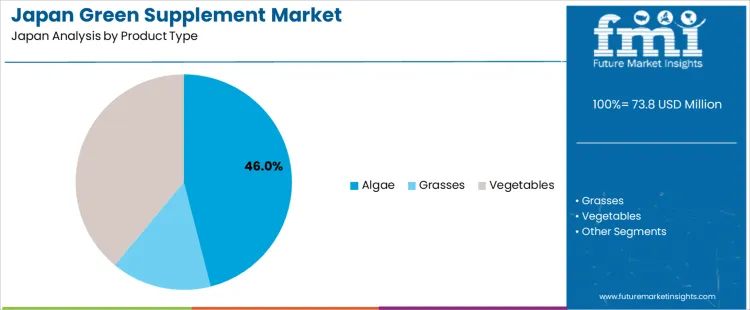
Algae accounts for 46% of the demand for green supplements in Japan, driven by its health benefits and nutritional profile. Algae, particularly varieties like spirulina and chlorella, are considered nutrient-dense superfoods, packed with vitamins, minerals, protein, and antioxidants. In Japan, where health-conscious eating is increasingly prioritized, algae-based supplements are popular for their potential to support immune health, detoxification, and overall vitality. Algae supplements are also linked to traditional Japanese dietary habits, where seaweed has long been a part of the diet. The growing trend of plant-based nutrition and the demand for natural, organic ingredients have further bolstered the popularity of algae-based supplements. As consumers continue to focus on improving their well-being through functional foods, algae remain a dominant product type in the green supplement industry.
Why Do Capsules Lead the Demand for Green Supplements in Japan?
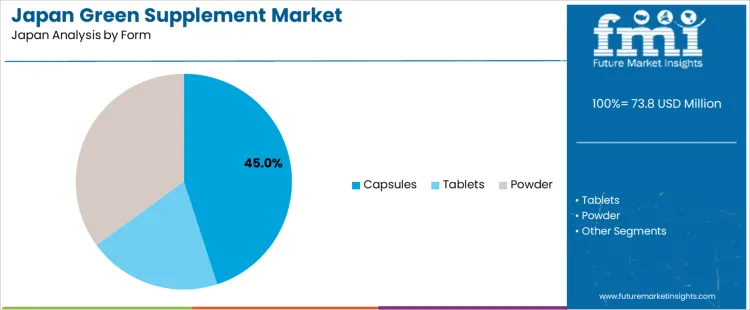
Capsules account for 45% of the demand for green supplements in Japan, driven by their convenience, ease of use, and precise dosing. Capsules are often preferred by consumers who want a simple, no-mess way to incorporate green supplements into their daily routine. Unlike powders or tablets, capsules are easy to swallow, making them ideal for busy consumers looking for an efficient supplement option. Capsules offer better protection for sensitive ingredients like algae and grasses, ensuring that the nutrients remain intact and effective. The popularity of capsules is also linked to the increasing demand for convenience and personalized health solutions, as consumers seek supplements that fit seamlessly into their lifestyle. As the focus on health and wellness continues to rise, capsules will remain a preferred form for green supplements, offering a practical and reliable option for Japanese consumers.
What are the Key Trends, Drivers, and Restraints in Demand for Green Supplements in Japan?
Plant-based and herbal supplements are gaining traction, especially among consumers who prefer natural ingredients. Green supplements, which include botanical extracts, plant-derived vitamins, minerals, and probiotics, align with growing interest in holistic health. The aging population in Japan, with its increasing focus on healthy aging, immunity, and preventive care, is a significant driver. Consumer awareness of environmental sustainability has increased demand for natural and ethical products. However, several challenges hinder broader adoption. One major restraint is the relatively high price of many green supplements compared to traditional products. Regulatory concerns about safety, efficacy, and product recalls in the supplement sector can also make consumers cautious.
Why is Demand for Green Supplements Growing in Japan?
The demand for green supplements in Japan is growing due to increasing awareness of health and wellness among consumers. People are becoming more proactive about their health, focusing on prevention and nutritional gaps rather than simply reacting to illness. This is especially evident among the aging population, who are more interested in improving their health and preventing age-related diseases. As more consumers prioritize immunity, digestive health, and longevity, there is a growing need for dietary supplements to meet these needs. Green supplements, made from natural and plant-based ingredients, are particularly appealing because they align with traditional Japanese dietary philosophies, which emphasize natural food sources. The increasing availability of green supplements in retail stores and online platforms has made these products more accessible, further fueling demand in Japan’s evolving health-conscious industry.
How are Technological & Industry Innovations Driving Green Supplement Demand in Japan?
Technological innovations in green supplement production are significantly driving demand in Japan. Improvements in ingredient extraction, purification processes, and standardization techniques ensure the consistency and potency of plant-based supplements. These advancements have made green supplements more reliable and accessible, addressing concerns over product efficacy and safety. Manufacturers are increasingly developing innovative supplement formats, such as capsules, powders, and gummies, to cater to different consumer preferences and lifestyles. The rise of clean-label and eco-friendly products further appeals to health-conscious consumers who seek transparency in ingredients and production processes. Innovations in packaging also support convenience, with single-serving packets and resealable pouches making it easier to consume supplements on the go.
What are the Key Challenges and Risks That Could Limit Green Supplement Demand in Japan?
Many plant-based and organic supplements come at a premium compared to conventional alternatives, which could restrict their appeal, especially in an industry where consumers are conscious of spending. Regulatory concerns regarding the safety, quality, and efficacy of supplements remain a significant issue. High-profile product recalls and inconsistent regulation in the supplement industry can create mistrust among consumers. While many consumers are seeking natural solutions, others may be skeptical about the actual health benefits of some green supplements, as scientific evidence supporting certain claims remains limited. Lastly, green supplements face competition from other dietary approaches, such as functional foods or traditional supplements, which may reduce demand for plant-based alternatives.
What is the Demand Outlook for Green Supplements in Japan?
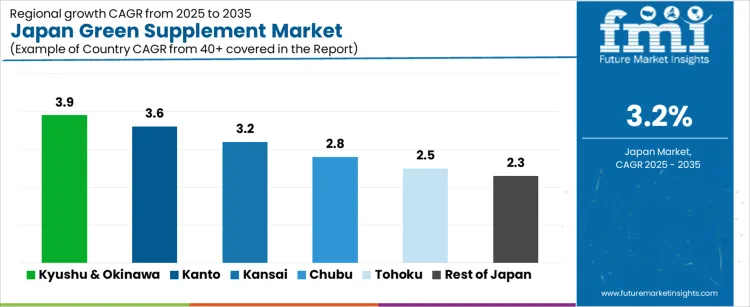
| Region | CAGR (%) |
|---|---|
| Kyushu & Okinawa | 3.9% |
| Kanto | 3.6% |
| Kansai | 3.2% |
| Chubu | 2.8% |
| Tohoku | 2.5% |
| Rest of Japan | 2.3% |
Demand for frozen desserts in Japan is growing across all regions, with Kyushu & Okinawa leading at a 5.7% CAGR, driven by strong consumer preferences for indulgent and refreshing treats. Kanto follows with a 5.3% CAGR, supported by the region's large urban population and rising demand for convenient, premium dessert options. Kansai shows a 4.6% CAGR, fueled by the region’s vibrant food culture and increasing interest in high-quality frozen desserts. Chubu experiences a 4.1% CAGR, as urbanization continues and consumers seek new dessert experiences. Tohoku and the Rest of Japan see moderate growth at 3.6% and 3.4%, respectively, reflecting the broadening appeal of frozen desserts among consumers in both urban and rural areas.
How is Demand for Green Supplement Growing in Kyushu & Okinawa?
Kyushu & Okinawa leads demand for green supplements with a 3.9% CAGR. The region’s growing awareness of health and wellness, combined with a rising number of pet owners, has spurred interest in natural and organic nutrition. Okinawa’s reputation for longevity and wellness influences the local industry, with many residents opting for green supplements to support their health. As more consumers recognize the benefits of plant-based nutrients, green supplements are becoming a popular choice. The region’s hot climate, especially in Okinawa, has also led to increased demand for cooling, detoxifying products like green supplements. Retailers and health shops are increasingly stocking a wide range of green supplement options, ensuring that consumers have access to high-quality products. As awareness of natural health solutions spreads, demand for green supplements in Kyushu & Okinawa is expected to continue growing.
Why is Demand for Green Supplement Rising in Kanto?
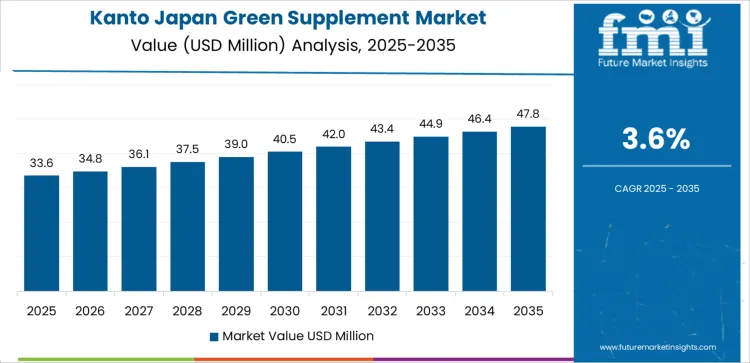
In Kanto, demand for green supplements is rising at a 3.6% CAGR. The region’s large, health-conscious population, particularly in urban centers like Tokyo, has been a major driver for this trend. With busy lifestyles and growing awareness about the benefits of balanced nutrition, consumers are increasingly turning to green supplements to support overall wellness. These supplements, rich in antioxidants, vitamins, and minerals, are seen as a quick and effective way to boost health. In Kanto, the convenience of online ordering and retail availability has made green supplements more accessible, further fueling demand. As the region’s interest in functional foods and natural health products continues to rise, the demand for green supplements is expected to grow steadily, with more people seeking plant-based nutrition as part of their daily wellness routine.
How is Demand for Green Supplement Expanding in Kansai?
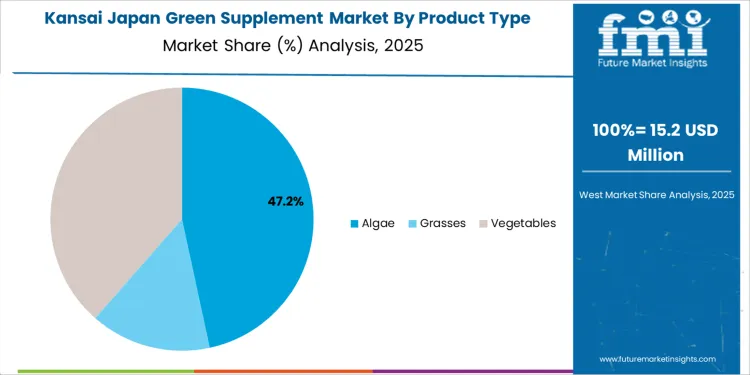
Demand for green supplements in Kansai is expanding steadily, growing at a 3.2% CAGR. Known for its rich food culture, Kansai’s consumers are becoming increasingly aware of the importance of health and wellness, driving the shift towards natural, plant-based supplements. Cities like Osaka and Kyoto have seen an uptick in demand for green supplements as more people seek to enhance their diet with nutrient-dense, green-based products. The region’s growing interest in clean-label and natural ingredients, particularly in functional foods, has led to increased consumption of green supplements for their antioxidant and detoxifying properties. Pet owners in Kansai are also embracing green supplements to improve their pets’ health. As local retailers expand their product offerings and consumers increasingly seek health-conscious options, demand for green supplements in Kansai is expected to grow in line with broader trends toward natural wellness solutions.
Why is Demand for Green Supplement Growing in Chubu?
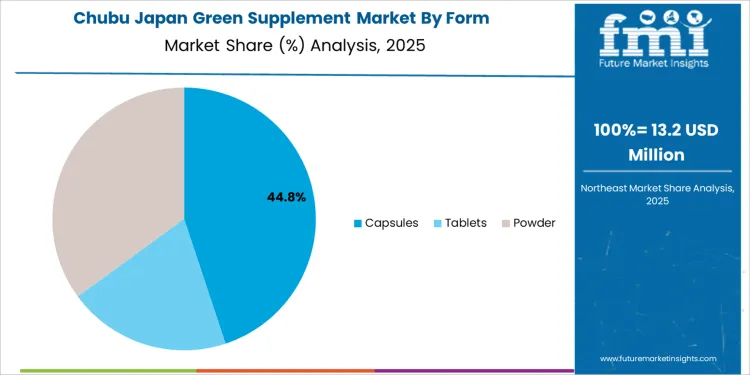
Chubu is experiencing steady demand for green supplements, growing at a 2.8% CAGR. As urban areas like Nagoya expand, more consumers are seeking natural and functional supplements to support their health. With rising awareness about the benefits of plant-based nutrition, many in Chubu are turning to green supplements as an easy and effective way to increase their intake of essential nutrients. This shift towards health-conscious living has spurred the growth of green supplements, especially those made from organic and sustainable ingredients. Retailers and online platforms are increasingly offering a range of green supplements, making them more accessible to consumers. As more people become aware of the health benefits, especially in terms of immunity, digestion, and energy, the demand for green supplements in Chubu is expected to continue growing steadily, driven by an increasing focus on preventive health.
How is Demand for Green Supplement Expanding in Tohoku?
Tohoku is seeing moderate growth in green supplement demand, with a 2.5% CAGR. Although the demand is slower compared to major urban areas, awareness of health and wellness is growing in the region. With an aging population and increasing interest in natural health products, more consumers in Tohoku are turning to green supplements to enhance their diet and support long-term health. Local health stores and online platforms are starting to offer a broader selection of green supplements, helping to meet this rising demand. The region’s growing interest in preventative health, combined with an increased focus on overall wellness, is helping drive adoption. As more people in Tohoku recognize the health benefits of plant-based nutrition, demand for green supplements is expected to rise steadily. This growth reflects a broader national trend toward healthier, more sustainable lifestyle choices.
Why is Demand for Green Supplement Growing in the Rest of Japan?
The Rest of Japan is experiencing steady demand for green supplements, with a 2.3% CAGR. Although demand in rural and smaller urban areas is lower compared to major cities, there is a noticeable shift toward natural health products as consumers become more health-conscious. The growing awareness of the benefits of green supplements such as improving digestion, immunity, and overall vitality is driving adoption in these areas. While availability remains limited in smaller towns, online shopping and delivery services are helping increase access to green supplements. As the focus on preventive health grows across Japan, more consumers in rural areas are incorporating green supplements into their daily routines. With greater exposure and availability of these products, demand for green supplements in the Rest of Japan is expected to continue growing at a steady pace as people embrace healthier lifestyle choices.
What is Driving the Demand for Green Supplements in Japan and Who Are the Key Players Shaping the Industry?
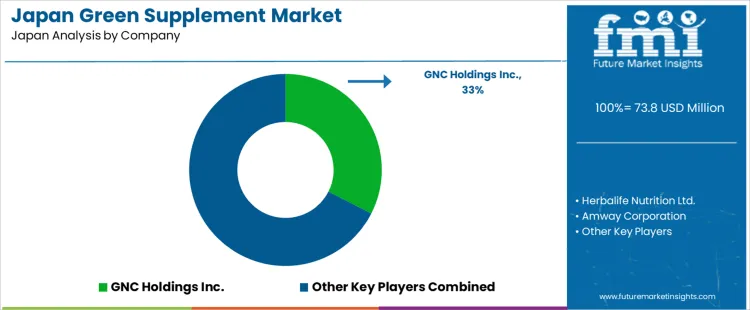
The demand for green supplements in Japan is rising due to an increasing focus on health, wellness, and preventative care. Green supplements, which typically include ingredients like spirulina, chlorella, wheatgrass, and other nutrient-dense plants, are valued for their potential to support digestion, boost energy, and improve overall vitality. As Japanese consumers become more health-conscious and aware of the importance of a balanced diet, the appeal of natural, plant-based supplements has grown. The aging population in Japan, coupled with a cultural shift toward preventative healthcare, is driving the demand for supplements that can support long-term health and help manage age-related conditions.
Key players shaping the green supplement industry in Japan include GNC Holdings Inc., Herbalife Nutrition Ltd., Amway Corporation, Vitacost.com Inc., and Herbal Hills. GNC Holdings Inc. leads the industry with a significant share of 32.5%, offering a wide variety of green supplements aimed at different health needs, such as immunity support, detoxification, and overall wellness. These companies play a crucial role in the growth of the green supplement industry by providing high-quality, plant-based products that cater to Japan’s increasing demand for natural health solutions. Their focus on product innovation, quality control, and consumer education ensures that their offerings align with Japan’s evolving wellness trends.
The growth of the green supplement industry in Japan is further supported by the increasing awareness of environmental and dietary impacts on health. As the demand for plant-based and eco-friendly supplements continues to rise, green supplements are expected to play an integral role in the Japanese health and wellness industry. With a growing preference for natural, clean-label products, the green supplement sector is poised for continued expansion in Japan’s dynamic health-conscious consumer landscape.
Key Players in Japan Green Supplement Demand
- GNC Holdings Inc.
- Herbalife Nutrition Ltd.
- Amway Corporation
- Vitacost.com Inc.
- Herbal Hills
Scope of Report
| Items | Values |
|---|---|
| Quantitative Units (2025) | USD million |
| Product Type | Algae, Grasses, Vegetables |
| Form | Tablets, Capsules, Powder |
| Region | Kyushu & Okinawa, Kanto, Kansai, Chubu, Tohoku, Rest of Japan |
| Countries Covered | Japan |
| Key Companies Profiled | GNC Holdings Inc., Herbalife Nutrition Ltd., Amway Corporation, Vitacost.com Inc., Herbal Hills |
| Additional Attributes | Dollar sales by product type and form; regional CAGR and growth trends; increasing adoption of algae-based and plant-based supplements; rise in demand for eco-friendly packaging; growth in online retail sales. |
Japan Green Supplement Demand by Key Segments
Product Type
- Algae
- Grasses
- Vegetables
Form
- Tablets
- Capsules
- Powder
Region
- Kyushu & Okinawa
- Kanto
- Kansai
- Chubu
- Tohoku
- Rest of Japan
Frequently Asked Questions
How big is the demand for green supplement in Japan in 2025?
The demand for green supplement in Japan is estimated to be valued at USD 73.8 million in 2025.
What will be the size of green supplement in Japan in 2035?
The market size for the green supplement in Japan is projected to reach USD 100.7 million by 2035.
How much will be the demand for green supplement in Japan growth between 2025 and 2035?
The demand for green supplement in Japan is expected to grow at a 3.2% CAGR between 2025 and 2035.
What are the key product types in the green supplement in Japan?
The key product types in green supplement in Japan are algae, grasses and vegetables.
Which form segment is expected to contribute significant share in the green supplement in Japan in 2025?
In terms of form, capsules segment is expected to command 45.0% share in the green supplement in Japan in 2025.
Preview the report firsthand - request a free sample
Get SampleGet the brochure for pricing and purchase details.
Get PDFTable of Content
- Executive Summary
- Japan Market Outlook
- Demand-side Trends
- Supply-side Trends
- Technology Roadmap Analysis
- Analysis and Recommendations
- Market Overview
- Market Coverage / Taxonomy
- Market Definition / Scope / Limitations
- Market Background
- Market Dynamics
- Drivers
- Restraints
- Opportunity
- Trends
- Scenario Forecast
- Demand in Optimistic Scenario
- Demand in Likely Scenario
- Demand in Conservative Scenario
- Opportunity Map Analysis
- Product Life Cycle Analysis
- Supply Chain Analysis
- Investment Feasibility Matrix
- Value Chain Analysis
- PESTLE and Porter’s Analysis
- Regulatory Landscape
- Regional Parent Market Outlook
- Production and Consumption Statistics
- Import and Export Statistics
- Market Dynamics
- Japan Market Analysis 2020 to 2024 and Forecast, 2025 to 2035
- Historical Market Size Value (USD Million) Analysis, 2020 to 2024
- Current and Future Market Size Value (USD Million) Projections, 2025 to 2035
- Y-o-Y Growth Trend Analysis
- Absolute $ Opportunity Analysis
- Japan Market Pricing Analysis 2020 to 2024 and Forecast 2025 to 2035
- Japan Market Analysis 2020 to 2024 and Forecast 2025 to 2035, By Product Type
- Introduction / Key Findings
- Historical Market Size Value (USD Million) Analysis By Product Type , 2020 to 2024
- Current and Future Market Size Value (USD Million) Analysis and Forecast By Product Type , 2025 to 2035
- Algae
- Grasses
- Vegetables
- Y-o-Y Growth Trend Analysis By Product Type , 2020 to 2024
- Absolute $ Opportunity Analysis By Product Type , 2025 to 2035
- Japan Market Analysis 2020 to 2024 and Forecast 2025 to 2035, By Form
- Introduction / Key Findings
- Historical Market Size Value (USD Million) Analysis By Form, 2020 to 2024
- Current and Future Market Size Value (USD Million) Analysis and Forecast By Form, 2025 to 2035
- Capsules
- Tablets
- Powder
- Y-o-Y Growth Trend Analysis By Form, 2020 to 2024
- Absolute $ Opportunity Analysis By Form, 2025 to 2035
- Market Structure Analysis
- Competition Dashboard
- Competition Benchmarking
- Market Share Analysis of Top Players
- By Regional
- By Product Type
- By Form
- Competition Analysis
- Competition Deep Dive
- GNC Holdings Inc.
- Overview
- Product Portfolio
- Profitability by Market Segments (Product/Age /Sales Channel/Region)
- Sales Footprint
- Strategy Overview
- Marketing Strategy
- Product Strategy
- Channel Strategy
- Herbalife Nutrition Ltd.
- Amway Corporation
- Vitacost.com Inc.
- Herbal Hills
- GNC Holdings Inc.
- Competition Deep Dive
- Assumptions & Acronyms Used
- Research Methodology


