

- Industry Size (2026)
- USD 620 Mn
- Forecast (2036)
- USD 2120 Mn
- CAGR (2026 to 2036)
- 13.5%
Olive Mill Wastewater Polyphenol Concentrate Market Forecast and Outlook 2026 to 2036
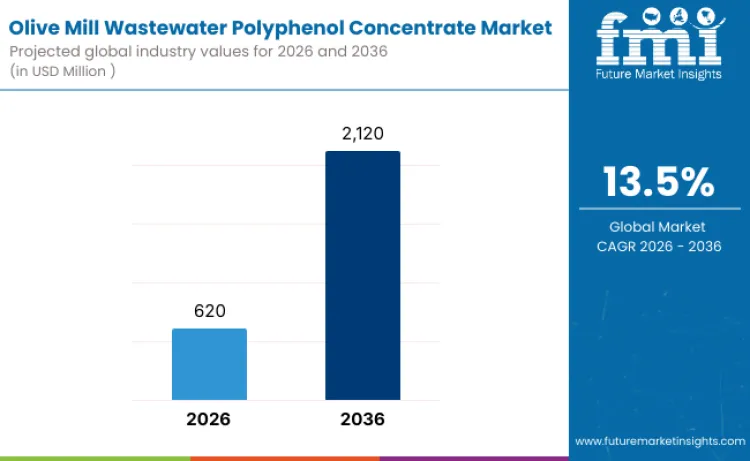
Global olive mill wastewater polyphenol concentrate market, valued at USD 620 million in 2026, is projected to grow to USD 2,120 million by 2036, with a CAGR of 13.5%. Expansion is driven by the growing interest in polyphenol-rich ingredients, particularly due to their antioxidant and anti-inflammatory properties, which are increasingly valued in health and wellness applications.
Concentrated polyphenol powder, which accounts for 39% of the product type market share, remains a popular form due to its high concentration and ease of use in various applications. Nutraceuticals and supplements, representing 42% of the application segment, are the primary consumers of olive mill wastewater polyphenol concentrates, as they are commonly used to enhance the nutritional value of supplements. Growth is further supported by rising consumer demand for sustainable and naturally derived ingredients in functional foods and supplements.
Quick Stats for Olive Mill Wastewater Polyphenol Concentrate Market
- Olive Mill Wastewater Polyphenol Concentrate Market Value (2026): USD 620 million
- Olive Mill Wastewater Polyphenol Concentrate Market Forecast Value (2036): USD 2,120 million
- Olive Mill Wastewater Polyphenol Concentrate Market Global Forecast CAGR (2026 to 2036): 13.5%
- Top Application by Share in Olive Mill Wastewater Polyphenol Concentrate Market: Nutraceuticals & Supplements (42%)
- Key Growth Regions in Olive Mill Wastewater Polyphenol Concentrate Market: China, India, USA, UK, Japan
- Top Players in Olive Mill Wastewater Polyphenol Concentrate Market: Indena S.p.A, Arjuna Natural Pvt Ltd, Frutarom (part of IFF), Silvateam S.p.A, Givaudan
Olive Mill Wastewater Polyphenol Concentrate Market Key Takeaways
| Metric | Value |
|---|---|
| Industry Sales Value (2026) | USD 620 million |
| Industry Forecast Value (2036) | USD 2,120 million |
| Industry Forecast CAGR (2026 to 2036) | 13.5% |
What Are the Key Segments in Olive Mill Wastewater Polyphenol Concentrate Market?
The olive mill wastewater polyphenol concentrate market is segmented by product type and application. Concentrated polyphenol powder holds 39% of the market share, offering a versatile and stable form of polyphenols. Nutraceuticals & supplements lead the application segment with 42%, driven by the growing consumer demand for natural, plant-based health benefits.
Which Product Type Drives Olive Mill Wastewater Polyphenol Concentrate Market Demand Globally?
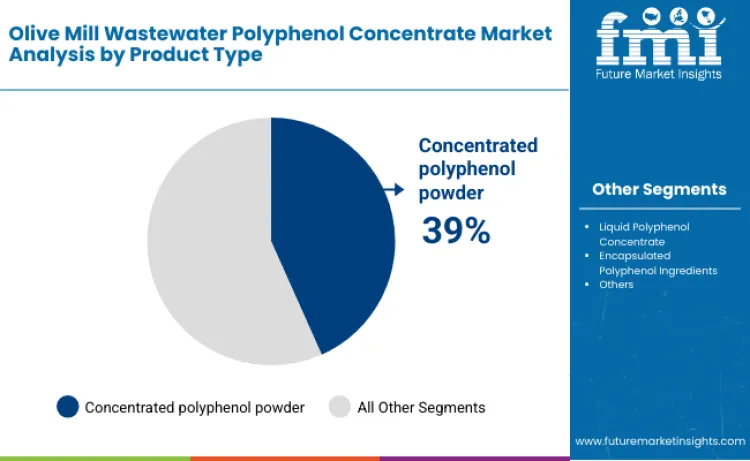
Concentrated polyphenol powder accounts for 39% of the market share. This form is highly favored for its stability, ease of incorporation into various product formats, and long shelf life. Polyphenols extracted from olive mill wastewater are rich in antioxidants, which are essential for supporting overall health, reducing oxidative stress, and promoting heart health. The powder form is particularly popular in the nutraceutical and dietary supplement industries, where it is used to create capsules, tablets, or functional food ingredients.
The high concentration of polyphenols in powdered form allows for precise dosing and effectiveness in health-related applications. As consumer demand for natural ingredients increases, especially in plant-based supplements, the popularity of concentrated polyphenol powder is expected to grow. Additionally, the environmental benefit of utilizing olive mill wastewater adds to the appeal of this product form, as it supports sustainable and eco-friendly practices in the food and supplement industries.
Which Application Drives Olive Mill Wastewater Polyphenol Concentrate Market Demand Globally?
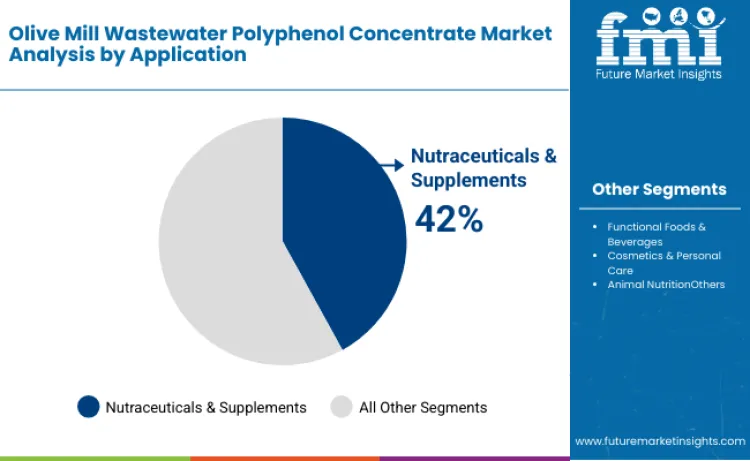
Nutraceuticals & supplements represent 42% of the market share. The increasing interest in plant-based, antioxidant-rich supplements has driven demand for polyphenol concentrates derived from olive mill wastewater. These polyphenols are known for their potent antioxidant properties, which support various health benefits such as reducing inflammation, improving heart health, and protecting against cellular damage. The growing consumer shift towards natural, functional ingredients in dietary supplements has fueled the expansion of this segment.
Polyphenol concentrates are used in supplements targeting oxidative stress, immune support, and anti-aging. As health-conscious consumers seek out natural alternatives to synthetic supplements, the market for nutraceuticals containing olive mill wastewater polyphenol concentrates continues to grow. The demand for polyphenols in functional foods and beverages, cosmetics, and animal nutrition is also increasing, but nutraceuticals remain the largest application, driven by the global trend toward preventive health and wellness.
What is the Key Trends in the Global Olive Mill Wastewater Polyphenol Concentrate Market?
The global olive mill wastewater polyphenol concentrate market is growing as industries place higher value on extracting bioactive compounds from agricultural by‑products. Polyphenol concentrates derived from olive mill wastewater are used in food, nutraceutical, cosmetic and animal nutrition applications because of their antioxidant and functional properties. Expansion of olive oil production in major regions is creating larger volumes of wastewater that can be processed into valuable concentrates. Rising interest in circular economy approaches, resource recovery and waste valorization is encouraging investment in technologies that convert wastewater into high‑value polyphenol ingredients for global supply chains.
What are the Key Drivers for the Global Olive Mill Wastewater Polyphenol Concentrate Market?
Growth factors include increasing interest in sustainable processing and utilization of agricultural residues. Producers of olive oil and related products are adopting wastewater polyphenol extraction to reduce environmental impact and generate revenue from by‑products. Demand for natural antioxidants and functional ingredients in foods, beverages and dietary supplements supports use of polyphenol concentrates. Research that highlights health benefits of olive polyphenols encourages formulators to include these ingredients in health‑oriented products. Market expansion is supported by advances in separation and concentration technologies that make extraction more efficient and cost effective, enabling broader industrial adoption across food, beauty and wellness sectors.
What are the Restraints for the Global Olive Mill Wastewater Polyphenol Concentrate Market?
Challenges include variability in wastewater composition due to differences in olive varieties, processing techniques and seasonal factors, which may complicate consistent ingredient quality. Extracting and refining polyphenol concentrates requires investment in specialized equipment and process control systems, which can raise entry costs for producers. Regulatory frameworks for food and cosmetic ingredients vary across countries and require careful compliance and testing, potentially slowing market entry. Price sensitivity in certain end‑use segments may limit adoption where alternatives exist. Infrastructure limitations in regions with smaller olive oil industries may also restrain scaling of wastewater valorization pathways.
What is the Country-Wise Outlook for Olive Mill Wastewater Polyphenol Concentrate?
Olive mill wastewater polyphenol concentrate market is witnessing significant growth in several countries, each driven by unique market dynamics and consumer trends. In countries like India, China, and the USA, there is an increasing focus on natural, bioactive ingredients due to growing health awareness and demand for sustainable products. The market's expansion is largely supported by the increasing popularity of polyphenols, known for their antioxidant and anti-inflammatory properties. As global consumers seek healthier, natural alternatives in both food and personal care, the demand for olive mill wastewater polyphenol concentrate is expected to rise, ensuring steady growth in these key markets.
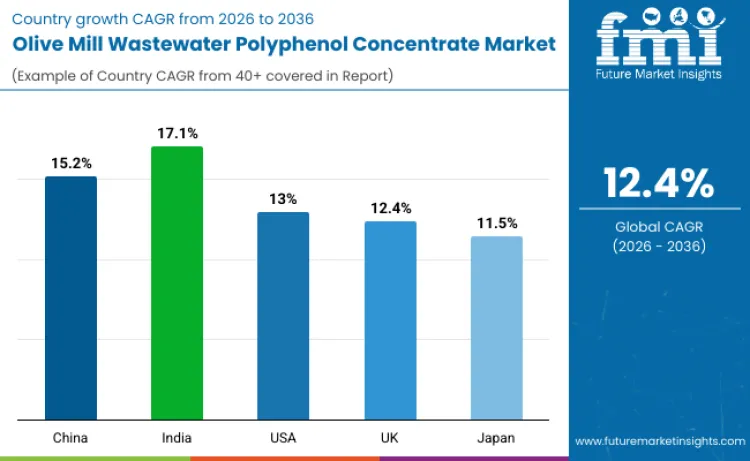
| Country | CAGR (2026 to 2036) |
|---|---|
| China | 15.2% |
| India | 17.1% |
| USA | 13% |
| UK | 12.4% |
| Japan | 11.5% |
What is Driving the Growth of Olive Mill Wastewater Polyphenol Concentrate in China?
The olive mill wastewater polyphenol concentrate market in China is expected to grow at a CAGR of 15.2% over the forecast period. This growth is driven by increasing awareness of the health benefits of polyphenols, particularly their antioxidant and anti-inflammatory properties. The growing demand for natural ingredients in food and beverages, alongside a focus on sustainability in manufacturing practices, is boosting the market. As China strengthens its emphasis on eco-friendly practices and natural health solutions, olive mill wastewater polyphenol concentrate is becoming an increasingly popular ingredient in both the health and cosmetics industries, supporting a steady rise in market growth.
What is Driving the Olive Mill Wastewater Polyphenol Concentrate Market Growth in India?
The olive mill wastewater polyphenol concentrate market in India is forecasted to grow at a CAGR of 17.1%, making it one of the fastest-growing markets globally. The increasing focus on health and wellness, combined with rising consumer demand for natural, plant-based products, is contributing to this market expansion. The antioxidant and anti-aging benefits of polyphenols are driving their adoption in food, beverages, and cosmetics. With the growing middle class and improved disposable income, Indian consumers are seeking high-quality, natural ingredients, which is driving the demand for olive mill wastewater polyphenol concentrate. India’s evolving wellness trends and greater focus on preventive healthcare will continue to support the market’s growth.
What is Influencing the Olive Mill Wastewater Polyphenol Concentrate Market in the USA?
The USA olive mill wastewater polyphenol concentrate market is projected to grow at a CAGR of 13% between 2026 and 2036. The rising consumer preference for natural ingredients in both food and personal care products is a key driver of market expansion. Polyphenols, with their proven antioxidant properties, are increasingly being included in functional foods, beverages, and cosmetics. The growing emphasis on sustainability and clean-label products in the US further supports the demand for olive mill wastewater polyphenol concentrate. With advancements in research highlighting the potential health benefits of polyphenols, the market is poised for steady growth throughout the forecast period.
What is Driving the Olive Mill Wastewater Polyphenol Concentrate Market Growth in the UK?
The UK olive mill wastewater polyphenol concentrate market is forecasted to grow at a CAGR of 12.4% from 2026 to 2036. The demand for polyphenols in health supplements, functional foods, and cosmetics is rising as consumers increasingly focus on natural, plant-based ingredients. The UK's strong focus on sustainability and eco-conscious products is further driving the market, as olive mill wastewater polyphenol concentrate is seen as an environmentally friendly and effective alternative. As the UK continues to embrace clean beauty and wellness trends, the market for polyphenol-rich ingredients is expected to expand, with olive mill wastewater polyphenol concentrate playing a key role in this growth.
What is the Outlook for Olive Mill Wastewater Polyphenol Concentrate in Japan?
The olive mill wastewater polyphenol concentrate market in Japan is expected to grow at a CAGR of 11.5% over the forecast period. Japan has a strong market for natural, health-boosting ingredients, particularly in the food, beverage, and cosmetic sectors. The antioxidant and anti-inflammatory benefits of polyphenols are well-aligned with consumer preferences for longevity and wellness. Additionally, Japan’s aging population is driving demand for ingredients that promote healthy aging, which includes olive mill wastewater polyphenol concentrate. With continued consumer interest in natural ingredients and a growing wellness trend, Japan’s market for olive mill wastewater polyphenol concentrate is poised for steady, long-term growth.
What is the Competitive Landscape for the Global Olive Mill Wastewater Polyphenol Concentrate Market?
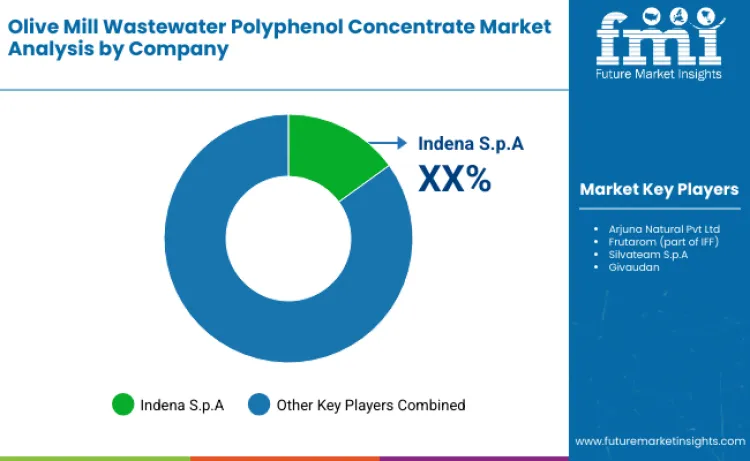
Global demand for olive mill wastewater polyphenol concentrates is expanding as industries seek valuable, natural bioactive ingredients from agricultural by‑products. Olive mill wastewater, long considered an environmental challenge, contains high levels of polyphenols with antioxidant, antimicrobial and anti‑inflammatory properties. Recovery and concentration of these polyphenols support circular‑economy goals by transforming waste streams into high‑value extracts for nutraceuticals, functional foods, dietary supplements, cosmetics and animal‑health applications. Rising consumer interest in plant‑derived antioxidants, clean‑label wellness solutions and sustainable sourcing aligns with the broader trend toward functional ingredients that offer documented health benefits. Growth in markets across North America, Europe and Asia Pacific further supports uptake as formulators seek natural, performance‑driven components that also reflect environmental responsibility.
A focused set of ingredient firms competes to serve this emerging market. Indena S.p.A is recognised as a leading supplier with expertise in botanical extract standardisation, quality control and scalable production of polyphenol concentrates. Other key competitors include Arjuna Natural Pvt Ltd, Frutarom (part of IFF), Silvateam S.p.A and Givaudan, each offering their own variants of olive‑derived polyphenol concentrates or related plant bioactive ingredients adapted to customer needs. Competition among these companies centres on extract purity and potency, consistency across batches, traceability, compliance with food‑ and cosmetic‑grade standards, and technical support for formulation integration. Suppliers that combine rigorous quality assurance, scalable recovery technologies, strong sustainability credentials and robust customer support are best positioned to capture growth as demand for high‑value, waste‑derived polyphenol ingredients continues to rise across global health, wellness and personal‑care markets.
Key Players
- Indena S.p.A
- Arjuna Natural Pvt Ltd
- Frutarom (part of IFF)
- Silvateam S.p.A
- Givaudan
Scope of the Report
| Items | Values |
|---|---|
| Quantitative Units (2026) | USD Million |
| Product Type | Concentrated Polyphenol Powder, Liquid Polyphenol Concentrate, Encapsulated Polyphenol Ingredients, Other Formulations |
| Application | Nutraceuticals & Supplements, Functional Foods & Beverages, Cosmetics & Personal Care, Animal Nutrition |
| Companies | Indena S.p.A, Arjuna Natural Pvt Ltd, Frutarom (part of IFF), Silvateam S.p.A, Givaudan |
| Regions Covered | North America, Latin America, Western Europe, Eastern Europe, South Asia and Pacific, East Asia, Middle East & Africa |
| Countries Covered | United States, Canada, Mexico, Brazil, Argentina, Germany, France, United Kingdom, Italy, Spain, Netherlands, China, India, Japan, South Korea, ANZ, GCC Countries, South Africa |
| Additional Attributes | Dollar by sales by product type, application, and region. Includes market trends in olive mill wastewater polyphenol concentrates, performance in nutraceuticals, supplements, and cosmetic formulations, cost-effectiveness, sustainability practices, regulatory compliance, market share and competitive positioning of key companies, and the role of polyphenol concentrates in enhancing health benefits, skin care, and overall wellness. |
Key Segments in the Olive Mill Wastewater Polyphenol Concentrate Market
By Product Type:
- Concentrated Polyphenol Powder
- Liquid Polyphenol Concentrate
- Encapsulated Polyphenol Ingredients
- Other Formulations
By Application:
- Nutraceuticals & Supplements
- Functional Foods & Beverages
- Cosmetics & Personal Care
- Animal Nutrition
By Region:
- Asia Pacific
- China
- India
- Japan
- South Korea
- ASEAN
- Rest of Asia Pacific
- Europe
- Germany
- United Kingdom
- France
- Italy
- Spain
- Nordic
- BENELUX
- Rest of Europe
- North America
- United States
- Canada
- Mexico
- Latin America
- Brazil
- Chile
- Rest of Latin America
- Middle East & Africa
- Kingdom of Saudi Arabia
- Other GCC Countries
- Turkey
- South Africa
- Other African Union
- Rest of Middle East & Africa
Frequently Asked Questions
How big is the Olive Mill Wastewater Polyphenol Concentrate market?
The market is valued at USD 620 million in 2026 and is expected to grow at a CAGR of 13.5%, reaching USD 2.12 billion by 2036.
What is the growth outlook for the Olive Mill Wastewater Polyphenol Concentrate market?
The market is projected to grow at a CAGR of 13.5% from 2026 to 2036.
Which region is expected to experience the fastest growth in the Olive Mill Wastewater Polyphenol Concentrate market?
India is expected to lead with a growth rate of 17.1%, driven by the rising demand for natural polyphenol ingredients in nutraceuticals and supplements.
What are the key applications of Olive Mill Wastewater Polyphenol Concentrate?
Olive Mill Wastewater Polyphenol Concentrate is primarily used in nutraceuticals and supplements, which account for approximately 42% of the market share, due to its health benefits.
Who are the major players in the Olive Mill Wastewater Polyphenol Concentrate market?
Key players include Indena S.p.A, Arjuna Natural Pvt Ltd, Frutarom (part of IFF), Silvateam S.p.A, and Givaudan.
Preview the report firsthand - request a free sample
Get SampleGet the brochure for pricing and purchase details.
Get PDFTable of Content
- Executive Summary
- Market Overview
- Global Market Value, 2020 to 2025
- Global Market Forecast, 2026 to 2036
- Market Dynamics
- Drivers
- Restraints
- Opportunities
- Regulatory & Standards Landscape
- Technology & Ingredient Innovation Outlook
- Market Segmentation Analysis
- By Product Type
- Concentrated Polyphenol Powder
- Liquid Polyphenol Concentrate
- Encapsulated Polyphenol Ingredients
- Other Formulations
- By Application
- Nutraceuticals & Supplements
- Functional Foods & Beverages
- Cosmetics & Personal Care
- Animal Nutrition
- By Product Type
- Regional Outlook
- North America
- Latin America
- Western Europe
- Eastern Europe
- South Asia & Pacific
- East Asia
- Middle East & Africa
- Country-Level Outlook
- United States
- Canada
- Mexico
- Brazil
- Argentina
- Germany
- France
- United Kingdom
- Italy
- Spain
- Netherlands
- China
- India
- Japan
- South Korea
- ANZ
- GCC Countries
- South Africa
- Competitive Landscape
- Market Structure Overview
- Company Positioning
- Strategic Initiatives
- Key Player Profiles
- Scope of the Report
- Research Methodology
- Assumptions & Acronyms


