

- CAGR (2025 to 2035)
- 5.7%
Rigid IBC Market Size and Share Forecast Outlook From 2025 to 2035
The Rigid IBC (Intermediate Bulk Container) market is expanding steadily due to rising demand for efficient storage, transportation, and handling of bulk liquids and solids in industries such as chemicals, food & beverages, and pharmaceuticals.
Leading companies, including Mauser Group, SCHÜTZ, and Greif, are driving innovation with durable, reusable, and eco-friendly IBC designs. The market is projected to grow at a CAGR of 5.7%, reaching USD 35910.5 million by 2035. Emphasis on sustainability, cost-efficient operations, and increasing global trade propels this market forward.
| Attribute | Details |
|---|---|
| Projected Value by 2035 | USD 35910.5 million |
| CAGR (2025 to 2035) | 5.7% |
SWOT Analysis of Leading Players in the Rigid IBC Market
Mauser Group excels in offering reusable and sustainable IBC solutions, SCHÜTZ leads with high-performance IBC designs with global pooling systems, and Greif innovates with lightweight and durable options tailored for various applications.
Weaknesses
High production costs for sustainable IBC materials challenge affordability. Competition from alternative packaging solutions, such as drums and flexible IBCs, limits market penetration in certain sectors.
Vendor Performance of Rigid IBC Market Global Market Share & Industry Share (%)
| Category | Market Share (%) |
|---|---|
| Top 3 Players (Mauser Group, SCHÜTZ, Greif) | 15% |
| Rest of Top 5 Players | 08% |
| Next 5 of Top 10 Players | 05% |
Type of Player & Industry Share (%), 2025
| Player Tier | Industry Share (%) |
|---|---|
| Top 10 Players | 28% |
| Next 20 Players | 42% |
| Remaining Players | 30% |
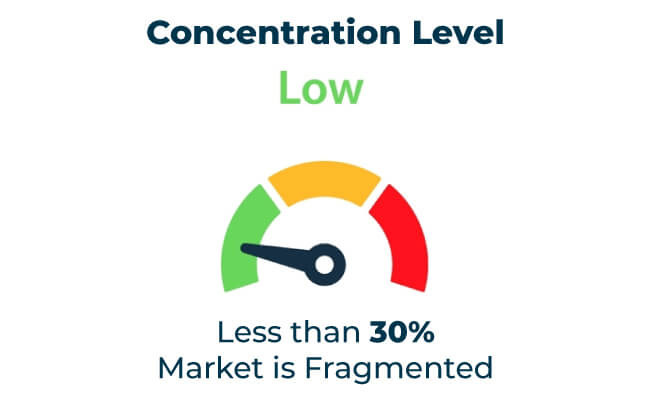
Key Rigid IBC Market Players and Concentration 2025E
Year-over-Year Leaders
Mauser Group drives sustainability with reusable IBC systems, SCHÜTZ innovates with high-performance pooling solutions, and Greif leads with eco-friendly, lightweight container designs.
Vendor Insights of Rigid IBC Market
Mauser Group pioneers durable, sustainable IBCs for efficient supply chain management. SCHÜTZ focuses on high-quality IBCs that meet global pooling standards. Greif specializes in lightweight, recyclable IBCs tailored for a wide range of industries.
Technology Trends in the Rigid IBC Market
- Sustainable Materials: Companies are adopting recyclable plastics and high-strength metals for IBC production.
- Smart IBCs: Integration of RFID and IoT technology enables real-time tracking and monitoring.
- Modular IBC Designs: Manufacturers focus on creating versatile, stackable solutions to optimize storage and logistics.
Sustainability Trends
The Rigid IBC market aligns with global sustainability goals by prioritizing recyclable materials and energy-efficient manufacturing practices.
Key Sustainability Phenomena
- Recyclable Materials: Companies increasingly use HDPE and stainless steel to improve recyclability.
- Energy-Efficient Production: Manufacturers reduce emissions by optimizing production processes.
- Reusable Systems: Firms promote IBC pooling and refurbishment to minimize waste and extend product lifecycle.
Consumer Trends
- Cost-Efficiency: Industries prioritize reusable IBCs to reduce operational costs and improve ROI.
- Sustainability: Consumers demand eco-friendly IBC solutions that align with environmental goals.
- Customizability: Companies seek IBCs tailored for specific use cases, such as hazardous materials or food-grade liquids.
Regulatory Insights of Rigid IBC Market
North America enforces stringent safety and material standards for transporting hazardous goods. Europe leads with regulations promoting sustainable packaging and reusable systems. Asia-Pacific shows rapid growth in adopting sustainable IBCs, driven by industrial expansion and export activities.
Export Opportunities in the Rigid IBC Market
Emerging markets in Asia-Pacific, Africa, and Latin America drive demand for durable and cost-effective IBCs, creating opportunities for manufacturers to expand globally.
Challenges and Opportunities in the Rigid IBC Market
Challenges
High costs of sustainable materials and limited recycling infrastructure in certain regions restrict adoption. Additionally, competition from drums and flexible containers poses challenges.
Opportunities
The growth of food, beverage, and chemical industries in emerging markets creates significant demand for durable and sustainable IBC solutions. Smart IBC technologies provide opportunities for supply chain optimization.
Market Context of Rigid IBC Market
Regional Analysis
This section evaluates the geographic dynamics shaping the caps and closure market. By analyzing key regions such as North America, Europe, Asia-Pacific, and other emerging markets, we gain insights into the drivers and market shares that define their contributions.
| Region | North America |
|---|---|
| Market Share (%) | 35% |
| Key Drivers | Demand for safety-compliant, reusable IBCs. |
| Region | Europe |
|---|---|
| Market Share (%) | 30% |
| Key Drivers | Sustainability mandates and advanced designs. |
| Region | Asia-Pacific |
|---|---|
| Market Share (%) | 25% |
| Key Drivers | Industrial growth and increasing exports. |
| Region | Other Regions |
|---|---|
| Market Share (%) | 10% |
| Key Drivers | Rising adoption of cost-efficient IBC solutions. |
End-Use Industry Segments
- Chemicals (40%) dominates due to the need for safe, durable containers. Food & Beverages (30%) grows with demand for hygiene-compliant IBCs. Pharmaceuticals (20%) expand as secure, tamper-proof packaging gains importance. Other Industries (10%) adopt IBCs for custom applications.
Recommendations for Technology Suppliers in the Rigid IBC Market
- Adopt Sustainable Materials: Develop eco-friendly and recyclable IBC designs.
- Invest in Smart IBCs: Create IoT-enabled solutions for tracking and monitoring.
- Expand in Emerging Markets: Target high-growth regions like Asia-Pacific and Latin America.
Future Roadmap of Rigid IBC Market
The Rigid IBC market will grow as industries focus on sustainability, automation, and global trade. Companies investing in advanced materials, smart technologies, and emerging market opportunities will shape the future of this dynamic sector.
Market KPIs of Rigid IBC Market
- Regional Growth Rates highlight significant increases in Asia-Pacific and Latin America, while
- Segment-Specific Metrics track adoption in chemicals, food & beverages, and pharmaceuticals.
Key Influencers Who Shaped the Year in the Rigid IBC Market
Mauser Group introduced scalable and reusable IBC systems, SCHÜTZ expanded its portfolio of pooling solutions, and Greif led with recyclable, lightweight IBC designs.
Key Players in the Rigid IBC Market
- Mauser Group dominates with durable and sustainable IBC systems.
- SCHÜTZ specializes in high-performance pooling solutions.
- Greif innovates with lightweight and recyclable IBC designs.
Tier-Wise Vendor Classification in the Rigid IBC Market
This classification categorizes vendors based on their influence and market presence, providing insights into their strengths and contributions to the market. Tier 1 companies, such as Mauser Group, SCHÜTZ, and Greif, lead with innovative and scalable solutions.
Tier 2 players, including Thielmann and Hoover CS, maintain strong regional operations. Tier 3 vendors, such as Snyder Industries and Bulk Handling Australia, focus on niche products and emerging opportunities.
| Tier | Key Companies |
|---|---|
| Tier 1 | Mauser Group, SCHÜTZ, Greif |
| Tier 2 | Thielmann, Hoover CS |
| Tier 3 | Snyder Industries, Bulk Handling Australia |
Key Vendor Initiatives in the Rigid IBC Market
Mauser Group developed modular and reusable IBC solutions, SCHÜTZ focused on high-strength pooling systems, and Greif introduced IoT-enabled smart IBCs for real-time monitoring.
Conclusion
The Rigid IBC market is poised for steady growth as industries focus on sustainability, safety, and global trade. Companies investing in innovative designs, IoT-enabled solutions, and emerging market expansion will shape the future of this vital industry.
Appendix
Key Definitions
- Rigid IBCs: Durable containers used for transporting and storing bulk liquids and solids.
- Sustainable Materials: Eco-friendly materials such as HDPE and stainless steel.
- Smart IBCs: Containers equipped with IoT sensors for tracking and monitoring.
Research Methodology
Primary research involved interviews with industry stakeholders, while secondary research included analysis of industry reports and market data. Findings were validated through expert opinions and triangulation.
Market Definition
The Rigid IBC market encompasses durable, reusable, and sustainable solutions designed for efficient storage and transportation in industries such as chemicals, food & beverages, and pharmaceuticals.
Top Segments Studied in the Rigid IBC Market Report
Regional Analysis:
- North America
- Europe
- Asia-Pacific
- Other Regions
End-Use Industry Segments:
- Chemicals
- Food & Beverages
- Pharmaceuticals
- Other Industries
Frequently Asked Questions
What drives the growth of the Rigid IBC Market?
Increasing demand for sustainable, durable, and reusable containers for industrial applications.
What is the projected growth of the Rigid IBC Market by 2035?
The market is expected to grow at a CAGR of 5.7%, reaching USD 35910.5 million by 2035.
Who are the leading players in the Rigid IBC Market?
Mauser Group, SCHÜTZ, and Greif are among the top players.
What percentage of the market do the top 10 players hold?
The top 10 players hold approximately 85% of the global market share.
What regions are driving market growth?
Asia-Pacific and Latin America show significant growth due to industrial expansion and export demands.
Preview the report firsthand - request a free sample
Get SampleGet the brochure for pricing and purchase details.
Get PDFTable of Content
- Executive Summary
- SWOT Analysis of Leading Players
- Vendor Performance
- Technology Trends
- Sustainability Trends
- Consumer Trends
- Regulatory Insights
- Export Opportunities
- Challenges and Opportunities
- Market Context
- Recommendations for Technology Suppliers
- Future Roadmap
- Market KPIs
- Who Shaped the Year
- Key Players
- Tier-Wise Vendor Classification
- Key Vendor Initiatives
- Conclusion
- Appendix


