

- Industry Size (2026)
- USD 291.6 Mn
- Forecast (2036)
- USD 504 Mn
- CAGR (2026 to 2036)
- 5.1%
Demand for Smoke Ingredients for Food in USA Forecast and Outlook 2026 to 2036
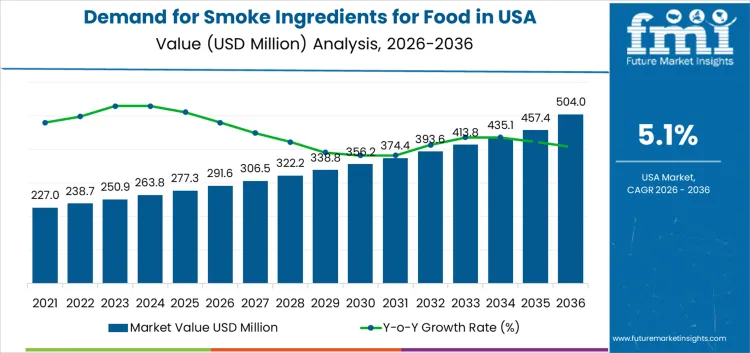
The demand for smoke ingredients for food in the USA is projected to grow from USD 291.6 million in 2026 to USD 504 million by 2036, reflecting a 5.1% CAGR. The demand is segmented by form, application, and region. Liquid smoke ingredients lead with 58% of the demand, driven by their versatility and ease of use in various food products, including meats, snacks, sauces, and bakery items. Powdered and ultra-refined smoke ingredients follow, contributing to the remainder of the industry. The bakery and confectionery application holds the largest share at 42%, driven by the growing interest in unique, smoky flavors in products like smoked breads, cakes, and candies.
Quick Stats of the Demand for Smoke Ingredients for Food in USA
- Demand for Smoke Ingredients for Food in USA Value (2026): USD 291.6 million
- Demand for Smoke Ingredients for Food in USA Forecast Value (2036): USD 504 million
- Demand for Smoke Ingredients for Food in USA Forecast CAGR (2026-2036): 5.1%
- Demand for Smoke Ingredients for Food in USA Leading Form: Liquid
- Demand for Smoke Ingredients for Food in USA Key Growth Regions: West USA, South USA, Northeast USA, Midwest USA
- Demand for Smoke Ingredients for Food in USA Top Players: MSK, Redbrook Ingredients Services, FRUTAROM Savory Solutions GmbH, Besmoke, Dempsey Corporation
West USA leads the demand for smoke ingredients, growing at a 5.9% CAGR, supported by a strong presence of food processing, beverage manufacturing, and gourmet food trends. The region's focus on natural and clean-label ingredients further drives the demand for smoke ingredients. South USA follows with a 5.3% CAGR, with its rich culinary tradition and expanding food manufacturing sectors contributing to the growing need for smoke flavoring, especially in barbecue and smoked products. Northeast USA shows a 4.7% CAGR, with a focus on premium, artisanal food products. Midwest USA experiences moderate growth at 4.1% CAGR, with steady demand from the food processing industry, particularly in snack and convenience food sectors.
Demand for Smoke Ingredients for Food in USA Key Takeaways
| Metric | Value |
|---|---|
| Demand for Smoke Ingredients for Food in USA Value (2026) | USD 291.6 million |
| Demand for Smoke Ingredients for Food in USA Forecast Value (2036) | USD 504 million |
| Demand for Smoke Ingredients for Food in USA Forecast CAGR (2026-2036) | 5.1% |
Why is the Demand for Smoke Ingredients for Food in USA Growing?
The demand for smoke ingredients for food in the USA is growing due to the increasing consumer preference for natural flavors, especially in processed foods. Smoke ingredients, such as liquid smoke, smoked salts, and smoked oils, are used to impart authentic, rich, and complex flavors to a variety of food products, including meats, cheeses, snacks, and sauces. As consumers continue to seek products with unique flavor profiles and enhanced taste experiences, the use of smoke ingredients as flavor enhancers is becoming more widespread across the food industry. The shift toward clean-label products, where food is flavored with natural, recognizable ingredients, is fueling the adoption of smoke ingredients in food processing.
Key drivers for this growth include the rising popularity of smoked food products, which are often perceived as more artisanal or premium. As consumer demand for gourmet, ready-to-eat, and convenience food products rises, manufacturers are increasingly incorporating smoke ingredients to differentiate their offerings. Moreover, the growing trend of plant-based diets is driving the demand for smoke ingredients to enhance the flavor profiles of vegetarian and vegan alternatives, particularly in products like plant-based meats, which are often smoked to mimic the taste of traditional smoked meats.
The increasing use of smoke ingredients for improving shelf life, as well as enhancing both taste and aroma, is further contributing to their adoption in the food industry. Despite challenges such as regulatory scrutiny regarding the safety of certain smoke flavoring compounds and the relatively high cost of smoke ingredients, the demand for unique and authentic flavors is expected to drive steady growth in the demand for smoke ingredients for food in the USA through 2036.
What is the Segment-Wise Analysis of Demand for Smoke Ingredients for Food in USA?
Demand for smoke ingredients for food in the USA is segmented by form, application, and region. By form, liquid smoke ingredients lead with 58% of the demand, followed by powder and ultra refined forms. In terms of application, bakery and confectionery account for 42% of the demand, with dairy, meat and seafood, and snacks and sauces making up the remaining share. Regionally, demand is distributed across West USA, South USA, Northeast USA, and Midwest USA.
How Does Liquid Form Lead the Demand for Smoke Ingredients for Food in USA?
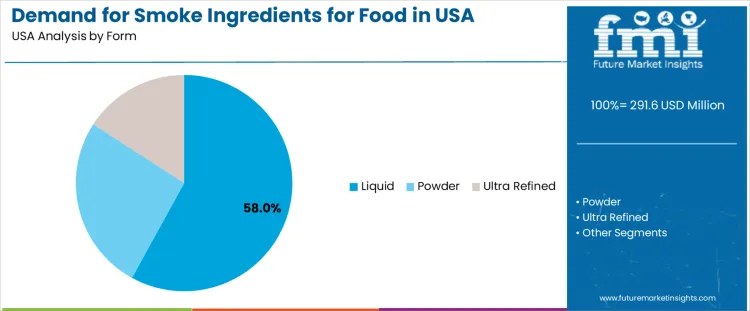
Liquid smoke ingredients account for 58% of the demand in the USA, driven by their ease of use and versatility in food preparation. Liquid smoke is widely used for imparting authentic smoky flavors to a wide range of products, from meats to snacks, sauces, and bakery items. The convenience of liquid form, which allows for precise flavoring without the need for smoking equipment or lengthy processes, has made it the preferred choice in both commercial and household food applications. Liquid smoke is highly cost-effective compared to traditional smoking methods, making it accessible for both large-scale production and small-batch culinary applications. As the demand for smoky flavors continues to rise, especially in ready-to-eat and processed food products, liquid smoke ingredients will continue to lead the industry, particularly in sectors like bakery, sauces, and snacks.
How Does Bakery and Confectionery Application Lead the Demand for Smoke Ingredients for Food in USA?
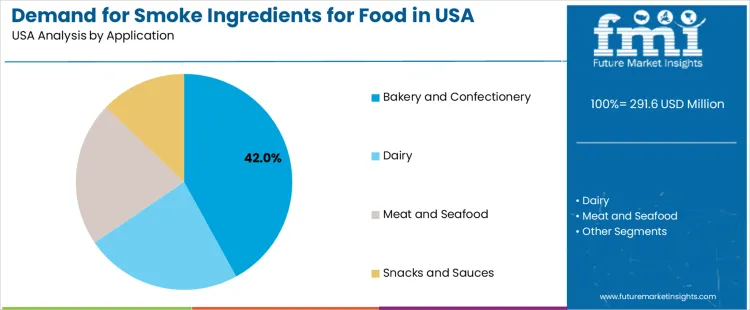
Bakery and confectionery applications account for 42% of the demand for smoke ingredients for food in the USA, driven by the increasing popularity of unique and innovative flavor profiles. In the bakery and confectionery sectors, smoke ingredients are used to enhance the flavor of various products, from smoked breads and cakes to smoked candies and chocolates. These ingredients offer a distinct smoky flavor that is becoming more sought after by consumers looking for novel taste experiences. The growing trend of gourmet and artisanal food production, combined with consumer interest in smoky flavors, fuels demand in this application. As the bakery and confectionery industries continue to explore new flavors and food combinations, the use of smoke ingredients, particularly liquid smoke, is expected to expand, solidifying its role in enhancing food products in these sectors.
What are the Key Trends, Drivers and Restraints in Demand for Smoke Ingredients for Food in USA?
Demand for smoke ingredients for food in the USA is rising as food producers and chefs seek authentic flavor profiles in meats, sauces, snacks, plant‑based products and prepared foods. Key trends include clean label preferences, growth in ready‑to‑eat and convenience foods, and rising interest in barbecue, grilled and smoky flavors. Drivers include popularity of craft and specialty foods and consumer desire for bold tastes. Restraints include health sentiment around smoked foods, potential regulatory limits on certain smoke compounds, and competition from alternative flavor enhancers that mimic smoke notes.
Why is Demand for Smoke Ingredients for Food Growing in USA?
Demand for smoke ingredients in the USA is growing because consumers increasingly seek bold, smoky flavors across a variety of food categories. Barbecue and grilled experiences are popular both in restaurants and at home, and food manufacturers use smoke ingredients to deliver consistent flavor at scale. Smoke ingredients help reduce the need for traditional smoking processes, which can be time‑intensive, costly, and inconsistent. As plant‑based and alternative protein products expand, smoke flavor helps mimic traditional grilled and meat‑like profiles. The rise of ready‑to‑heat meals, snack items and flavored sauces supports broader use of smoke ingredients. Growing culinary creativity and flavor trends further stimulate demand.
How are Technological and Industry Innovations Driving Smoke Ingredients Demand in USA?
Technological and formulation innovations are enhancing demand for smoke ingredients in the USA by improving flavor quality, consistency and safety. Advances in extraction and distillation allow producers to capture rich smoke profiles from different woods, creating diverse flavor options tailored to specific foods. Enhanced liquid smoke technologies improve solubility and stability in various applications, from sauces to marinated proteins. Clean label approaches support natural smoke concentrates that meet consumer preference for recognizable ingredients. Innovations in sensory science help food developers fine‑tune intensity and balance, enabling more sophisticated and appealing products. These developments make smoke ingredients easier to integrate into modern food processing and product development.
What are the Key Challenges and Risks That Could Limit Smoke Ingredients Demand in USA?
Health concerns related to smoked foods and potential carcinogenic compounds can influence consumer perception, leading some producers to reduce smoky flavor usage. Regulatory scrutiny around smoke additives and labeling requirements may increase compliance costs. Some consumers may prefer fresh or lighter flavor profiles, reducing reliance on strong smoke tastes in certain categories. Competition from alternative flavorings that mimic smoke without traditional smoke compounds may capture part of the industry. Variability in raw material sources and quality can impact consistency, making formulation more complex for manufacturers.
What is the Regional Demand Outlook for Smoke Ingredients for Food in USA?
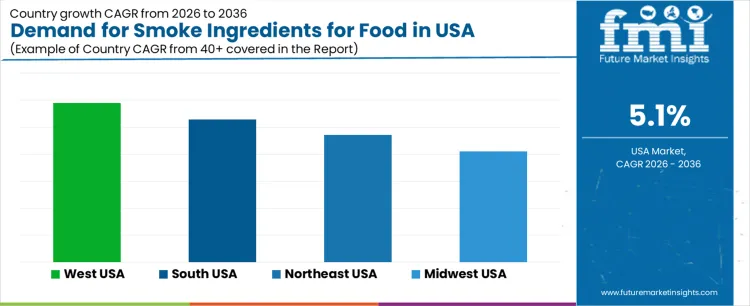
| Region | CAGR (%) |
|---|---|
| West USA | 5.9% |
| South USA | 5.3% |
| Northeast USA | 4.7% |
| Midwest USA | 4.1% |
Demand for smoke ingredients for food in the USA is growing steadily, with West USA leading at a 5.9% CAGR, driven by its innovative food sector and increasing preference for natural flavors. South USA follows with a 5.3% CAGR, supported by the region’s rich culinary tradition and expanding food manufacturing base. Northeast USA shows a 4.7% CAGR, fueled by the region’s focus on premium and artisanal food products. Midwest USA experiences a 4.1% CAGR, with steady growth driven by its strong food processing industry and evolving consumer preferences for bold and authentic flavors.
How is Demand for Smoke Ingredients for Food Growing in West USA?
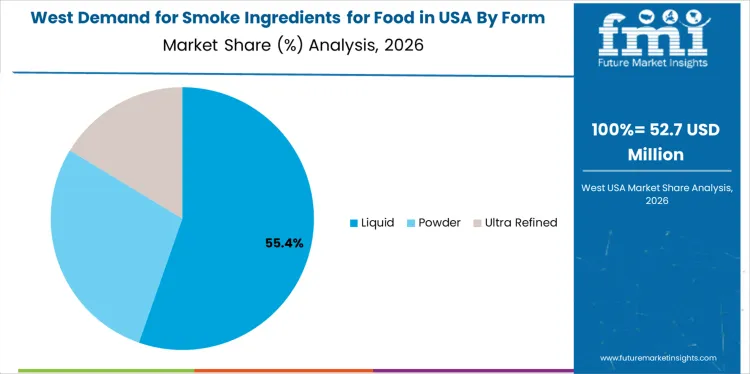
West USA leads the demand for smoke ingredients for food, growing at a 5.9% CAGR. The region’s large and diverse food processing sector, particularly in states like California, Oregon, and Washington, drives the growth of flavored and smoked products. Smoke ingredients are widely used to add unique flavors to various foods such as meats, cheeses, and snacks, making them popular among consumers who seek premium, authentic flavors. The growing trend of natural and clean-label ingredients further fuels the demand for smoke flavoring as it is often seen as a more natural alternative to artificial flavoring agents. West’s focus on sustainability and health-conscious eating contributes to the demand for smoke ingredients made from high-quality, organic, and natural sources. As consumer interest in gourmet and premium foods rises, the demand for smoke ingredients will continue to grow across the region.
Why is Demand for Smoke Ingredients for Food Rising in South USA?
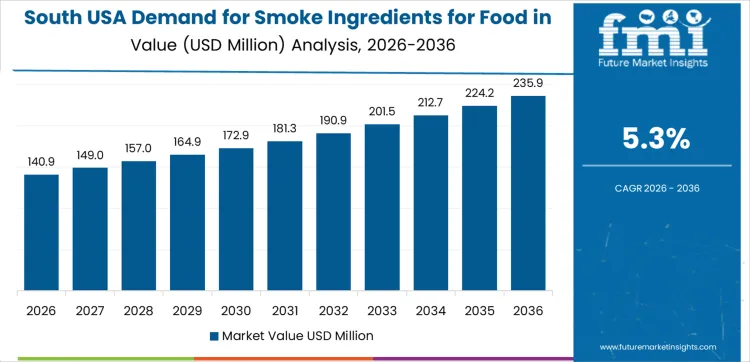
South USA is experiencing steady demand for smoke ingredients for food, with a 5.3% CAGR. The region’s rich culinary tradition, particularly in barbecue and smoked foods, plays a significant role in driving the demand for smoke ingredients. States like Texas, Florida, and Georgia are known for their barbecue culture, where smoked meats and other food products are staples. As the region continues to expand its food manufacturing and processing sectors, smoke ingredients are increasingly used in packaged food products, seasonings, and snacks. The growing popularity of authentic, bold flavors and natural, clean-label products is further contributing to this demand. Consumers in the South are increasingly seeking high-quality, smoke-infused foods that align with traditional flavor profiles while offering convenience. As demand for specialty and premium food products continues to grow, the South will continue to see a steady increase in the use of smoke ingredients in food production.
How is Demand for Smoke Ingredients for Food Expanding in Northeast USA?
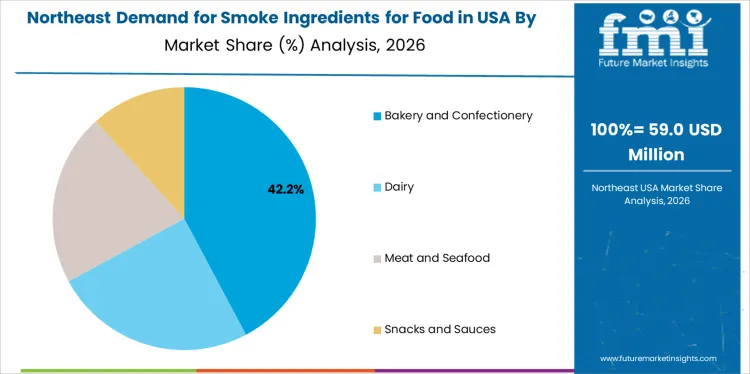
Northeast USA is seeing steady demand for smoke ingredients for food, with a 4.7% CAGR. The region’s focus on innovative food products, premium ingredients, and evolving culinary trends is contributing to the growing adoption of smoke ingredients. States like New York, Pennsylvania, and Massachusetts have a strong presence of food manufacturers that use smoke flavoring in a variety of products, from smoked meats to snacks and even beverages. The increasing consumer preference for natural and authentic flavors is pushing food manufacturers in the Northeast to turn to smoke ingredients as a way to meet these demands. The region’s expanding interest in artisanal and gourmet food products further supports the adoption of smoke ingredients, especially in premium and high-quality food offerings. As the demand for premium, flavorful food continues to grow in the Northeast, the use of smoke ingredients will continue to expand, supporting the region’s culinary innovation.
How is Demand for Smoke Ingredients for Food Growing in Midwest USA?
Midwest USA is experiencing moderate demand for smoke ingredients for food, with a 4.1% CAGR. The region’s established food processing industry, particularly in states like Illinois, Michigan, and Ohio, is driving the adoption of smoke ingredients in various food products. The Midwest is known for its diverse food offerings, including processed meats, snacks, and dairy products, where smoke ingredients are increasingly used to add flavor and appeal. As consumer preferences shift toward natural and bold flavors, food manufacturers in the Midwest are incorporating smoke flavoring to meet these demands, especially in the snack and convenience food sectors. The growing interest in organic and clean-label products is encouraging food producers to explore smoke ingredients as a natural flavoring alternative. As the Midwest’s food manufacturing sector continues to expand and evolve, the demand for smoke ingredients will continue to rise, particularly as the focus on authentic and premium food products increases.
What is the Competitive Landscape of Smoke Ingredients for Food in USA?
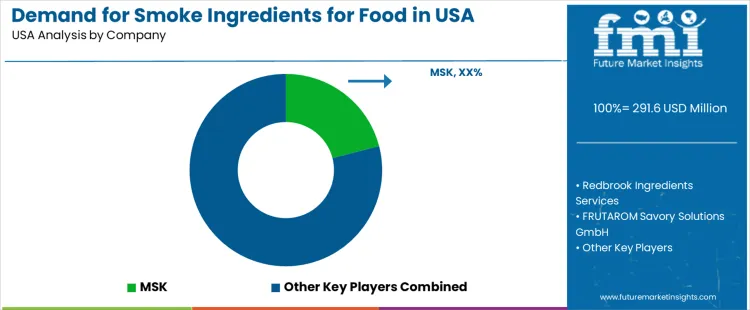
Demand for smoke ingredients for food in the USA is growing as consumers seek enhanced flavors and more natural ways to add smokiness to their food. Smoke ingredients, including liquid smoke, smoke powders, and smoke flavorings, are widely used in the food industry to replicate traditional smoking methods, offering a cost-effective and time-saving solution while maintaining authentic, smoky flavors. As trends in clean labeling and natural ingredients continue to rise, the demand for high-quality smoke ingredients is expected to grow, especially in the meat, snack, and prepared food sectors.
MSK is a key player in the smoke ingredients industry, offering a wide range of products tailored for food manufacturers looking to add a smokey flavor to their products. MSK’s strategy focuses on providing natural and high-quality smoke solutions that meet industry standards for flavor consistency and safety. The company’s commitment to product innovation and clean-label solutions has helped it secure a strong position in the industry.
Redbrook Ingredients Services provides customized smoke flavor solutions, catering to a wide range of food applications. FRUTAROM Savory Solutions, now part of IFF, specializes in flavor creation and offers liquid and powdered smoke ingredients that help manufacturers replicate authentic smoked flavors without the need for traditional smoking processes. Besmoke focuses on providing natural smoke ingredients, with an emphasis on creating clean, authentic flavors for the food industry. Dempsey Corporation delivers a variety of smoke flavor products, specializing in high-quality, versatile smoke solutions for both small-scale and large-scale food producers. As the industry continues to evolve, these companies are competing by offering more innovative, sustainable, and versatile smoke ingredients that align with growing consumer demand for natural and clean-label food products.
Key Players in USA Smoke Ingredients Demand
- MSK
- Redbrook Ingredients Services
- FRUTAROM Savory Solutions GmbH
- Besmoke
- Dempsey Corporation
Scope of Report
| Items | Values |
|---|---|
| Quantitative Units (2026) | USD million |
| Key Segments | Liquid, Powder, Ultra Refined |
| Application | Dairy, Bakery and Confectionery, Meat and Seafood, Snacks and Sauces |
| Key Country | USA |
| Region | West USA, South USA, Northeast USA, Midwest USA |
| Key Players Profiled | MSK, Redbrook Ingredients Services, FRUTAROM Savory Solutions GmbH, Besmoke, Dempsey Corporation |
| Additional Attributes | Dollar sales by form and application; regional CAGR and growth trends in smoke ingredients demand in the USA |
USA Smoke Ingredients Demand by Key Segments
Form:
- Liquid
- Powder
- Ultra Refined
Application:
- Dairy
- Bakery and Confectionery
- Meat and Seafood
- Snacks and Sauces
Region:
- West USA
- South USA
- Northeast USA
- Midwest USA
Frequently Asked Questions
How big is the demand for smoke ingredients for food in USA in 2026?
The demand for smoke ingredients for food in USA is estimated to be valued at USD 291.6 million in 2026.
What will be the size of smoke ingredients for food in USA in 2036?
The market size for the smoke ingredients for food in USA is projected to reach USD 504.0 million by 2036.
How much will be the demand for smoke ingredients for food in USA growth between 2026 and 2036?
The demand for smoke ingredients for food in USA is expected to grow at a 5.1% CAGR between 2026 and 2036.
What are the key product types in the smoke ingredients for food in USA?
The key product types in smoke ingredients for food in USA are liquid, powder and ultra refined.
Which application segment is expected to contribute significant share in the smoke ingredients for food in USA in 2026?
In terms of application, bakery and confectionery segment is expected to command 42.0% share in the smoke ingredients for food in USA in 2026.
Preview the report firsthand - request a free sample
Get SampleGet the brochure for pricing and purchase details.
Get PDFTable of Content
- Executive Summary
- USA Market Outlook
- Demand-side Trends
- Supply-side Trends
- Technology Roadmap Analysis
- Analysis and Recommendations
- Market Overview
- Market Coverage / Taxonomy
- Market Definition / Scope / Limitations
- Market Background
- Market Dynamics
- Drivers
- Restraints
- Opportunity
- Trends
- Scenario Forecast
- Demand in Optimistic Scenario
- Demand in Likely Scenario
- Demand in Conservative Scenario
- Opportunity Map Analysis
- Product Life Cycle Analysis
- Supply Chain Analysis
- Investment Feasibility Matrix
- Value Chain Analysis
- PESTLE and Porter’s Analysis
- Regulatory Landscape
- Regional Parent Market Outlook
- Production and Consumption Statistics
- Import and Export Statistics
- Market Dynamics
- USA Market Analysis 2020 to 2024 and Forecast, 2025 to 2035
- Historical Market Size Value (USD Million) Analysis, 2020 to 2024
- Current and Future Market Size Value (USD Million) Projections, 2025 to 2035
- Y-o-Y Growth Trend Analysis
- Absolute $ Opportunity Analysis
- USA Market Pricing Analysis 2020 to 2024 and Forecast 2025 to 2035
- USA Market Analysis 2020 to 2024 and Forecast 2025 to 2035, By Form
- Introduction / Key Findings
- Historical Market Size Value (USD Million) Analysis By Form , 2020 to 2024
- Current and Future Market Size Value (USD Million) Analysis and Forecast By Form , 2025 to 2035
- Liquid
- Powder
- Ultra Refined
- Y-o-Y Growth Trend Analysis By Form , 2020 to 2024
- Absolute $ Opportunity Analysis By Form , 2025 to 2035
- USA Market Analysis 2020 to 2024 and Forecast 2025 to 2035, By Application
- Introduction / Key Findings
- Historical Market Size Value (USD Million) Analysis By Application, 2020 to 2024
- Current and Future Market Size Value (USD Million) Analysis and Forecast By Application, 2025 to 2035
- Bakery and Confectionery
- Dairy
- Meat and Seafood
- Snacks and Sauces
- Y-o-Y Growth Trend Analysis By Application, 2020 to 2024
- Absolute $ Opportunity Analysis By Application, 2025 to 2035
- Market Structure Analysis
- Competition Dashboard
- Competition Benchmarking
- Market Share Analysis of Top Players
- By Regional
- By Form
- By Application
- Competition Analysis
- Competition Deep Dive
- MSK
- Overview
- Product Portfolio
- Profitability by Market Segments (Product/Age /Sales Channel/Region)
- Sales Footprint
- Strategy Overview
- Marketing Strategy
- Product Strategy
- Channel Strategy
- Redbrook Ingredients Services
- FRUTAROM Savory Solutions GmbH
- Besmoke
- Dempsey Corporation
- MSK
- Competition Deep Dive
- Assumptions & Acronyms Used
- Research Methodology


