

- Industry Size (2026)
- USD 380 Mn
- Forecast (2036)
- USD 1220 Mn
- CAGR (2026 to 2036)
- 12%
Drag-Reduction Film Applications for Wing and Empennage Surfaces Market Forecast and Outlook 2026 to 2036
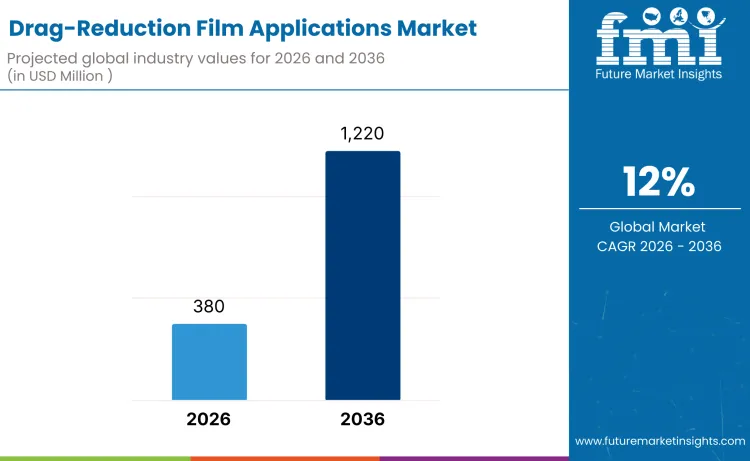
The global drag-reduction film applications for wing and empennage surfaces market, valued at USD 380 million in 2026, is projected to grow to USD 1,220 million by 2036, with a CAGR of 12%. This growth is driven by the increasing demand for technologies that enhance aircraft fuel efficiency and overall performance.
Nano-textured drag-reduction films, which account for 36% of the film technology market share, are gaining traction for their ability to minimize drag and improve aerodynamic performance. Commercial aircraft wing surfaces, representing 48% of the application market, are the primary consumers of these films due to their significant impact on reducing fuel consumption and improving flight efficiency. The market’s expansion is further supported by the aviation industry's focus on optimizing performance and reducing operational costs through innovative aerodynamic solutions.
Quick Stats for Drag-Reduction Film Applications for Wing and Empennage Surfaces Market
- Drag-Reduction Film Applications for Wing and Empennage Surfaces Market Value (2026): USD 380 million
- Drag-Reduction Film Applications for Wing and Empennage Surfaces Market Forecast Value (2036): USD 1,220 million
- Drag-Reduction Film Applications for Wing and Empennage Surfaces Market Global Forecast CAGR (2026 to 2036): 12%
- Top Application by Share in Drag-Reduction Film Applications for Wing and Empennage Surfaces Market: Commercial Aircraft Wing Surfaces (48%)
- Key Growth Regions in Drag-Reduction Film Applications for Wing and Empennage Surfaces Market: China, India, USA, UK, Japan
- Top Players in Drag-Reduction Film Applications for Wing and Empennage Surfaces Market: 3M Company, Hexcel Corporation, PPG Aerospace, AkzoNobel Aerospace Coatings, Saint-Gobain Performance Plastics
Drag-Reduction Film Applications for Wing and Empennage Surfaces Market Key Takeaways
| Metric | Value |
|---|---|
| Industry Sales Value (2026) | USD 380 million |
| Industry Forecast Value (2036) | USD 1,220 million |
| Industry Forecast CAGR (2026-2036) | 12% |
What Are the Key Segments in Drag-Reduction Film Applications for Wing and Empennage Surfaces Market?
The drag-reduction film applications for wing and empennage surfaces market is segmented by film technology and application. Nano-textured drag-reduction films lead the film technology segment with 36% of the market share, offering enhanced aerodynamic efficiency. Commercial aircraft wing surfaces dominate the application segment with 48%, driven by the need for improved fuel efficiency and reduced drag. The market is expanding as the aviation industry increasingly adopts advanced technologies to optimize aircraft performance and reduce operational costs.
Which Film Technology Drives Drag-Reduction Film Applications for Wing and Empennage Surfaces Market Demand Globally?
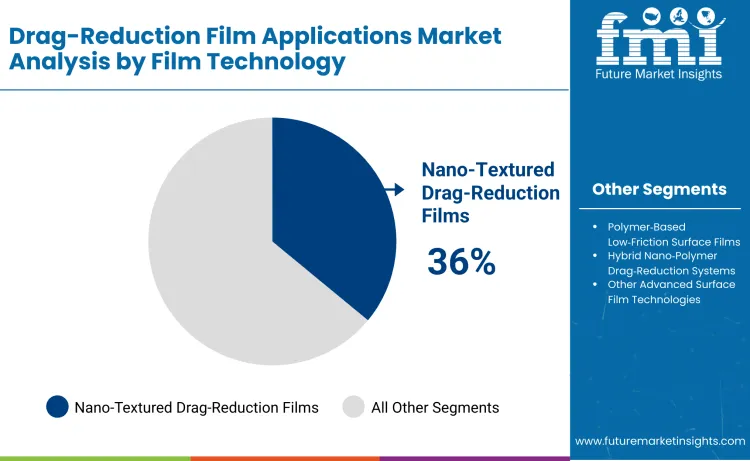
Nano-textured drag-reduction films hold 36% of the market share. These films use nano-texture patterns to manipulate airflow over the wing and empennage surfaces, reducing drag and improving aerodynamic efficiency. The primary advantage of nano-textured films is their ability to enhance the performance of aircraft without significantly increasing weight or complexity. These films are designed to maintain the smoothness of the aircraft's surface while reducing turbulent airflow, leading to lower fuel consumption and better overall performance. As fuel efficiency remains a top priority in the aerospace industry, the adoption of nano-textured drag-reduction films is expected to increase, particularly for commercial aircraft, which are under constant pressure to reduce operating costs. Nano-textured films are an ideal solution for achieving these objectives, making them a dominant choice for improving aerodynamic efficiency and reducing fuel consumption.
Which Application Drives Drag-Reduction Film Applications for Wing and Empennage Surfaces Market Demand Globally?
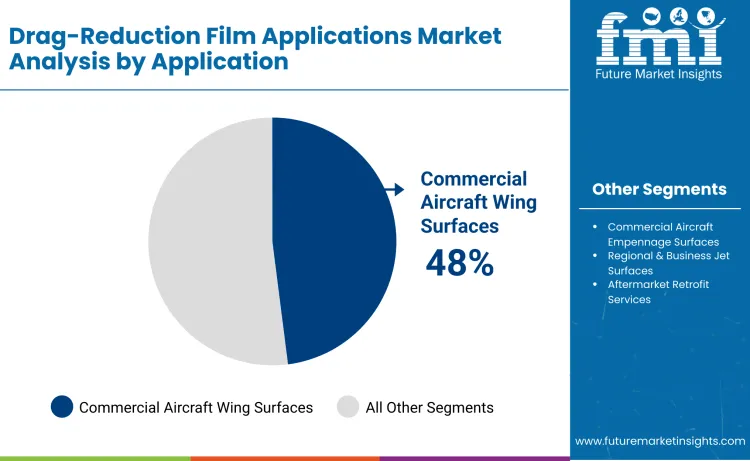
Commercial aircraft wing surfaces lead the application segment with 48% of the market share. The demand for drag-reduction films in commercial aircraft is driven by the need to optimize fuel efficiency and performance. Wing surfaces are particularly critical for reducing drag and improving airflow, and applying drag-reduction films on these surfaces can significantly lower fuel consumption. The aviation industry is increasingly focused on reducing carbon emissions and improving fuel efficiency, and drag-reduction films are a key part of this effort. These films reduce air resistance and help maintain the aerodynamic integrity of the aircraft, contributing to lower operating costs. The commercial aircraft segment remains the largest in this market due to the significant size of the global fleet and the constant drive for improved performance and cost-efficiency. While commercial aircraft empennage surfaces, regional & business jet surfaces, and aftermarket retrofit services also contribute to market growth, the commercial aircraft wing surfaces remain the dominant application due to the focus on large-scale fuel savings and performance optimization in the commercial aviation sector.
What is the Key Dynamics of the Global Drag Reduction Film Applications for Wing and Empennage Surfaces Market?
The global drag‑reduction film applications for wing and empennage surfaces market is growing as aerospace manufacturers and operators pursue surface treatments that lower aerodynamic resistance and improve fuel efficiency. Drag‑reduction films are engineered surface systems applied to critical aerodynamic zones on aircraft to promote smoother airflow. Use of these films supports operational cost reduction and performance improvement across commercial, regional and business jet fleets. Demand reflects airline focus on efficiency, rising air travel volumes and interest in technologies that enhance performance while maintaining structural integrity and surface protection.
What are the Key Drivers for the Global Drag‑Reduction Film Applications for Wing and Empennage Surfaces Market?
A key driver is airline and aircraft OEM emphasis on improving fuel economy to reduce operating costs and minimise carbon output. Lower drag can contribute to extended range and more efficient fuel use, which is attractive in competitive aviation markets. Growth in fleet sizes, especially narrow‑body and regional jet categories, increases total surface areas requiring performance solutions. Advances in polymer and film technologies that offer durable adhesion, weathering resistance and aerodynamic benefit encourage adoption. Regulatory and industry focus on cleaner operations motivates integration of surface treatments that support performance targets.
What are the Restraints for the Global Drag‑Reduction Film Applications for Wing and Empennage Surfaces Market?
One restraint is the technical complexity of developing films that deliver aerodynamic benefit while withstanding harsh flight environments. Films must maintain adhesion and integrity under thermal cycling, high speed airflow, particulate impact and cleaning procedures and meet strict aerospace quality standards. Qualification of new films requires extensive testing and certification to demonstrate reliable performance and compatibility with aircraft materials. High development and application costs may reduce appeal in maintenance programmes with tight budgets. Variation in operational practices and regional regulation on surface materials also affects specification and uptake.
What is the Country-Wise Outlook for Drag-Reduction Film Applications for Wing and Empennage Surfaces?
The drag-reduction film applications for wing and empennage surfaces market is projected to grow rapidly, driven by the need for greater fuel efficiency and reduced operational costs in the aerospace industry. Countries like China, India, and the USA are leading the growth, with increasing demand for advanced materials that improve aerodynamic performance. These films are designed to reduce drag on aircraft surfaces, enhancing fuel efficiency and overall performance. As airlines and aircraft manufacturers look for ways to optimize their fleets, the market for drag-reduction films is expected to see strong growth across these regions.
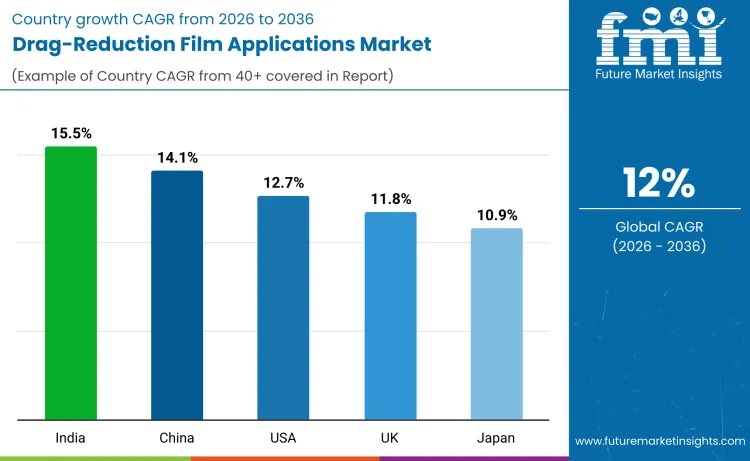
| Country | CAGR (2026 to 2036) |
|---|---|
| China | 14.1% |
| India | 15.5% |
| USA | 12.7% |
| UK | 11.8% |
| Japan | 10.9% |
What is Driving the Growth of Drag-Reduction Film Applications for Wing and Empennage Surfaces in China?
China’s Drag-Reduction Film Applications for Wing and Empennage Surfaces market is projected to grow at a CAGR of 14.1%. This growth is fueled by the rapid expansion of China’s aviation industry and the increasing focus on improving aircraft fuel efficiency. Drag-reduction films are seen as a practical solution for enhancing aerodynamic performance, leading to reduced fuel consumption and lower emissions. As China continues to modernize its fleet and enhance its aerospace technologies, the demand for innovative solutions such as drag-reduction films is expected to grow, contributing to the steady market expansion.
What is Contributing to the Growth of Drag-Reduction Film Applications for Wing and Empennage Surfaces in India?
India’s Drag-Reduction Film Applications for Wing and Empennage Surfaces market is expected to grow at an impressive CAGR of 15.5%. The country’s rapidly expanding aerospace sector and increasing fleet modernization efforts are key drivers of this growth. As airlines and manufacturers in India seek to improve fuel efficiency and reduce operational costs, drag-reduction films are becoming increasingly popular for their ability to reduce drag and enhance aircraft performance. The growing focus on sustainability and environmental regulations in India is also contributing to the rising adoption of drag-reduction films, further driving market growth.
What is Driving the Drag-Reduction Film Applications for Wing and Empennage Surfaces Market Growth in the USA?
The USA’s Drag-Reduction Film Applications for Wing and Empennage Surfaces market is projected to grow at a CAGR of 12.7%. The USA, with its strong aerospace industry, continues to prioritize fuel efficiency and reduced emissions in aircraft design. Drag-reduction films play a significant role in improving aerodynamic performance, leading to reduced fuel consumption and enhanced operational efficiency. As manufacturers and airlines in the USA invest in next-generation aircraft technologies to meet stringent environmental regulations, the demand for drag-reduction films is expected to increase, driving the market’s growth throughout the forecast period.
What is Influencing the Growth of Drag-Reduction Film Applications for Wing and Empennage Surfaces in the UK?
The UK’s Drag-Reduction Film Applications for Wing and Empennage Surfaces market is expected to grow at a CAGR of 11.8%. The UK’s aerospace industry, with its focus on sustainability and innovation, is increasingly adopting advanced materials to enhance aircraft performance. Drag-reduction films, which reduce drag and improve fuel efficiency, are becoming more widely used in aircraft design. As the UK works to meet environmental standards and improve fleet efficiency, the demand for drag-reduction film applications is expected to rise. The growth of the market is also supported by the UK’s commitment to sustainable aviation technologies.
What is Contributing to the Growth of Drag-Reduction Film Applications for Wing and Empennage Surfaces in Japan?
Japan’s Drag-Reduction Film Applications for Wing and Empennage Surfaces market is projected to grow at a CAGR of 10.9%. Japan’s aerospace industry is known for its focus on high performance and efficiency, and drag-reduction films are gaining traction as a solution to improve aerodynamic performance and reduce fuel consumption. With the country’s emphasis on innovation in sustainable aviation and aircraft design, the adoption of drag-reduction films is expected to increase. As Japan continues to modernize its fleet and embrace energy-efficient solutions, the demand for these films is expected to contribute to steady market growth throughout the forecast period.
What is the Competitive Landscape for the Drag Reduction Film Applications for Wing and Empennage Surfaces Market?
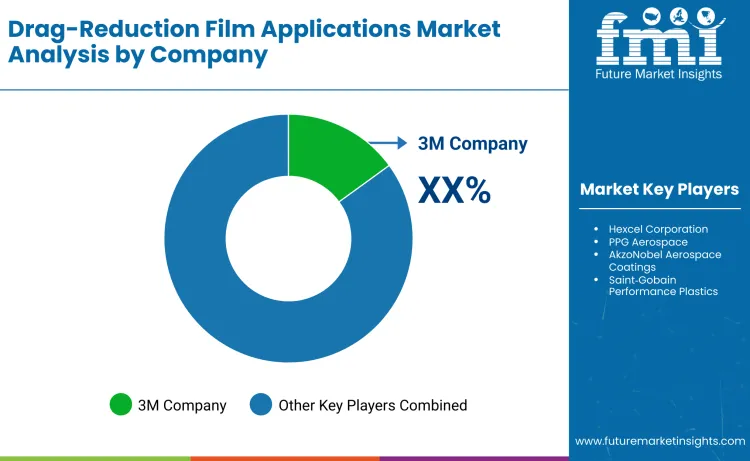
Global demand for drag‑reduction film applications for wing and empennage surfaces is growing as the aerospace industry focuses on improving fuel efficiency, reducing emissions and lowering operating costs. Drag‑reduction films are advanced surface solutions applied to aircraft wings and tail (empennage) components to smooth airflow, minimise surface friction and improve aerodynamic performance. With rising passenger traffic and sustained pressure to reduce carbon emissions, airlines and aircraft manufacturers are seeking technologies that support fuel savings without major structural redesigns. Growth in retrofit programmes and new aircraft production in North America, Europe and Asia Pacific supports wider adoption of these films. Operators value solutions that enhance cruise efficiency, contribute to lower lifecycle costs, and integrate seamlessly with existing maintenance and surface treatment processes. Demand also reflects broader industry commitments to sustainability goals and improved environmental performance across commercial and defence fleets.
On the supply side, several key aerospace materials and coatings companies compete to serve this specialised segment. 3M Company is recognised as a leading player with strong expertise in film technologies and surface treatment solutions tailored for aerodynamic enhancement. Other important competitors include Hexcel Corporation, PPG Aerospace, AkzoNobel Aerospace Coatings and Saint‑Gobain Performance Plastics, each offering materials and support for drag‑reduction applications. Competition among these suppliers centers on film performance under operational conditions, longevity against environmental exposure, ease of application and inspection, and compatibility with composite and metal aircraft surfaces. Firms that combine advanced material science, rigorous quality control and robust technical support are best positioned to capture growth as aerospace operators increasingly prioritise drag‑reduction technologies to achieve efficiency and sustainability objectives.
Key Players
- 3M Company
- Hexcel Corporation
- PPG Aerospace
- AkzoNobel Aerospace Coatings
- Saint‑Gobain Performance Plastics
Scope of the Report
| Items | Values |
|---|---|
| Quantitative Units (2026) | USD Million |
| Film Technology | Nano-Textured Drag-Reduction Films, Polymer-Based Low-Friction Surface Films, Hybrid Nano-Polymer Drag-Reduction Systems, Other Advanced Surface Film Technologies |
| Application | Commercial Aircraft Wing Surfaces, Commercial Aircraft Empennage Surfaces, Regional & Business Jet Surfaces, Aftermarket Retrofit Services |
| Companies | 3M Company, Hexcel Corporation, PPG Aerospace, AkzoNobel Aerospace Coatings, Saint-Gobain Performance Plastics |
| Regions Covered | North America, Latin America, Western Europe, Eastern Europe, South Asia and Pacific, East Asia, Middle East & Africa |
| Countries Covered | United States, Canada, Mexico, Brazil, Argentina, Germany, France, United Kingdom, Italy, Spain, Netherlands, China, India, Japan, South Korea, ANZ, GCC Countries, South Africa |
| Additional Attributes | Dollar by sales by film technology, application, and region. Includes market trends in drag-reduction films for aircraft wing and empennage surfaces, performance in commercial, military, and regional aircraft applications, aftermarket retrofit services, cost-effectiveness, sustainability practices, regulatory compliance, market share and competitive positioning of key companies, and the role of drag-reduction films in enhancing aircraft fuel efficiency, aerodynamics, and overall performance across the aerospace industry. |
Key Segments in the Drag-Reduction Film Applications for Wing and Empennage Surfaces Market
Film Technology:
- Nano‑Textured Drag‑Reduction Films
- Polymer‑Based Low‑Friction Surface Films
- Hybrid Nano‑Polymer Drag‑Reduction Systems
- Other Advanced Surface Film Technologies
Application:
- Commercial Aircraft Wing Surfaces
- Commercial Aircraft Empennage Surfaces
- Regional & Business Jet Surfaces
- Aftermarket Retrofit Services
Region:
- Asia Pacific
- China
- India
- Japan
- South Korea
- ASEAN
- Rest of Asia Pacific
- Europe
- Germany
- United Kingdom
- France
- Italy
- Spain
- Nordic
- BENELUX
- Rest of Europe
- North America
- United States
- Canada
- Mexico
- Latin America
- Brazil
- Chile
- Rest of Latin America
- Middle East & Africa
- Kingdom of Saudi Arabia
- Other GCC Countries
- Turkey
- South Africa
- Other African Union
- Rest of Middle East & Africa
Frequently Asked Questions
How big is the Drag-Reduction Film Applications for Wing and Empennage Surfaces market?
The market is valued at USD 380 million in 2026 and will reach USD 1.22 billion by 2036, growing at a CAGR of 12%.
What is the growth outlook for the Drag-Reduction Film Applications for Wing and Empennage Surfaces market?
The market is projected to grow at a CAGR of 12% from 2026 to 2036.
Which region is expected to experience the fastest growth in the Drag-Reduction Film Applications for Wing and Empennage Surfaces market?
India is expected to lead with a growth rate of 15.5%.
What are the key applications of Drag-Reduction Film Applications for Wing and Empennage Surfaces?
These films are primarily used on commercial aircraft wing surfaces, which account for 48% of the market share.
Who is the major player in the Drag-Reduction Film Applications for Wing and Empennage Surfaces market?
The leading player in the market is 3M Company.
Preview the report firsthand - request a free sample
Get SampleGet the brochure for pricing and purchase details.
Get PDFTable of Content
- Executive Summary
- Market Overview
- Global Market Value, 2020-2026
- Global Market Forecast, 2026-2036
- Market Dynamics
- Drivers
- Restraints
- Opportunities
- Regulatory & Standards Landscape
- Film Technology & Aerodynamic Surface Engineering Outlook
- Market Segmentation Analysis
- By Film Technology
- Nano-Textured Drag-Reduction Films
- Polymer-Based Low-Friction Surface Films
- Hybrid Nano-Polymer Drag-Reduction Systems
- Other Advanced Surface Film Technologies
- By Application
- Commercial Aircraft Wing Surfaces
- Commercial Aircraft Empennage Surfaces
- Regional & Business Jet Surfaces
- Aftermarket Retrofit Services
- By Sales Channel
- Direct OEM Installation
- MRO & Repaint Facilities
- Aftermarket & Retrofit Providers
- By Film Technology
- Regional Outlook
- North America
- Latin America
- Western Europe
- Eastern Europe
- South Asia & Pacific
- East Asia
- Middle East & Africa
- Country-Level Outlook
- United States
- Canada
- Mexico
- Brazil
- Argentina
- Germany
- France
- United Kingdom
- Italy
- Spain
- Netherlands
- China
- India
- Japan
- South Korea
- ANZ
- GCC Countries
- South Africa
- Competitive Landscape
- Market Structure Overview
- Company Positioning
- Strategic Initiatives
- Key Player Profiles
- Scope of the Report
- Research Methodology
- Assumptions & Acronyms


