

- CAGR (2025 to 2035)
- 5.4%
FIBC (Flexible Intermediate Bulk Container) Market Share Analysis and Size Forecast Outlook (2025 to 2035)
The FIBC (Flexible Intermediate Bulk Container) market is growing steadily, driven by increasing demand for cost-effective, lightweight, and durable packaging solutions for industrial and agricultural products. Leading companies, including Berry Global, Greif, and Conitex Sonoco, are innovating with advanced materials, customized designs, and sustainable options.
The market is projected to grow at a CAGR of 5.4%, reaching USD 14.10 billion by 2035. Factors such as global trade expansion, increased agricultural exports, and a shift toward sustainable packaging solutions are key drivers of market growth.
| Attribute | Details |
|---|---|
| Projected Value by 2035 | USD 14.10 billion |
| CAGR during the period 2025 to 2035 | 5.4% |
SWOT Analysis of Leading Players in the FIBC Market
Strengths
Berry Global excels with durable, customizable FIBC solutions, Greif leads with high-performance containers for industrial use, and Conitex Sonoco innovates with sustainable and lightweight bulk packaging.
Weaknesses
High production costs for eco-friendly materials and dependence on raw material availability challenge scalability. Competition from rigid bulk packaging solutions also limits growth in specific sectors.
Vendor Performance in the FIBC Market
Global Market Share & Industry Share (%)
| Category | Market Share (%) |
|---|---|
| Top 3 Players (Berry Global, Greif, Conitex Sonoco) | 17% |
| Rest of Top 5 Players | 7% |
| Next 5 of Top 10 Players | 8% |
Type of Player & Industry Share (%) 2025
| Player Tier | Industry Share (%) |
|---|---|
| Top 10 Players | 32% |
| Next 20 Players | 43% |
| Remaining Players | 25% |
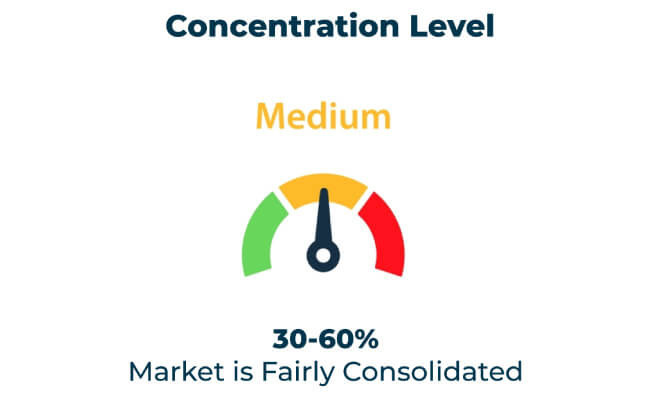
Key FIBC Market Players and Concentration (2025E)
Year-over-Year Growth Leaders in the FIBC Market
Berry Global advances lightweight, durable FIBC designs, Greif innovates with bulk containers optimized for industrial efficiency, and Conitex Sonoco leads with sustainable and eco-friendly FIBC options.
Vendor Insights on the FIBC Market
Berry Global pioneers high-quality, customized FIBC solutions for a range of industries. Greif focuses on heavy-duty containers with enhanced durability and performance. Conitex Sonoco specializes in eco-friendly bulk packaging tailored for agricultural and industrial uses.
Technology Trends in the FIBC Market
- Sustainable Materials: Companies are adopting biodegradable and recyclable plastics for bulk containers.
- Customizable Designs: Manufacturers focus on tailored solutions for specific applications, including UV-resistant and food-grade FIBCs.
- Automation-Ready Systems: Integration of FIBCs with automated filling and discharging systems is becoming a key trend.
Sustainability Trends
The FIBC market aligns with global sustainability goals by prioritizing eco-friendly materials and processes.
Key Sustainability Phenomena:
- Recyclable Plastics: Increasing use of mono-materials for enhanced recyclability.
- Energy-Efficient Manufacturing: Optimized production processes reduce carbon footprints.
- Reusable Containers: Innovations in durable FIBCs promote multiple reuse cycles, reducing waste.
Consumer Trends
- Cost Efficiency: Industries prioritize bulk packaging solutions that lower transport and handling costs.
- Sustainability: Buyers demand eco-friendly FIBCs to meet regulatory and corporate social responsibility goals.
- Safety and Compliance: FIBCs with food-grade and hazardous material certifications are increasingly preferred.
Regulatory Insights Impacting the FIBC Market
North America enforces strict safety and compliance standards for hazardous material packaging. Europe leads with sustainability regulations promoting recyclable and reusable FIBCs. Asia-Pacific exhibits rapid growth due to expanding agricultural exports and industrial production.
Export Opportunities in the FIBC Market
Emerging markets in Asia-Pacific, Africa, and Latin America present significant growth potential for FIBCs, driven by increasing agricultural exports, industrial expansion, and growing demand for cost-efficient bulk packaging solutions.
Challenges and Opportunities in the FIBC Market
Challenges
High raw material costs and limited recycling infrastructure in some regions restrict growth. Additionally, competition from rigid bulk packaging solutions creates challenges in specific sectors.
Opportunities
Growing demand for bulk transportation in agricultural and chemical industries, along with advancements in sustainable FIBCs, opens new growth avenues. Automated handling systems also create opportunities for enhanced operational efficiency.
Market Context of the FIBC Industry
Regional Analysis
This section evaluates the geographic dynamics shaping the caps and closure market. By analyzing key regions such as North America, Europe, Asia-Pacific, and other emerging markets, we gain insights into the drivers and market shares that define their contributions.
| Region | North America |
|---|---|
| Market Share (%) | 35% |
| Key Drivers | Demand for durable and compliant bulk packaging. |
| Region | Europe |
|---|---|
| Market Share (%) | 30% |
| Key Drivers | Sustainability regulations and export growth. |
| Region | Asia-Pacific |
|---|---|
| Market Share (%) | 25% |
| Key Drivers | Industrial expansion and agricultural exports. |
| Region | Other Regions |
|---|---|
| Market Share (%) | 10% |
| Key Drivers | Increasing use of lightweight bulk containers. |
End-Use Industry Segments
- Agriculture (40%) dominates due to bulk transportation of grains and fertilizers.
- Chemicals (30%) grow with demand for hazardous material packaging.
- Food & Beverages (20%) expand as hygienic and food-grade FIBCs gain traction.
- Other Segments (10%) cater to niche applications in construction and mining.
Recommendations for Technology Suppliers in the FIBC Market
- Adopt Sustainable Materials: Focus on recyclable and biodegradable FIBCs to meet market demand.
- Enhance Customization: Offer tailored solutions for specific industries, such as UV-resistant and food-safe containers.
- Target Emerging Markets: Expand operations in regions with growing agricultural and industrial exports.
Future Roadmap for the FIBC Market
The FIBC Market will grow as industries prioritize lightweight, cost-effective, and sustainable bulk packaging. Companies investing in advanced materials, automation-ready designs, and emerging market opportunities will lead the future of this sector.
Market KPIs for the FIBC Industry
Regional Growth Rates highlight significant increases in Asia-Pacific and Latin America, while Segment-Specific Metrics track adoption in agriculture, chemicals, and food & beverage industries.
Key Contributors to Annual Momentum in the FIBC Market
Berry Global led with innovative and lightweight FIBC solutions, Greif delivered heavy-duty bulk containers, and Conitex Sonoco focused on sustainable and cost-efficient packaging options.
Key Players Operating in the FIBC Market
Berry Global dominates with customizable and durable FIBCs. Greif specializes in high-performance containers for industrial applications. Conitex Sonoco leads in eco-friendly bulk packaging solutions.
Tier-Wise Vendor Classification in the FIBC Market
This classification categorizes vendors based on their influence and market presence, providing insights into their strengths and contributions to the market. Tier 1 companies, such as Berry Global, Greif, and Conitex Sonoco, lead with innovative and scalable solutions. Tier 2 players, including LC Packaging and Bulk-Pack, maintain strong regional operations. Tier 3 vendors, such as JumboSack and Rishi FIBC, focus on niche products and emerging opportunities.
| Tier | Key Companies |
|---|---|
| Tier 1 | Berry Global, Greif, Conitex Sonoco |
| Tier 2 | LC Packaging, Bulk-Pack |
| Tier 3 | JumboSack, Rishi FIBC |
Key Vendor Initiatives in the FIBC Market
Berry Global developed recyclable FIBCs for agricultural and industrial use, Greif introduced heavy-duty containers for hazardous materials, and Conitex Sonoco expanded its portfolio with biodegradable bulk packaging solutions.
Conclusion on the FIBC Market
The FIBC Market is poised for significant growth as industries demand lightweight, durable, and sustainable bulk packaging solutions. Companies investing in innovative designs, eco-friendly materials, and emerging markets will shape the future of this sector.
Appendix of the FIBC Market Report
Key Definitions
- FIBC: Large, flexible containers used for transporting and storing bulk materials.
- Sustainable Materials: Eco-friendly materials such as biodegradable plastics and recyclable fabrics.
- Customization: Tailored FIBC designs to meet specific industry requirements.
Research Methodology
Primary research involved interviews with industry stakeholders, while secondary research included analysis of industry reports and market data. Findings were validated through expert opinions and triangulation.
Market Definition
The FIBC market encompasses lightweight, cost-effective, and sustainable bulk packaging solutions for industries such as agriculture, chemicals, and food & beverages.
Top Segments Studied in the Flexible Intermediate Bulk Container Market Report
By End-Use Industry:
- Agriculture
- Chemicals
- Food & Beverages
- Other Segments
By Region:
- Europe
- North America
- Asia-Pacific
- Other Regions
Frequently Asked Questions
What drives the growth of the FIBC Market?
Rising demand for cost-effective, lightweight, and sustainable bulk packaging solutions.
What is the projected growth of the FIBC Market by 2035?
The market is expected to grow at a CAGR of 5.4%, reaching USD 14.10 billion by 2035.
Who are the leading players in the FIBC Market?
Berry Global, Greif, and Conitex Sonoco are among the top players.
What percentage of the market do the top 10 players hold?
The top 10 players hold approximately 32% of the global market share.
What regions are driving market growth?
Asia-Pacific and Latin America show significant growth due to agricultural exports and industrial expansion.
Preview the report firsthand - request a free sample
Get SampleGet the brochure for pricing and purchase details.
Get PDFTable of Content
- Executive Summary
- SWOT Analysis of Leading Players
- Vendor Performance
- Technology Trends
- Sustainability Trends
- Consumer Trends
- Regulatory Insights
- Export Opportunities
- Challenges and Opportunities
- Market Context
- Recommendations for Technology Suppliers
- Future Roadmap
- Market KPIs
- Who Shaped the Year
- Key Players
- Tier-Wise Vendor Classification
- Key Vendor Initiatives
- Conclusion
- Appendix


