

- Industry Size (2026)
- USD 117 Mn
- Forecast (2036)
- USD 254.4 Mn
- CAGR (2026 to 2036)
- 8.1%
Demand for Adaptive Shapewear in South Korea Forecast and Outlook 2026 to 2036
The demand for adaptive shapewear in South Korea is expected to reach USD 254.4 million by 2036, growing at a CAGR of 8.1% from USD 117 million in 2026. This market holds significant commercial potential as changing consumer preferences and increasing awareness of body positivity continue to influence buyer intent. As economic conditions evolve, consumers are placing greater emphasis on comfort, functionality, and inclusivity, driving demand for adaptive shapewear. The market’s relevance extends beyond just fashion; it is tied to broader shifts in wellness, personal care, and lifestyle. For decision-makers, the growth of this space presents an opportunity to tap into an expanding segment of consumers who seek value-driven, adaptive solutions. With this trend gaining traction, brands that strategically align with evolving consumer needs and preferences are likely to shape the market landscape, leading to sustained growth in the years to come.
Quick Stats for the Demand for Adaptive Shapewear in South Korea
- Adaptive Shapewear in South Korea Value (2026): USD 117 million
- Adaptive Shapewear in South Korea Forecast Value (2036): USD 254.4 million
- Adaptive Shapewear in South Korea Forecast CAGR (2026 to 2036): 8.1%
- Adaptive Shapewear in South Korea Leading Segment: Women (55%)
- Key Growth Regions of Adaptive Shapewear in South Korea: Jeju (leading CAGR ~9.7%)
- Top Players of Adaptive Shapewear in South Korea: Adaptivewear Co., ComfortFit Innovations, FlexShaper Apparel, EmbraceWear, BodyEase Solutions
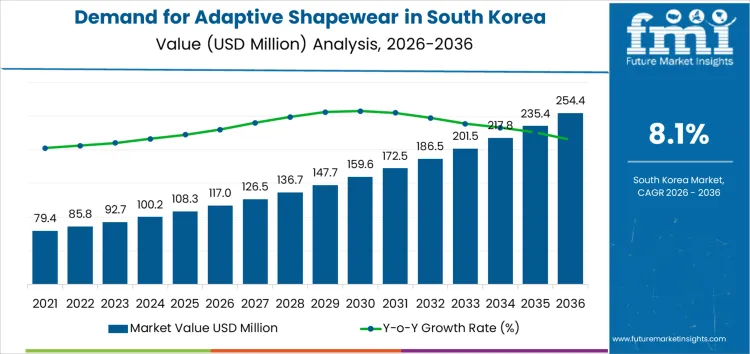
What is the Growth Forecast for the Adaptive Shapewear Market in South Korea through 2036?
The adaptive shapewear segment in South Korea is expected to grow steadily through the forecast period, supported by rising demand for comfort-focused, body-inclusive, and functional apparel. Consumers are increasingly looking for shapewear that offers support without discomfort, and adaptive designs, such as adjustable compression, flexible sizing, breathable fabrics, and easy-wear features, are gaining popularity across a wider customer base. Growth is also supported by stronger product availability through e-commerce platforms and expanding visibility through social media and fashion influencers.
In the later years of the forecast period, the category is likely to move toward a more mature phase as adaptive shapewear becomes more mainstream and widely accepted. As adoption spreads across age groups and lifestyle segments, the pace of growth may gradually moderate, reflecting higher penetration and a more competitive landscape. Product innovation will remain important, with brands focusing on skin-friendly materials, size personalization, inclusive marketing, and improved fit technology. Overall, demand is expected to remain positive, positioning adaptive shapewear as a steadily growing and increasingly established segment within South Korea’s intimate and athleisure apparel space.
Key Takeaways for Demand for Adaptive Shapewear in South Korea
| Metric | Value |
|---|---|
| Industry Sales Value (2026) | USD 117 million |
| Industry Forecast Value (2036) | USD 254.4 million |
| Industry Forecast CAGR (2026 to 2036) | 8.1% |
Why is the Demand for Adaptive Shapewear Growing in South Korea?
Demand for adaptive shapewear in South Korea has risen as consumer preferences shift toward apparel that blends comfort with functional support. In recent years, South Korean consumers have shown greater interest in garments that offer body-contouring benefits without rigid structures associated with traditional shapewear. Adaptive shapewear, designed with flexible fabrics and stretch zones, meets the needs of everyday wear, work attire, and post-activity comfort, making it appealing across age segments. Retailers and apparel brands have responded by incorporating adaptive shapewear into broader product lines, using performance textiles that accommodate movement while providing light to moderate shaping. South Korea’s strong fashion and beauty culture, which places emphasis on silhouette and fit, has also supported demand for shapewear options that integrate seamlessly under a range of clothing styles. Distribution channels such as department stores, speciality lingerie retailers, and e-commerce platforms have expanded selections, increasing visibility and availability for these products. Consumer education about adaptive materials and fit benefits has contributed to greater acceptance among buyers who previously favoured either rigid corsetry or basic undergarments.
Looking ahead, demand for adaptive shapewear in South Korea is likely to grow as market dynamics evolve, presenting opportunities for manufacturers and suppliers. Rising interest in health and wellness apparel suggests that shapewear with breathable fabrics, moisture-management features, and ergonomic design will gain traction, particularly among working adults and those engaged in active lifestyles. Brands that differentiate through fit innovation, inclusive sizing, and targeted marketing to specific consumer segments are positioned to capture a larger share of this category. Collaboration with local designers and input from Korean consumer groups can refine product offerings to reflect regional body shape preferences and comfort expectations. Suppliers able to provide high-quality stretch materials and performance textiles at competitive cost points will be advantageous as adaptive shapewear moves beyond niche segments into mainstream apparel assortments. Investments in supply chain agility and sizing data analytics will help companies respond to changing demand patterns in this apparel segment.
What Are the Key Segments in Demand for Adaptive Shapewear in South Korea?
The demand for adaptive shapewear in South Korea is segmented by end-user and fastening type. Women dominate the end-user segment, accounting for 55% of the demand, while men and unisex categories also contribute to market growth. In terms of fastening type, pull-on or slip-on shapewear leads the market at 45%, with other fastening options such as zippers and hooks also showing significant uptake. The increasing focus on comfort, functionality, and inclusivity drives demand for adaptive shapewear, catering to both fashion and functional needs across various demographics.
How Does End-User Demographics Impact Demand for Adaptive Shapewear in South Korea?
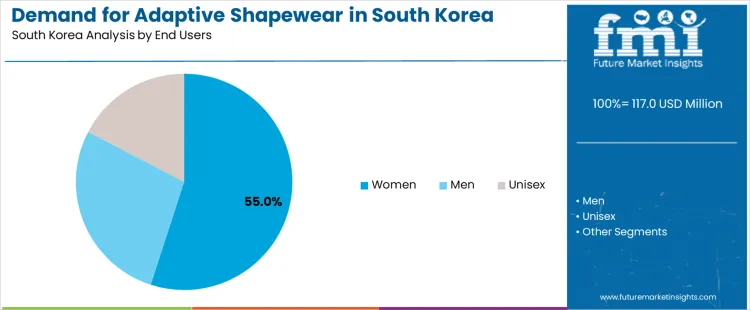
The demand for adaptive shapewear in South Korea is heavily influenced by the end-user demographic, with women accounting for 55% of the market. Women’s shapewear is primarily driven by the growing demand for body shaping, comfort, and everyday wear, making it a staple in the fashion and wellness sectors. As preferences shift toward more inclusive and adaptive designs, women are seeking shapewear that offers both support and flexibility. Adaptive shapewear caters to women of all body types, addressing specific needs such as posture correction, body sculpting, and comfort for extended wear.
For men, while they represent a smaller portion of the market, the demand for adaptive shapewear is increasing. Men are increasingly turning to shapewear for similar reasons as women, such as achieving a more streamlined appearance and improving posture. Unisex options are also gaining popularity, catering to a broader market segment. The increasing acceptance of shapewear as a fashion and health product rather than just a cosmetic tool is contributing to this trend. Manufacturers and suppliers targeting the South Korean market need to focus on catering to these diverse end-user needs, offering adaptable and inclusive solutions that meet varying preferences for comfort and style.
What Are the Key Fastening Types Driving Demand for Adaptive Shapewear in South Korea?
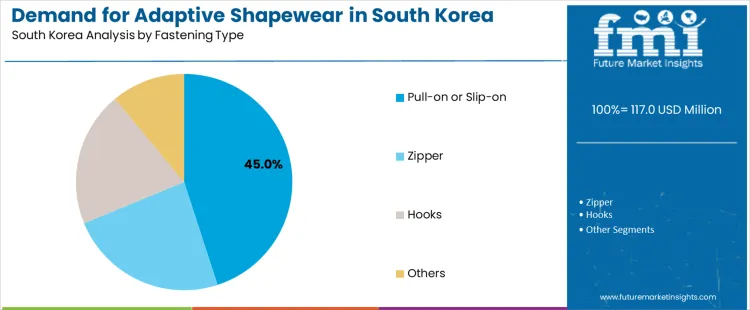
The fastening type is another important factor driving the demand for adaptive shapewear in South Korea. Pull-on or slip-on shapewear accounts for 45% of the market share, reflecting the preference for simple, easy-to-wear garments that offer comfort and flexibility. This fastening method eliminates the hassle of additional fastening systems, making it ideal for consumers who want a hassle-free dressing experience. This is particularly popular among women, who value shapewear for its convenience in achieving a smooth silhouette without the added complexity of zippers or hooks.
Zippered shapewear, though accounting for a smaller segment, offers added appeal for those seeking a more adjustable fit. Zippers provide a customizable solution for consumers who need shapewear that offers different compression levels at different times. This versatility is particularly useful in shapewear designed for men and unisex products, where preferences for compression and fit can vary widely. Hook-based fastening systems offer another layer of customization, allowing for varying degrees of tightness and control. While this is not the dominant fastening type, it continues to serve a specific market interested in more structured shaping. As adaptive shapewear becomes a more integrated part of everyday fashion, the variety of fastening types ensures that manufacturers can meet the diverse preferences of South Korean consumers, making these products appealing to a broad audience across gender and functional needs.
What are the Key Dynamics in the Demand for Adaptive Shapewear in South Korea?
Demand for adaptive shapewear in South Korea reflects changing consumer preferences in apparel that combines comfort, functionality, and body confidence support. Adaptive shapewear serves diverse user needs, including postpartum recovery, mobility considerations, and gradual body shape adjustment without rigid compression. The apparel and intimate wear ecosystem in South Korea is influenced by fashion trends that value both aesthetic appeal and ergonomic design. Retailers, brands, and manufacturers monitor demographic shifts, including an aging population and increasing participation of women in the workforce, which affect product specification and assortment. Distribution channels that include e-commerce, specialty boutiques, and department store segments shape the accessibility of adaptive shapewear across consumer cohorts.
What are the Drivers of Demand for Adaptive Shapewear in South Korea?
Demand drivers include heightened consumer interest in apparel that balances support with comfort. South Korean shoppers, particularly women aged 25-45, seek garments that deliver a tailored fit without excessive restriction. Postnatal care routines and wellness trends create opportunities for suppliers to position adaptive shapewear as part of holistic garment solutions. Brands that offer inclusive sizing and ergonomic design features gain traction with consumers who previously found conventional shapewear unsuitable. Expansion of online and mobile retail platforms supports reach to niche segments. Fitness and athleisure crossover demand also encourages development of hybrid products that align shapewear benefits with everyday wearability.
What are the Restraints on Demand for Adaptive Shapewear in South Korea?
Restraints include consumer sensitivity to price points for functional undergarments that may be perceived as premium relative to standard intimates. Lack of awareness about adaptive features and benefits among broader buyer segments can slow adoption rates, especially where conventional shapewear remains entrenched. Retailers and manufacturers face challenges in educating consumers about product differentiation and fit benefits without resorting to overhyped claims. Sizing standardization issues can lead to fit inconsistencies that reduce repeat purchase intent. Cultural preferences for minimal visible garment lines can also constrain demand where adaptive shapewear designs do not align with local style expectations. Distribution channels with limited product training may underperform in converting interest into sales.
What Key Trends Affect Demand for Adaptive Shapewear in South Korea?
A key trend involves growth of data-driven sizing solutions that help consumers find adaptive shapewear products that fit diverse body types. Brands investing in fit technology and digital measurement tools report improved conversion metrics online. Material innovation, with emphasis on breathable fabrics and gentle compression, is redefining product categories beyond traditional shapewear. Retailers are bundling adaptive shapewear with complementary apparel and wellness products to increase average order values. Social media influences, including fashion creators demonstrating functional layering techniques, raise category visibility. Collaboration between international brands and local designers is introducing hybrid product lines that resonate with South Korean aesthetics and functional expectations.
What is the Regional Demand Forecast for Adaptive Shapewear in South Korea?
The demand for adaptive shapewear in South Korea is showing positive growth across different regions, driven by rising awareness of personal health, comfort, and body positivity. South Gyeongsang, with a CAGR of 8.5%, leads the market, driven by increasing consumer demand for comfort-focused apparel in the fashion and health sectors. North Jeolla, with a growth rate of 6.5%, is experiencing moderate demand, reflecting its growing focus on fashion and wellness products. South Jeolla, with a projected CAGR of 7.7%, is also seeing steady growth, thanks to the region's rising interest in lifestyle and wellness-driven apparel. Jeju, with the highest growth rate of 9.7%, stands out as a region where adaptive shapewear is gaining popularity, especially in sectors catering to both tourism and wellness. The increasing focus on inclusive, functional fashion drives demand in these regions, creating substantial opportunities for manufacturers and suppliers.
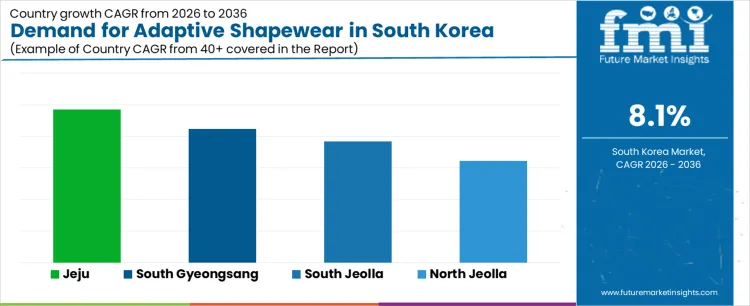
| Region | CAGR (2026 to 2036) |
|---|---|
| South Gyeongsang | 8.5% |
| North Jeolla | 6.5% |
| South Jeolla | 7.7% |
| Jeju | 9.7% |
How Can Manufacturers Capitalize on the Growth in South Gyeongsang?
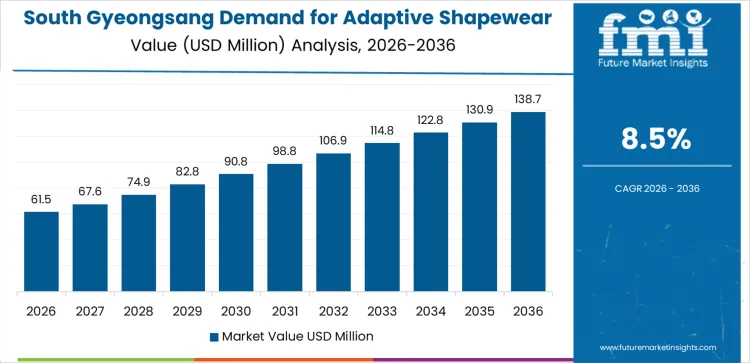
South Gyeongsang, with a strong CAGR of 8.5%, offers manufacturers a prime opportunity to tap into the growing demand for adaptive shapewear. The region’s fashion industry is increasingly prioritizing comfort, and consumers are seeking adaptive shapewear that offers both functionality and style. Manufacturers should focus on developing high-quality, versatile shapewear options that cater to diverse body types and comfort needs. With a rising trend toward health-conscious lifestyles, South Gyeongsang's market offers considerable potential for suppliers who can meet the demand for adaptive shapewear in both the fashion and wellness sectors. Companies looking to enter this market should consider local partnerships, efficient distribution channels, and customization options that align with consumer preferences in this region.
What Drives Demand for Adaptive Shapewear in North Jeolla?
North Jeolla, with a CAGR of 6.5%, shows a moderate but steady demand for adaptive shapewear. The region’s fashion industry is expanding, and consumer interest in body-positive apparel is on the rise. As wellness and lifestyle trends gain popularity, adaptive shapewear products that offer comfort, support, and style are becoming more sought after. Manufacturers targeting North Jeolla can capitalize on this growth by offering shapewear products that cater to both comfort and style preferences. Since the region's consumer base is increasingly influenced by health and wellness trends, there is an opportunity to introduce adaptive shapewear designed for active lifestyles, appealing to a growing audience that values both functionality and fashion.
What is the Potential for Adaptive Shapewear in South Jeolla?
South Jeolla, with a projected CAGR of 7.7%, presents a strong market for adaptive shapewear, driven by the region’s increasing focus on personal wellness and comfortable fashion. The growing awareness of body inclusivity and health-conscious clothing is driving demand for adaptive shapewear across various consumer segments. As more individuals seek clothing that combines comfort and support, manufacturers should focus on innovative designs that meet both functional and aesthetic needs. South Jeolla’s market for adaptive shapewear offers significant potential, particularly in the activewear and wellness sectors. Suppliers that can integrate flexibility, breathability, and support into their product lines will likely experience strong growth in this region.
Why is Jeju a Key Region for Adaptive Shapewear Demand?
Jeju, with the highest growth rate of 9.7%, is emerging as a key region for adaptive shapewear, driven by its robust tourism industry and rising focus on wellness and self-care. As more tourists visit Jeju for wellness retreats and relaxation, the demand for adaptive shapewear products that promote comfort and body positivity is increasing. Additionally, Jeju's local consumer base is becoming more health-conscious, further boosting the market for functional, supportive, and stylish shapewear. Manufacturers looking to target this market should consider designing products that cater to both tourists and locals who prioritize comfort during travel and outdoor activities. The region’s growth reflects a growing trend toward self-care and inclusive fashion, making it a prime market for adaptive shapewear.
What is the Competitive Landscape for Adaptive Shapewear in South Korea?
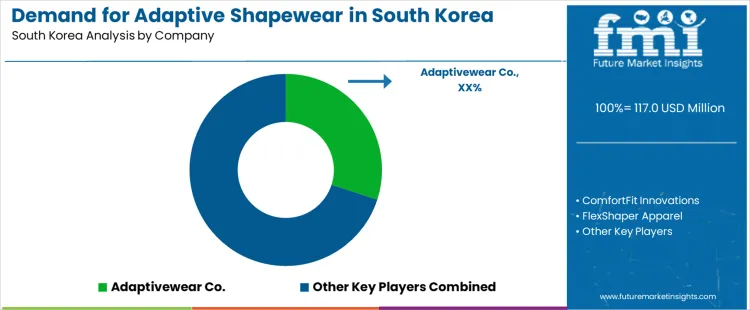
Demand for adaptive shapewear in South Korea is emerging as consumer preferences shift toward inclusive and functional apparel. Adaptive shapewear is characterised by designs that accommodate diverse body types, mobility needs, and comfort priorities while providing contouring support. Growth in health and wellness retail, rising awareness of inclusive fashion, and expanding online speciality channels have contributed to increased uptake. Demand is visible in urban centres where specialised boutiques, e-commerce platforms, and premium department stores include adaptive apparel categories. Purchasers such as fashion retailers, lifestyle brands, and institutional buyers are seeking products that combine comfort, fit consistency, and ease of use. Requirements for transparent sizing, accessible materials, and verified performance attributes have been incorporated into procurement specifications. Manufacturers and suppliers are evaluating usage patterns, return rates, and customer feedback to refine product lines that meet Korean market expectations for quality and fit precision. Seasonal purchasing cycles and promotional activities by large retailers have influenced demand volumes, with adaptive shapewear gaining traction as a differentiated offering in an otherwise traditional intimate apparel segment.
Competition among key suppliers in South Korea’s adaptive shapewear segment is driven by product features, documented specifications, and distribution reach. Adaptivewear Co. is recognised as a leading provider, with product brochures that outline fabric technologies, size grids, and adaptive design elements suited to varied mobility requirements. ComfortFit Innovations materials present apparel options engineered for extended wear comfort, together with handling and care instructions relevant to retail partners and consumers. FlexShaper Apparel literature highlights modular fit systems and textile performance data that support consistent shaping outcomes. EmbraceWear documentation focuses on inclusive sizing and ergonomic design principles, including analytical measures for compression levels and elasticity retention. BodyEase Solutions brochures describe adaptive shapewear formats with emphasis on ease of dressing and material breathability, accompanied by technical details on knit structures and durability testing. Brochure content typically includes dimensional charts, material compositions, and compliance with textile quality standards that assist South Korean buyers in evaluating supplier offerings against performance criteria.
Key Players of the Demand for Adaptive Shapewear in South Korea
- Adaptivewear Co.
- ComfortFit Innovations
- FlexShaper Apparel
- EmbraceWear
- BodyEase Solutions
Scope of the Report
| Items | Values |
|---|---|
| Quantitative Units (2026) | USD Million |
| Product Type | Adaptive Pants, Adaptive Dresses, Adaptive Tops, Others |
| End User | Women, Men, Unisex |
| Fastening Type | Pull-on or Slip-on, Zipper, Hooks, Others |
| Sales Channel | Online Retailers, Wholesalers or Distributors, Hypermarkets or Supermarkets, Multi Brand Stores, Independent Stores, Departmental Stores, Other Sales Channel |
| Companies | Adaptivewear Co., ComfortFit Innovations, FlexShaper Apparel, EmbraceWear, BodyEase Solutions |
| Region Covered | South Korea |
| Provinces Covered | South Gyeongsang, North Jeolla, South Jeolla, Jeju |
| Additional Attributes | Dollar sales by product type, closure type, fastening type, and sales channel. Demand is driven by inclusive fashion trends, rising comfort-focused apparel adoption, and broader online retail penetration supporting adaptive clothing accessibility across demographics. |
Key Segments of Demand for Adaptive Shapewear in South Korea
Product Type
- Adaptive Pants
- Adaptive Dresses
- Adaptive Tops
- Other
End Users
- Women
- Men
- Unisex
- Other
Fastening Type
- Pull-on or Slip-on
- Zipper
- Hooks
- Other
Sales Channel
- Online Retailers
- Wholesalers or Distributors
- Hypermarkets or Supermarkets
- Multi Brand Stores
- Independent Stores
- Departmental Stores
- Other Sales Channel
Provinces
- South Gyeongsang
- North Jeolla
- South Jeolla
- Jeju
Bibliography
- Korea Institute of Design Promotion. (2024). Inclusive fashion and ergonomic garment innovation in South Korea. Government of the Republic of Korea.
- Ministry of Gender Equality and Family. (2024). Body inclusivity and representation in the Korean apparel industry: Policy and practice review. Government of the Republic of Korea.
- Korea Apparel Testing & Research Institute. (2025). Performance and comfort standards for adaptive and functional apparel. KATRI.
Frequently Asked Questions
How big is the demand for adaptive shapewear in south korea in 2026?
The demand for adaptive shapewear in south korea is estimated to be valued at USD 117.0 million in 2026.
What will be the size of adaptive shapewear in south korea in 2036?
The market size for the adaptive shapewear in south korea is projected to reach USD 254.4 million by 2036.
How much will be the demand for adaptive shapewear in south korea growth between 2026 and 2036?
The demand for adaptive shapewear in south korea is expected to grow at a 8.1% CAGR between 2026 and 2036.
What are the key product types in the adaptive shapewear in south korea?
The key product types in adaptive shapewear in south korea are adaptive pants, adaptive dresses, adaptive tops and others.
Which end users segment is expected to contribute significant share in the adaptive shapewear in south korea in 2026?
In terms of end users, women segment is expected to command 55.0% share in the adaptive shapewear in south korea in 2026.
Preview the report firsthand - request a free sample
Get SampleGet the brochure for pricing and purchase details.
Get PDFTable of Content
- Executive Summary
- South Korea Market Outlook
- Demand-side Trends
- Supply-side Trends
- Technology Roadmap Analysis
- Analysis and Recommendations
- Market Overview
- Market Coverage / Taxonomy
- Market Definition / Scope / Limitations
- Market Background
- Market Dynamics
- Drivers
- Restraints
- Opportunity
- Trends
- Scenario Forecast
- Demand in Optimistic Scenario
- Demand in Likely Scenario
- Demand in Conservative Scenario
- Opportunity Map Analysis
- Product Life Cycle Analysis
- Supply Chain Analysis
- Investment Feasibility Matrix
- Value Chain Analysis
- PESTLE and Porter’s Analysis
- Regulatory Landscape
- Regional Parent Market Outlook
- Production and Consumption Statistics
- Import and Export Statistics
- Market Dynamics
- South Korea Market Analysis 2021 to 2025 and Forecast, 2026 to 2036
- Historical Market Size Value (USD Million) Analysis, 2021 to 2025
- Current and Future Market Size Value (USD Million) Projections, 2026 to 2036
- Y-o-Y Growth Trend Analysis
- Absolute $ Opportunity Analysis
- South Korea Market Pricing Analysis 2021 to 2025 and Forecast 2026 to 2036
- South Korea Market Analysis 2021 to 2025 and Forecast 2026 to 2036, By Product Type
- Introduction / Key Findings
- Historical Market Size Value (USD Million) Analysis By Product Type, 2021 to 2025
- Current and Future Market Size Value (USD Million) Analysis and Forecast By Product Type, 2026 to 2036
- Adaptive Pants
- Adaptive Dresses
- Adaptive Tops
- Others
- Adaptive Pants
- Y-o-Y Growth Trend Analysis By Product Type, 2021 to 2025
- Absolute $ Opportunity Analysis By Product Type, 2026 to 2036
- South Korea Market Analysis 2021 to 2025 and Forecast 2026 to 2036, By End Users
- Introduction / Key Findings
- Historical Market Size Value (USD Million) Analysis By End Users, 2021 to 2025
- Current and Future Market Size Value (USD Million) Analysis and Forecast By End Users, 2026 to 2036
- Women
- Men
- Unisex
- Women
- Y-o-Y Growth Trend Analysis By End Users, 2021 to 2025
- Absolute $ Opportunity Analysis By End Users, 2026 to 2036
- South Korea Market Analysis 2021 to 2025 and Forecast 2026 to 2036, By Fastening Type
- Introduction / Key Findings
- Historical Market Size Value (USD Million) Analysis By Fastening Type, 2021 to 2025
- Current and Future Market Size Value (USD Million) Analysis and Forecast By Fastening Type, 2026 to 2036
- Pull-on or Slip-on
- Zipper
- Hooks
- Others
- Pull-on or Slip-on
- Y-o-Y Growth Trend Analysis By Fastening Type, 2021 to 2025
- Absolute $ Opportunity Analysis By Fastening Type, 2026 to 2036
- South Korea Market Analysis 2021 to 2025 and Forecast 2026 to 2036, By Sales Channel
- Introduction / Key Findings
- Historical Market Size Value (USD Million) Analysis By Sales Channel, 2021 to 2025
- Current and Future Market Size Value (USD Million) Analysis and Forecast By Sales Channel, 2026 to 2036
- Online Retailers
- Wholesalers or Distributors
- Hypermarkets or Supermarkets
- Multi Brand Stores
- Independent Stores
- Departmental Stores
- Other Sales Channel
- Online Retailers
- Y-o-Y Growth Trend Analysis By Sales Channel, 2021 to 2025
- Absolute $ Opportunity Analysis By Sales Channel, 2026 to 2036
- Market Structure Analysis
- Competition Dashboard
- Competition Benchmarking
- Market Share Analysis of Top Players
- By Regional
- By Product Type
- By End Users
- By Fastening Type
- By Sales Channel
- Competition Analysis
- Competition Deep Dive
- Adaptivewear Co.
- Overview
- Product Portfolio
- Profitability by Market Segments (Product/Age /Sales Channel/Region)
- Sales Footprint
- Strategy Overview
- Marketing Strategy
- Product Strategy
- Channel Strategy
- ComfortFit Innovations
- FlexShaper Apparel
- EmbraceWear
- BodyEase Solutions
- Adaptivewear Co.
- Competition Deep Dive
- Assumptions & Acronyms Used
- Research Methodology


