

- CAGR (2025 to 2035)
- 5.2%
Compostable & Biodegradable Refuse Bags Market Size and Share Forecast Outlook (2025 to 2035)
The compostable and biodegradable refuse bags market is rapidly expanding as consumers and businesses alike prioritize sustainability. BioBag, Novamont, and BASF are some of the companies pioneering new, more eco-friendly alternatives to traditional plastic bags.
By 2035, the market will have surpassed USD 414.6 million in value, with a compound annual growth rate (CAGR) of 5.2%. It is driven by strict regulations on single-use plastics, increased environmental awareness, and advances in technology with biodegradable materials.
| Attribute | Details |
|---|---|
| Projected Value by 2035 | USD 414.6 million |
| CAGR during the period 2025 to 2035 | 5.2% |
Overview of the Global Compostable & Biodegradable Refuse Bags Market
The compostable and biodegradable refuse bags market is gaining momentum as global efforts to reduce plastic waste intensify. These bags, made from materials like polylactic acid (PLA), starch blends, and polyhydroxyalkanoates (PHA), offer a sustainable solution for waste management.
Governments worldwide are banning traditional plastic bags, encouraging the adoption of biodegradable alternatives. Consumer and businesses acceptance of such environment-friendly bags that decompose effectively without causing significant harm to the environment is slowly aligning with the gradual trend by the world for going on a more circular economy.
Vendor Performance Benchmarking in the Refuse Bags Industry
Global Market Share & Industry Share (%)
| Category | Market Share (%) |
|---|---|
| Top 3 Players (BioBag, Novamont, BASF) | 15% |
| Rest of Top 5 Players | 09% |
| Next 5 of Top 10 Players | 07% |
Type of Player & Industry Share (%)
| Type of Player | Market Share (%) |
|---|---|
| Top 10 Players | 31% |
| Next 20 Players | 40% |
| Remaining Players | 29% |
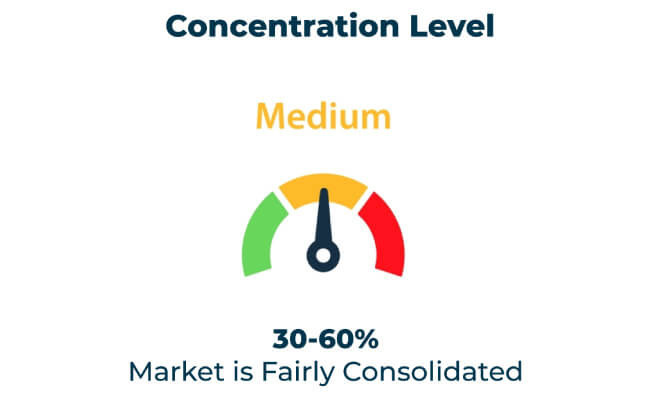
Market Concentration and Competitive Landscape in Compostable Refuse Bags
Year-over-Year Leaders
- BioBag: Composting pioneer with the focus on high-quality and sustainability.
- Novamont: Mater-Bi technology leader and provider of performance biodegradable bags.
- BASF: Innovating with its Ecovio range, combining compostability with durability.
Technology Trends Shaping the Compostable & Biodegradable Refuse Bags Sector
- Advanced Biopolymers: Development of stronger, more flexible biodegradable materials.
- Water-Soluble Bags: Innovations in bags that dissolve in water for specific applications.
- Increased Shelf Life: New technologies that extend the usability of biodegradable bags without compromising compostability.
- Customizable Solutions: Tailored bag sizes and strengths for diverse waste management needs.
Sustainability Trends
- Zero-Waste Goals: Compostable solutions are encouraged to minimize landfill waste.
- Renewable Resources: Increased use of plant-based raw materials such as corn starch and sugarcane.
- Energy-Efficient Production: Manufacturers are adopting low-energy processes to reduce their carbon footprint.
Consumer Trends
- Eco-Friendly Choices: Biodegradable bags are increasingly preferred as part of a sustainable lifestyle.
- Convenience: People want strong, durable bags that decompose easily after use.
- Brand Transparency: Consumers favor companies that clearly communicate the environmental benefits of their products.
Regulatory Insights Affecting Compostable and Biodegradable Bag Standards
Regional Compliance
- North America: State-level bans on plastic bags are boosting demand for compostable alternatives.
- Europe: EU directives on reducing single-use plastics are driving market growth.
- Asia-Pacific: Government initiatives promoting biodegradable solutions amid rising waste concerns.
Export Opportunities for Compostable Refuse Bags in Global Markets
Emerging markets in Latin America, Africa, and Southeast Asia present significant opportunities for biodegradable refuse bags. Rapid urbanization and growing awareness of environmental issues in these regions drive the adoption of sustainable waste management solutions.
Challenges and Opportunities in Expanding Eco-Friendly Refuse Bag Adoption
Challenges
- High Costs: Biodegradable bags are often more expensive than traditional plastic alternatives.
- Limited Awareness: Consumers may not fully understand the benefits of compostable bags.
- Infrastructure Deficits: Lacking adequate composting facilities in many areas prevents adequate disposal.
Opportunities
- Partnership with Governments: Collaboration on programs and policies relating to waste management.
- E-commerce Sales: Selling online biodegradable bags to customers worldwide who want to do something for the environment.
- Branding on Request: Offering branded solutions to those seeking sustainable packaging.
Market Context Influencing Demand Across Residential, Commercial, and Institutional Sectors
The compostable and biodegradable refuse bags market shows strong regional dynamics. Europe leads with 35% market share, driven by strict regulations and widespread environmental awareness. North America follows with 30%, fueled by bans on single-use plastics.
Asia-Pacific accounts for 25%, benefiting from growing waste management initiatives and urbanization. The remaining 10% is captured by Latin America and Africa, where eco-friendly waste solutions are gaining traction. The residential sector dominates the market, with consumers seeking sustainable alternatives for daily waste management. Commercial and industrial sectors are also adopting biodegradable refuse bags to meet regulatory requirements and corporate sustainability goals.
Recommendations for Technology Suppliers in Sustainable Refuse Packaging
- Focus on Cost-Effective Solutions: Invest in technologies to reduce production costs without compromising quality.
- Educate Consumers: Launch campaigns to raise awareness about the benefits of compostable and biodegradable refuse bags.
- Infrastructure Development: Develop more composting plants and extend waste collection structures in collaboration with Governments.
Future Roadmap for Product Innovation and Circular Economy Integration
The future is defined by three words: innovation, affordability, and global cooperation. Companies invested in advanced material, partnered to governments, extended their reach and presence to growing markets will own the market and sustainability will feature at the top, driving demand for innovation in such a dynamic sector.
Market KPIs Tracking Performance and Sustainability Metrics
- Regional Adoption Rates: Monitor market penetration in developing regions.
- Cost Reduction Metrics: Track advancements in lowering production costs.
- Consumer Awareness Levels: Measure the impact of educational campaigns on consumer behavior.
Who Shaped the Year – Influential Contributors in Refuse Bag Innovation
- BioBag: Leading the market with innovative and high-quality compostable solutions.
- Novamont: Advancing the field with cutting-edge biopolymer technologies.
- BASF: Setting new standards with its durable and compostable Ecovio bags.
Key Players in the Compostable & Biodegradable Refuse Bags Market
Tier-Wise Vendor Classification
| Tier | Key Companies |
|---|---|
| Tier 1 | BioBag, Novamont, BASF |
| Tier 2 | Plastiroll, Earthwise Bag |
| Tier 3 | EnviGreen, TIPA Corp |
Key Vendor Initiatives Promoting Sustainable Growth and Reach
- BioBag: Expanded its portfolio with stronger and more versatile compostable bags.
- Novamont: Invested in R&D to develop high-performance, plant-based materials.
- BASF: Focused on scaling production of its Ecovio range to meet rising demand.
Conclusion on Market Trends and Strategic Expansion Outlook
The compostable and biodegradable refuse bags market is at the forefront of the global shift toward sustainability. With increasing consumer demand, supportive regulations, and ongoing technological advancements, this market is set for significant growth. Companies that prioritize affordability, innovation, and collaboration will lead the way in transforming waste management practices worldwide.
Appendix – Methodology, Scope, and Data Sources
Key Definitions
- Compostable Bags: Bags that break down into natural components under composting conditions.
- Biodegradable Bags: Bags that decompose naturally over time through microbial activity.
- Circular Economy: An economic model focused on recycling and reusing materials to reduce waste.
Research Methodology
This report combines primary interviews, secondary research, and market modeling to provide actionable insights validated by industry experts.
Market Definition
The compostable and biodegradable refuse bags market includes the production and distribution of eco-friendly waste disposal solutions for residential, commercial, and industrial applications.
Segmentation of the Compostable & Biodegradable Refuse Bags Market by Material, Format, End Use, and Region
By Region:
- Europe
- North America
- Asia-Pacific
- Latin America and Africa
By Sector:
- Residential
- Commercial
- Industrial
Frequently Asked Questions
What drives growth in the compostable and biodegradable refuse bags market?
The market is driven by increasing environmental awareness, regulatory bans on single-use plastics, and advancements in biodegradable materials.
What is the projected market size by 2035?
The market is expected to surpass USD 414.6 million by 2035, growing at a CAGR of 5.2%.
Who are market leaders?
BioBag, Novamont and BASF offer innovative and environmental-friendly solutions within the market space.
What are the main challenges associated with composting?
One is the large cost of production; the other ones are low understanding and infrastructural composting.
What are the future opportunities in this marketplace?
Future opportunities: One emerging area of opportunity in this marketplace lies in alliances with the governments, with the play of e-commerce coming in, and in custom branding growing in multiple directions.
Preview the report firsthand - request a free sample
Get SampleGet the brochure for pricing and purchase details.
Get PDFTable of Content
- Executive Summary
- Market Overview
- Growth Drivers
- Market Size & Forecast
- Vendor Performance
- Global Market Share & Industry Share
- Type of Player & Industry Share
- Market Concentration
- Year-over-Year Leaders
- Technology Trends in the Market
- Sustainability Trends
- Consumer Trends
- Regulatory Insights
- Export Opportunities
- Challenges & Opportunities
- Challenges
- Opportunities
- Market Context
- Regional Analysis
- End-Use Industry Segments
- Recommendations for Technology Suppliers
- Future Roadmap
- Market KPIs
- Who Shaped the Year
- Key Players
- Key Vendor Initiatives
- Conclusion
- FAQs


