

- CAGR (2025 to 2035)
- 5%
Deblistering Machines Market Size and Share Analysis Forecast Outlook 2035
The deblistering machines market is expanding rapidly as industries prioritize efficiency, accuracy, and sustainability in recovering and repackaging medications. Manufacturers are developing new machines that make tablet and capsule recovery easier and minimize waste. The market is expected to reach over USD 297.7 million by 2035, growing at a compound annual growth rate (CAGR) of 5%.
With increasing pharmaceutical production across the globe, the demand for accuracy and compliance in the processing of expired or damaged blister packs is pushing the use of deblistering machines. Companies are coming up with solutions that meet these requirements but also focus on operator safety and environmental impact.
| Attribute | Details |
|---|---|
| Projected Value by 2035 | USD 297.7 million |
| CAGR (2025 to 2035) | 5% |
SWOT Analysis of Key Players in the Deblistering Machines Market
Summary
The SWOT analysis highlights the strategies and strengths of leading players in the deblistering machines market. Companies like Sepha Ltd., Omnicell, and RBP Bauer are leveraging innovation, automation, and customization to maintain their market positions. However, challenges such as high costs, regional competition, and fluctuating raw material prices create opportunities for sustainable designs and emerging market expansions.
Sepha Ltd.
Sepha Ltd. is at the forefront in providing high-end deblistering machines that emphasize accuracy and safety. Its key strength is in being innovative, distributing products worldwide, but high prices could dissuade some cost-conscious buyers. The potential of the business to grow lies in entering the untapped emerging markets and catering to the increased desire for automation; but regional manufacturers also compete.
Omnicell Inc.
Omnicell is strong on durable, automation-compatible deblistering machines that help in streamlining pharmaceutical workflows. Reliability and user-friendly designs have been the hallmark of the company. However, limited penetration in fast-growing regions like Asia-Pacific can be a limiting factor for its growth. There are opportunities for developing eco-friendly solutions, and regulatory changes pose a challenge.
RBP Bauer
RBP Bauer is known for producing efficient and customizable deblistering machines. Its strong customer support and innovative solutions make it a trusted name in the industry. However, high production costs for advanced models can limit its market share. Opportunities lie in introducing sustainable designs, while fluctuating raw material prices and evolving compliance standards are potential threats.
Market Share & Industry Share
| Category | Market Share (%) |
|---|---|
| Top 3 Players (Sepha, Omnicell, RBP Bauer) | 16% |
| Rest of Top 5 Players (ACG Worldwide, Uhlmann) | 06% |
| Next 5 of Top 10 Players | 07% |
Type of Player & Industry Share
| Type of Player | Market Share (%) |
|---|---|
| Top 10 Players | 29% |
| Next 20 Players | 45% |
| Remaining Players | 26% |
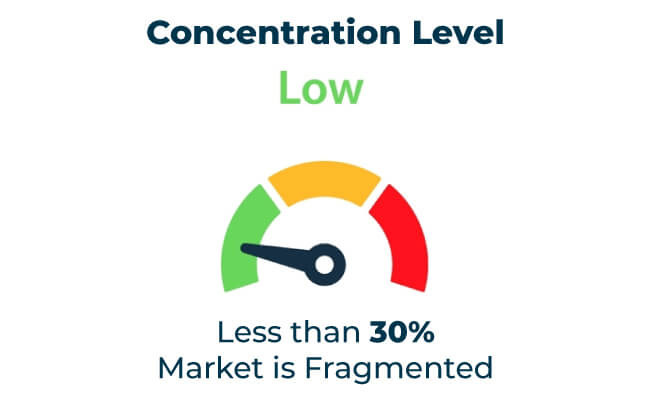
Market Concentration
Year-on-Year Leaders
- Sepha Ltd.: Innovates with precision-based deblistering solutions.
- Omnicell Inc.: Excels in automation-compatible designs.
- RBP Bauer: Focuses on customizable machines with advanced safety features.
Emerging Technologies
- Automation-Ready Machines: Reduce manual intervention and enhance efficiency.
- Eco-Friendly Designs: Focus on reducing material waste during recovery.
- Smart Deblistering Systems: Integrate IoT capabilities for real-time monitoring.
- High-Speed Machines: Process large volumes quickly without compromising precision.
Sustainability Trends
- Recyclable Components: Machines designed to work with recyclable blister packs.
- Energy-Efficient Systems: Manufacturers are adopting technologies to reduce power consumption.
- Waste Minimization: Advanced designs recover medications without damaging them, reducing waste.
Consumer Trends
- Focus on Compliance: Pharmaceutical companies demand machines that meet stringent regulatory standards.
- Automation Preferences: Buyers seek machines compatible with automated production lines.
- Eco-Conscious Choices: Businesses prioritize solutions that align with sustainability goals.
Regulatory Insights
North America implements strict compliance standards for pharmaceutical packaging, ensuring that all products meet rigorous safety and quality requirements. Europe stands out for its sustainability-focused regulations and innovative practices that prioritize eco-friendly solutions in pharmaceutical packaging. Meanwhile, Asia-Pacific is experiencing rapid growth, driven by an increase in pharmaceutical production and expanding export activities, making it a key region for market expansion.
Export Opportunities
Emerging markets in Asia-Pacific, Africa, and Latin America present significant growth potential. Expanding pharmaceutical manufacturing in these regions drives demand for efficient deblistering solutions. Exporters that align with local regulations and sustainability goals can gain a competitive edge.
Obstacles and Opportunities
Obstacles
- High Initial Costs: Advanced machines require significant investment.
- Recycling Infrastructure Gaps: Limited facilities hinder sustainability efforts in some regions.
- Regulatory Challenges: Navigating diverse compliance standards can be complex.
Opportunities
- Global Pharmaceutical Growth: Rising production boosts demand for efficient deblistering machines.
- Sustainability Initiatives: Eco-friendly designs attract environmentally conscious companies.
- Technological Advancements: Smart and high-speed machines open new possibilities.
Market Context
In-House vs. Contract Packaging
- In-House Packaging: Offers greater control over deblistering quality and customization, ideal for large-scale pharmaceutical companies.
- Contract Packaging: Provides flexibility and reduces capital costs, benefiting smaller manufacturers or those with fluctuating needs.
Regional Analysis
Summary
The regional analysis of the deblistering machines market uncovers diverse growth trends shaped by the distinct priorities of automation, stringent regulatory compliance, and sustainability initiatives across different geographic regions. Each area exhibits unique drivers of demand, highlighting opportunities for manufacturers to tailor their solutions to regional needs.
| Region | North America |
|---|---|
| Market Share (%) | 40% |
| Key Drivers | Focuses on automation and regulatory compliance. |
| Region | Europe |
|---|---|
| Market Share (%) | 35% |
| Key Drivers | Leads with sustainable and advanced deblistering solutions. |
| Region | Asia-Pacific |
|---|---|
| Market Share (%) | 20% |
| Key Drivers | Experiences rapid growth due to pharmaceutical production expansion. |
| Region | Other Regions |
|---|---|
| Market Share (%) | 5% |
| Key Drivers | Demand grows for cost-effective, efficient machines in emerging markets |
End-User Segment Analysis
- Pharmaceutical Manufacturers: Use machines to recover medications efficiently and comply with regulations.
- Contract Packagers: Rely on machines for flexible and large-scale repackaging needs.
- Healthcare Providers: Employ deblistering machines for inventory management and repackaging.
- Research Institutions: Use specialized machines to recover trial medications for study purposes.
Future Roadmap
The deblistering machines market will continue to grow through advancements in automation, smart technologies, and sustainability. Companies focusing on eco-friendly practices, efficient designs, and global market expansion will strengthen their market positions. Collaboration with pharmaceutical companies and regulatory bodies will further enhance adoption.
Market KPI
- Regional Revenue Growth: Tracks performance in North America and Asia-Pacific.
- Sustainability Metrics: Measures the adoption of recyclable and eco-friendly machine designs.
- End-User Demand: Monitors demand across pharmaceutical manufacturers and contract packagers.
Who Shaped the Year
- Sepha Ltd.: Leads with precision-based solutions for pharmaceutical recovery.
- Omnicell Inc.: Excels in automation-ready deblistering machines.
- RBP Bauer: Innovates with customizable, eco-friendly machines.
Tier-Wise Company Analysis
Summary
This section provides a detailed breakdown of the key players in the deblistering machines market by tier, highlighting their strengths and market positions. Tier 1 companies like Sepha, Omnicell, and RBP Bauer lead the market with advanced, customizable solutions and strong global presence. Tier 2 and Tier 3 players focus on niche applications and regional dominance, offering opportunities for growth through innovation and sustainability.
| Tier | Key Companies |
|---|---|
| Tier 1 | Sepha, Omnicell, RBP Bauer |
| Tier 2 | ACG Worldwide, Uhlmann |
| Tier 3 | Pharmapack, Jornen Machinery |
Key Vendor Initiatives
- Sepha Ltd.: Expands its portfolio with high-speed, automation-compatible machines.
- Omnicell Inc.: Focuses on durable, efficient deblistering solutions.
- RBP Bauer: Invests in eco-friendly materials and energy-efficient designs.
Conclusion
The deblistering machines market is set for sustained growth as pharmaceutical production, compliance needs, and sustainability initiatives drive demand. Companies prioritizing eco-friendly designs, advanced technologies, and global market expansion will lead the industry. Collaboration with stakeholders in pharmaceutical packaging will unlock further opportunities.
Appendix
Key Definitions
- Deblistering Machines: Devices used to recover medications from blister packs efficiently and safely.
- Smart Deblistering Systems: Machines equipped with IoT capabilities for real-time monitoring.
- Eco-Friendly Machines: Designed with sustainable materials to minimize environmental impact.
Abbreviations
- CAGR: Compound Annual Growth Rate
Methodology
This report integrates primary research, secondary data, and expert insights. Findings are validated through interviews with industry professionals and end-users to ensure accuracy and reliability.
Market Definition
The deblistering machines market includes the development and use of devices designed to recover medications from blister packs efficiently and sustainably. These machines prioritize precision, safety, and environmental responsibility.
Top Segments Studied in the Deblistering Machines Market Outlook
By Regional Analysis:
- North America
- Europe
- Asia-Pacific
- Other Regions
By End-User:
- Pharmaceutical Manufacturers
- Contract Packagers
- Healthcare Providers
- Research Institutions
Frequently Asked Questions
What are deblistering machines used for?
Deblistering machines are used to recover medications from blister packs efficiently while minimizing waste
How are these machines sustainable?
Manufacturers use recyclable components, adopt energy-efficient technologies, and design machines to reduce material waste.
Which regions dominate the market?
North America and Europe lead due to advanced manufacturing capabilities and strict compliance standards, while Asia-Pacific is rapidly growing.
What challenges do manufacturers face?
Challenges include high production costs, regulatory complexities, and gaps in recycling infrastructure.
What advancements are shaping the market?
Automation-ready systems, IoT-enabled machines, and eco-friendly designs are driving innovation in the deblistering machines market.
Preview the report firsthand - request a free sample
Get SampleGet the brochure for pricing and purchase details.
Get PDFTable of Content
- Executive Summary
- SWOT Analysis of Key Players
- Global Market Share & Industry Share
- Type of Player & Industry Share
- Market Concentration
- Year-on-Year Leaders
- Emerging Technologies
- Sustainability Trends
- Consumer Trends
- Regulatory Insights
- Export Opportunities
- Obstacles and Opportunities
- Market Context
- Regional Analysis
- End-User Industry Segments
- Future Roadmap
- Market KPI
- Who Shaped the Year
- Tier-Wise Company Analysis
- Key Vendor Initiatives
- Conclusion
- Appendix
- Methodology
- Market Definition
- FAQs


