

- CAGR (2025 to 2035)
- 3.0%
Sachet Packaging Machines Market Size and Share Forecast Outlook (2025 to 2035)
The sachet packaging machines market is witnessing dynamic transformation because of the demand for convenient, cost-effective, and sustainable packaging solutions. The industry leaders Bosch Packaging Technology, IMA Group, and Viking Masek set benchmarks with the machines they produce, offering efficiency, versatility, and eco-friendliness.
The market is likely to exceed USD 859.4 million by 2035, at a CAGR of 3.0%. Increased consumer demands for single-use products, as well as portion-controlled products in this regard, along with developments in automation and innovation in material, will push the market forward.
It mainly comes with horizontal sachet packaging and vertical sachet packaging machines that have been witnessing increasing popularity and growth due to cost efficiency along with compactness. Innovations in smart technologies and biodegradable materials continue to reshape this marketplace with demands from both consumers and regulations.
| Attributes | Description |
|---|---|
| Projected Market Value (2035) | USD 859.4 million |
| Value-based CAGR (2025 to 2035) | 3.0% |
Overview of the Global Sachet Packaging Machines Market
Market Growth
The sachet packaging machines market is growing rapidly due to advancement across various industries in demand for single-serve packaging, such as food, pharmaceuticals, and personal care, which are powered by automation and material innovations.
Adoption Drivers
The benefits of sachet packing machines are unequaled ease in use, delivering accurate portioning with no additional spoilage. More productive production as well as satisfaction of sustainability targets through eco-materials and less energy consumption motivate companies to turn to automation solutions.
Vendor Performance and Capability in the Sachet Packaging Equipment Sector
Global Market Share & Industry Share (%)
| Category | Industry Share (%) |
|---|---|
| Top 3 (Bosch Packaging Technology, IMA Group, Viking Masek) | 16% |
| Rest of Top 5 (Körber AG, Nichrome India) | 06% |
| Next 5 of Top 10 (Universal Pack, HPM Global, etc.) | 7% |
Type of Player & Industry Share (%)
| Type of Player | Industry Share (%) |
|---|---|
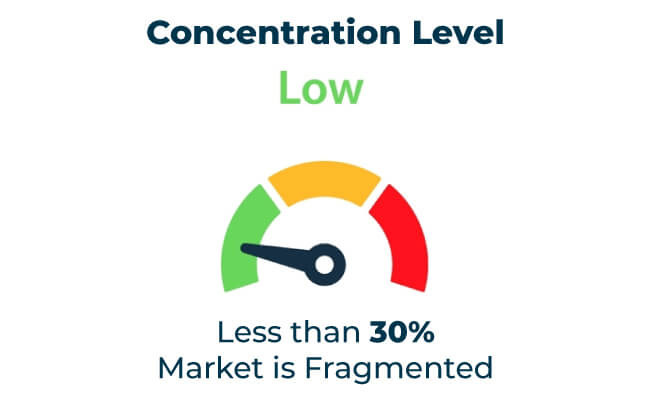
| Top 10 | 29% |
| Next 20 | 46% |
| Rest | 25% |
Market Structure and Concentration in Sachet Packaging Machinery
Year-over-Year Leaders in Global Sachet Packaging Equipment Supply
Bosch Packaging Technology leads on advanced, high-tech automated packaging machines that comes with smart capabilities. IMA Group is strong on modular designs across various industries; Viking Masek focuses strongly on ecofriendly and high speed solutions.
Insights from the Vendors on Operational Excellence and Differentiation
Bosch Packaging Technology leads through innovative automation and smart solutions and emphasizes energy efficiency. IMA Group is a pioneering modular and flexible design for machines suitable to the various needs of each industry. Sustainability is the flagship commitment of Viking Masek, which also comes with high speed.
Technology Trends Transforming Sachet Packaging Machine Capabilities
With IoT and AI, predictive maintenance and real-time monitoring will be incorporated into smart sachet packaging machines. Furthermore, lightweight materials and biodegradable films work side by side with the global sustainability goal. High-speed design and customization further enhance the operational efficiency and consumer engagement.
Sustainability Trends
The sector is geared toward minimizing environmental impact through eco-friendly manufacturing technologies and biodegradable materials. Companies are involved in innovation through mono-material sachets to allow for easier recyclability and closed-loop economy opportunities.
Consumer Patterns
The growing demand among urban consumers to use single-use consumables creates the market for sachet packers. Among the health-obsessed, consumer demand for packaging in controlled servings is high; for the earth-conscious, demands for products on sustainable materials can be seen.
Regulatory Clues Governing Compliance in Sachet Packaging Processes
Sub-Regional Regulation
North America has strict FDA regulations for food-grade materials and sustainability. Europe is ahead with full-fledged policies that encourage recyclability and biodegradability. Asia-Pacific governments are actively encouraging eco-friendly packaging solutions to fuel market growth.
Export Opportunity for Sachet Machines in Emerging and Developed Markets
Africa, Latin America, and Southeast Asia have a huge export potential as these regions are increasingly industrializing and urbanizing.
The sachet packaging machines market faces regulatory challenges, particularly environmental compliance and material safety standards. Sustainable materials also are costly, and this becomes a barrier. Emerging markets and innovation in automation and materials provide massive growth opportunities.
Market Context Across Food, Pharma, and Personal Care Applications
Regional Analysis
North America is leading in 35 percent market share as a result of increasing automation and also green packaging. Europe follows that with 30 percent share from stringent environmental regulations. Asia Pacific stands out at the fastest region growing at a rate of 6.8 percent, based on industrialization, among other factors.
Industry Application Segments
It would also hold accountable food and beverages as 55%, in demand, to be used portion-controlled, while Pharmaceuticals amount to another 30% aimed at being the right dosing while 10% contributes in Personal care products in which the major selling aspects is portability along with being ease of convenience
Recommendations for Technology Suppliers in Sachet Packaging Solutions
In investments in R&D on automation and eco-friendly materials by suppliers will enhance the reach of machines across the market as well as across various end-use industries. Awareness of consumers of the benefits associated with sustainable sachet packaging would increase adoption in the future.
Future Roadmap for Equipment Innovation and Expansion
Sachet packaging machines are expected to see a big boom in the near future with advancements in automated technology, material innovation, and sustainability. The future of the industry will be influenced by those companies that are in-line with these trends and investing in smart technologies.
Market KPIs Defining Success Metrics in Sachet Packaging Machines
Asia-Pacific and emerging markets' revenue growth must be monitored. Observations of segmented performance in the food, pharma, and personal care categories would help stakeholder groups gain relevant insights.
Who Moulded the Year – Leading Contributors to Machinery Advancements
The innovations in the automated packaging business set industry benchmarks at Bosch Packaging Technology. Modular IMA Group machinery received widespread acclaim; Viking Masek innovated new environmental solutions.
Bosch Packaging Technology leads with their advanced and sustainable solutions. The modular designs cater to the wide range of demands of IMA Group, and Viking Masek leads for high-speed, eco-friendly machines.
Tier-Wise Vendor Classification Based on Market Reach and Technology
| Tier | Key Companies |
|---|---|
| Tier 1 | Bosch Packaging Technology, IMA Group, Viking Masek |
| Tier 2 | Körber AG, Nichrome India |
| Tier 3 | Universal Pack, HPM Global |
Major Initiatives by Vendors to Enhance Automation and Customization
Bosch Packaging Technology diversified its energy-efficient smart machines portfolio by adding more devices in 2024. The IMA Group partnered with huge food and pharmaceutical companies to tailor industry-specific services. Viking Masek made green high-speed machines that went viral within short periods.
Market Definition – Scope, Equipment Types, and Functional Overview
Market Definition Scope
The sachet packaging machines market represents the machinery put into place in order to make products pack up in flexible single-use sachets. Market scope definition does not include bulk packing solutions and also non-flexible machinery.
Segmentation of the Sachet Packaging Machines Market by Automation Type, Output Capacity, Application, and Industry
By Region:
- North America
- Europe
- Asia-Pacific
- Other Regions
By Industry:
- Food and beverages
- Pharmaceuticals
- Personal care products.
Frequently Asked Questions
What will be the growth of the sachet packaging machines market?
The sachet packaging machines market, in the global context, is estimated to exhibit a CAGR of 3.0% during 2025 and 2035.
What would be the global sachet packaging machines market's worth in the year 2035?
The sachet packaging machines market is anticipated to achieve a global worth of USD 859.4 million by the end of 2035.
What percentage do top 10 players hold in the sachet packaging machines market?
Top 10 players have 29% share in the global sachet packaging machines market.
Who are the key manufacturers of sachet packaging machines?
Bosch Packaging Technology, IMA Group, and Viking Masek are some of the leading manufacturers of sachet packaging machines.
Preview the report firsthand - request a free sample
Get SampleGet the brochure for pricing and purchase details.
Get PDFTable of Content
- Market Analysis Sachet Packaging Machines
- Executive Summary
- Market Overview
- Market Growth
- Adoption Drivers
- Vendor Performance
- Top Vendors by Market Share
- Year-over-Year Leaders
- Key Vendor Insights
- Technology Trends
- IoT and AI Integration
- Lightweight and Biodegradable Materials
- Customization and High-Speed Designs
- Market Context
- Regional Analysis
- End-user Segments
- Recommendations for Technology Suppliers
- Key Recommendations
- Future Focus
- Market Metrics
- Revenue and Share by Vendor
- Figures/Visuals
- Who Shaped the Year
- Methodology
- Market Definition
- Key Players


