

- CAGR (2025 to 2035)
- 5.7%
Glass Bottles Market Size and Share Analysis Forecast Outlook 2035
Glass bottle producers are shaping the future of packaging, providing sustainable, high-quality, and aesthetically pleasing solutions. These firms serve food and beverage, cosmetics, pharmaceutical, and household products by utilizing sophisticated glass production technologies.
The market for glass bottles worldwide will reach over USD 78.4 billion by 2035, at a compound annual growth rate (CAGR) of 5.7%. Companies focus on eco-friendly practices, innovations, and customization to meet evolving consumer and industry demands.
The market’s growth stems from a shift toward recyclable and reusable packaging, driven by consumer awareness of environmental issues. Advanced glass manufacturing techniques, such as lightweighting and decorative finishes, help brands achieve cost efficiency and enhance branding. Manufacturers collaborate with various industries to comply with quality and sustainability standards.
| Attribute | Details |
|---|---|
| Projected Value by 2035 | USD 78.4 billion |
| CAGR (2025 to 2035) | 5.7% |
Market Overview of the Glass Bottles Market
Factors Driving Market Growth
- Sustainability: the glass bottles to be recyclable and reusable by the consumers.
- Aesthetic Appeal: Glass provides high-class, beautiful packaging for brands.
- Health and Safety: Glass is nontoxic and chemically inert, so it is very safe for food, beverages, and pharmaceuticals.
- Technological Advancements: Lightweight glass and advanced decorative techniques improve functionality and reduce costs.
- E-commerce Growth: Online retail drives demand for protective and premium packaging solutions.
Market Share & Industry Share
| Category | Market Share (%) |
|---|---|
| Top 3 Players (Owens-Illinois, Ardagh Group, Verallia) | 16% |
| Rest of Top 5 Players (Vetropack, Vidrala) | 06% |
| Next 5 of Top 10 Players | 07% |
Type of Player & Industry Share
| Type of Player | Market Share (%) |
|---|---|
| Top 10 Players | 29% |
| Next 20 Players | 45% |
| Remaining Players | 26% |
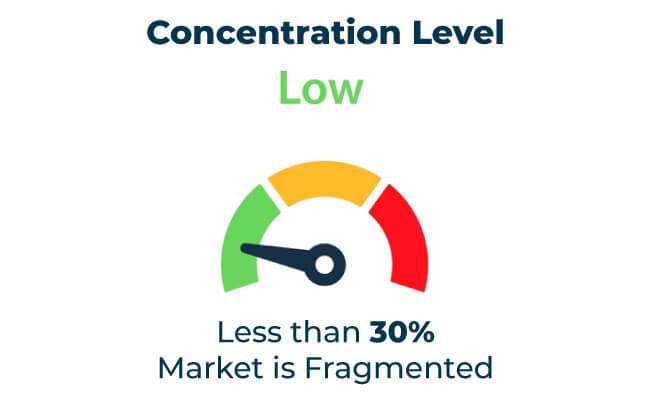
Market Concentration
Year-on-Year Leaders
- Owens-Illinois: Innovates lightweight glass bottles to reduce material use.
- Ardagh Group: Develops premium decorative glass bottles for branding.
- Verallia: Focuses on recyclable and customizable solutions for various industries.
Emerging Technologies
- Lightweight Glass: Reduces material use while maintaining strength and durability.
- Decorative Glass: Advanced finishes, embossing, and coloring enhance branding.
- Recycled Glass: Incorporates cullet (recycled glass) to lower environmental impact.
- Smart Packaging: Adds QR codes and smart labels for consumer interaction and traceability.
Sustainability Trends
- Recyclability: Glass bottles are 100% recyclable, reducing landfill waste.
- Energy-Efficient Production: Innovations in furnace technology lower energy consumption.
- Reusable Designs: Companies introduce refillable and returnable glass bottle programs.
Consumer Trends
- Preference for Premium Packaging: Consumers associate glass with luxury and quality.
- Eco-Consciousness: Shoppers prioritize products in recyclable and reusable glass containers.
- Health Awareness: Consumers favor glass for its chemical-free and non-reactive properties.
Regulatory Insights
- North America: Promotes sustainable packaging through environmental policies.
- Europe: Enforces strict recycling mandates and encourages circular economy practices.
- Asia-Pacific: Experiences growing demand for eco-friendly and premium glass bottles.
Export Opportunities
Emerging markets in the Asia-Pacific region, Africa, and Latin America offer enormous scope for exports. These regions witnessed increasing demand from the food and beverage, cosmetic, and pharmaceutical industries for luxury glass bottles. Government initiatives also promote green packaging, thus upscaling export value.
Obstacles and Opportunities
Obstacles
- High Production Costs: Glass manufacturing requires significant energy and resources.
- Fragility: Logistics and storage can be challenging due to the breakable nature of glass.
- Recycling Infrastructure: Limited facilities in some regions hinder the circular economy.
Opportunities
- Sustainable Packaging Growth: Increasing demand for eco-friendly alternatives creates market openings.
- Premiumization: Brands use glass bottles to enhance product positioning and aesthetics.
- Technological Innovations: Lightweighting and decorative advancements provide new solutions.
Market Context
In-House vs. Contract Packaging
- In-House Packaging: Companies with internal glass production maintain control over quality, branding, and costs. This approach benefits firms with significant capital and large-scale operations.
- Contract Packaging: Outsourcing offers flexibility and access to advanced technologies without high upfront investment. It suits smaller companies or those with variable demand.
Regional Analysis
| Region | North America |
|---|---|
| Market Share (%) | 25% |
| Key Drivers | Sustainability focus and demand for premium packaging. |
| Region | Europe |
|---|---|
| Market Share (%) | 35% |
| Key Drivers | Strong recycling systems and high eco-conscious consumer base. |
| Region | Asia-Pacific |
|---|---|
| Market Share (%) | 30% |
| Key Drivers | Growth in urbanization and packaged goods consumption. |
| Region | Other Regions |
|---|---|
| Market Share (%) | 10% |
| Key Drivers | Emerging markets prioritize affordable and sustainable glass. |
End-User Segment Analysis
- Food and Beverage: Dominates the market with applications in alcoholic beverages, juices, and sauces.
- Cosmetics: Prefers glass for perfumes and skincare products due to its premium appearance.
- Pharmaceuticals: Relies on glass for its chemical resistance and ability to preserve product integrity.
- Household Goods: Uses glass bottles for cleaning products and decorative items.
Future Roadmap
The glass bottles market will grow as companies integrate sustainability, premiumization, and innovative technologies. Manufacturers investing in cullet utilization, smart packaging, and lightweight glass will gain a competitive edge. Export expansion and smart labeling will further enhance market growth.
Market KPI
- Regional Revenue Growth: Tracks growth in Asia-Pacific and Europe.
- Sustainability Metrics: Measures the percentage of recycled glass used in production.
- End-User Adoption Rates: Monitors rising demand across food, cosmetics, and pharmaceutical sectors.
Who Shaped the Year
- Owens-Illinois: Leads with lightweighting innovations.
- Ardagh Group: Advances decorative and premium glass bottle designs.
- Verallia: Strengthens market presence through sustainable production practices.
Tier-Wise Company Analysis
| Tier | Key Companies |
|---|---|
| Tier 1 | Owens-Illinois, Ardagh Group, Verallia |
| Tier 2 | Vetropack, Vidrala |
| Tier 3 | Wiegand-Glas, Stoelzle |
Key Vendor Initiatives
- Owens-Illinois: Innovates lightweight glass and integrates recycled content.
- Ardagh Group: Expands decorative capabilities for high-end segments.
- Verallia: Focuses on increasing recycled glass usage and sustainable practices.
Conclusion
The glass bottles market is set to continue steady growth, driven by sustainability, premiumization, and technological advancements. Companies that place a premium on green practices, smart packaging, and emerging market opportunities will lead the competitive landscape. Innovations in recycling and lightweighting will continue to enhance efficiency and environmental impact.
Appendix
Key Definitions
- Glass Bottles: Packaging solutions made from glass, used across various industries.
- Cullet: Recycled glass used as raw material for new glass products.
- Decorative Glass: Glass bottles with customized designs, colors, and textures.
Abbreviations
- CAGR: Compound Annual Growth Rate
- EU: European Union
Methodology
This report integrates primary research, secondary data, and expert insights. Analysts validated findings through interviews with industry professionals and end-users. The methodology ensures a comprehensive and accurate market perspective.
Market Definition
The glass bottles market involves designing, producing, and using glass packaging solutions for food, beverages, cosmetics, pharmaceuticals, and household goods. These bottles provide durability, sustainability, and premium appeal.
Top Segments Studied in the Glass Bottles Market Outlook
By End-User:
- Food and Beverage
- Cosmetics
- Pharmaceuticals
- Household Goods
By Region:
- North America
- Europe
- Asia-Pacific
- Other Regions
Frequently Asked Questions
What is driving the growth of the glass bottles market?
The market is growing due to increasing demand for sustainable, recyclable, and premium packaging, especially in the beverage, food, and pharmaceutical industries.
Why is glass preferred over plastic for packaging?
Glass is eco-friendly, non-toxic, and offers a premium look. It also preserves the quality and taste of contents better than plastic.
What are the key challenges for manufacturers in the glass bottles market?
High energy costs, fragility, and uneven recycling infrastructure are major challenges.
Which regions offer the most growth opportunities?
Asia-Pacific, Africa, and Latin America are key regions due to expanding middle-class consumption and rising awareness of eco-friendly packaging.
How are companies addressing sustainability in glass production?
Manufacturers are increasing recycled content in their products, adopting energy-efficient technologies, and reducing waste through lightweight glass designs.
Preview the report firsthand - request a free sample
Get SampleGet the brochure for pricing and purchase details.
Get PDFTable of Content
- Executive Summary
- Market Overview
- Market Growth Drivers
- Market Size and Forecast
- Vendor Performance
- Global Market Share & Industry Share
- Type of Player & Industry Share
- Market Concentration
- Year-on-Year Leaders
- Technology Trends
- Sustainability Trends
- Consumer Trends
- Regulatory Insights
- Export Opportunities
- Challenges and Opportunities
- Market Context
- Regional Analysis
- End-User Industry Segments
- Future Roadmap
- Market KPI
- Who Shaped the Year
- Tier-Wise Company Analysis
- Key Vendor Initiatives
- Conclusion
- Appendix
- Methodology
- Market Definition
- FAQs


