

- Industry Size (2025)
- USD 17.4 Mn
- Forecast (2035)
- USD 32.8 Mn
- CAGR (2025 to 2035)
- 6.5%
Demand for Artificial Pancreas Device System in Japan Forecast and Outlook 2025 to 2035
Demand for artificial pancreas device systems in Japan is projected to grow from USD 17.4 million in 2025 to USD 32.8 million by 2035, reflecting a compound annual growth rate (CAGR) of 6.5%. Growth is driven by the increasing prevalence of diabetes in Japan, particularly type 1 diabetes, and the growing demand for advanced systems that help manage blood glucose levels. Artificial pancreas devices, which combine an insulin pump with continuous glucose monitoring (CGM) to automate insulin delivery, are transforming the way diabetes is managed, improving patient quality of life and outcomes. As more patients with type 1 and type 2 diabetes seek better management solutions, the adoption of artificial pancreas systems is expected to rise steadily.
Growth is supported by technological advancements in medical devices, including more accurate and efficient glucose sensors and insulin delivery mechanisms. Japan’s strong healthcare infrastructure and focus on technological innovation in medical devices will contribute to the increased adoption of artificial pancreas systems over the next decade.
Quick Stats of the Demand for Artificial Pancreas Device System in Japan
- Demand for Artificial Pancreas Device System in Japan Value (2025): USD 17.4 million
- Demand for Artificial Pancreas Device System in Japan Forecast Value (2035): USD 32.8 million
- Demand for Artificial Pancreas Device System in Japan Forecast CAGR (2025 to 2035): 6.5%
- Demand for Artificial Pancreas Device System in Japan Leading Product: Threshold Suspend Device System (73%)
- Demand for Artificial Pancreas Device System in Japan Key Growth Regions: Kyushu & Okinawa, Kanto, Kansai, Chubu, Tohoku, Rest of Japan
- Demand for Artificial Pancreas Device System in Japan Key Players: Medtronic, Insulet Corporation, Tandem Diabetes Care, Inc., Abbott Laboratories, Beta Bionics
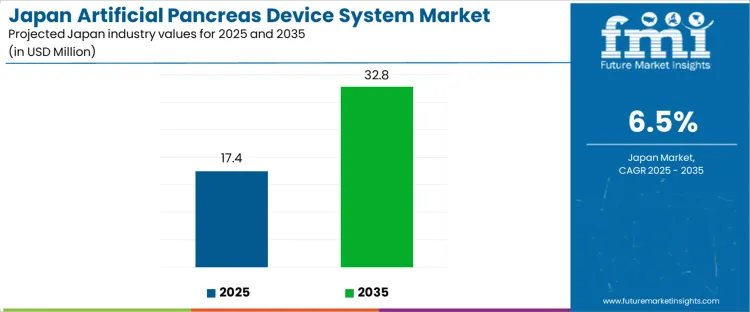
What is the Growth Forecast for the Artificial Pancreas Device System Market through 2035?
The compound absolute growth analysis for the artificial pancreas device system market in Japan shows steady growth, with consistent increases in demand over the forecast period. Starting at USD 17.4 million in 2025, the market grows to USD 18.6 million in 2026 and USD 19.8 million in 2027. This early-stage growth reflects growing awareness of the technology and its benefits, particularly among type 1 diabetes patients. The gradual rise in adoption is driven by the increasing desire for more effective and automated solutions in managing diabetes, as well as advancements in glucose monitoring and insulin delivery technologies.
As industry advances, demand for artificial pancreas devices continues to grow. By 2028, the valuation will reach USD 21.1 million, followed by USD 22.4 million in 2029, and USD 23.9 million in 2030. The latter years see more rapid growth, fueled by improvements in device performance, enhanced user convenience, and broader acceptance of these systems in clinical practice. By 2035, the market is expected to reach USD 32.8 million.
Key Takeaways of Artificial Pancreas Device System Industry in Japan
| Metric | Value |
|---|---|
| Industry Sales Value (2025) | USD 17.4 million |
| Industry Forecast Value (2035) | USD 32.8 million |
| Industry Forecast CAGR (2025 to 2035) | 6.5% |
What Is Driving the Demand for Artificial Pancreas Device Systems in Japan?
Demand for artificial pancreas device systems in Japan has been shaped by increasing prevalence of diabetes, growing use of insulin delivery devices, and advances in glucose monitoring and insulin pump technologies. The broader diabetes care devices market in Japan has been growing, with insulin delivery devices being the largest segment. Rising incidence of diabetes has created greater need for improved diabetes management tools. Medical professionals have expressed interest in such systems, including in clinical settings for surgical or acute care patients, suggesting a foundation for broader adoption.
Future demand for artificial pancreas device systems in Japan is expected to grow as diabetes prevalence continues to increase, especially among older adults. Growth in demand will also be driven by increasing preference for automated insulin delivery systems over manual insulin administration methods. As CGM devices and insulin pumps become more integrated and widely accepted, uptake of closed loop systems will likely rise. Advances in device reliability, user convenience, and regulatory support for diabetes management technologies may further encourage adoption.
What Are the Key Segments in Artificial Pancreas Device System Market in Japan?
Artificial pancreas device system market in Japan is segmented by product type and indication. Threshold suspend device systems lead the product type segment, accounting for 73% of the market share. In terms of indication, diabetes type I is the dominant condition, representing 56.3% of the market. The increasing prevalence of diabetes and the need for more effective and automated glucose management solutions are driving the adoption of artificial pancreas devices in Japan.
Which Product Drives Artificial Pancreas Device System Demand in Japan?
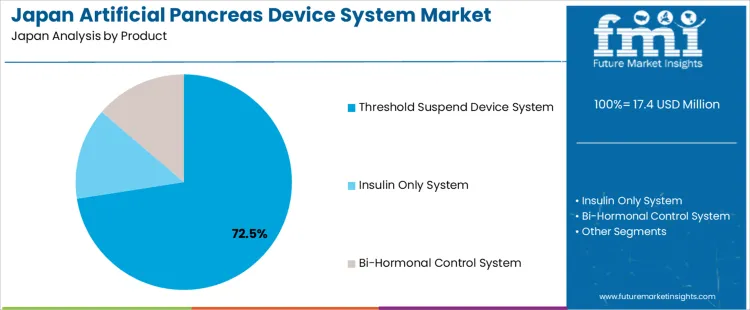
Threshold suspend device systems are the most widely used in Japan, holding 73% of the market share. These systems are designed to automatically suspend insulin delivery when glucose levels reach a preset threshold, preventing hypoglycemia (low blood sugar). Threshold suspend devices are particularly popular in the management of diabetes type I, as they offer improved safety and convenience for patients by reducing the risk of severe hypoglycemic episodes. The high adoption rate of threshold suspend devices is driven by their proven efficacy in stabilizing glucose levels, reducing patient burden, and enhancing the quality of life for individuals with diabetes. Other systems such as insulin-only systems and bi-hormonal control systems are also available but have a smaller market share due to the preference for threshold suspend devices, which offer a simpler and more direct approach to glucose regulation.
Which Indication Drives Artificial Pancreas Device System Demand in Japan?
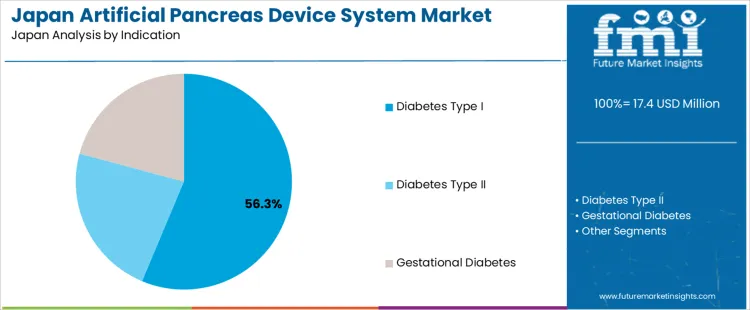
Diabetes type I is the leading indication for artificial pancreas device systems in Japan, accounting for 56.3% of the market share. This is due to the high incidence of type I diabetes, particularly among younger populations, who require constant management of blood glucose levels. Artificial pancreas devices provide a more automated and efficient way to control blood sugar, reducing the need for continuous manual adjustments and insulin administration. Increasing focus on improving outcomes for patients with type 1 diabetes, combined with the growing demand for less invasive and more effective treatments, is driving the adoption of artificial pancreas systems in Japan. Diabetes type II and gestational diabetes also contribute to the market, but type I diabetes remains the largest driver due to the critical need for precise and continuous glucose monitoring and regulation in these patients.
What is the Demand for Artificial Pancreas Device System in Japan?
Demand for artificial pancreas device systems in Japan is growing as the country faces increasing rates of diabetes, particularly type 1 diabetes, among both children and adults. The artificial pancreas is a medical device that automates insulin delivery and monitors blood glucose levels, mimicking the function of a healthy pancreas. As Japan continues to focus on improving the quality of life for individuals with diabetes and reducing the complications associated with the disease, the market for artificial pancreas device systems is expected to expand. Technological advancements in glucose monitoring and insulin delivery systems are driving this growth, providing a more efficient and reliable management solution for diabetes patients.
What are the Drivers of Demand for Artificial Pancreas Device System in Japan?
Several factors are driving the demand for artificial pancreas device systems in Japan. Increasing prevalence of diabetes, particularly type 1 diabetes, is creating a greater need for advanced treatment options that improve glucose control and reduce the risk of complications. Rising adoption of advanced medical technologies in Japan’s healthcare system, such as continuous glucose monitors (CGMs) and insulin pumps, is facilitating the integration of artificial pancreas systems. Growing focus on improving patient outcomes and quality of life for people with diabetes, along with efforts to reduce healthcare costs associated with long-term complications, is driving the adoption of these advanced devices. Japan's aging population and the growing number of individuals with diabetes-related health issues are further driving the demand for artificial pancreas device systems.
What are the Restraints on Demand for Artificial Pancreas Device System in Japan?
Despite growing demand, several challenges may limit the widespread adoption of artificial pancreas devices in Japan. One major restraint is the high cost of these devices, which can be a barrier for patients without sufficient insurance coverage or access to financial support. Some patients may have difficulty using the devices due to their complexity, requiring specialized training and ongoing management. Another challenge is the limited availability of these devices in some regions of Japan, particularly in rural areas, where healthcare infrastructure may be less developed. Finally, there may be concerns about the long-term reliability and safety of artificial pancreas systems, particularly regarding the integration of different components such as insulin pumps and glucose monitors, which could affect patient confidence in the technology.
What are the Key Trends Influencing Demand for Artificial Pancreas Device System in Japan?
Several key trends are shaping the demand for artificial pancreas device systems in Japan. One important trend is the increasing integration of technology into diabetes management, including advancements in automated insulin delivery and real-time glucose monitoring. As technology improves, the artificial pancreas system is becoming more reliable and user-friendly, driving adoption. Another trend is the growing focus on personalized medicine, where treatment options, including artificial pancreas systems, are tailored to the individual needs of diabetes patients. There is growing interest in remote monitoring and digital health solutions, making it easier for patients and healthcare providers to manage diabetes effectively. Finally, government initiatives to improve access to diabetes care and technological innovations are contributing to the increased availability and use of artificial pancreas systems in Japan.
What is the Regional Demand Outlook for the Artificial Pancreas Device System Market in Japan?
The artificial pancreas device system market in Japan is expected to experience significant growth, with Kyushu & Okinawa leading the way at a projected CAGR of 8.2%. Kanto follows with a growth rate of 7.5%, while Kansai is expected to grow at 6.6%. Chubu is projected to grow at a rate of 5.8%, while Tohoku and Rest of Japan show more moderate growth, with CAGRs of 5.1% and 4.8%, respectively. The increasing prevalence of diabetes and advancements in medical technology are driving the demand for artificial pancreas systems, which are designed to help people with diabetes better manage their blood glucose levels. As healthcare systems continue to prioritize improved diabetes care and the adoption of innovative medical devices, the market for artificial pancreas devices is expected to grow across Japan.
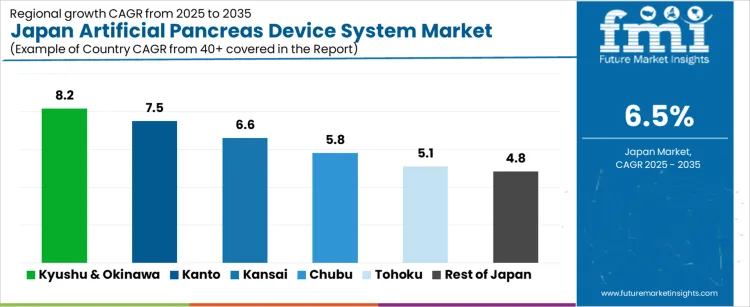
| Region | CAGR (2025-2035) |
|---|---|
| Kyushu & Okinawa | 8.2% |
| Kanto | 7.5% |
| Kansai | 6.6% |
| Chubu | 5.8% |
| Tohoku | 5.1% |
| Rest of Japan | 4.8% |
What is Driving the Growth of Artificial Pancreas Device Systems in Kyushu & Okinawa?
Kyushu & Okinawa is projected to experience the highest growth in the Artificial Pancreas Device System market, with a projected CAGR of 8.2%. The region’s increasing diabetes prevalence, coupled with growing demand for advanced diabetes management solutions, is a key driver of this growth. Kyushu & Okinawa has a significant aging population, which is more prone to conditions like Type 1 and Type 2 diabetes, thus creating a strong need for systems that can help manage glucose levels more effectively. Healthcare providers in the region are increasingly adopting advanced technologies, such as artificial pancreas systems, to offer improved outcomes for diabetic patients. As awareness of the benefits of these devices grows and accessibility improves, the market for artificial pancreas devices in Kyushu & Okinawa is expected to continue expanding.
Why is the Artificial Pancreas Device System Market Expanding in Kanto?
In Kanto, the demand for artificial pancreas device systems is projected to grow at a CAGR of 7.5%. Kanto, which includes Japan's capital, Tokyo, is a hub for healthcare innovation and has a high concentration of healthcare providers focused on advanced treatments for chronic conditions like diabetes. The increasing adoption of digital health technologies and wearable medical devices in the region is contributing to the rising demand for artificial pancreas systems. With a growing number of people diagnosed with diabetes, Kanto’s healthcare systems are turning to these devices to help manage blood sugar levels more effectively, improving the quality of life for patients. As the region continues to prioritize health and wellness, the artificial pancreas device system market is expected to grow steadily, driven by both patient demand and technological advancements in diabetes care.
How is the Artificial Pancreas Device System Market Growing in Kansai?
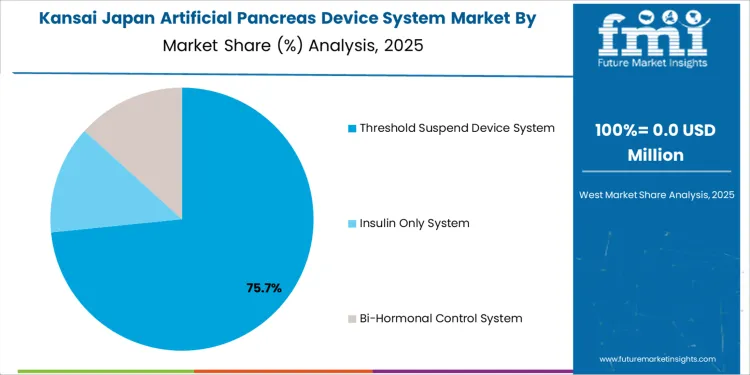
In Kansai, the Artificial Pancreas Device System market is projected to grow at a CAGR of 6.6%. The region’s well-established healthcare infrastructure and growing diabetic population are significant factors contributing to the market expansion. Major cities like Osaka and Kyoto are home to many healthcare facilities that are increasingly adopting advanced technologies like artificial pancreas systems to improve diabetes management. The region’s focus on providing high-quality care and reducing healthcare costs is further driving the demand for innovative medical solutions. With the increasing prevalence of diabetes and the rising demand for effective treatments that can provide greater control over glucose levels, the market for artificial pancreas devices in Kansai is expected to see continued growth.
What is Contributing to the Growth of Artificial Pancreas Device Systems in Chubu?
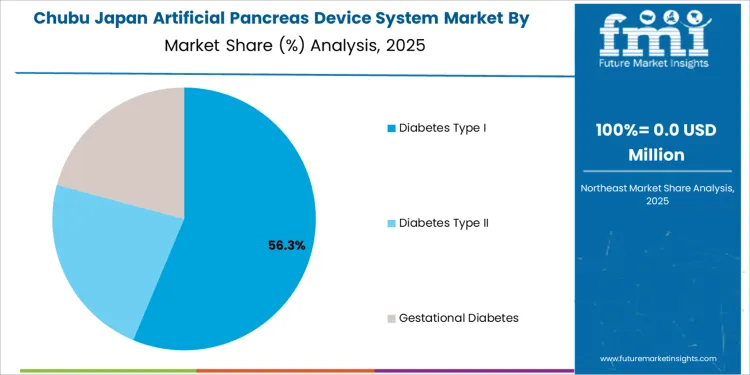
In Chubu, the Artificial Pancreas Device System market is expected to grow at a CAGR of 5.8%. The region, which includes cities like Nagoya, has a strong healthcare system that is increasingly adopting advanced diabetes management solutions. As the incidence of diabetes continues to rise in Chubu, healthcare providers are turning to artificial pancreas systems to improve patient outcomes and manage blood glucose levels more effectively. The region’s aging population, along with the growing awareness of the benefits of technology in diabetes management, is further driving market growth. While the growth rate in Chubu is moderate compared to other regions, the demand for these devices is expected to rise steadily as more patients and healthcare providers recognize the value of artificial pancreas systems in managing diabetes.
What is Influencing the Growth of Artificial Pancreas Device Systems in Tohoku?
In Tohoku, the Artificial Pancreas Device System market is projected to grow at a CAGR of 5.1%. The region’s growing awareness of diabetes management technologies and the increasing prevalence of diabetes are contributing to the demand for artificial pancreas systems. With a higher incidence of Type 2 diabetes among the elderly population in Tohoku, the need for effective, automated blood glucose management solutions is rising. Healthcare providers in the region are increasingly looking to adopt innovative solutions, like artificial pancreas systems, to enhance treatment options for diabetic patients. While the growth rate is slower compared to regions like Kyushu & Okinawa and Kanto, the market for artificial pancreas devices in Tohoku is expected to grow as healthcare systems continue to prioritize advanced care solutions.
What is Contributing to the Growth of Artificial Pancreas Device Systems in Rest of Japan?
In Rest of Japan, the Artificial Pancreas Device System market is expected to grow at a more moderate rate of 4.8%. Although the demand is smaller compared to major metropolitan areas, there is still a growing interest in improving diabetes management in rural areas. The increasing prevalence of diabetes across Japan, including in rural areas, is driving the adoption of advanced diabetes care technologies. As awareness of artificial pancreas systems spreads and their availability improves, the market is expected to see gradual growth in Rest of Japan. The region’s healthcare providers are becoming more focused on providing innovative solutions to manage chronic conditions like diabetes, which is contributing to the rise in demand for these systems.
What is the Competitive Landscape for Demand for Artificial Pancreas Device Systems in Japan?
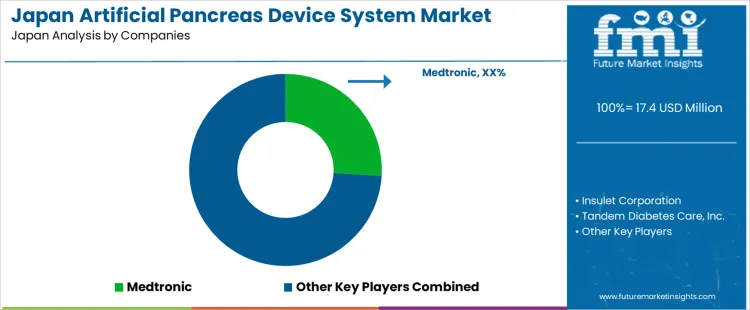
Demand for artificial pancreas device systems in Japan is gaining momentum as diabetes prevalence rises and interest in advanced insulin delivery grows. Japan currently has a large population living with diabetes, including both Type 1 and insulin dependent Type 2 cases. As traditional insulin delivery via injections remains burdensome for many, demand is shifting toward automated solutions that combine continuous glucose monitoring (CGM) with insulin pumps - devices that mimic healthy pancreatic function and reduce the burden of glucose management. Growth of the domestic insulin pump market in Japan, including modern closed loop and hybrid systems, supports rising acceptance of artificial pancreas systems.
On the supply side, the market is shaped by major global diabetes device firms competing to meet rising Japanese demand. According to your list, Medtronic is a leading player, followed by Insulet Corporation, Tandem Diabetes Care, Inc., Abbott Laboratories, and Beta Bionics. These companies offer a range of insulin delivery and glucose monitoring solutions, from advanced closed loop systems to next generation hybrid or “bionic pancreas” platforms. Competition among providers centers on system reliability, integration of CGM with pumps, ease of use for patients, regulatory approval for Japan, local support and training, and affordability for end users. Firms that combine cutting edge technology, clinical safety, and strong support infrastructure are best positioned to capture growth as adoption spreads among Japanese patients seeking automated, convenient diabetes management.
Key Players of the Artificial Pancreas Device System Industry in Japan
- Medtronic
- Insulet Corporation
- Tandem Diabetes Care, Inc.
- Abbott Laboratories
- Beta Bionics
Scope of the Report
| Items | Details |
|---|---|
| Quantitative Units | USD Million |
| Regions Covered | Japan |
| Product | Threshold Suspend Device System (or basic insulin pump based systems), Insulin Only System, Bi Hormonal Control System (or more advanced closed /dual hormone systems) |
| Indication | Diabetes Type I, Diabetes Type II, Gestational Diabetes |
| End User | Hospitals, Homecare Settings, Diabetes Clinics / Specialty Clinics, Others (including outpatient care, home use) |
| Key Companies Profiled | Medtronic; Insulet Corporation; Tandem Diabetes Care, Inc.; Abbott Laboratories; Beta Bionics |
| Additional Attributes | Dollar sales by product type and end user indicate growing demand, particularly for insulin only and threshold suspend systems. Rising diabetes prevalence, aging population, and interest in better glycemic control (especially for Type 1 and insulin dependent Type 2) support expansion. Homecare and clinic based use are increasing, aided by sensor and AID (automated insulin delivery) technology adoption and growing awareness among patients and providers. |
Key Segments in the Demand for Artificial Pancreas Device System in Japan
Product:
- Threshold Suspend Device System
- Insulin Only System
- Bi-Hormonal Control System
Indication:
- Diabetes Type I
- Diabetes Type II
- Gestational Diabetes
End User:
- Hospitals
- Homecare Settings
- Diabetes Clinics
- Specialty Clinics
- Others
Region:
- Kyushu & Okinawa
- Kanto
- Kansai
- Chubu
- Tohoku
- Rest of Japan
Frequently Asked Questions
How big is the demand for artificial pancreas device system in Japan in 2025?
The demand for artificial pancreas device system in Japan is estimated to be valued at USD 17.4 million in 2025.
What will be the size of artificial pancreas device system in Japan in 2035?
The market size for the artificial pancreas device system in Japan is projected to reach USD 32.8 million by 2035.
How much will be the demand for artificial pancreas device system in Japan growth between 2025 and 2035?
The demand for artificial pancreas device system in Japan is expected to grow at a 6.5% CAGR between 2025 and 2035.
What are the key product types in the artificial pancreas device system in Japan?
The key product types in artificial pancreas device system in Japan are threshold suspend device system, insulin only system and bi-hormonal control system.
Which indication segment is expected to contribute significant share in the artificial pancreas device system in Japan in 2025?
In terms of indication, diabetes type i segment is expected to command 56.3% share in the artificial pancreas device system in Japan in 2025.
Preview the report firsthand - request a free sample
Get SampleGet the brochure for pricing and purchase details.
Get PDFTable of Content
- Executive Summary
- Japan Market Outlook
- Demand-side Trends
- Supply-side Trends
- Technology Roadmap Analysis
- Analysis and Recommendations
- Market Overview
- Market Coverage / Taxonomy
- Market Definition / Scope / Limitations
- Market Background
- Market Dynamics
- Drivers
- Restraints
- Opportunity
- Trends
- Scenario Forecast
- Demand in Optimistic Scenario
- Demand in Likely Scenario
- Demand in Conservative Scenario
- Opportunity Map Analysis
- Product Life Cycle Analysis
- Supply Chain Analysis
- Investment Feasibility Matrix
- Value Chain Analysis
- PESTLE and Porter’s Analysis
- Regulatory Landscape
- Regional Parent Market Outlook
- Production and Consumption Statistics
- Import and Export Statistics
- Market Dynamics
- Japan Market Analysis 2020 to 2024 and Forecast, 2025 to 2035
- Historical Market Size Value (USD Million) Analysis, 2020 to 2024
- Current and Future Market Size Value (USD Million) Projections, 2025 to 2035
- Y-o-Y Growth Trend Analysis
- Absolute $ Opportunity Analysis
- Japan Market Pricing Analysis 2020 to 2024 and Forecast 2025 to 2035
- Japan Market Analysis 2020 to 2024 and Forecast 2025 to 2035, By Product
- Introduction / Key Findings
- Historical Market Size Value (USD Million) Analysis By Product , 2020 to 2024
- Current and Future Market Size Value (USD Million) Analysis and Forecast By Product , 2025 to 2035
- Threshold Suspend Device System
- Insulin Only System
- Bi-Hormonal Control System
- Y-o-Y Growth Trend Analysis By Product , 2020 to 2024
- Absolute $ Opportunity Analysis By Product , 2025 to 2035
- Japan Market Analysis 2020 to 2024 and Forecast 2025 to 2035, By Indication
- Introduction / Key Findings
- Historical Market Size Value (USD Million) Analysis By Indication, 2020 to 2024
- Current and Future Market Size Value (USD Million) Analysis and Forecast By Indication, 2025 to 2035
- Diabetes Type I
- Diabetes Type II
- Gestational Diabetes
- Y-o-Y Growth Trend Analysis By Indication, 2020 to 2024
- Absolute $ Opportunity Analysis By Indication, 2025 to 2035
- Japan Market Analysis 2020 to 2024 and Forecast 2025 to 2035, By End User
- Introduction / Key Findings
- Historical Market Size Value (USD Million) Analysis By End User, 2020 to 2024
- Current and Future Market Size Value (USD Million) Analysis and Forecast By End User, 2025 to 2035
- Hospitals
- Homecare Settings
- Diabetes Clinics
- Specialty Clinics
- Others
- Y-o-Y Growth Trend Analysis By End User, 2020 to 2024
- Absolute $ Opportunity Analysis By End User, 2025 to 2035
- Market Structure Analysis
- Competition Dashboard
- Competition Benchmarking
- Market Share Analysis of Top Players
- By Regional
- By Product
- By Indication
- By End User
- Competition Analysis
- Competition Deep Dive
- Medtronic
- Overview
- Product Portfolio
- Profitability by Market Segments (Product/Age /Sales Channel/Region)
- Sales Footprint
- Strategy Overview
- Marketing Strategy
- Product Strategy
- Channel Strategy
- Insulet Corporation
- Tandem Diabetes Care, Inc.
- Abbott Laboratories
- Beta Bionics
- Medtronic
- Competition Deep Dive
- Assumptions & Acronyms Used
- Research Methodology


