

- Industry Size (2026)
- USD 534.7 Mn
- Forecast (2036)
- USD 905 Mn
- CAGR (2026 to 2036)
- 4.9%
Demand for Egg Protein in Japan Forecast and Outlook 2026 to 2036
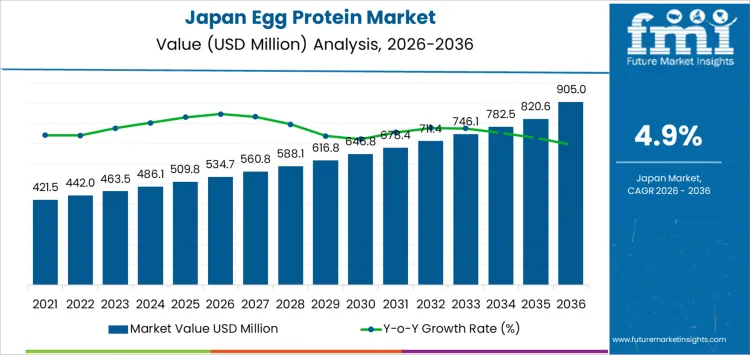
Demand for egg protein in Japan is set to grow steadily, projected to increase from USD 534.7 million in 2026 to USD 905 million by 2036, with a compound annual growth rate (CAGR) of 4.9%. This growth is primarily driven by the increasing awareness around health and fitness, along with the rising popularity of functional foods. Egg protein, recognized for its high biological value and complete amino acid profile, is gaining traction across several sectors, including dietary supplements, sports nutrition, bakery & confectionery, and functional beverages. As Japanese consumers become more health-conscious and active, egg protein has become a preferred choice for its superior digestibility and ability to support muscle recovery and growth.
Quick Stats of the Demand for Egg Protein in Japan
- Demand for Egg Protein in Japan Value (2026): USD 534.7 million
- Demand for Egg Protein in Japan Forecast Value (2036): USD 905 million
- Demand for Egg Protein in Japan Forecast CAGR (2026-2036): 4.9%
- Demand for Egg Protein in Japan Leading Function: Thickening
- Demand for Egg Protein in Japan Key Growth Regions: Kyushu & Okinawa, Kanto, Kansai, Chubu, Tohoku, Rest of Japan
- Demand for Egg Protein in Japan Top Players: Cargill Inc., Rose Acre Farms, Bouwhuis Enthoven, IGRECA, Church & Dwight Co. Inc.
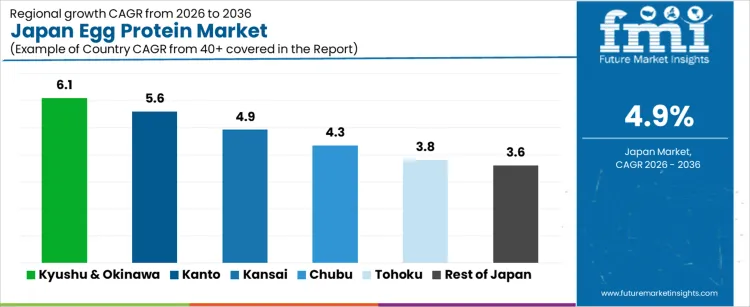
Kyushu & Okinawa leads the demand with a 6.1% CAGR, driven by its strong agricultural base and rising health awareness, particularly among the aging population. Kanto follows closely with a 5.6% CAGR, bolstered by its large urban population and the booming demand for protein-enriched foods. Kansai shows a steady 4.9% CAGR, fueled by the region's established food industry and growing consumer interest in nutritional products. The trend toward clean-label, eco-friendly ingredients is also contributing to the rise in egg protein consumption, with applications in functional foods becoming increasingly popular. Despite competition from plant-based proteins, egg protein’s versatility and effectiveness in various formulations ensure its growing relevance in Japan’s food and wellness sectors.
Demand for Egg Protein in Japan Key Takeaways
| Metric | Value |
|---|---|
| Demand for Egg Protein in Japan Value (2026) | USD 534.7 million |
| Demand for Egg Protein in Japan Forecast Value (2036) | USD 905 million |
| Demand for Egg Protein in Japan Forecast CAGR (2026-2036) | 4.9% |
Why is the Demand for Egg Protein in Japan Growing?
Demand for egg protein in Japan is growing due to the increasing focus on health, fitness, and functional food products. Egg protein, known for its high biological value and complete amino acid profile, is used in various applications, including dietary supplements, sports nutrition products, and food ingredients. As more Japanese consumers seek high-quality protein sources to support active lifestyles, weight management, and overall health, egg protein has become a popular choice due to its superior digestibility and effectiveness in promoting muscle repair and growth.
Key drivers for this growth include the rising awareness of the importance of protein in maintaining health, particularly among the aging population, where maintaining muscle mass is essential. The growth of the fitness and wellness industry in Japan, driven by increasing interest in physical activity and healthy eating, is further supporting the demand for egg protein. The increasing consumption of protein-enriched products, such as protein bars, shakes, and functional snacks, is contributing to the rise in demand for egg protein as a key ingredient.
Demand for egg protein is also fueled by its versatility in both food and beverage formulations and in the nutraceutical industry. Furthermore, innovations in egg protein processing, such as the development of egg white powder and egg protein isolates, are improving the quality and accessibility of egg protein for use in various products. Despite challenges such as price fluctuations and competition from plant-based protein alternatives, the ongoing focus on health, nutrition, and functional foods is expected to drive steady growth in the demand for egg protein in Japan through 2036.
What is the Segment-Wise Analysis of Demand for Egg Protein in Japan?
Demand for egg protein in Japan is segmented by end-use, function, and region. By end-use, bakery & confectionery leads with 28% of the demand, followed by protein & nutritional bars, breakfast cereals, functional beverages, dietary supplements, and sports nutrition. In terms of function, thickening accounts for 25% of the demand, with leavening, binding, preservatives/antimicrobial, and emulsifying following. Regionally, demand is distributed across Kyushu & Okinawa, Kanto, Kansai, Chubu, Tohoku, and the rest of Japan.
Why Does Bakery & Confectionery Lead the Demand for Egg Protein in Japan?
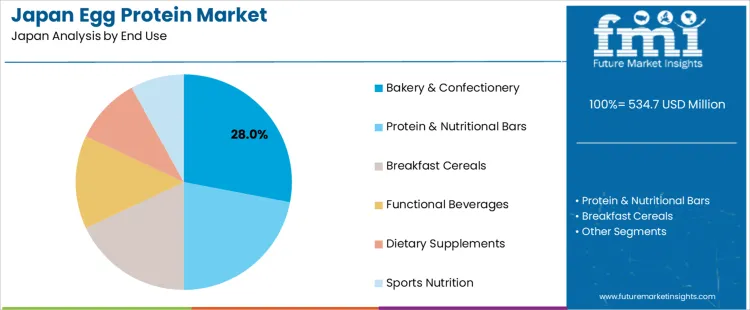
Bakery & confectionery accounts for 28% of the demand for egg protein in Japan, driven by its essential role in improving texture, structure, and overall quality of products. Egg protein is a key ingredient in the production of cakes, pastries, and other baked goods due to its leavening and emulsifying properties. As the demand for high-quality, convenient, and nutritious baked goods rises, the need for egg protein continues to grow. The ability of egg protein to enhance the stability and mouthfeel of bakery products further drives its use in this sector. The increasing focus on clean-label ingredients and natural protein sources in food products boosts egg protein’s demand in bakery & confectionery applications.
How Does Thickening Function Drive the Demand for Egg Protein in Japan?
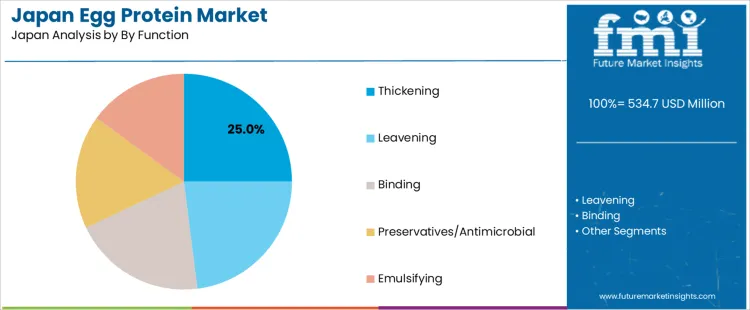
Thickening accounts for 25% of the demand for egg protein in Japan, driven by the widespread use of egg protein in sauces, dressings, soups, and beverages. Egg protein’s ability to provide smooth texture and improve the viscosity of food products makes it an essential ingredient in various culinary applications. As the demand for convenient, ready-to-eat meals increases, egg protein is increasingly favored for its natural thickening and binding properties. The growing interest in clean-label and functional ingredients further supports the demand for egg protein as a thickening agent in both food processing and ready-to-consume products. As manufacturers seek efficient, versatile, and natural thickeners, egg protein plays a vital role in meeting these demands.
What are the Key Trends, Drivers and Restraints in Demand for Egg Protein in Japan?
Demand for egg protein in Japan is rising as food and nutrition sectors increasingly use high‑quality protein sources in processed foods, supplements, and functional products. Food manufacturers value egg protein for its emulsifying, binding, and nutritional properties. Consumer preference for protein alternatives and price sensitivity compared with other proteins can restrain broader adoption. Trends toward high‑protein diets and premium processed foods support continued interest in egg protein.
Why is Demand for Egg Protein Growing in Japan?
Demand for egg protein in Japan is growing because it offers a complete amino acid profile and functional benefits in food formulation. Egg protein is used in bakery, confectionery, nutritional supplements, and specialty food products because it improves texture and protein content while supporting clean label positioning. Japan’s sophisticated food processing industry and high consumption of eggs drive demand for processed egg derivatives like egg whites and whole egg powders. Growth in health‑oriented consumer products and demand for high‑protein foods further supports increased use of egg protein ingredients.
How are Technological and Industry Innovations Driving Egg Protein Demand in Japan?
Technological improvements in egg protein extraction and processing are enhancing quality, functionality, and shelf stability, which supports demand in Japan. Advanced drying and fractionation technologies help produce egg protein powders with specific functional properties such as foaming, emulsification, and gelation, expanding their use in bakery, prepared foods, and supplements. Industry innovations also enable tailored protein solutions optimized for nutritional and sensory performance in diverse applications. These developments make egg protein more versatile and appealing to food formulators and nutraceutical companies seeking high‑performance protein ingredients with nutritional benefits.
What are the Key Challenges and Risks That Could Limit Egg Protein Demand in Japan?
Competition from alternative proteins such as soy, dairy, and emerging plant‑based proteins may divert some demand, especially in cost‑sensitive products. Consumer shift toward plant‑based diets and allergen concerns related to eggs can also reduce usage in specific segments. Price volatility of egg derivatives compared with other protein sources could impact adoption in price‑competitive categories. Integration challenges in formulations when replacing conventional ingredients may deter smaller producers from adopting egg protein solutions without technical support.
What is the Regional Demand Outlook for Egg Protein in Japan?
| Region | CAGR (%) |
|---|---|
| Kyushu & Okinawa | 6.1% |
| Kanto | 5.6% |
| Kansai | 4.9% |
| Chubu | 4.3% |
| Tohoku | 3.8% |
| Rest of Japan | 3.6% |
Demand for egg protein in Japan is growing steadily, with Kyushu & Okinawa leading at a 6.1% CAGR, driven by its strong agricultural base and increasing focus on health-conscious, eco-friendly protein options. Kanto follows with a 5.6% CAGR, supported by its large urban population and demand for high-quality, functional foods. Kansai shows a 4.9% CAGR, fueled by its well-established food industry and consumer interest in nutrition and wellness. Chubu experiences a 4.3% CAGR, with steady growth driven by the region’s food manufacturing sector and health trends. Tohoku and the rest of Japan see moderate growth at 3.8% and 3.6% CAGR, respectively.
How is Demand for Egg Protein Growing in Kyushu & Okinawa?
Kyushu & Okinawa leads the demand for egg protein in Japan, growing at a 6.1% CAGR. The region’s strong agricultural sector, particularly in egg production, is a major driver of this growth. Kyushu’s established egg farming industry supplies high-quality egg protein for the food and nutrition sectors. The increasing focus on protein-rich, convenient, and functional food products is pushing up demand for egg protein in processed foods, beverages, and supplements. Okinawa, with its emphasis on health-conscious living, also contributes to this trend, as more consumers look for natural, eco-friendly sources of protein. As consumer awareness of the benefits of egg protein grows and the region continues to innovate in food production, the demand for egg protein is expected to rise steadily.
Why is Demand for Egg Protein Rising in Kanto?
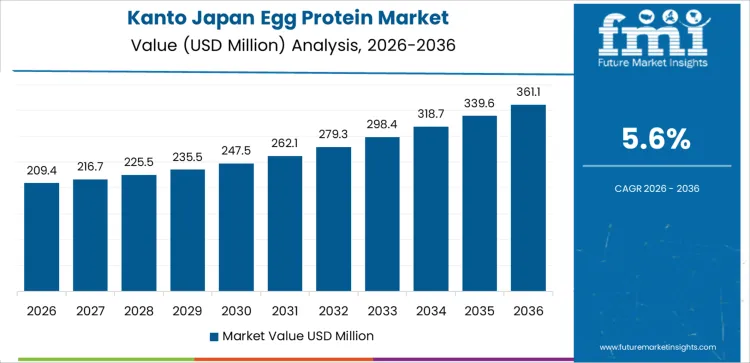
Kanto is experiencing steady demand for egg protein, with a 5.6% CAGR. The region’s large urban population, particularly in Tokyo, is driving the growth in demand for protein-rich products. With the increasing focus on fitness, wellness, and healthy eating, egg protein is gaining popularity as a high-quality, complete protein source. Kanto’s food industry, including functional foods, protein supplements, and sports nutrition products, is adopting egg protein to meet the growing consumer demand for healthy, high-protein options. The demand for egg protein is also fueled by the rise of plant-based diets, with egg protein offering a reliable and eco-friendly alternative. As the region continues to innovate in food and nutrition products, demand for egg protein is expected to grow steadily.
How is Demand for Egg Protein Expanding in Kansai?
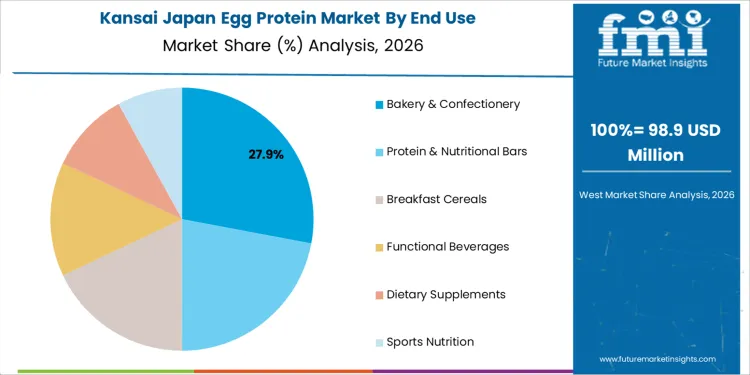
Kansai is seeing steady demand for egg protein, growing at a 4.9% CAGR. The region’s well-established food industry, particularly in Osaka and Kyoto, is increasingly incorporating egg protein into a wide range of food products. Kansai’s growing health-conscious consumer base, with a focus on functional foods and dietary supplements, is pushing the demand for protein-rich ingredients like egg protein. The region’s strong presence in the foodservice sector, particularly in ready-to-eat meals and nutritional products, is driving demand for egg protein as an ingredient in both retail and commercial applications. Kansai’s emphasis on innovation and durability in food production also supports the growing interest in egg protein as a natural, high-quality protein source. As the demand for healthy and functional food products continues to rise, Kansai’s use of egg protein is expected to continue growing steadily.
How is Demand for Egg Protein Growing in Chubu?
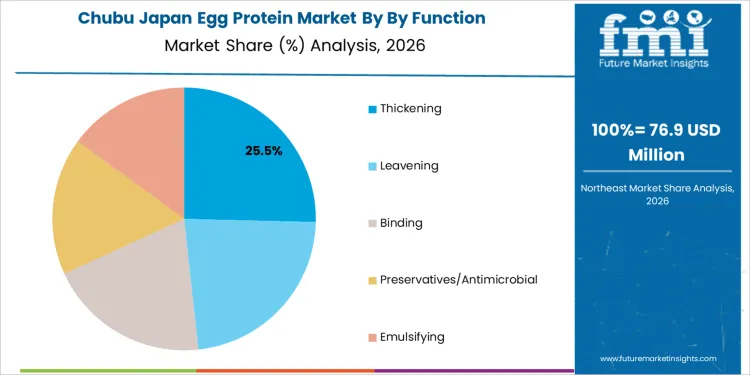
Chubu is experiencing moderate demand for egg protein, with a 4.3% CAGR. The region’s agricultural and food manufacturing sectors are increasingly adopting egg protein in various food products, including baked goods, snacks, and health supplements. Chubu, home to key manufacturing hubs like Nagoya, is seeing an increase in the use of egg protein in the functional food industry, as consumers demand more high-protein, nutritious options. The rise in health and wellness trends, particularly among the working population in urban centers, is contributing to the growing demand for egg protein. Chubu’s focus on food innovation and production efficiency is driving the need for high-quality, eco-friendly ingredients like egg protein, and as the industry for protein-rich foods expands, demand for egg protein will continue to rise steadily in the region.
How is Demand for Egg Protein Growing in Tohoku?
Tohoku is seeing moderate demand for egg protein, growing at a 3.8% CAGR. The region’s aging population, combined with an increasing focus on health and nutrition, is driving the demand for egg protein. Tohoku’s food industry is gradually incorporating egg protein into functional food products, particularly those aimed at older consumers seeking protein-rich diets. As the region’s consumers become more health-conscious and aware of the nutritional benefits of egg protein, the demand for this ingredient will continue to rise. The region’s agricultural sector also supports the growing use of egg protein, with local farms contributing to the supply of egg-derived ingredients for food and beverages. As Tohoku’s food industry continues to expand and diversify, demand for egg protein will increase, particularly as the population seeks healthier, more convenient protein options.
How is Demand for Egg Protein Growing in Rest of Japan?
The rest of Japan is experiencing moderate demand for egg protein, growing at a 3.6% CAGR. Although demand is less concentrated compared to major regions like Kanto or Kyushu, the rest of Japan is increasingly adopting egg protein in food products due to its health benefits and durability. The region’s focus on food innovation and increasing interest in functional foods is driving the demand for egg protein in food and beverage products. As the country’s aging population continues to prioritize healthy and nutritious diets, egg protein is becoming a popular choice for consumers seeking high-quality protein sources. With more food manufacturers in rural and less urbanized areas integrating egg protein into their products, the demand for egg protein in the rest of Japan will continue to grow steadily.
What is the Competitive Landscape of Egg Protein Demand in Japan?
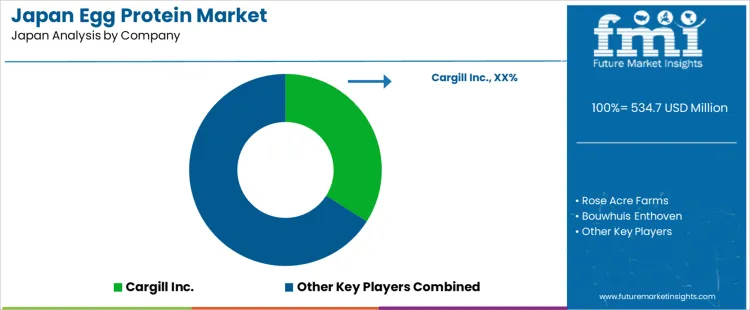
Demand for egg protein in Japan is rising as consumers become more health-conscious and seek high-quality, natural protein sources for their diets. Egg protein is widely used in various food products, supplements, and nutritional bars due to its high bioavailability and complete amino acid profile. As the popularity of functional foods and clean-label products grows, the demand for egg protein is expanding, particularly in the health and wellness sector.
Cargill Inc. is a key player in the egg protein industry, offering high-quality egg protein ingredients for the food and beverage industry. The company’s strategy focuses on providing reliable, eco-friendly, and functional protein solutions that meet the growing demand for clean-label products. Cargill's extensive distribution network and commitment to innovation in protein solutions help maintain its strong position in the Japanese industry.
Rose Acre Farms specializes in providing a wide range of egg-based protein products, catering to both food manufacturers and supplement companies. Bouwhuis Enthoven offers high-quality egg protein powder for use in various food and nutraceutical applications. IGRECA focuses on providing specialized egg protein ingredients, while Church & Dwight Co. Inc. supplies egg protein products under well-known brands, targeting both the retail and commercial sectors. As competition grows, these companies continue to innovate by offering new, eco-friendly, and efficient egg protein solutions to meet the evolving demands of the Japanese industry.
Key Players in Japan Egg Protein Demand
- Cargill Inc.
- Rose Acre Farms
- Bouwhuis Enthoven
- IGRECA
- Church & Dwight Co. Inc.
Scope of Report
| Items | Values |
|---|---|
| Quantitative Units (2026) | USD million |
| Key Segments | Bakery & Confectionery, Protein & Nutritional Bars, Breakfast Cereals, Functional Beverages, Dietary Supplements, Sports Nutrition |
| By Function | Thickening, Leavening, Binding, Preservatives/Antimicrobial, Emulsifying |
| Key Country | Japan |
| Region | Kyushu & Okinawa, Kanto, Kansai, Chubu, Tohoku, Rest of Japan |
| Key Players Profiled | Cargill Inc., Rose Acre Farms, Bouwhuis Enthoven, IGRECA, Church & Dwight Co. Inc. |
| Additional Attributes | Dollar sales by end-use, function, and region; regional CAGR and growth trends in egg protein demand in Japan |
Japan Egg Protein Demand by Key Segments
End Use:
- Bakery & Confectionery
- Protein & Nutritional Bars
- Breakfast Cereals
- Functional Beverages
- Dietary Supplements
- Sports Nutrition
By Function:
- Thickening
- Leavening
- Binding
- Preservatives/Antimicrobial
- Emulsifying
Region:
- Kyushu & Okinawa
- Kanto
- Kansai
- Chubu
- Tohoku
- Rest of Japan
Frequently Asked Questions
How big is the demand for egg protein in Japan in 2026?
The demand for egg protein in Japan is estimated to be valued at USD 534.7 million in 2026.
What will be the size of egg protein in Japan in 2036?
The market size for the egg protein in Japan is projected to reach USD 905.0 million by 2036.
How much will be the demand for egg protein in Japan growth between 2026 and 2036?
The demand for egg protein in Japan is expected to grow at a 4.9% CAGR between 2026 and 2036.
What are the key product types in the egg protein in Japan?
The key product types in egg protein in Japan are bakery & confectionery, protein & nutritional bars, breakfast cereals, functional beverages, dietary supplements and sports nutrition.
Which by function segment is expected to contribute significant share in the egg protein in Japan in 2026?
In terms of by function, thickening segment is expected to command 25.0% share in the egg protein in Japan in 2026.
Preview the report firsthand - request a free sample
Get SampleGet the brochure for pricing and purchase details.
Get PDFTable of Content
- Executive Summary
- Japan Market Outlook
- Demand-side Trends
- Supply-side Trends
- Technology Roadmap Analysis
- Analysis and Recommendations
- Market Overview
- Market Coverage / Taxonomy
- Market Definition / Scope / Limitations
- Market Background
- Market Dynamics
- Drivers
- Restraints
- Opportunity
- Trends
- Scenario Forecast
- Demand in Optimistic Scenario
- Demand in Likely Scenario
- Demand in Conservative Scenario
- Opportunity Map Analysis
- Product Life Cycle Analysis
- Supply Chain Analysis
- Investment Feasibility Matrix
- Value Chain Analysis
- PESTLE and Porter’s Analysis
- Regulatory Landscape
- Regional Parent Market Outlook
- Production and Consumption Statistics
- Import and Export Statistics
- Market Dynamics
- Japan Market Analysis 2021 and 2026 and Forecast, 2026 and 2036
- Historical Market Size Value (USD Million) Analysis, 2021 and 2026
- Current and Future Market Size Value (USD Million) Projections, 2026 and 2036
- Y-o-Y Growth Trend Analysis
- Absolute $ Opportunity Analysis
- Japan Market Pricing Analysis 2021 and 2026 and Forecast 2026 and 2036
- Japan Market Analysis 2021 and 2026 and Forecast 2026 and 2036, By End Use
- Introduction / Key Findings
- Historical Market Size Value (USD Million) Analysis By End Use , 2021 and 2026
- Current and Future Market Size Value (USD Million) Analysis and Forecast By End Use , 2026 and 2036
- Bakery & Confectionery
- Protein & Nutritional Bars
- Breakfast Cereals
- Functional Beverages
- Dietary Supplements
- Sports Nutrition
- Y-o-Y Growth Trend Analysis By End Use , 2021 and 2026
- Absolute $ Opportunity Analysis By End Use , 2026 and 2036
- Japan Market Analysis 2021 and 2026 and Forecast 2026 and 2036, By By Function
- Introduction / Key Findings
- Historical Market Size Value (USD Million) Analysis By By Function, 2021 and 2026
- Current and Future Market Size Value (USD Million) Analysis and Forecast By By Function, 2026 and 2036
- Thickening
- Leavening
- Binding
- Preservatives/Antimicrobial
- Emulsifying
- Y-o-Y Growth Trend Analysis By By Function, 2021 and 2026
- Absolute $ Opportunity Analysis By By Function, 2026 and 2036
- Market Structure Analysis
- Competition Dashboard
- Competition Benchmarking
- Market Share Analysis of Top Players
- By Regional
- By End Use
- By By Function
- Competition Analysis
- Competition Deep Dive
- Cargill Inc.
- Overview
- Product Portfolio
- Profitability by Market Segments (Product/Age /Sales Channel/Region)
- Sales Footprint
- Strategy Overview
- Marketing Strategy
- Product Strategy
- Channel Strategy
- Rose Acre Farms
- Bouwhuis Enthoven
- IGRECA
- Church & Dwight Co. Inc.
- Cargill Inc.
- Competition Deep Dive
- Assumptions & Acronyms Used
- Research Methodology


