

- Industry Size (2025)
- USD 38.6 Mn
- Forecast (2035)
- USD 51.5 Mn
- CAGR (2025 to 2035)
- 2.9%
Demand for Muscle Stimulation Devices in Japan Forecast and Outlook 2025 to 2035
The demand for muscle stimulation devices in Japan is expected to grow from USD 38.6 million in 2025 to USD 51.5 million by 2035, driven by a compound annual growth rate (CAGR) of 2.9%. Muscle stimulation devices, commonly used for rehabilitation, pain relief, and muscle strengthening, are increasingly popular among athletes, fitness enthusiasts, and individuals undergoing physical therapy. As Japan’s aging population continues to increase, there is a rising need for devices that assist with muscle recovery, improve mobility, and support overall physical well-being. This trend is expected to drive continued demand for these devices, particularly in the healthcare and wellness sectors.
The growing awareness of the benefits of muscle stimulation for enhancing performance, preventing injuries, and aiding in recovery is contributing to the rise in popularity of these devices. The increasing trend of at-home healthcare solutions is influencing consumer adoption, as more individuals seek convenient, non-invasive methods to manage muscle health. Fitness centers and rehabilitation clinics are also expected to continue adopting muscle stimulation devices to enhance their service offerings. With advancements in technology, newer models of muscle stimulation devices are becoming more accessible, compact, and user-friendly, making them appealing to a broader range of consumers.
Quick Stats of the Demand for Muscle Stimulation Devices in Japan
- Demand for Muscle Stimulation Devices in Japan Value (2025): USD 38.6 million
- Demand for Muscle Stimulation Devices in Japan Forecast Value (2035): USD 51.5 million
- Demand for Muscle Stimulation Devices in Japan Forecast CAGR (2025-2035): 2.9%
- Demand for Muscle Stimulation Devices in Japan Leading Product Type: TENS
- Demand for Muscle Stimulation Devices in Japan Key Growth Regions: Kyushu & Okinawa, Kanto, Kansai, Chubu, Tohoku, Rest of Japan
- Demand for Muscle Stimulation Devices in Japan Top Players: Zynex, Inc., DJO Global, Inc., Omron Healthcare, Inc., NeuroMetrix, Inc., BioMedical Life System
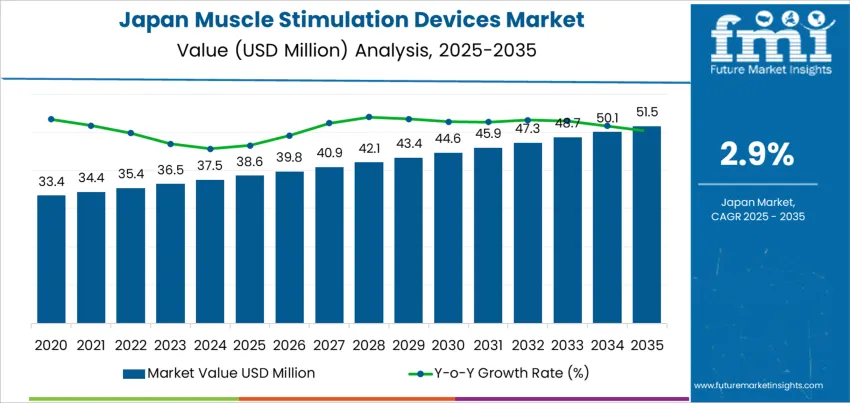
What is the Growth Forecast for the Demand for Muscle Stimulation Devices in Japan through 2035?
From 2025 to 2030, demand for muscle stimulation devices in Japan is expected to grow from USD 38.6 million to USD 45.9 million, adding USD 7.3 million in value. This growth will be driven by an increasing interest in muscle recovery solutions and a greater focus on fitness and rehabilitation. As more consumers seek non-invasive methods to enhance muscle performance, prevent injuries, and speed up recovery, muscle stimulation devices are becoming more popular. The growing adoption of at-home healthcare products, along with the rise in personal fitness and wellness trends, will further fuel this demand. The continued expansion of fitness centers and rehabilitation clinics will also contribute to the increasing use of muscle stimulation devices in their therapeutic offerings.
From 2030 to 2035, demand will continue to rise from USD 45.9 million to USD 51.5 million, contributing USD 5.6 million in value. While the industry growth rate may moderate slightly as the segment matures, demand will remain strong. Advancements in technology will continue to enhance the effectiveness and convenience of muscle stimulation devices, ensuring their place in both fitness and therapeutic industries. The ongoing focus on health and wellness, combined with an aging population in Japan, will maintain demand for devices that improve muscle health and aid in rehabilitation. As new features and improved functionality make muscle stimulation devices more accessible, their role in personal and professional health management will continue to expand.
Demand for Muscle Stimulation Devices in Japan Key Takeaways
| Metric | Value |
|---|---|
| Demand for Muscle Stimulation Devices in Japan Value (2025) | USD 38.6 million |
| Demand for Muscle Stimulation Devices in Japan Forecast Value (2035) | USD 51.5 million |
| Demand for Muscle Stimulation Devices in Japan Forecast CAGR (2025-2035) | 2.9% |
Why is the Demand for Muscle Stimulation Devices in Japan Growing?
The demand for muscle stimulation devices in Japan is growing due to the increasing interest in health, fitness, and rehabilitation technologies. These devices, which use electrical impulses to stimulate muscle contractions, are widely used for muscle recovery, pain relief, and improving muscle strength. As Japan’s aging population continues to seek non-invasive ways to manage musculoskeletal conditions and improve mobility, the adoption of muscle stimulation devices is rising.
A key factor driving this growth is the demand for rehabilitation and physical therapy solutions in Japan, particularly among the elderly. Muscle stimulation devices are commonly used in rehabilitation programs to help improve muscle strength and reduce pain in patients recovering from surgery or injury. As the aging population increases, the need for effective and accessible therapeutic devices is growing, with muscle stimulators becoming an essential tool in physical therapy.
The growing interest in fitness and wellness is contributing to the rise in demand for muscle stimulation devices. Athletes and fitness enthusiasts use these devices to enhance muscle recovery, improve performance, and prevent injuries. With the increasing popularity of home fitness and wellness routines, there is a rising consumer preference for portable and user-friendly devices that can be used in the comfort of home. As the industry for health and fitness products continues to grow in Japan, the demand for muscle stimulation devices is expected to expand steadily through 2035.
What is the Segment-Wise Analysis of Demand for Muscle Stimulation Devices in Japan?
Demand for muscle stimulation devices in Japan is segmented by product type and application. By product type, demand is divided into TENS (Transcutaneous Electrical Nerve Stimulation), IF (Interferential), BMAC (Bone Marrow Aspirate Concentrate), and NMES (Neuromuscular Electrical Stimulation), with TENS leading at 42%. The demand is also segmented by application, including pain management, neurological & movement disorder management, and musculoskeletal disorder management, with pain management accounting for 59% of the demand. Regionally, demand is divided into Kanto, Kinki, Chubu, Kyushu & Okinawa, Tohoku, and the Rest of Japan.
Why Does TENS Lead the Demand for Muscle Stimulation Devices in Japan?
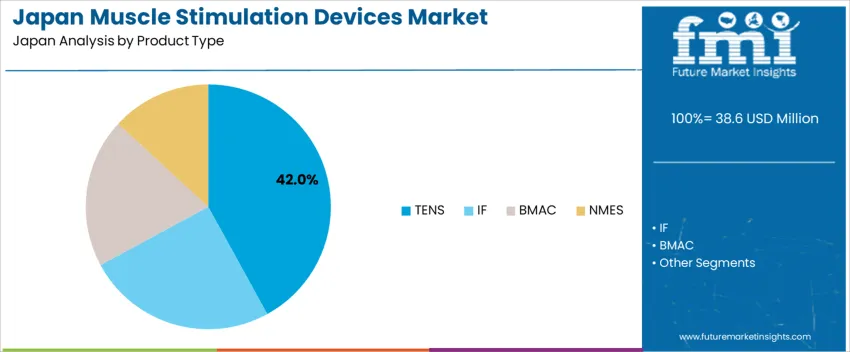
TENS accounts for 42% of the demand for muscle stimulation devices in Japan due to its proven effectiveness in pain management and its widespread use for a variety of conditions. TENS is commonly used to manage chronic pain, including conditions like back pain, arthritis, and sports injuries. The non-invasive nature of TENS devices allows for targeted pain relief through electrical stimulation of the nerves, making it a popular choice for both healthcare professionals and consumers.
These devices are relatively affordable, easy to use at home, and have minimal side effects, making them accessible to a wide range of patients. As Japan’s population ages and there is an increasing demand for drug-free pain relief, TENS devices are expected to maintain a dominant role in the muscle stimulation device industry due to their convenience, safety, and effectiveness.
How Does Pain Management Lead the Demand for Muscle Stimulation Devices in Japan?
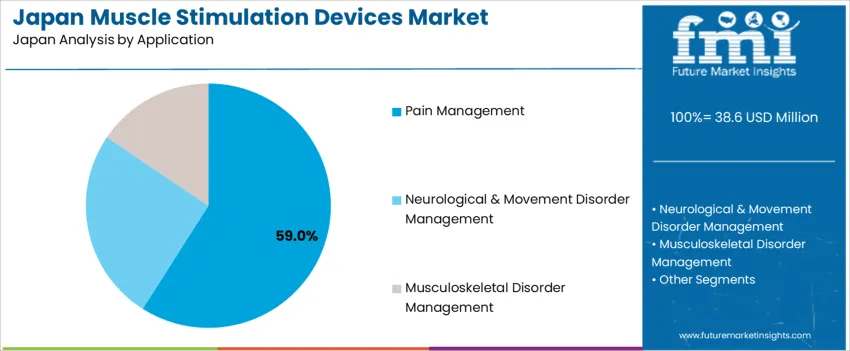
Pain management accounts for 59% of the demand for muscle stimulation devices in Japan, driven by the rising prevalence of chronic pain conditions, such as osteoarthritis, back pain, and neuropathic pain. As Japan's aging population grows, there is a higher demand for non-invasive, drug-free solutions to manage pain. Muscle stimulation devices like TENS and NMES are widely used in this context to alleviate pain by stimulating nerves and muscles, which helps block pain signals and promotes healing.
These devices are particularly effective for conditions like joint pain, muscle stiffness, and nerve-related issues, where traditional pain medications may not provide sufficient relief or could lead to side effects. As consumers continue to seek alternatives to pharmaceutical treatments, the demand for muscle stimulation devices for pain management will likely increase, securing its position as the dominant application segment in the industry.
What are the Key Trends, Drivers, and Restraints in Demand for Muscle‑Stimulation Devices in Japan?
Demand for muscle‑stimulation devices in Japan is growing as the population becomes more health‑ and wellness‑conscious, and as interest rises in non‑invasive solutions for muscle maintenance, rehabilitation, and fitness. Devices that use electrical muscle stimulation (EMS) or similar technologies are increasingly popular for sports recovery, physical therapy, rehabilitation for the elderly, and general wellness. The aging population facing muscle weakness or mobility issues supports demand for home‑use EMS devices for maintenance of muscle strength. The high cost of advanced devices, regulatory scrutiny, and competition from traditional exercise or physiotherapy options may restrain rapid adoption.
Why is Demand for Muscle‑Stimulation Devices Growing in Japan?
Demand for muscle‑stimulation devices is growing in Japan as both consumers and healthcare providers increasingly recognize their convenience, efficiency, and versatility. EMS devices offer a gentle way to stimulate muscle contractions, helping older adults, those with mobility limitations, or individuals recovering from injury to maintain muscle strength. For fitness‑conscious individuals and athletes, EMS serves as a supplement for muscle recovery, performance support, and enhanced workouts, especially when access to gyms or time for exercise is limited. The growing focus on wellness, preventive healthcare, and home fitness solutions has pushed the adoption of EMS devices, making them a popular tool for maintaining muscle health and overall well-being in Japan.
How are Technological & Industry Innovations Driving Muscle‑Stimulation Device Demand in Japan?
Technological innovations have greatly enhanced the appeal and effectiveness of muscle‑stimulation devices in Japan. New EMS devices are more compact, user‑friendly, and portable, with wireless models making them suitable for home use. Some devices integrate with smartphones, offering customizable programs for rehabilitation, recovery, and toning, making them more versatile. The improved electrode design, enhanced comfort, and safer stimulation protocols further improve the user experience. These innovations make EMS a viable alternative or complement to traditional exercises and physiotherapy, broadening its appeal and driving demand in the wellness and healthcare sectors.
What are the Key Challenges and Risks That Could Limit Muscle‑Stimulation Device Demand in Japan?
Despite the growth of muscle‑stimulation devices, several challenges may limit broader adoption. The high cost of advanced EMS devices, especially medical‑grade models, may deter price‑sensitive consumers. The effectiveness and long-term benefits of EMS can be questioned, as some studies suggest it may not be as effective as traditional resistance training for building strength or fat loss. Regulatory hurdles and safety concerns, particularly for medical‑use devices, could hinder industry entry and consumer trust. Furthermore, competition from traditional exercise methods, physiotherapy, and other wellness modalities means EMS devices must demonstrate clear and consistent value to secure long‑term acceptance.
What is the Regional Demand Outlook for Muscle Stimulation Devices in Japan?
| Region | CAGR (%) |
|---|---|
| Kyushu & Okinawa | 3.7% |
| Kanto | 3.4% |
| Kansai | 3.0% |
| Chubu | 2.6% |
| Tohoku | 2.3% |
| Rest of Japan | 2.2% |
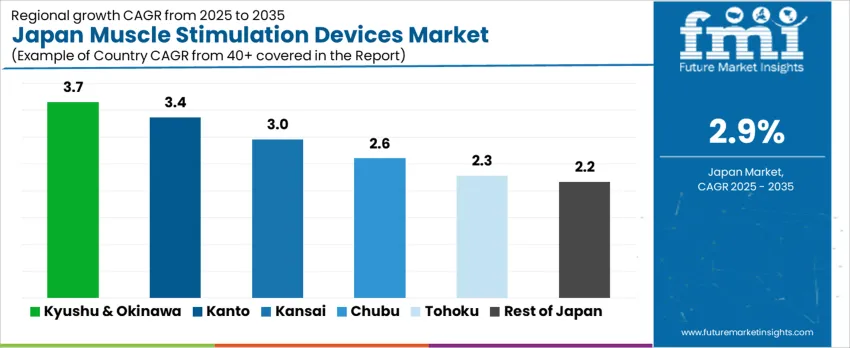
Demand for muscle stimulation devices in Japan is steadily growing, with Kyushu & Okinawa leading at a 3.7% CAGR, driven by increased focus on wellness and rehabilitation. Kanto follows with a 3.4% CAGR, supported by urbanization, rising health-consciousness, and a focus on self-care. Kansai shows a 3.0% CAGR, driven by its aging population and growing interest in fitness and rehabilitation. Chubu experiences a 2.6% CAGR, fueled by increasing demand for home fitness and rehabilitation services. Tohoku and the Rest of Japan show more moderate growth at 2.3% and 2.2%, respectively, driven by awareness of health benefits and the aging population. As the wellness trend continues to rise, muscle stimulation devices are expected to see steady demand across Japan.
How is Demand for Muscle Stimulation Devices Growing in Kyushu & Okinawa?
Kyushu & Okinawa shows the highest demand for muscle stimulation devices, growing at a 3.7% CAGR. The region’s increasing focus on fitness, wellness, and rehabilitation is driving the adoption of muscle stimulation devices, particularly for pain management, muscle recovery, and athletic performance enhancement. With an aging population and a growing number of individuals seeking non-invasive therapies, demand for muscle stimulation devices is on the rise.
The increasing awareness of physical health, coupled with the popularity of sports and physical therapy in Kyushu & Okinawa, is contributing to the adoption of these devices. The region’s expanding healthcare infrastructure and wellness industry further support the demand. As consumers prioritize both fitness and rehabilitation, muscle stimulation devices are becoming an essential tool for home use, rehabilitation centers, and professional athletes.
Why is Demand for Muscle Stimulation Devices Rising in Kanto?
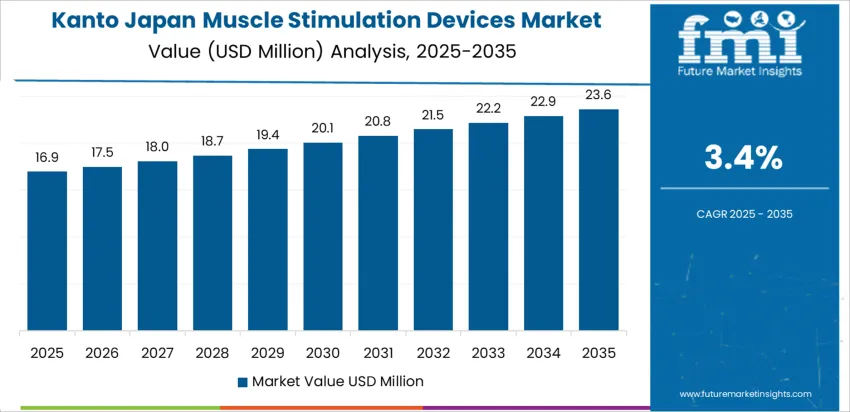
Kanto is experiencing steady demand for muscle stimulation devices, with a 3.4% CAGR. The region’s urban population, particularly in Tokyo, is becoming more health-conscious, driving the adoption of muscle stimulation devices for fitness, recovery, and rehabilitation. With rising interest in home fitness equipment and non-invasive therapies, muscle stimulation devices are gaining popularity among individuals seeking to improve muscle tone, reduce soreness, and enhance performance.
Kanto’s high rate of office workers and individuals with sedentary lifestyles increases the demand for such devices to manage muscle pain, fatigue, and stress. The region’s advanced healthcare infrastructure also supports the growth of muscle stimulation devices, as they are increasingly used in physiotherapy clinics and rehabilitation centers. As the trend toward self-care and wellness continues, demand for muscle stimulation devices in Kanto is expected to grow steadily.
How is Demand for Muscle Stimulation Devices Expanding in Kansai?
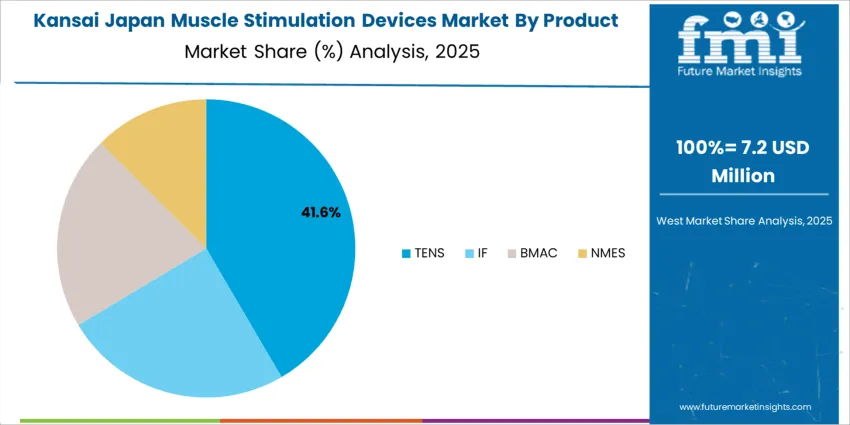
Kansai is seeing steady demand for muscle stimulation devices, with a 3.0% CAGR. The region’s increasing focus on fitness and rehabilitation is driving demand for these devices, particularly in cities like Osaka and Kyoto, where there is a strong interest in health and wellness. Kansai’s aging population also contributes to the growth, as older adults increasingly seek non-invasive therapies to manage pain and improve muscle function. The rise in home fitness trends and the popularity of wellness products further fuels the demand for muscle stimulation devices.
Kansai’s healthcare sector, including physiotherapy clinics and sports rehabilitation centers, is increasingly adopting these devices as part of their treatment offerings. As awareness of the benefits of muscle stimulation continues to rise, demand for these devices in Kansai is expected to grow steadily, particularly for pain relief, muscle recovery, and overall fitness.
Why is Demand for Muscle Stimulation Devices Growing in Chubu?
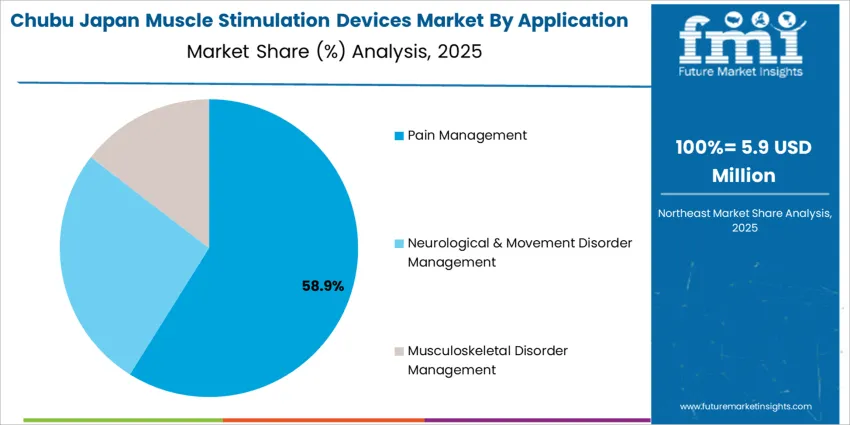
Chubu is experiencing moderate demand for muscle stimulation devices, growing at a 2.6% CAGR. The region’s growing interest in fitness and wellness, especially in cities like Nagoya, is contributing to the rising demand for muscle stimulation devices. As more individuals seek efficient ways to improve muscle tone, relieve soreness, and enhance performance, muscle stimulation devices are gaining popularity. Chubu’s increasing focus on rehabilitation and physiotherapy services drives the adoption of these devices in clinics and healthcare facilities.
The rise in sedentary lifestyles, coupled with a greater interest in home fitness, is further fueling the demand for muscle stimulation devices in the region. As the health and wellness trend continues to expand, demand for muscle stimulation devices in Chubu is expected to grow, albeit at a moderate pace compared to more urbanized regions.
How is Demand for Muscle Stimulation Devices Expanding in Tohoku?
Tohoku is seeing moderate demand for muscle stimulation devices, with a 2.3% CAGR. The region’s demand is driven by the increasing focus on health and wellness, especially among the aging population. As older adults seek non-invasive methods for pain management, muscle recovery, and improving mobility, muscle stimulation devices are becoming more popular. The growth of home fitness trends, coupled with a growing interest in rehabilitation technologies, is contributing to the demand for these devices in Tohoku.
While the region’s demand is smaller compared to urban areas, Tohoku’s healthcare infrastructure is improving, and there is rising awareness of the benefits of muscle stimulation for pain relief and muscle toning. As the population becomes more health-conscious, the demand for muscle stimulation devices in Tohoku is expected to continue to grow at a moderate pace.
Why is Demand for Muscle Stimulation Devices Steady in the Rest of Japan?
The Rest of Japan is experiencing steady demand for muscle stimulation devices, growing at a 2.2% CAGR. While demand in rural and less urbanized areas is smaller compared to metropolitan regions, there is gradual growth driven by increasing awareness of the benefits of muscle stimulation for pain relief, muscle recovery, and overall wellness. The region’s aging population and rising interest in home health devices contribute to the adoption of muscle stimulation devices.
As healthcare services become more accessible in rural areas and awareness of non-invasive therapies increases, the demand for these devices is expected to rise slowly but steadily. The Rest of Japan’s steady growth in the adoption of muscle stimulation devices reflects the broader national trends toward health and wellness, particularly among older adults seeking effective solutions for mobility and pain management.
What is the Competitive Landscape of Demand for Muscle Stimulation Devices in Japan?
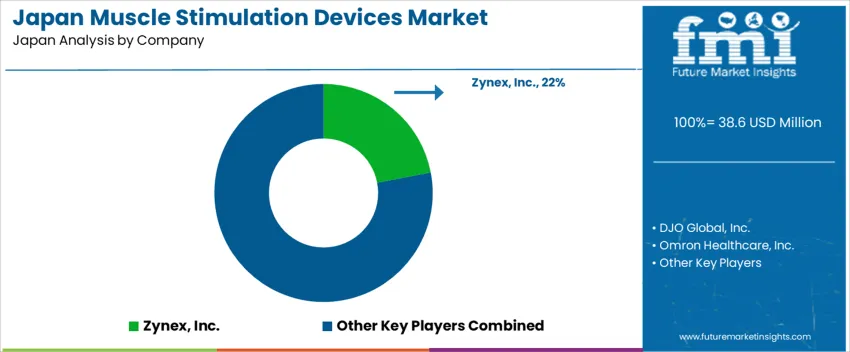
Demand for muscle stimulation devices in Japan is growing steadily, driven by increasing interest in rehabilitation, pain management, and wellness among a population facing rising rates of musculoskeletal issues and an aging demographic. The industry for muscle stimulators is expanding due to the need for non-invasive solutions to muscle weakness, chronic pain, and age-related mobility challenges. This growth reflects broader trends in physiotherapy and electrotherapy, highlighting the rising demand for devices that assist with muscle recovery and overall well-being.
Key players in the muscle stimulation device industry in Japan include Zynex, Inc., DJO Global, Inc., Omron Healthcare, Inc., NeuroMetrix, Inc., and BioMedical Life Systems. Zynex, Inc. holds a significant industry share of 22.0%, providing devices focused on muscle stimulation and pain management. These companies offer a variety of products, including portable EMS/NMES devices, TENS units, and rehabilitation-oriented stimulators. Their products cater to physiotherapy clinics, post-surgical rehabilitation centers, and home users seeking convenient solutions for muscle recovery and pain alleviation.
The industry growth is driven by the increasing prevalence of musculoskeletal disorders, a growing preference for non-drug pain management, and a rising interest in health and fitness. Technological advancements, such as portable and user-friendly EMS/NMES devices, have made these stimulators more accessible and effective. Providers compete based on device effectiveness, ease of use, portability, and affordability. As Japan's population continues to age and the wellness sector expands, companies offering reliable, effective, and affordable muscle stimulation devices are well-positioned to lead in this growing industry.
Key Players in Japan Muscle Stimulation Devices Demand
- Zynex, Inc.
- DJO Global, Inc.
- Omron Healthcare, Inc.
- NeuroMetrix, Inc.
- BioMedical Life System
Scope of Report
| Items | Values |
|---|---|
| Quantitative Units (2025) | USD million |
| Product Type | TENS, IF, BMAC, NMES |
| Application | Pain Management, Neurological & Movement Disorder Management, Musculoskeletal Disorder Management |
| Region | Kyushu & Okinawa, Kanto, Kansai, Chubu, Tohoku, Rest of Japan |
| Countries Covered | Japan |
| Key Companies Profiled | Zynex, Inc., DJO Global, Inc., Omron Healthcare, Inc., NeuroMetrix, Inc., BioMedical Life System |
| Additional Attributes | Dollar sales by product type and application; regional CAGR and adoption trends; increasing demand for muscle stimulation in pain management; advancements in wearable and portable muscle stimulation devices |
Japan Muscle Stimulation Devices Demand by Key Segments
Product Type
- TENS
- IF
- BMAC
- NMES
Application
- Pain Management
- Neurological & Movement Disorder Management
- Musculoskeletal Disorder Management
Region
- Kyushu & Okinawa
- Kanto
- Kansai
- Chubu
- Tohoku
- Rest of Japan
Frequently Asked Questions
How big is the demand for muscle stimulation devices in Japan in 2025?
The demand for muscle stimulation devices in Japan is estimated to be valued at USD 38.6 million in 2025.
What will be the size of muscle stimulation devices in Japan in 2035?
The market size for the muscle stimulation devices in Japan is projected to reach USD 51.5 million by 2035.
How much will be the demand for muscle stimulation devices in Japan growth between 2025 and 2035?
The demand for muscle stimulation devices in Japan is expected to grow at a 2.9% CAGR between 2025 and 2035.
What are the key product types in the muscle stimulation devices in Japan?
The key product types in muscle stimulation devices in Japan are tens, if, bmac and nmes.
Which application segment is expected to contribute significant share in the muscle stimulation devices in Japan in 2025?
In terms of application, pain management segment is expected to command 59.0% share in the muscle stimulation devices in Japan in 2025.
Preview the report firsthand - request a free sample
Get SampleGet the brochure for pricing and purchase details.
Get PDFTable of Content
- Executive Summary
- Japan Market Outlook
- Demand-side Trends
- Supply-side Trends
- Technology Roadmap Analysis
- Analysis and Recommendations
- Market Overview
- Market Coverage / Taxonomy
- Market Definition / Scope / Limitations
- Market Background
- Market Dynamics
- Drivers
- Restraints
- Opportunity
- Trends
- Scenario Forecast
- Demand in Optimistic Scenario
- Demand in Likely Scenario
- Demand in Conservative Scenario
- Opportunity Map Analysis
- Product Life Cycle Analysis
- Supply Chain Analysis
- Investment Feasibility Matrix
- Value Chain Analysis
- PESTLE and Porter’s Analysis
- Regulatory Landscape
- Regional Parent Market Outlook
- Production and Consumption Statistics
- Import and Export Statistics
- Market Dynamics
- Japan Market Analysis 2020 to 2024 and Forecast, 2025 to 2035
- Historical Market Size Value (USD Million) Analysis, 2020 to 2024
- Current and Future Market Size Value (USD Million) Projections, 2025 to 2035
- Y-o-Y Growth Trend Analysis
- Absolute $ Opportunity Analysis
- Japan Market Pricing Analysis 2020 to 2024 and Forecast 2025 to 2035
- Japan Market Analysis 2020 to 2024 and Forecast 2025 to 2035, By Product Type
- Introduction / Key Findings
- Historical Market Size Value (USD Million) Analysis By Product Type , 2020 to 2024
- Current and Future Market Size Value (USD Million) Analysis and Forecast By Product Type , 2025 to 2035
- TENS
- IF
- BMAC
- NMES
- Y-o-Y Growth Trend Analysis By Product Type , 2020 to 2024
- Absolute $ Opportunity Analysis By Product Type , 2025 to 2035
- Japan Market Analysis 2020 to 2024 and Forecast 2025 to 2035, By Application
- Introduction / Key Findings
- Historical Market Size Value (USD Million) Analysis By Application, 2020 to 2024
- Current and Future Market Size Value (USD Million) Analysis and Forecast By Application, 2025 to 2035
- Pain Management
- Neurological & Movement Disorder Management
- Musculoskeletal Disorder Management
- Y-o-Y Growth Trend Analysis By Application, 2020 to 2024
- Absolute $ Opportunity Analysis By Application, 2025 to 2035
- Market Structure Analysis
- Competition Dashboard
- Competition Benchmarking
- Market Share Analysis of Top Players
- By Regional
- By Product Type
- By Application
- Competition Analysis
- Competition Deep Dive
- Zynex, Inc.
- Overview
- Product Portfolio
- Profitability by Market Segments (Product/Age /Sales Channel/Region)
- Sales Footprint
- Strategy Overview
- Marketing Strategy
- Product Strategy
- Channel Strategy
- DJO Global, Inc.
- Omron Healthcare, Inc.
- NeuroMetrix, Inc.
- BioMedical Life Systems
- Zynex, Inc.
- Competition Deep Dive
- Assumptions & Acronyms Used
- Research Methodology


