

- Industry Size (2026)
- USD 1.4 Bn
- Forecast (2036)
- USD 2.0 Bn
- CAGR (2026 to 2036)
- 3.7%
Demand for Animal Healthcare in South Korea Forecast and Outlook 2026 to 2036
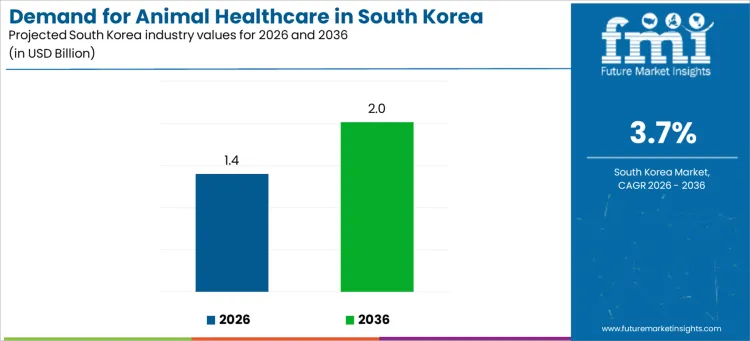
Expenditure on animal healthcare in South Korea is projected to be valued at USD 1.4 billion in 2026. The valuation is likely to cross USD 2.0 billion by 2036, advancing at a compound annual growth rate of 3.7%. The nation is currently navigating a dual-track evolution: an intensified focus on biosecurity for its industrial livestock sector and a concurrent explosion in premium veterinary services for companion animals. The "Pet Humanization" trend has fundamentally altered consumer behavior, with owners increasingly viewing veterinary care not as an optional expense but as a critical component of family welfare.
Growth is heavily influenced by the government's stringent response to zoonotic diseases. Following historical outbreaks of Avian Influenza and African Swine Fever, regulatory bodies have mandated rigorous vaccination protocols and modernized veterinary hospital infrastructure to prevent future epidemics. This regulatory push creates a consistent baseline demand for immunological products and diagnostic tools. Simultaneously, the rapid aging of the pet population, where nearly 40% of dogs are considered seniors,is driving a surge in demand for chronic disease management, specialized oncology treatments, and advanced diagnostic imaging.
Quick Stats for Demand for Animal Healthcare in South Korea
- Industry Value (2026): USD 1.4 billion
- Industry Forecast Value (2036): USD 2.0 billion
- Industry Forecast CAGR: 3.7%
- Leading Product Type: Pharmaceuticals (37.5%)
- Leading Animal Type: Production Animals (52.0%)
- Leading Service Provider: Veterinary Hospitals (62.0%)
- Key Growth Regions: Jeju, South Gyeongsang, South Jeolla, North Jeolla
- Key Players: Zoetis Inc., Boehringer Ingelheim Animal Health, Merck Animal Health, Elanco Animal Health, Ceva Santé Animale
Technological adoption is pivoting toward digital health solutions, with veterinary telemedicine gaining traction for initial consultations and post-operative monitoring. Startups are integrating AI into diagnostic workflows, allowing local clinics to offer specialist-level assessments for dermatology and radiology. Furthermore, the commercialization of veterinary dietary supplements is expanding beyond clinics into mainstream retail, supported by a consumer base that is highly educated on preventative health measures for their animals.
Demand for Animal Healthcare in South Korea Key Takeaways
| Metric | Value |
|---|---|
| Industry Size (2026) | USD 1.4 billion |
| Industry Value (2036) | USD 2.0 billion |
| CAGR (2026 to 2036) | 3.7% |
What Catalysts Are Driving Veterinary Modernization?
A primary catalyst for growth is the increasing sophistication of pet owners who demand human-grade medical care for their animals. This shift is prompting clinics to invest in veterinary point of care diagnostics and advanced surgical equipment to offer comprehensive treatments. Additionally, strict government enforcement of the "Act on the Prevention of Contagious Animal Diseases" necessitates continuous investment in livestock health management. The rise of pet wellness services, including rehabilitation and dental care, is expanding the revenue scope for practitioners beyond traditional emergency medicine.
How is the Sector Structured Across Key Segments?
The sector is segmented to address the distinct biological needs of livestock versus pets, reflecting the bifurcated nature of the industry. It is primarily categorized by product type, highlighting the diverse therapeutic arsenal available to veterinarians. The animal type segment distinguishes between economic livestock and household companions. Each segment plays a vital role, where pharmaceuticals drive value through chronic care and vaccines drive volume through herd health programs.
Why Do Pharmaceuticals Lead the Product Landscape?
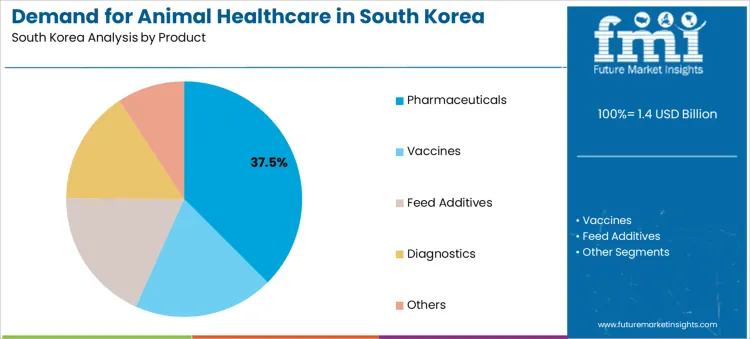
Pharmaceuticals command a 37.5% share of the industry. This dominance is attributed to the widespread need for antibiotics, anti-inflammatories, and parasiticides across both animal segments. In the companion animal sector, the rising prevalence of age-related conditions like arthritis and cardiac disease drives the prescription of long-term medication. For livestock, strict protocols on antibiotic usage are shifting demand toward high-value, targeted therapeutics rather than broad-spectrum feed additives, supporting the growth of animal health therapeutics.
Why Are Production Animals Critical to Revenue?
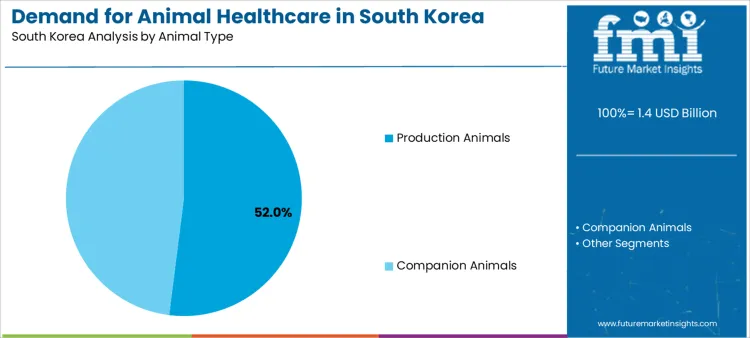
Production Animals account for 52.0% of the sector's volume. South Korea's intensive pig and poultry farming industries require constant health monitoring to maintain productivity and food safety standards. The density of farms in regions like Jeolla and Gyeongsang creates a massive, recurring demand for veterinary biologics to prevent outbreaks that could devastate the national food supply. Investments in "Smart Farming" technologies are further integrating health monitoring with automated feeding systems.
How are Feed Additives Evolving?
The Feed Additives segment is witnessing a shift toward functional and probiotic formulations. Regulatory pressure to reduce antimicrobial resistance is pushing farmers to adopt natural alternatives that boost gut health and immunity. This trend is creating opportunities for suppliers of veterinary dietary supplements tailored for livestock performance. High-quality additives are seen as essential insurance against disease, justifying their cost in the competitive meat production industry.
Is the Companion Animal Segment Expanding?
While production animals dominate volume, the Companion Animal segment is the fastest growing in terms of value. The cultural shift towards keeping dogs and cats indoors has led to a boom in pet dental health and dermatology services. Owners are willing to pay premiums for over the counter veterinary drugs that improve quality of life. This segment is characterized by brand loyalty and a preference for preventative care products, such as heartworm prevention and premium nutritional supplements.
Will Telemedicine Displace In-Clinic Visits?
A significant trend is the regulatory piloting of veterinary telehealth services. While currently limited, the potential for remote consultations to address minor ailments or behavioral issues is immense. South Korea's high smartphone penetration makes it an ideal testbed for animal health software apps that connect owners with vets. This evolution could alleviate the burden on physical clinics and improve access to care in rural areas, although it faces resistance regarding the prescription of controlled substances.
Does Regulatory Complexity Hinder New Entrants?
The most significant restraint is the rigorous approval process for new veterinary drugs and vaccines. The Animal and Plant Quarantine Agency (APQA) maintains high standards for safety and efficacy, often requiring local clinical trials that can be costly and time-consuming. This barrier protects established players but can delay the introduction of innovative therapies available in other markets. Overcoming this requires strong regulatory affairs capabilities and partnerships with local research institutions to navigate the compliance landscape.
How Can Packaging Innovation Enhance Compliance?
The emerging field of animal healthcare packaging presents a frontier of opportunity. As treatments become more complex, there is a need for smart packaging that helps owners track dosing schedules or verifies authenticity. Suppliers who can offer child-resistant yet senior-friendly packaging solutions for pet medications stand to capture significant interest. This focus on usability addresses the practical challenges of administering medicine to animals at home.
How is the Animal Healthcare Landscape Evolving Across South Korea's Regions?
The regional sphere shows a distinct pattern where agricultural hubs drive demand for herd health solutions, while tourist and urban zones focus on specialized pet care. High-growth areas are characterizing their development by integrating bio-clusters with veterinary research. As distinct provinces implement local disease control policies, the utilization of healthcare products is becoming tailored to regional farming intensities.
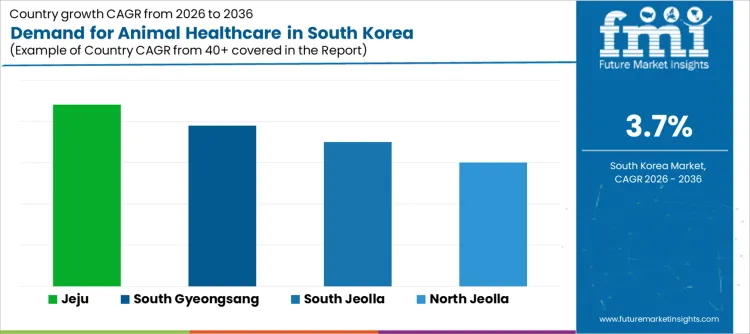
| Region | CAGR (2026 to 2036) |
|---|---|
| Jeju | 4.4% |
| South Gyeongsang | 3.9% |
| South Jeolla | 3.5% |
| North Jeolla | 3.0% |
Why is Equine and Pet Care Driving Demand in Jeju?
Adoption of animal healthcare products in Jeju is projected to expand at a CAGR of 4.4%. Known for its horse breeding industry and as a pet-friendly tourist destination, Jeju has unique veterinary needs. The demand is driven by the equine sector requiring specialized sports medicine and vaccines. Additionally, the influx of travelers with pets has spurred the development of emergency veterinary clinics and pet dietary supplement retail points, creating a vibrant micro-economy for animal wellness services.
How is Livestock Density Influencing South Gyeongsang?
Sales of veterinary pharmaceuticals in South Gyeongsang are likely to reach a CAGR of 3.9%. This region possesses a mix of industrial agriculture and urban pet ownership. The demand is fueled by the need for efficient disease control in swine and poultry farms located on the outskirts of major industrial cities. Simultaneously, the affluent urban population in cities like Changwon drives demand for premium companion animal clinics, creating a balanced portfolio of veterinary services.
What Role Does Aquaculture Play in South Jeolla?
The animal health sector in South Jeolla is anticipated to rise at a CAGR of 3.5%. As a coastal hub, this region sees significant demand for aquatic animal health products alongside traditional livestock needs. Fisheries require specialized vaccines and water treatment solutions to prevent disease in high-density fish farms. The focus here is on sustainable health management practices that protect the marine environment while ensuring the productivity of the aquaculture industry.
How is North Jeolla Focusing on Biosecurity?
Deployment of disease prevention tools in North Jeolla is expected to increase at a CAGR of 3.0%. Home to the National Food Cluster and extensive poultry farming, this region is at the forefront of biosecurity innovation. The demand is driven by government-subsidized vaccination programs and the adoption of advanced monitoring systems to detect early signs of avian influenza. Veterinary services here are heavily oriented towards consulting and herd health management rather than individual animal treatment.
What Defines the Competitive Hierarchy in Animal Health?
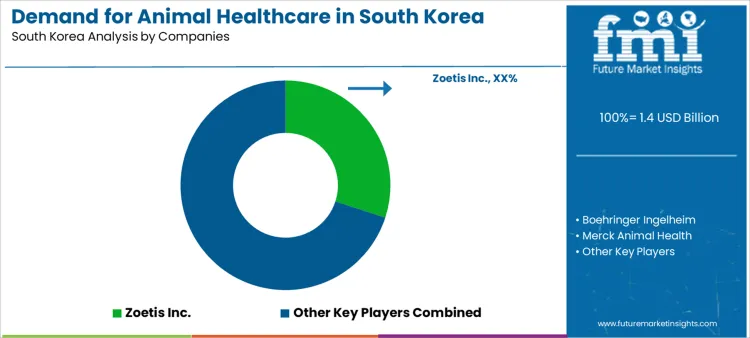
The competitive landscape is anchored by Zoetis Inc., which commands a 30.0% share of the sector. Their strategy revolves around a "continuum of care," offering a seamless portfolio ranging from genetic tests to diagnostics and therapeutics. This comprehensive approach allows them to lock in veterinary clinics as long-term partners. Competitors like Boehringer Ingelheim and Merck Animal Health are countering by heavily investing in vaccine technology and digital monitoring tools for livestock, aiming to capture the high-volume production animal segment where herd immunity is paramount.
While global giants dominate pharmaceuticals, domestic South Korean companies are finding success in specialized niches. Firms like Choong Ang Vaccine Laboratories are focusing on developing vaccines tailored to local strains of livestock diseases, offering higher efficacy than generic imports. There is also a strong push into the companion animal healthcare supplement space, where local brands leverage traditional Korean herbal ingredients to appeal to consumers' preference for natural products. This agility allows local players to respond faster to emerging trends like pet obesity and geriatric care.
Key Companies
- Zoetis Inc.
- Boehringer Ingelheim Animal Health
- Merck Animal Health (MSD Animal Health)
- Elanco Animal Health Incorporated
- Ceva Santé Animale
- Choong Ang Vaccine Laboratories
- Green Cross Veterinary Products
- Daesung Microbiological Labs
- Komipharm International
- CTC Bio
Scope of Report
| Items | Values |
|---|---|
| Quantitative Units | USD Billion |
| Product Type | Feed Additives, Pharmaceuticals, Vaccines, Diagnostics, Others |
| Animal Type | Production Animals, Companion Animals |
| Regions Covered | Jeju, South Gyeongsang, South Jeolla, North Jeolla |
| Key Companies Profiled | Zoetis, Boehringer Ingelheim, Merck, Elanco, Ceva, and others. |
Demand for Animal Healthcare in South Korea by Segments
By Product Type
- Feed Additives
- Pharmaceuticals
- Vaccines
- Diagnostics
- Others
By Animal Type
- Production Animals
- Companion Animals
By Region
- Jeju
- South Gyeongsang
- South Jeolla
- North Jeolla
Bibliography
- Ministry of Agriculture, Food and Rural Affairs. (2025, March 19). Government explanation on livestock disease prevention measures and related response actions. Ministry of Agriculture, Food and Rural Affairs, Republic of Korea.
- Statistics Korea. (2025, October 23). Approval notice for the companion animal rearing status survey. Statistics Korea, Republic of Korea.
- Korea Veterinary Medical Association. (2025, August 1). Notice on expanded obligation to display veterinary medical fees and updated posting methods. Korea Veterinary Medical Association, Republic of Korea.
- Ministry of Agriculture, Food and Rural Affairs. (2025). Mid- to long-term plan for the pet industry and companion animal welfare policy. Ministry of Agriculture, Food and Rural Affairs, Republic of Korea.
Frequently Asked Questions
How big is the demand for animal healthcare in south korea in 2026?
The demand for animal healthcare in south korea is estimated to be valued at USD 1.4 billion in 2026.
What will be the size of animal healthcare in south korea in 2036?
The market size for the animal healthcare in south korea is projected to reach USD 2.0 billion by 2036.
How much will be the demand for animal healthcare in south korea growth between 2026 and 2036?
The demand for animal healthcare in south korea is expected to grow at a 3.7% CAGR between 2026 and 2036.
What are the key product types in the animal healthcare in south korea?
The key product types in animal healthcare in south korea are 0.25, 0.2, 0.1 and 0.075.
Which 0.52 segment is expected to contribute significant share in the animal healthcare in south korea in 2026?
In terms of 0.52, 0.48 segment is expected to command 0.0% share in the animal healthcare in south korea in 2026.
Preview the report firsthand - request a free sample
Get SampleGet the brochure for pricing and purchase details.
Get PDFTable of Content
- Executive Summary
- South Korea Market Outlook
- Demand-side Trends
- Supply-side Trends
- Technology Roadmap Analysis
- Analysis and Recommendations
- Market Overview
- Market Coverage / Taxonomy
- Market Definition / Scope / Limitations
- Market Background
- Market Dynamics
- Drivers
- Restraints
- Opportunity
- Trends
- Scenario Forecast
- Demand in Optimistic Scenario
- Demand in Likely Scenario
- Demand in Conservative Scenario
- Opportunity Map Analysis
- Product Life Cycle Analysis
- Supply Chain Analysis
- Investment Feasibility Matrix
- Value Chain Analysis
- PESTLE and Porter’s Analysis
- Regulatory Landscape
- Regional Parent Market Outlook
- Production and Consumption Statistics
- Import and Export Statistics
- Market Dynamics
- South Korea Market Analysis 2021 to 2025 and Forecast, 2026 to 2036
- Historical Market Size Value (USD Million) Analysis, 2021 to 2025
- Current and Future Market Size Value (USD Million) Projections, 2026 to 2036
- Y-o-Y Growth Trend Analysis
- Absolute $ Opportunity Analysis
- South Korea Market Pricing Analysis 2021 to 2025 and Forecast 2026 to 2036
- South Korea Market Analysis 2021 to 2025 and Forecast 2026 to 2036, By 0.375
- Introduction / Key Findings
- Historical Market Size Value (USD Million) Analysis By 0.375 , 2021 to 2025
- Current and Future Market Size Value (USD Million) Analysis and Forecast By 0.375 , 2026 to 2036
- 0.25
- 0.2
- 0.1
- 0.075
- 0.25
- Y-o-Y Growth Trend Analysis By 0.375 , 2021 to 2025
- Absolute $ Opportunity Analysis By 0.375 , 2026 to 2036
- South Korea Market Analysis 2021 to 2025 and Forecast 2026 to 2036, By 0.52
- Introduction / Key Findings
- Historical Market Size Value (USD Million) Analysis By 0.52, 2021 to 2025
- Current and Future Market Size Value (USD Million) Analysis and Forecast By 0.52, 2026 to 2036
- 0.48
- 0.48
- Y-o-Y Growth Trend Analysis By 0.52, 2021 to 2025
- Absolute $ Opportunity Analysis By 0.52, 2026 to 2036
- South Korea Market Analysis 2021 to 2025 and Forecast 2026 to 2036, By 0.62
- Introduction / Key Findings
- Historical Market Size Value (USD Million) Analysis By 0.62, 2021 to 2025
- Current and Future Market Size Value (USD Million) Analysis and Forecast By 0.62, 2026 to 2036
- 0.38
- 0.38
- Y-o-Y Growth Trend Analysis By 0.62, 2021 to 2025
- Absolute $ Opportunity Analysis By 0.62, 2026 to 2036
- Market Structure Analysis
- Competition Dashboard
- Competition Benchmarking
- Market Share Analysis of Top Players
- By Regional
- By 0.375
- By 0.52
- By 0.62
- Competition Analysis
- Competition Deep Dive
- Competition Deep Dive
- Assumptions & Acronyms Used
- Research Methodology


