

- CAGR (2025 to 2035)
- 4.3%
Cosmetic Jars Market Size and Share Analysis Forecast Outlook (2025 to 2035)
The Cosmetic Jars market is growing steadily, driven by increasing demand for durable, aesthetic, and eco-friendly packaging solutions in the beauty and personal care industries. Leading companies, including Albea, Gerresheimer, and Quadpack, are innovating with sustainable materials, customizable designs, and premium finishes.
The market is expected to grow at a CAGR of 4.3% and reach USD 7323.44 million by 2035. The key drivers of market growth are the increasing trend of sustainable packaging, premiumization of cosmetic products, and demand for refillable solutions.
| Metric | Value |
|---|---|
| Market Size 2035 | USD 7323.44 million |
| CAGR (2025 to 2035) | 4.3% |
SWOT Analysis of Leading Players in the Cosmetic Jars Market
Strengths
Albea excels with lightweight, customizable jars, Gerresheimer leads with premium glass packaging, and Quadpack innovates with sustainable, refillable designs.
Weaknesses
High production costs for eco-friendly materials and reliance on premiumization trends challenge scalability. The market faces competition from alternative packaging formats, such as tubes and bottles.
Vendor Performance in the Cosmetic Jars Market
Global Market Share & Industry Share (%)
| Category | Market Share (%) |
|---|---|
| Top 3 Players (Albea, Gerresheimer, Quadpack) | 15% |
| Rest of Top 5 Players | 5% |
| Next 5 of Top 10 Players | 11% |
Type of Player & Industry Share (%)2025
| Player Tier | Industry Share (%) |
|---|---|
| Top 10 Players | 31% |
| Next 20 Players | 45% |
| Remaining Players | 24% |
Key Cosmetic Jars Market Players and Concentration (2025E)
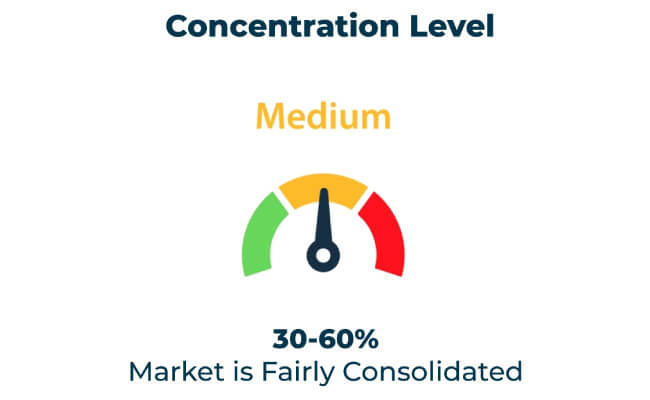
Year-over-Year Leaders
Albea advances lightweight, sustainable cosmetic jar designs, Gerresheimer innovates with premium glass jars for high-end cosmetics, and Quadpack leads with refillable, eco-friendly packaging solutions.
Vendor Insights on the Cosmetic Jars Market
Albea pushes ahead in lightweight, sustainable cosmetic jar designs;. Gerresheimer takes the lead with premium glass jars for high-end cosmetics, while. Quadpack pushes ahead with refillable, eco-friendly packaging solutions.
Technology Trends in the Cosmetic Jars Market
Sustainable Materials: Companies are adopting biodegradable plastics, recycled glass, and FSC-certified wood for eco-friendly packaging. Customizable Designs: Advanced decoration techniques, such as embossing and digital printing, enhance brand differentiation. Refillable Packaging: Innovations in refillable jar systems reduce waste and align with sustainability trends.
Sustainability Trends in the Cosmetic Jars Market
The Cosmetic Jars market aligns with global sustainability goals by prioritizing eco-friendly materials and processes.
Key Sustainability Phenomena:
- Recycled Materials: Increasing use of PCR (post-consumer recycled) plastics and recycled glass.
- Biodegradable Jars: Development of compostable jars for environmentally friendly solutions.
- Reusable Packaging: Refillable jars that promote a circular economy are gaining popularity.
Consumer Trends Driving the Cosmetic Jars Market
- Luxury Appeal: Consumers seek premium jars with unique designs and finishes for high-end products.
- Sustainability: Eco-conscious buyers demand recyclable or refillable jars.
- Convenience: Lightweight and easy-to-use packaging formats are increasingly preferred.
Regulatory Insights Impacting the Cosmetic Jars Market
North America enforces strict regulations for packaging materials in personal care products. Europe leads with sustainability mandates promoting recyclable and refillable packaging. Asia-Pacific exhibits rapid growth due to rising disposable incomes and increasing demand for premium cosmetics.
Export Opportunities in the Cosmetic Jars Market
Emerging markets in Asia-Pacific, Africa, and Latin America present significant growth potential for cosmetic jars, driven by increasing beauty product consumption and demand for sustainable packaging solutions.
Challenges and Opportunities in the Cosmetic Jars Market
Challenges
High raw material costs and limited recycling infrastructure in some regions restrict growth. Additionally, competition from tubes and alternative packaging formats creates challenges in specific segments.
Opportunities
Refillable and premium jars in luxury cosmetics, coupled with innovative sustainable materials, unlock new routes to growth. Customizable designs also unlock opportunities in intensified brand differentiation.
Market Context of the Cosmetic Jars Industry
Regional Analysis
This section evaluates the geographic dynamics shaping the caps and closure market. By analyzing key regions such as North America, Europe, Asia-Pacific, and other emerging markets, we gain insights into the drivers and market shares that define their contributions.
| Region | North America |
|---|---|
| Market Share (%) | 35% |
| Key Drivers | Demand for premium and sustainable packaging. |
| Region | Europe |
|---|---|
| Market Share (%) | 30% |
| Key Drivers | Sustainability regulations and luxury trends. |
| Region | Asia-Pacific |
|---|---|
| Market Share (%) | 25% |
| Key Drivers | Rising disposable incomes and beauty industry growth. |
| Region | Other Regions |
|---|---|
| Market Share (%) | 10% |
| Key Drivers | Increasing adoption of refillable and eco-friendly jars. |
End-Use Industry Segments
Skincare (50%) dominates due to demand for aesthetic and durable jars. Haircare (20%) grows with premiumization trends. Makeup (20%) expands as innovative designs and finishes gain traction. Other Segments (10%) cater to niche applications in personal care.
Recommendations for Technology Suppliers in the Cosmetic Jars Market
- Adopt Sustainable Materials: Focus on biodegradable, recyclable, and refillable jar designs.
- Enhance Customization: Offer advanced decoration techniques to meet brand differentiation needs.
- Target Emerging Markets: Expand operations in regions with growing beauty product consumption.
Future Roadmap for the Cosmetic Jars Market
The Cosmetic Jars market will grow as industries prioritize sustainability, luxury appeal, and innovative designs. Companies investing in advanced materials, refillable packaging, and emerging market opportunities will shape the future of this sector.
Market KPIs for the Cosmetic Jars Industry
Regional Growth Rates highlight significant increases in Asia-Pacific and Latin America, while Segment-Specific Metrics track adoption in skincare, haircare, and makeup categories.
Who Shaped the Year in the Cosmetic Jars Market
Albea led with lightweight and sustainable designs, Gerresheimer delivered premium glass jars, and Quadpack focused on refillable, eco-friendly packaging solutions.
Key Players Operating in the Cosmetic Jars Market
Albea dominates with customizable and lightweight jars. Gerresheimer specializes in luxurious glass packaging. Quadpack leads with sustainable, refillable solutions.
Tier-Wise Vendor Classification in the Cosmetic Jars Market
This classification categorizes vendors based on their influence and market presence, providing insights into their strengths and contributions to the market. Tier 1 companies, such as Albea, Gerresheimer, and Quadpack, lead with innovative and scalable solutions.
Tier 2 players, including Libo Cosmetics and HCP Packaging, maintain strong regional operations. Tier 3 vendors, such as Premi Spa and Baralan, focus on niche products and emerging opportunities.
| Tier | Key Companies |
|---|---|
| Tier 1 | Albea, Gerresheimer, Quadpack |
| Tier 2 | Libo Cosmetics, HCP Packaging |
| Tier 3 | Premi Spa, Baralan |
Key Vendor Initiatives in the Cosmetic Jars Market
Albea developed lightweight, sustainable jars for skincare and makeup. Gerresheimer introduced premium glass jars with unique finishes. Quadpack expanded its portfolio with refillable and eco-friendly packaging solutions.
Conclusion on the Cosmetic Jars Market
The Cosmetic Jars market is poised for significant growth as industries demand durable, premium, and sustainable packaging solutions. Companies investing in innovative designs, eco-friendly materials, and emerging markets will shape the future of this sector.
Appendix of the Cosmetic Jars Market Report
Key Definitions
- Cosmetic Jars: Containers used for packaging skincare, makeup, and personal care products, designed for durability and aesthetic appeal.
- Sustainable Materials: Eco-friendly materials such as biodegradable plastics, recycled glass, and FSC-certified wood.
- Customization: Tailored jar designs and decorations to meet specific brand requirements.
Research Methodology
Primary research involved interviews with industry stakeholders, while secondary research included analysis of industry reports and market data. Findings were validated through expert opinions and triangulation.
Market Definition
The Cosmetic Jars market encompasses aesthetic, durable, and sustainable packaging solutions for skincare, makeup, haircare, and personal care products.
Top Segments Studied in the Cosmetic Jars Market Report
By End-Use:
- Skincare
- Haircare
- Makeup
- Other Segments
By Region:
- North America
- Europe
- Asia-Pacific
- other
Frequently Asked Questions
What drives the growth of the Cosmetic Jars Market?
Rising demand for durable, aesthetic, and sustainable packaging solutions in the beauty industry.
What is the projected growth of the Cosmetic Jars Market by 2035?
The market is expected to grow at a CAGR of 4.3% reaching USD7323.44 million by 2035.
Who are the leading players in the Cosmetic Jars Market?
Albea, Gerresheimer, and Quadpack are among the top players.
What percentage of the market do the top 10 players hold?
The top 10 players hold approximately 85% of the global market share.
What regions are driving market growth?
Asia-Pacific and Latin America show significant growth due to rising beauty product consumption and demand for premium packaging.
Preview the report firsthand - request a free sample
Get SampleGet the brochure for pricing and purchase details.
Get PDFTable of Content
- Executive Summary
- SWOT Analysis of Leading Players
- Vendor Performance
- Technology Trends
- Sustainability Trends
- Consumer Trends
- Regulatory Insights
- Export Opportunities
- Challenges and Opportunities
- Market Context
- Recommendations for Technology Suppliers
- Future Roadmap
- Market KPIs
- Who Shaped the Year
- Key Players
- Tier-Wise Vendor Classification
- Key Vendor Initiatives
- Conclusion
- Appendix


