

- Industry Size (2026)
- USD 1.84 Bn
- Forecast (2036)
- USD 3.39 Bn
- CAGR (2026 to 2036)
- 6.3%
Endoscopic Retrograde Cholangiopancreatography (ERCP) Devices Market Size, Market Forecast and Outlook By FMI
-devices-market-market-value-analysis.webp "Endoscopic Retrograde Cholangiopancreatography (ercp) Devices Market Market Value Analysis")
The ERCP devices market was valued at USD 1.73 billion in 2025, projected to reach USD 1.84 billion in 2026, and is forecast to expand to USD 3.39 billion by 2036 at a 6.3% CAGR. As per FMI, rising incidence of biliary and pancreatic diseases, expanding therapeutic ERCP capabilities beyond diagnostic cholangiography, and growing adoption of single-use duodenoscopes in response to reprocessing-associated infection outbreaks are sustaining demand across the ERCP device portfolio. The procedure remains the gold standard for biliary stone extraction, biliary and pancreatic stenting, and sphincterotomy, with no competing modality offering equivalent therapeutic access to the ampulla of Vater.
Summary of Endoscopic Retrograde Cholangiopancreatography (ERCP) Devices Market
- Market snapshot
- The ERCP devices market is valued at USD 1.73 billion in 2025 and is projected to reach USD 3.39 billion by 2036.
- The industry is expected to grow at a 6.3% CAGR from 2026 to 2036, creating an incremental opportunity of USD 1.55 billion.
- The market is a therapeutic endoscopy device category where biliary disease burden, GI cancer palliative intervention demand, and single-use device adoption define growth dynamics.
- Demand and growth drivers
- Demand is sustained by ERCP's position as the gold standard for biliary stone extraction, sphincterotomy, and biliary/pancreatic stent placement.
- Rising pancreaticobiliary cancer incidence is increasing demand for self-expanding metal stents used in palliative biliary drainage.
- Single-use duodenoscope adoption is accelerating in response to reprocessing-associated infection outbreaks, adding a new equipment procurement cycle.
- Among key countries, India leads at 7.1% CAGR, followed by China at 6.3%, South Korea at 5.0%, Germany at 2.2%, and the USA at 2.0%.
- Product and segment view
- ERCP devices comprise duodenoscopes, sphincterotomes, lithotripters, biliary and pancreatic stents, cannulas, forceps, snares, catheters, guiding wires, and balloons used in endoscopic biliary and pancreatic interventions.
- Disease indications span GI cancer, bile duct diseases, choledocholithiasis, Barrett's esophagus, peptic ulcer disease, and Crohn's disease.
- GI Cancer leads by Disease Indication with 19.7% share in 2026 as palliative biliary stenting for pancreaticobiliary malignancies drives high per-procedure device consumption.
- Stents holds 13.7% share by Product in 2026 as self-expanding metal stent adoption increases average selling prices relative to plastic alternatives.
- Scope includes ERCP-specific endoscopes, therapeutic accessories, and consumable devices; excludes general diagnostic upper GI endoscopes and colonoscopes.
- Geography and competitive outlook
- India and China are the fastest-growing markets due to expanding ERCP-trained physician capacity and rising biliary disease burden. The USA and Germany anchor mature procedural demand.
- Competition is shaped by stent delivery system design, sphincterotome cutting wire performance, and single-use duodenoscope platform development.
- Key players include Olympus Corporation, Boston Scientific Corporation, CONMED Corporation, Cook Medical, Hobbs Medical, Merit Medical Systems, TeleMed Systems, and Fujifilm Holdings Corporation.
- Analyst opinion at FMI
- Sabyasachi Ghosh, Principal Consultant for Medical Devices and Gastroenterology, opines: 'FMI is of the opinion that the ERCP device market is being reshaped by two converging forces: rising biliary cancer stenting volumes that increase per-procedure consumable value, and single-use duodenoscope adoption that adds a capital equipment replacement cycle. Device companies without self-expanding metal stent portfolios will cede the highest-margin consumable revenue to competitors. Single-use duodenoscope suppliers that achieve cost parity with reprocessed reusable systems within three years will trigger a fleet replacement cycle across infection-conscious hospital networks.'
- Strategic implications / Executive takeaways
- Gastroenterology department directors must evaluate single-use duodenoscope total cost of ownership against reprocessing costs to determine the optimal procurement model for their procedural volume.
- Device procurement teams should consolidate ERCP accessory purchasing with stent suppliers offering integrated sphincterotome and guidewire bundles to capture volume pricing.
- Hospital infection control committees must assess duodenoscope reprocessing audit findings to determine whether single-use conversion is justified by infection prevention economics.
Endoscopic Retrograde Cholangiopancreatography (ERCP) Devices Market key takeaways
| Metric | Details |
|---|---|
| Industry Size (2026) | USD 1.84 billion |
| Industry Value (2036) | USD 3.39 billion |
| CAGR (2026 to 2036) | 6.3% |
Source: Future Market Insights, 2026
FMI opines that GI cancer indications drive the largest disease indication share because ERCP provides the primary interventional pathway for biliary stent placement in unresectable pancreaticobiliary malignancies. The stent product category sustains high per-procedure consumable value as self-expanding metal stents replace plastic stents in palliative biliary drainage, increasing average selling prices. India and China are experiencing the fastest growth as gastroenterology training programmes expand ERCP-trained physician capacity and hospital endoscopy suites add fluoroscopy-equipped procedure rooms to handle rising choledocholithiasis and cholangiocarcinoma case volumes.
India leads with a 7.1% CAGR through 2036, driven by expanding gastroenterology training and rising biliary disease burden. China follows at 6.3%, supported by hospital endoscopy infrastructure investment and growing ERCP procedural volumes. South Korea registers a 5.0% pace driven by high endoscopy utilisation rates. Germany maintains a 2.2% trajectory reflecting mature procedural volumes with incremental growth from single-use duodenoscope adoption. The United States tracks at 2.0%, reflecting a mature market where growth centres on premium stent and single-use accessory adoption.
Endoscopic Retrograde Cholangiopancreatography (ERCP) Devices Market definition
ERCP devices are specialised endoscopic instruments and consumable accessories used to diagnose and treat disorders of the biliary and pancreatic ductal systems. The category covers side-viewing duodenoscopes, sphincterotomes, mechanical lithotripters, biliary and pancreatic stents, cannulas, forceps, snares, catheters, guiding wires, and extraction balloons used during fluoroscopy-guided endoscopic procedures.
ERCP Devices Market inclusions
Market scope includes ERCP-specific duodenoscopes, therapeutic accessories, and consumable devices across all disease indications. The report covers global and regional market sizes for 2026 to 2036 with segment breakdowns by disease indication, product, and end user.
ERCP Devices Market exclusions
The scope excludes general diagnostic upper GI endoscopes, colonoscopes, capsule endoscopy systems, fluoroscopy imaging equipment, and surgical instruments used in open or laparoscopic biliary procedures.
ERCP Devices Market research methodology
- Primary research: Analysts engaged with interventional gastroenterologists, endoscopy suite directors, and medical device procurement managers to map device selection criteria and procedural volume drivers.
- Desk research: Data collection aggregated biliary disease epidemiology publications, FDA single-use duodenoscope clearance records, and published ERCP procedure volume statistics from gastroenterology registries.
- Market sizing and forecasting: Baseline values derive from a bottom-up aggregation of ERCP procedure volumes by indication, applying per-procedure device consumption rates and stent mix evolution curves.
- Data validation and update cycle: Projections are cross-validated against published medical device company revenue disclosures and gastroenterology society procedure volume surveys.
Key Industry Highlights
Increasing Prevalence of Cancer Drives Demand for Endoscopic Retrograde Cholangiopancreatography (ERCP) Devices
Rising incidence of cancer and gastrointestinal diseases is the primarily driver of the global ERCP devices market. Among the pancreatic, liver, and biliary tract, demands the use of precise diagnostic and therapeutic equipment such as ERCP devices.
ERCP procedure is one-stop as both acute target and long-term management of cancer can be performed in a single go; this provides therapies convenience for patients and practitioners. Rising demand for minimally invasive surgeries is one of the growth determinants as it reduces the recovery time and risk of complication and related health impacts favoring the patient and practitioner requirements.
Surging incidence of chronic biliary tract and other gastrointestinal diseases-pancreatitis, inflammatory bowel diseases, and gastroesophageal reflux diseases (GERD), and increased geriatric population will drive the consumption of ERCP devices. The introduction of advanced and user-friendly equipment, shifting economic powers, and increasing government funding primarily in emerging economies are also expected to foster the market growth.
Expansion in Emerging Markets Present Significant Growth Opportunities for the ERCP Devices Market
The market for ERCP devices is experiencing ample growth opportunities, especially in emerging economies such as Brazil, Russia, India, China, and South Africa (BRICS). These economies have shown signs of rapid economic growth and constituted nearly one-third of global healthcare expenditure in 2021 (World Economic Forum).
With China and India making up over half of the world's population, this can lead to a sizeable patient population and greater demand for advanced diagnostic and therapeutic products, all of which ERCP devices are capable of addressing.
The rapidly improving healthcare infrastructure, the growing number of cancers, and the increase in medical tourism within these economies encourage global market participants to consider expanding their market. As an example, companies have established relatively sizeable production and R&D facilities within Latin America, Asia Pacific, and the Middle East.
Increasing Procedural Efficiency and Preventative Measures Drive ERCP Market Trends
Trends in the ERCP devices market focus on procedures that are more efficient and prophylactic measures for complications. According to the journal Gut and Liver, 41% of doctors perform between 5 to 10 ERCP procedures a week.
Another 30% handle between 11 and 20 cases a week, indicating a consistent volume of procedures being performed and the demand for ERCP procedures due to the increase in gastrointestinal and pancreatic biliary disorders that are highly prevalent in the community.
An emerging trend is the development of specialized ERCP teams and anecdotal reports suggest that over 60% of doctors work with an advanced practice of ERCP. These specialty teams reflect the best practice focused on improving efficiency and safety while performing ERCPs. The use of dedicated fluoroscopy rooms in 68% of endoscopy or radiology units reflects investments into infrastructure and space with the purpose of improvements to efficiency and turnover in ERCP procedures.
Prophylaxis for post-ERCP pancreatitis is drawing a lot of attention as a common and serious complication. Most doctors reported that they utilize a combination of intravenous hydration, pancreatic stents, and protease inhibitors as individual arrangements, illustrating a growing standard of care to address risk management with post-ERCP pancreatitis.
Balanced propofol sedation is also becoming a more popular sedation method, with 50% of doctors stating they are utilizing this sedation modality for more efficient and safer procedural sedation.
These trends highlight the commitment to improved safety, efficiency, and outcomes of procedures, which continues to grow the market for ERCP related devices and associated equipment.
High Costs and Procedure Risks Restrict the Growth of the ERCP Devices Market
ERCP procedures are expensive due to advanced and high-quality equipment and require highly demanding human health services skills. Such costs make the procedure inaccessible, especially in low-spending regions and among small-scale healthcare providers, limiting market growth potential. Furthermore, ERCP procedures are prohibitively expensive for many patients in underfunded healthcare systems, which lowers demand for ERCP devices.
Additionally, there are risks and side effects related to ERCP procedures, which can stand as very significant barriers to the wider acceptance of the ERCP device. For instance, post-ERCP pancreatitis is one of the more common complications.
It can be as mild as severe as life threatening in some supposed cases. This concern regarding risks often deters doctors and patients from choosing ERCP for various other reasons, even though alternative procedures are in place- a case in point being MRCP.
In addition, the very complexity that crops up regarding the procedure makes accessibility rather difficult for small-scale hospitals or clinics to implement, especially among those in areas that are either underdeveloped or rural. These factors work together to keep the body in check with major barriers to the expanded adoption of ERCP devices, and thus restrain market growth overall.
2021 to 2025 Global Endoscopic Retrograde Cholangiopancreatography (ERCP) Devices Sales Outlook Compared to Demand Forecast from 2026 to 2036
The global endoscopic retrograde cholangiopancreatography (ERCP) devices industry recorded a CAGR of 5.1% during the historical period between 2021 and 2025. The growth of Endoscopic Retrograde Cholangiopancreatography (ERCP) Devices diagnostics industry was positive as it reached a value of USD 3,000.2 million in 2036 from USD 1,628.6 million in 2026.
Throughout the previous decade, the endoscopic retrograde cholangiopancreatography (ERCP) devices market has experienced substantial growth as a result of several key factors. The treatment of pancreaticobiliary diseases (i.e., gallstones and other cancers) increased the demand for ERCP devices to complete these diagnostic and therapeutic interventions.
It was recommended that ERCP to facilitate the management of these disorders would be safe and effective, thus increasing treatment use. Ongoing advancements in endoscope technology were also responsible for moving ERCP toward being one of the primary interventions for adult patients, particularly if they were injured and required further diagnostic procedures before invasive surgical interventions could commence.
There has been growing attention placed on minimally invasive interventions, and ERCP is commonly viewed as providing excellent diagnosis and timely therapeutic intervention. Medical patients, along with their physicians, often prefer treatment using endoscopes, noting the quicker recovery period after ERCP and hospital stay.
To improve outcome efficiency ERCP teams, made up of physicians and skillful personnel for the procedures, have become relatively common and are able to facilitate improved safety and efficiency for ERCP procedures. It stands to reason then that the ERCP keeps its upward trajectory from the growth in the previous decade and some trends will encourage future growth.
Current trends in further assessment of advanced artificial intelligence and imaging technologies will be utilized in ERCP procedures. These trends have been noted to enhance the accuracy of diagnosis and procedural interventions. With the increased focus on acceptable preventive healthcare, there may be an increased focus on ERCP for early diagnosis and treatment of gastrointestinal disorders to prevent disease escalation.
Market Concentration
Tier 1 companies are the major companies as they hold a 36.2% share worldwide. To generate superior ERCP devices, companies are devoting a substantial portion of their resources to research and development of new technologies, making competition in this sector fierce.
To stay competitive in the market, they are focused on market expansions. Some of the tier 1 level companies are Olympus Corporation, Boston Scientific Corporation, and CONMED Corporation are prominent players in the market.
Tier 2 companies are relatively smaller as compared with tier 1 players. The tier 2 companies hold a share of 24.4% worldwide. To remain competitive, tier 2 companies are also creating and pursuing targeted strategies in particular niche markets as product extensions.
These categories are specified and align with higher levels of competition. To increase their competitiveness against larger businesses, they have formed strategic alliances and are all improving regional distribution inside the regional networks. Key Companies under this category include Merit Medical Systems, TeleMed Systems, Inc., and Fujifilm Holdings Corporation, and others
Compared to Tiers 1 and 2, Tier 3 companies offer endoscopic retrograde cholangiopancreatography (ERCP) devices, but with smaller revenue spouts and less influence. These companies mostly operate in one or two countries and have a limited customer base. Tier 3 companies, although, smaller are essential for the market. The companies such as Cook Medical, Inc, Hobbs Medical, and other falls under this category.
Country-wise Insights
The section below covers the industry analysis for the endoscopic retrograde cholangiopancreatography (ERCP) devices market for different countries. Market demand analysis on key countries in several regions of the globe, including North America, Asia Pacific, Europe, and others, is provided.
The United States is anticipated to remain at the forefront in North America, with a CAGR of 2.1% through 2036. In Asia Pacific, India is projected to witness the highest CAGR in the market of 7.1% by 2036.
-devices-market-cagr-(2026-2036).webp "Top Country Growth Comparison Endoscopic Retrograde Cholangiopancreatography (ercp) Devices Market Cagr (2026 2036)")
| Countries | Value CAGR |
|---|---|
| United States | 2.0% |
| Germany | 2.2% |
| India | 7.1% |
| China | 6.3% |
| South Korea | 5.0% |
Source: FMI analysis based on primary research and proprietary forecasting model
-devices-market-cagr-analysis-by-country.webp "Endoscopic Retrograde Cholangiopancreatography (ercp) Devices Market Cagr Analysis By Country")
Rising Liver and Bile Duct Cancer Incidences Fueling ERCP Device Market in the USA
-devices-market-country-value-analysis.webp "Endoscopic Retrograde Cholangiopancreatography (ercp) Devices Market Country Value Analysis")
The United States dominates the global market with high share in 2023. The United States is expected to exhibit a CAGR of 2.0% throughout the forecast period (2026 to 2036).
The increase incidence of primary liver cancer and intrahepatic bile duct cancer in the United States is the key factor bolstering the ERCP device market in the United States. In 2026, the American Cancer Society estimates 41,630 new cases of these tumours, with 29,840 deaths expected. The remarkable increase has heightened the demand for more sophisticated diagnostic and therapeutic approaches.
By removing obstructions, performing a biopsy, and stenting, ERCP is primarily used in the diagnosis and treatment of malignancies of the liver and bile duct. Therefore, as the number of such cases increase, so also does the need for such precision-based, minimally invasive methods that would make ERCP an essential tool in any medical situation.
With this, there has been great demand for high-quality ERCP devices in the market, thereby contributing to the growth of the segment.
Aging Population and Prevalence of Biliary and Pancreatic Diseases Drive ERCP Market in Germany
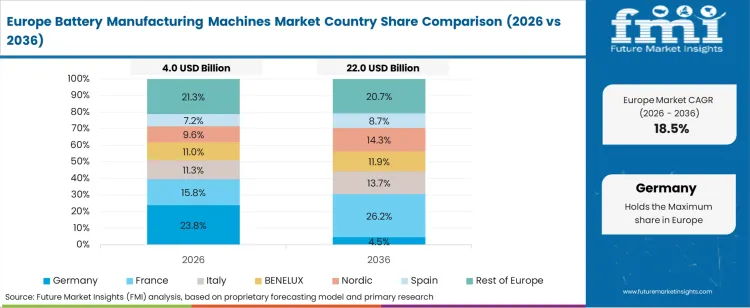
In 2023, Germany held a dominant revenue in the Western Europe market and is expected to grow with a CAGR of 2.2%.
In Germany, the aging population and the high number of biliary and pancreatic diseases drive the growth of the ERCP devices market. With increasing age, disorders such as gallstones, bile duct obstruction, and pancreatic cancer are also increasing, hence the necessity for ERCP as a means of diagnosing and treating.
The advanced healthcare infrastructure, favorable healthcare reimbursement policies, and availability of skilled gastroenterologists in Germany also act as further stimulants to market growth.
Moreover, an increase in the acceptance of minimally invasive procedures is driving the uptake of ERCP, given the management of complex situations includes fewer complications than with traditional surgery. The government's push for upgrading healthcare services, especially in gastroenterology, is further fuelling the demand for ERCP devices.
Growing Awareness of Gastrointestinal (GI) Diseases is Aiding in the Market Growth in China
China occupies a leading value share in East Asia market in 2023 and is expected to grow with a CAGR of 6.3% during the forecasted period.
In China, the high-growth market for ERCP devices is being propelled by an increasing awareness of GI disorders and the burgeoning prevalence of gallstones, cholangitis, and pancreatic cancer.
Urbanization at a high speed coupled with changing food habits has contributed to the rising of these diseases among the population. Apart from that, urbanization at a rapid pace has led to the involvement of healthcare services, along with the development of better endoscopic technologies.
The modernization of healthcare infrastructure by state initiatives and the boost of medical tourism continue to provide a boost to the ERCP market. The growth in China is further propelled by the increasing acceptance of minimally invasive procedures in major hospitals and further need for better treatment options.
Growing cases of liver and pancreatic tumors, in particular, linked with lifestyle factors, such as smoking and alcohol consumption, are raising the demand for ERCP in China.
Category-wise Insights
The section contains information about the leading segments in the industry. Based on disease indication, the GI cancer is expected to account 19.7% of the global share in 2026.
GI Cancer is Leading the Indication Segment Due to Rising Prevalence and Need for Minimally Invasive Procedures
-devices-market-analysis-by-disease-indication.webp "Endoscopic Retrograde Cholangiopancreatography (ercp) Devices Market Analysis By Disease Indication")
| Disease Indication | GI Cancer |
|---|---|
| Value Share (2026) | 19.7% |
By indication, GI cancer is expected to hold a share of 19.7% in 2026. The cancers of the gastrointestinal tract, namely, the pancreas, bile ducts, stomach, and liver respectively, keep suggesting a humungous demand for ERCP devices.
Old-age population, unhealthy food habits with next-in-line medical care coming with a general gradient of fat, and continued high consumption of tobacco, and alcohol among adults are the snippets of increased GI cancer cases.
ERCP is now an important method of treating various disorders via single-procedure imaging and therapy like manual removal of bile duct obstruction, which is very common in patients with pancreatic and bile duct cancer.
Continuing palliative care management of patients with jaundice due to obstruction and severe pain management support provides increasing ERCP use in these patients, with such cancer accounting for the largest market share for the procedure.
Stents Dominate the Product Type Segment Due to Their Effectiveness in Managing Biliary and Pancreatic Obstructions
-devices-market-analysis-by-product.webp "Endoscopic Retrograde Cholangiopancreatography (ercp) Devices Market Analysis By Product")
| By Product | Stent |
|---|---|
| Value Share (2026) | 13.7% |
Stents will account for 13.7% by product segment in 2026, and exhibit the highest CAGR in the forecast period.
Stents are a key aspect of ERCP procedures and the leading product type segment due to their widespread use in the management of obstructions in the bile duct and pancreatic duct. Urband underwritten by various conditions such as cancer, gallstones, and strictures, obstructions can cause pain or nausea.
These devices act as an effective tool for restoring the normal flow of bile or pancreatic juice in cases of obstruction. Compared to open surgery, stenting is more minimally invasive, thus coming off as the preferred option for both operators and patients.
Thus, the increase in demand for stents is attributable to the growing incidences of pancreatic and cancer-induced bile duct obstructions with application for temporary relief.
Stents are available in a variety of forms, including plastic and metal, with self-expanding metal stents (SEMS) gaining acceptance for their longevity and efficacy. Additionally, the rising use of ERCP for both therapeutic and palliative care purposes contributes to the growing demand for stents in the market.
Competitive Landscape
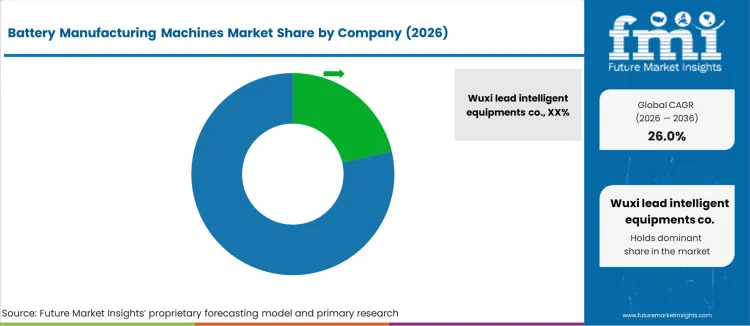
In the ERCP market, the key manufacturers are implementing several strategic measures to stay ahead of their competitors. They are heavily investing their resources in the research and development of better materials and designs that enhance the safety and effectiveness of the catheters. New product development is also facilitated by forming joint ventures and acquiring smaller players.
Scope of the report
-devices-market-breakdown-by-disease-indication,-product,-and-region.webp "Endoscopic Retrograde Cholangiopancreatography (ercp) Devices Market Breakdown By Disease Indication, Product, And Region")
| Metric | Value |
|---|---|
| Quantitative Units | USD 1.84 billion to USD 3.39 billion, at a CAGR of 6.3% |
| Market Definition | ERCP devices cover specialised endoscopic instruments and consumables for diagnosis and treatment of biliary and pancreatic ductal disorders. |
| Disease Indication Segmentation | Gastroesophageal Reflux Disease, GI Cancer, Barrett's Esophagus, Bile Duct Diseases, Peptic Ulcer Disease, Crohn's Disease, Intestinal Pseudo-Obstruction, Ogilvie Syndrome, Others |
| Product Segmentation | Sphincterotomes, Lithotripter, Endoscopes, Accessories, Stents, Cannulas, Forceps, Snares, Catheters, Guiding Wires, Balloons, Others |
| End User Segmentation | Hospitals, Specialty Clinics, Diagnostic Laboratories, Others |
| Regions Covered | North America, Latin America, Europe, East Asia, South Asia, Oceania, Middle East & Africa |
| Countries Covered | USA, Germany, India, China, South Korea, and 40 plus countries |
| Key Companies Profiled | Olympus Corporation, Boston Scientific, CONMED, Cook Medical, Hobbs Medical, Merit Medical Systems, TeleMed Systems, Fujifilm Holdings |
| Forecast Period | 2026 to 2036 |
| Approach | Bottom-up methodology from ERCP procedure volumes by indication, applying per-procedure device consumption rates. |
Key Segments of Endoscopic Retrograde Cholangiopancreatography (ERCP) Devices Industry
By Disease Indication:
In terms of disease indication, the industry is divided into Gastroesophageal Reflux Disease, GI Cancer, Barrett's Esophagus, Bile Duct Diseases, Peptic Ulcer Disease, Crohn's Disease, Intestinal Pseudo-Obstruction and Ogilvie Syndrome and other disease indications
By Product:
In terms of product, the industry is divided into sphincterotomes, lithotripter, endoscopes, accessories, stents, cannulas, forceps, snares, catheters, guiding wires, balloons, and others
By End User:
In terms of end user, the industry is segregated into hospitals, specialty clinics, diagnostic laboratories, and others
By Region:
Key countries of North America, Latin America, East Asia, South Asia & Pacific, Western Europe, Eastern Europe and Middle East and Africa (MEA) have been covered in the report.
Bibliography
- 1. American Society for Gastrointestinal Endoscopy. (2024). ASGE guideline: Role of endoscopy in the evaluation and management of biliary diseases. ASGE.
- 2. United States Food and Drug Administration. (2024). Safety communication: Reprocessing of duodenoscopes and single-use alternatives. FDA.
- 3. European Society of Gastrointestinal Endoscopy. (2024). ESGE guideline: Biliary stenting and ERCP technique standards. ESGE.
- 4. World Health Organization. (2024). Global cancer observatory: Pancreatic and biliary cancer incidence trends. WHO/IARC.
- 5. Organisation for Economic Co-operation and Development. (2024). Health at a Glance 2024: Gastrointestinal procedure volumes. OECD.
- 6. Indian Society of Gastroenterology. (2024). ISG guidelines on ERCP: Training standards and procedural indications. ISG.
This bibliography is provided for reader reference. The full Future Market Insights report contains the complete reference list with primary research documentation.
Frequently Asked Questions
How large is the demand for ERCP devices in 2026?
Demand for ERCP devices in the global market is estimated to be valued at USD 1.84 billion in 2026.
What will be the market size by 2036?
Market size for ERCP devices is projected to reach USD 3.39 billion by 2036.
What is the expected demand growth between 2026 and 2036?
Demand for ERCP devices is expected to grow at a CAGR of 6.3% between 2026 and 2036.
Which Disease Indication leads in 2026?
GI Cancer accounts for 19.7% in 2026 as palliative biliary stenting for pancreaticobiliary malignancies drives high per-procedure device consumption.
What is driving demand in India?
Expanding gastroenterology training programmes and rising biliary disease burden are increasing ERCP procedural volumes and device consumption.
What is included in the scope?
The scope covers ERCP-specific duodenoscopes, therapeutic accessories, and consumables; excludes general GI endoscopes and surgical biliary instruments.
Preview the report firsthand - request a free sample
Get SampleGet the brochure for pricing and purchase details.
Get PDFTable of Content
- Executive Summary
- Global Market Outlook
- Demand-side Trends
- Supply-side Trends
- Technology Roadmap Analysis
- Analysis and Recommendations
- Market Overview
- Market Coverage / Taxonomy
- Market Definition / Scope / Limitations
- Research Methodology
- Chapter Orientation
- Analytical Lens and Working Hypotheses
- Market Structure, Signals, and Trend Drivers
- Benchmarking and Cross-market Comparability
- Market Sizing, Forecasting, and Opportunity Mapping
- Research Design and Evidence Framework
- Desk Research Programme (Secondary Evidence)
- Company Annual and Sustainability Reports
- Peer-reviewed Journals and Academic Literature
- Corporate Websites, Product Literature, and Technical Notes
- Earnings Decks and Investor Briefings
- Statutory Filings and Regulatory Disclosures
- Technical White Papers and Standards Notes
- Trade Journals, Industry Magazines, and Analyst Briefs
- Conference Proceedings, Webinars, and Seminar Materials
- Government Statistics Portals and Public Data Releases
- Press Releases and Reputable Media Coverage
- Specialist Newsletters and Curated Briefings
- Sector Databases and Reference Repositories
- FMI Internal Proprietary Databases and Historical Market Datasets
- Subscription Datasets and Paid Sources
- Social Channels, Communities, and Digital Listening Inputs
- Additional Desk Sources
- Expert Input and Fieldwork (Primary Evidence)
- Primary Modes
- Qualitative Interviews and Expert Elicitation
- Quantitative Surveys and Structured Data Capture
- Blended Approach
- Why Primary Evidence is Used
- Field Techniques
- Interviews
- Surveys
- Focus Groups
- Observational and In-context Research
- Social and Community Interactions
- Stakeholder Universe Engaged
- C-suite Leaders
- Board Members
- Presidents and Vice Presidents
- R&D and Innovation Heads
- Technical Specialists
- Domain Subject-matter Experts
- Scientists
- Physicians and Other Healthcare Professionals
- Governance, Ethics, and Data Stewardship
- Research Ethics
- Data Integrity and Handling
- Primary Modes
- Tooling, Models, and Reference Databases
- Desk Research Programme (Secondary Evidence)
- Data Engineering and Model Build
- Data Acquisition and Ingestion
- Cleaning, Normalisation, and Verification
- Synthesis, Triangulation, and Analysis
- Quality Assurance and Audit Trail
- Market Background
- Market Dynamics
- Drivers
- Restraints
- Opportunity
- Trends
- Scenario Forecast
- Demand in Optimistic Scenario
- Demand in Likely Scenario
- Demand in Conservative Scenario
- Opportunity Map Analysis
- Product Life Cycle Analysis
- Supply Chain Analysis
- Investment Feasibility Matrix
- Value Chain Analysis
- PESTLE and Porter’s Analysis
- Regulatory Landscape
- Regional Parent Market Outlook
- Production and Consumption Statistics
- Import and Export Statistics
- Market Dynamics
- Global Market Analysis 2021 to 2025 and Forecast, 2026 to 2036
- Historical Market Size Value (USD Million) Analysis, 2021 to 2025
- Current and Future Market Size Value (USD Million) Projections, 2026 to 2036
- Y-o-Y Growth Trend Analysis
- Absolute $ Opportunity Analysis
- Global Market Pricing Analysis 2021 to 2025 and Forecast 2026 to 2036
- Global Market Analysis 2021 to 2025 and Forecast 2026 to 2036, By Disease Indication
- Introduction / Key Findings
- Historical Market Size Value (USD Million) Analysis By Disease Indication , 2021 to 2025
- Current and Future Market Size Value (USD Million) Analysis and Forecast By Disease Indication , 2026 to 2036
- Gastroesophageal Reflux Disease
- GI Cancer
- Barrett's Esophagus
- Bile Duct Diseases
- Peptic Ulcer Disease
- Crohn's Disease
- Intestinal Pseudo-Obstruction
- Ogilvie Syndrome
- Other Disease Indications
- Gastroesophageal Reflux Disease
- Y-o-Y Growth Trend Analysis By Disease Indication , 2021 to 2025
- Absolute $ Opportunity Analysis By Disease Indication , 2026 to 2036
- Global Market Analysis 2021 to 2025 and Forecast 2026 to 2036, By Product
- Introduction / Key Findings
- Historical Market Size Value (USD Million) Analysis By Product, 2021 to 2025
- Current and Future Market Size Value (USD Million) Analysis and Forecast By Product, 2026 to 2036
- Sphincterotomes
- Lithotripter
- Endoscopes
- Accessories
- Stents
- Cannulas
- Forceps
- Snares
- Catheters
- Guiding Wires
- Balloons
- Sphincterotomes
- Y-o-Y Growth Trend Analysis By Product, 2021 to 2025
- Absolute $ Opportunity Analysis By Product, 2026 to 2036
- Global Market Analysis 2021 to 2025 and Forecast 2026 to 2036, By End User
- Introduction / Key Findings
- Historical Market Size Value (USD Million) Analysis By End User, 2021 to 2025
- Current and Future Market Size Value (USD Million) Analysis and Forecast By End User, 2026 to 2036
- Hospitals
- Specialty Clinics
- Diagnostic Laboratories
- Others
- Hospitals
- Y-o-Y Growth Trend Analysis By End User, 2021 to 2025
- Absolute $ Opportunity Analysis By End User, 2026 to 2036
- Global Market Analysis 2021 to 2025 and Forecast 2026 to 2036, By Region
- Introduction
- Historical Market Size Value (USD Million) Analysis By Region, 2021 to 2025
- Current Market Size Value (USD Million) Analysis and Forecast By Region, 2026 to 2036
- North America
- Latin America
- Western Europe
- Eastern Europe
- East Asia
- South Asia and Pacific
- Middle East & Africa
- Market Attractiveness Analysis By Region
- North America Market Analysis 2021 to 2025 and Forecast 2026 to 2036, By Country
- Historical Market Size Value (USD Million) Trend Analysis By Market Taxonomy, 2021 to 2025
- Market Size Value (USD Million) Forecast By Market Taxonomy, 2026 to 2036
- By Country
- USA
- Canada
- Mexico
- By Disease Indication
- By Product
- By End User
- By Country
- Market Attractiveness Analysis
- By Country
- By Disease Indication
- By Product
- By End User
- Key Takeaways
- Latin America Market Analysis 2021 to 2025 and Forecast 2026 to 2036, By Country
- Historical Market Size Value (USD Million) Trend Analysis By Market Taxonomy, 2021 to 2025
- Market Size Value (USD Million) Forecast By Market Taxonomy, 2026 to 2036
- By Country
- Brazil
- Chile
- Rest of Latin America
- By Disease Indication
- By Product
- By End User
- By Country
- Market Attractiveness Analysis
- By Country
- By Disease Indication
- By Product
- By End User
- Key Takeaways
- Western Europe Market Analysis 2021 to 2025 and Forecast 2026 to 2036, By Country
- Historical Market Size Value (USD Million) Trend Analysis By Market Taxonomy, 2021 to 2025
- Market Size Value (USD Million) Forecast By Market Taxonomy, 2026 to 2036
- By Country
- Germany
- UK
- Italy
- Spain
- France
- Nordic
- BENELUX
- Rest of Western Europe
- By Disease Indication
- By Product
- By End User
- By Country
- Market Attractiveness Analysis
- By Country
- By Disease Indication
- By Product
- By End User
- Key Takeaways
- Eastern Europe Market Analysis 2021 to 2025 and Forecast 2026 to 2036, By Country
- Historical Market Size Value (USD Million) Trend Analysis By Market Taxonomy, 2021 to 2025
- Market Size Value (USD Million) Forecast By Market Taxonomy, 2026 to 2036
- By Country
- Russia
- Poland
- Hungary
- Balkan & Baltic
- Rest of Eastern Europe
- By Disease Indication
- By Product
- By End User
- By Country
- Market Attractiveness Analysis
- By Country
- By Disease Indication
- By Product
- By End User
- Key Takeaways
- East Asia Market Analysis 2021 to 2025 and Forecast 2026 to 2036, By Country
- Historical Market Size Value (USD Million) Trend Analysis By Market Taxonomy, 2021 to 2025
- Market Size Value (USD Million) Forecast By Market Taxonomy, 2026 to 2036
- By Country
- China
- Japan
- South Korea
- By Disease Indication
- By Product
- By End User
- By Country
- Market Attractiveness Analysis
- By Country
- By Disease Indication
- By Product
- By End User
- Key Takeaways
- South Asia and Pacific Market Analysis 2021 to 2025 and Forecast 2026 to 2036, By Country
- Historical Market Size Value (USD Million) Trend Analysis By Market Taxonomy, 2021 to 2025
- Market Size Value (USD Million) Forecast By Market Taxonomy, 2026 to 2036
- By Country
- India
- ASEAN
- Australia & New Zealand
- Rest of South Asia and Pacific
- By Disease Indication
- By Product
- By End User
- By Country
- Market Attractiveness Analysis
- By Country
- By Disease Indication
- By Product
- By End User
- Key Takeaways
- Middle East & Africa Market Analysis 2021 to 2025 and Forecast 2026 to 2036, By Country
- Historical Market Size Value (USD Million) Trend Analysis By Market Taxonomy, 2021 to 2025
- Market Size Value (USD Million) Forecast By Market Taxonomy, 2026 to 2036
- By Country
- Kingdom of Saudi Arabia
- Other GCC Countries
- Turkiye
- South Africa
- Other African Union
- Rest of Middle East & Africa
- By Disease Indication
- By Product
- By End User
- By Country
- Market Attractiveness Analysis
- By Country
- By Disease Indication
- By Product
- By End User
- Key Takeaways
- Key Countries Market Analysis
- USA
- Pricing Analysis
- Market Share Analysis, 2025
- By Disease Indication
- By Product
- By End User
- Canada
- Pricing Analysis
- Market Share Analysis, 2025
- By Disease Indication
- By Product
- By End User
- Mexico
- Pricing Analysis
- Market Share Analysis, 2025
- By Disease Indication
- By Product
- By End User
- Brazil
- Pricing Analysis
- Market Share Analysis, 2025
- By Disease Indication
- By Product
- By End User
- Chile
- Pricing Analysis
- Market Share Analysis, 2025
- By Disease Indication
- By Product
- By End User
- Germany
- Pricing Analysis
- Market Share Analysis, 2025
- By Disease Indication
- By Product
- By End User
- UK
- Pricing Analysis
- Market Share Analysis, 2025
- By Disease Indication
- By Product
- By End User
- Italy
- Pricing Analysis
- Market Share Analysis, 2025
- By Disease Indication
- By Product
- By End User
- Spain
- Pricing Analysis
- Market Share Analysis, 2025
- By Disease Indication
- By Product
- By End User
- France
- Pricing Analysis
- Market Share Analysis, 2025
- By Disease Indication
- By Product
- By End User
- India
- Pricing Analysis
- Market Share Analysis, 2025
- By Disease Indication
- By Product
- By End User
- ASEAN
- Pricing Analysis
- Market Share Analysis, 2025
- By Disease Indication
- By Product
- By End User
- Australia & New Zealand
- Pricing Analysis
- Market Share Analysis, 2025
- By Disease Indication
- By Product
- By End User
- China
- Pricing Analysis
- Market Share Analysis, 2025
- By Disease Indication
- By Product
- By End User
- Japan
- Pricing Analysis
- Market Share Analysis, 2025
- By Disease Indication
- By Product
- By End User
- South Korea
- Pricing Analysis
- Market Share Analysis, 2025
- By Disease Indication
- By Product
- By End User
- Russia
- Pricing Analysis
- Market Share Analysis, 2025
- By Disease Indication
- By Product
- By End User
- Poland
- Pricing Analysis
- Market Share Analysis, 2025
- By Disease Indication
- By Product
- By End User
- Hungary
- Pricing Analysis
- Market Share Analysis, 2025
- By Disease Indication
- By Product
- By End User
- Kingdom of Saudi Arabia
- Pricing Analysis
- Market Share Analysis, 2025
- By Disease Indication
- By Product
- By End User
- Turkiye
- Pricing Analysis
- Market Share Analysis, 2025
- By Disease Indication
- By Product
- By End User
- South Africa
- Pricing Analysis
- Market Share Analysis, 2025
- By Disease Indication
- By Product
- By End User
- USA
- Market Structure Analysis
- Competition Dashboard
- Competition Benchmarking
- Market Share Analysis of Top Players
- By Regional
- By Disease Indication
- By Product
- By End User
- Competition Analysis
- Competition Deep Dive
- Olympus Corporation
- Overview
- Product Portfolio
- Profitability by Market Segments (Product/Age /Sales Channel/Region)
- Sales Footprint
- Strategy Overview
- Marketing Strategy
- Product Strategy
- Channel Strategy
- Boston Scientific Corporation
- CONMED Corporation
- Cook Medical, Inc
- Hobbs Medical
- Merit Medical Systems
- TeleMed Systems, Inc.
- Fujifilm Holdings Corporation
- Olympus Corporation
- Competition Deep Dive
- Assumptions & Acronyms Used


