

Floating Hotels Market Size and Share Analysis Forecast Outlook From 2025 to 2035
The global floating hotels industry remains fragmented, with luxury cruise-based accommodations, stationary floating resorts, and eco-friendly water lodges competing for market dominance. Leading companies differentiate themselves by offering exclusive water-based stays, immersive marine experiences, and sustainability-focused hospitality solutions.
Key players such as Conrad Maldives Rangali Island (Underwater Villas), The Float House River Kwai in Thailand, and Sunborn London have secured a strong market position through unique water-based hospitality concepts. These industry leaders command nearly 40% of the market by leveraging high-end branding, strategic partnerships with travel agencies, and exclusive guest experiences.
Regional operators, including Kerala Houseboats in India, Knysna Houseboats in South Africa, and Aqua Mekong in Vietnam, collectively contribute around 35% of the market. They attract eco-conscious and culturally driven travelers by blending local heritage with sustainable water accommodations.
Emerging brands such as Arctic Bath Hotel in Sweden, Punta Caracol Acqua-Lodge in Panama, and Soneva Aqua in the Maldives account for 18% of the market. These brands focus on niche experiences, including Arctic wellness retreats, carbon-neutral floating villas, and reef-integrated accommodations. The remaining 7% of the market consists of independent floating boutique hotels, offering bespoke river, lake, and oceanic stays in unique locations.
Global Market Share Analysis of Key Players in the Floating Hotels Sector
| Key Players | Industry Share (%) 2025 |
|---|---|
| Top 3 (Conrad Maldives, Float House River Kwai, Sunborn London) | 40% |
| Regional Operators (Kerala Houseboats, Knysna Houseboats, Aqua Mekong) | 35% |
| Emerging & Niche Brands (Arctic Bath Hotel, Punta Caracol Acqua-Lodge, Soneva Aqua) | 18% |
| Independent Floating Hotels (Boutique and Unique Water Stays) | 7% |
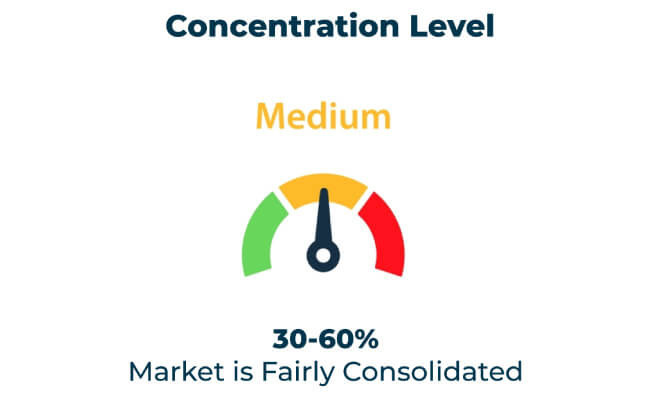
Market Concentration Assessment
Segment Analysis
Leading Floating Hotels Invest in Immersive Experiences
Market leaders focus on enhancing guest experiences through innovative floating accommodations. Conrad Maldives Rangali Island's underwater villas provide a luxurious marine immersion, allowing guests to sleep beneath the Indian Ocean. Sunborn London offers a superyacht experience with the amenities of a five-star hotel, catering to luxury travelers. The Float House River Kwai integrates Thailand’s rich history with river-based wellness retreats.
Regional operators capitalize on cultural authenticity. Kerala Houseboats offer travelers the chance to explore India’s backwaters while enjoying traditional Keralan hospitality. Aqua Mekong’s floating luxury river cruise showcases Vietnam’s Mekong Delta, blending adventure and luxury tourism.
Emerging brands focus on sustainability and wellness. Arctic Bath Hotel in Sweden integrates floating saunas and spa experiences in the Arctic Circle. Soneva Aqua in the Maldives combines marine conservation with luxury yachting, offering eco-conscious travelers a guilt-free indulgence in the ocean.
Floating Hotels Attract International Luxury Travelers
Leading floating hotel brands collaborate with international tourism boards and luxury travel agencies to attract high-spending tourists. Sunborn London partners with elite concierge services to provide bespoke superyacht stays. Conrad Maldives works with global travel agencies to position its underwater villas as an ultra-exclusive honeymoon destination.
Regional operators like Knysna Houseboats in South Africa target adventure travelers by offering self-drive floating accommodations, while Aqua Mekong markets itself as a cultural river cruise for affluent explorers. Online platforms such as FloatingLuxuryStays.com and AquaRetreats.com simplify the booking process by curating floating hotel experiences based on traveler preferences.
Who Shaped the Year?
The floating hotels industry saw groundbreaking advancements in 2024, with top companies integrating digital innovations and enhancing guest experiences through immersive water-based hospitality.
- Conrad Maldives Rangali Island - Expanded its underwater villa portfolio and introduced AI-powered marine biodiversity tracking for eco-conscious travelers.
- Sunborn London - Launched a high-tech superyacht hospitality program with AI-based concierge services and VR-guided luxury tours.
- The Float House River Kwai - Enhanced its floating retreat experience by incorporating Thai wellness therapies and sustainable water conservation initiatives.
- Arctic Bath Hotel - Developed an Arctic wellness program, integrating floating spa treatments with AI-driven guest personalization.
- Soneva Aqua - Introduced an immersive marine conservation program, allowing guests to participate in reef restoration projects during their stays.
- Dubai Floating Seahorse Villas - Integrated smart-home technology into its partially submerged luxury accommodations, offering AI-driven comfort customization.
Future Roadmap
AI-Driven Personalization Enhances Floating Hotel Experiences
Floating hotel operators leverage AI-driven services to provide personalized guest experiences. AI-powered concierge systems adapt in real time, offering tailored itineraries, dining recommendations, and marine excursions based on guest preferences. Smart-room automation, integrated into superyachts and floating villas, adjusts lighting, climate control, and entertainment to suit individual guests.
Augmented reality (AR) enhances guest engagement by offering immersive underwater tours, allowing visitors to explore marine ecosystems without diving. Blockchain-backed reservation systems ensure secure, transparent bookings, reinforcing trust in high-end floating accommodations. Leading brands like Conrad Maldives and Sunborn London invest in AI-driven digital concierge solutions, creating seamless, high-tech luxury stays on water.
Emerging Markets Drive Floating Hotel Growth
Governments and investors in emerging markets fuel floating hotel development by integrating water-based hospitality with sustainable tourism. The UAE’s Dubai Floating Seahorse Villas showcase luxury homes partially submerged underwater. Thailand expands floating eco-resorts to attract wellness tourists.
Technology enhances the floating hotel industry. AI-powered concierge services personalize guest stays, while AR-based underwater guides allow guests to explore marine biodiversity. Blockchain-backed booking platforms ensure transparency in sustainable floating hotel practices.
Industry Highlights
- Digital Transformation - AI-powered smart concierge services and VR-based property previews redefine guest experiences in floating hotels.
- Sustainability as a Competitive Advantage - Carbon-neutral floating resorts, solar-powered water lodges, and marine conservation initiatives attract eco-conscious travelers.
- Exclusive Marine Experiences - Underwater suites, private floating villas, and yacht-based hospitality reshape the definition of luxury travel.
- Technology-Driven Personalization - AI-powered room preferences, smart yacht automation, and interactive marine excursions elevate guest engagement.
Key Recommendations for Floating Hotel Operators
- Invest in Digital Hospitality - AI-driven concierge services and virtual underwater experiences enhance guest satisfaction.
- Strengthen Sustainability Efforts - Certifications for eco-friendly floating stays boost credibility among travelers.
- Expand Floating Hotel Offerings - Collaborating with luxury travel agencies and marine conservation groups diversifies target markets.
Key Company Initiatives
| Company | Key Initiatives |
|---|---|
| Conrad Maldives Rangali Island | Underwater villa expansion with marine conservation programs |
| Sunborn London | Superyacht hospitality concept with AI-powered concierge services |
| The Float House River Kwai | Sustainable floating retreats with Thai cultural integration |
| Arctic Bath Hotel | Floating Arctic wellness and spa experiences |
| Soneva Aqua | Luxury eco-yachting combined with reef conservation initiatives |
Segmentation Overview of the Floating Hotels Market
By Type:
- Luxury Floating Hotels
- Boutique Floating Hotels
- Eco-Friendly Floating Hotels
- Underwater Hotels
By End User:
- Leisure Travelers
- Adventure Tourists
- Business Travelers
- Luxury Seekers
- Cultural Tourists
By Tourist Type:
- Domestic
- International
By Booking Channel:
- Online
- Travel Agencies
- Direct Booking
- In-Person Booking
By Region:
- North America
- Latin America
- Europe
- East Asia
- South Asia
- Oceania
- MEA
Frequently Asked Questions
Which companies hold the largest market share in the global floating hotels industry?
Conrad Maldives Rangali Island, The Float House River Kwai, and Sunborn London collectively hold around 40% of the market.
What percentage of the market do niche brands hold?
Emerging brands like Arctic Bath Hotel and Punta Caracol Acqua-Lodge represent approximately 18% of the market.
How much market share do regional players contribute?
Regional players, including Kerala Houseboats and Aqua Mekong, contribute about 35% of the market.
Preview the report firsthand - request a free sample
Get SampleGet the brochure for pricing and purchase details.
Get PDFTable of Content
- Executive Summary
- Market Overview
- Key Growth Drivers
- Competitive Landscape
- Market Concentration
- Segmented Analysis
- Key Company Initiatives
- Future Roadmap


