


Graft Versus Host Disease (GvHD) Treatment Market : Global Industry Analysis 2015 - 2024 and Opportunity Assessment 2025 - 2035
The Graft Versus Host Disease (GvHD) Treatment Market is segmented by Monoclonal antibodies, mTOR inhibitors, Tyrosine kinase inhibitors and Thalidomide from 2025 to 2035
Historical Data Covered: 2015 - 2024 | Base Year: 2024 | Estimated Year: 2025 | Forecast Period: 2025 - 2035
Graft Versus Host Disease (GvHD) Treatment Market Outlook 2025 to 2035
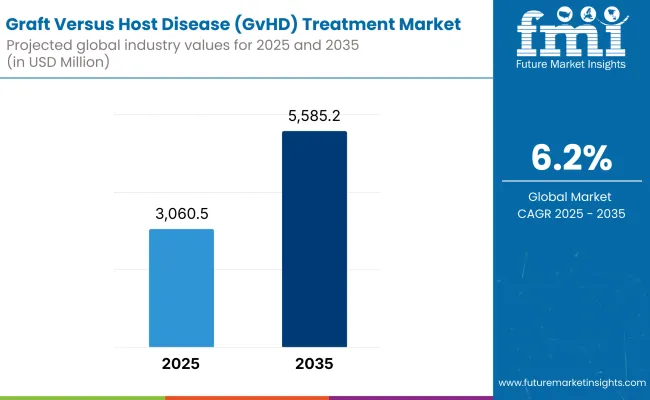
The graft versus host disease (GvHD) treatment market is expected to reach USD 3,060.5 million by 2025 and is expected to steadily grow at a CAGR of 6.2% to reach USD 5,585.2 million by 2035. In 2024, graft versus host disease (GvHD) treatment market have generated roughly USD 2,881.8 million in revenues.
Graft-vs-host disease (GvHD) management encompasses modulating the immune response triggered by donor immune cells against the recipient's tissue after bone marrow transplantation. Growing innovation in therapies such as adoption of JAK inhibitors and cellular therapies anticipate the growth of the market.
The growing acceptance of GvHD treatments is supported by increasing hematologic cancer cases that warrant stem cell transplantations, growing concerns on post-transplant complications, and improved diagnostic modalities for early recognition of cases. The ever-expanding field of immunotherapy and targeted therapy provides more therapeutic options, further promoting its market growth.
The periods between 2020 and 2024, propelled the application of GvHD therapy. The demand for effective GvHD treatment is attributable to increased numbers of allogeneic stem cell transplantations, with the bulk of them for hematopoietic malignancies. This year witnessed new therapies being approved by regulators for ruxolitinib (a JAK inhibitor) specifically indicated for steroid-refractory cases.
The COVID-19 pandemic was another incidence that affected the space in less direct ways, such as bearing on the increased importance of immune modulation/infection control among immunocompromised patients down through the GvHD treatment methodologies. Increase in adoption of these therapies for clinical research activity further anticipated its market growth.
Regional Market Trends
North America
North America, especially the United States, has a well-advanced medical infrastructure, thereby increasing the possibilities of having highly sophisticated treatment procedures and clinical trials available for GvHD. A strong research culture in this region equates to the invention and approval of new therapeutic modalities of JAK inhibitors like ruxolitinib and biologics that have been shown significant treatment outcomes in patients with steroid-refractory GvHD.
Europe
Increase in hematologic malignancies, including leukemias and lymphomas, has led to the heightened use of allogeneic stem cell transplants, leading to increase in demand for effective therapies. These European countries, with long-standing healthcare networks, especially such as Germany and these other countries like France and the UK, with adequate service levels for emerging innovative transplant techniques and follow-up care immediately after transplant, are presenting wider room for innovative GvHD therapy use.
Increased interaction between research institutions, hospitals, and drug manufacturers drive treatment access much further. Increasing awareness among physicians and improving diagnostic tools lead to earlier detection and more personalized treatment initiatives fueling steady patient adoption of GvHD treatments in Europe.
Asia-Pacific
As India joins China, Japan, and South Korea in increasing the number of allogeneic stem cell transplants, the disease pattern shows a rise in hematologic cancers such as leukemia and lymphoma.
Emerging markets have been further enhanced with improved healthcare infrastructures which boost measures and provide access to advanced treatments, adding to the sales growth. Increased clinical study capacity and global consortium financial partnerships with local pharmaceutical industries also facilitate improved acceleration in the region for new therapy launches.
Other factors include increased awareness in healthcare professionals, developments of diagnostic technologies, and government effort in developing cancer-specific management systems, which will also prompt broader adoption and increase sales for GvHD therapies in the Asia Pacific region.
Challenges and Opportunities
Challenges
Limited Effective provided by the First-line therapies of GvHD Hinder its Adoption in the Market
More than half of patients with acute or chronic GvHD are not steroid-responsive, meaning that a certain percentage of people typically have treatment-resistant cases-higher-treat cases. This type of resistance just adds more to the problem in management, as it usually requires second-line and third-line therapies, usually much more expensive and less accessible in different health care systems.
Most of these new therapies can raise serious side effects as well, such as increased risk for infection secondary to immunosuppression. The balance between maximum disease control and avoidance of adverse effects presents an ongoing and fine clinical problem.
Opportunities
Significant Potential to Tailor GvHD Treatments based on Patients' Genetic Profiles Poses new Opportunities in the Market
Personalized medicine increase the chances of GvHD therapies being aligned with the genetic profiles of the patients, immune markers, and affected organ systems by GvHD. They might permit the earlier identification of a select patient population at high risk for development of serious acute GvHD for preemptive treatment strategies to improve outcomes.
In addition, growth in the use of cell-based therapies, such as regulatory T-cell infusions or mesenchymal stem cells, engenders optimism for safe and less toxic immune modulation in comparison to current immunosuppressive agents.
Industry Specific Highlights
Expanding Indication of Targeted Therapies Surges the Growth of the Market
An emerging norm in the graft-versus-host disease (GvHD) therapeutics market is mostly the approval of new indications and regulatory clearances for targeted therapies, especially for JAK inhibitors. Among the most game-changing approvals in the last few years of ruxolitinib by the USA FDA and EMA for steroid-refractory acute GvHD has been this first case of therapies directed toward the JAK-STAT pathway - the major inducer of inflammation in GvHD.
Moreover, a considerable number of pharmaceutical firms are now making attempts toward an indication extension to chronic GvHD along with combinations with other immunomodulators, which makes the market increasingly dynamic and competitive.
Increasing in Investment towards Conducting Clinical Trial Activities Anticipates the Growth of the Market
Increased clinical trial activity and international research collaboration targeting GvHD treatment is yet another industry-specific highlight. Numerous early and late-stage trials would be investigating new agents such as BTK inhibitors, IL-2 receptor agonists, and mesenchymal stem cell therapy for acute and chronic GvHD between 2020 and 2024.
An increasing number of incorporation of pharmaceutical firms, academic centers, and transplant hospitals are united within drug development and to create a strong proof of concept as far as real-world evidence is concerned. In addition, there have also been trials for combination therapies to overcome the limitation of potency by targeting multiple inflammatory pathways simultaneously.
Emerging Trends
Growing Focus on Personalized and Preemptive therapies is an Ongoing Trend in the Market
The growing focus on personalized and preemptive therapies is one of the emerging trends in the graft-versus-host disease market. The historical trend in the management of GvHD included generalized immunosuppression once the symptoms appeared. With advanced biomarker studies, it is now possible to develop risk stratification models on the basis of which transplant recipients would be predicted as likely to acquire severe GvHD.
This allows preemptive intervention before even the clinical manifestation of the disease, with a possibility of preventing the disease altogether. The timely introduction and individualization of care are not only in line with the trend within health care but also attuned to improving patient outcomes while minimizing unnecessary immunosuppression and ensuring maximal long-term success of transplants.
Increasing Exploration of cell-based and Regenerative Therapies is an Emerging Trend in the Market
GvHD treatment has been traditionally reliant on immunosuppressive therapies. However, both mesenchymal stem cells (MSCs) and regulatory T cells (Tregs) have emerged as potential game-changers that modulate immune responses without inducing global immunosuppression. These cell therapies appear promising for steroid-resistant cases of GvHD, especially for those displaying severe organ involvement.
Several biotech firms and research collaborations are now involved in streamlining manufacturing processes, cryopreservation, and delivery systems for these therapies, intending to enhance not only efficacy but also availability. The trend is part of the broader movement toward immune system rebalancing rather than mere immune suppression, promising responses that are more lasting and less problematic-an appealing prospect for clinicians and patients alike.
Brief Market Overview
Increasing allogeneic stem cell transplants for hematologic malignancies and orphan diseases have increased the GvHD treatment market between the years of 2020 and 2024. Milestones include ruxolitinib being approved for use in steroid-refractory acute GvHD and thus increasing treatment options.
The period between 2025 and 2035 will witness very rapid market developments in personalized medicine innovations, cell therapies like regulatory T cells, and predictive tools grounded in artificial intelligence. Further, expanded global access to healthcare and enhanced regulatory backing for new therapies would fuel adoption. The treatment landscape will change markedly with precision therapies targeting specific immune pathways.
Shifts in the Graft Versus Host Disease (GvHD) Treatment Market from 2020 to 2024 and Future Trends (2025 to 2035)
| Category | 2020 to 2024 Trends |
|---|---|
| Regulatory Landscape | Regulatory clearances (FDA, EMA) on ruxolitinib for steroid-refractory acute GvHD, along with more stringent reviews on safety, effectiveness, and long-term results |
| Technological Advancements | The risk stratification and diagnostic tests based on biomarkers progressed for early diagnosis and treatment individualization |
| Consumer Demand | An increase in hematologic malignancies transplant demand also increased cases of GvHD, prompting the need for steroid alternatives and chronic GvHD therapies |
| Market Growth Drivers | Clearance of targeted drugs (JAK inhibitors), an increase in clinical trials, and increase in the number of transplants fueled the growth of the market. |
| Sustainability | The main goal is to improve the stability of drug formulations, reduce manufacturing costs, and facilitate better cold-chain logistics for biologics. |
| Category | 2025 to 2035 Projections |
|---|---|
| Regulatory Landscape | In the year 2035, regulatory agencies are expected to fast-track the approval mechanisms for biologics, cell therapies, and personalized therapies as they globally harmonize guidelines for increased accessibility |
| Technological Advancements | By the year 2035, artificial intelligence-based clinical decision support tools, immune profiling technologies, and gene-editing-derived therapies will increase treatment and predictive care precision |
| Consumer Demand | Future drivers are cell-based therapies (Tregs, MSCs), personalized immunotherapy, and biomarker-guided treatment algorithms. |
| Market Growth Drivers | The increased preference for personalized therapies, along with wider access to innovative therapies in the growth markets, acts as a fuel that ignites demand in future |
| Sustainability | For companies having green packaging, improved supply chain efficiencies, and off-the-shelf cell therapies by the year 2035, there will be a cut in costs |
Counytry -Wise Analysis
United States
Aggressive transplant rates and accelerated approvals for new therapies are generally correlated with the high intensity of clinical trials within the United States and all drive GvHD therapy. Increasingly, the nation moves in the direction of real-world evidence integration and innovative payment models and patient access programs, which will continue to be established specifically for the target therapies and co-therapies in the coming decade.
Market Growth Factors
- Large Volume of Transplants: A large pool of transplants, mostly due to hematologic malignancies, would surely generate patient demand for GvHD treatment.
- Recent Novel-Agent Regulatory Approvals: DEA's fast-track approval of new novel therapeutic agents (i.e. ruxolitinib) will stimulate the entry of more competitors in the market.
- Well-Founded Clinical Trial Terrain: The United States comprises the greatest proportion of clinical trials for GvHD: Most of the significantly innovative developments are in connection with combination therapy and immunomodulators.
- Forward Biomarkers Studies: Biomarkers will drive personalized GvHD therapies, mushrooming therapy adoption with value.
- Payer Support: More reimbursement schemes for more expensive biologics enable patients to access these new treatments.
| Country | CAGR (2025 to 2035) |
|---|---|
| United States | 5.9% |
Germany
Market Outlook
The market for PET scanners in Germany is influenced by the developed healthcare systems of the country, extensive cancer screening programs, and substantial governmental support for nuclear medicine research. Increasing applications of hybrid imaging modalities (PET/CT, PET/MRI) along with an increasing need for personalized therapy for oncology are expected to facilitate a steady growth of the markets until 2035.
Market Growth Factors
- Strong Academic and Clinical Research Network: By means of comprehensive clinical trials infrastructure and sophisticated research facilities in Germany, gvhD therapy innovations can be generated and applied to treatment.
- Growth in number of allogeneic transplants: Allogeneic stem cell transplants have been carried out continually for patients with leukemia and lymphoma, thereby increasing indirectly the incidence and treatment of gvhD.
- Adoption of New Biologics: Inclination of Germany towards newer immunotherapies like JAK inhibitors, as well as cell based treatments, established a ground for market growth.
- Biomarker-Directed Therapy: The enhanced diagnostic tests stratify risks and enable individual action for treatment decisions-raising demand for precise GvHD therapies.
- Public and Private Grants: Strong healthcare expenditure and research grants are instrumental in accelerating access and therapy development.
Market Forecast
| Country | CAGR (2025 to 2035) |
|---|---|
| Germany | 4.1% |
India
Market Outlook
The GvHD treatment market in India is increasing due to the rising number of allogeneic transplants, increased investment in healthcare, and improved awareness among oncologists and transplant physicians. Increasing access to effective biologics and affordable generics would boost penetration into the market; moreover, India's importance as a region in GvHD management is set to increase through medical tourism for specialized hematology treatment by 2035.
Market Growth Factors
- Increase in Transplants: Rise in incidence of cancers and better availability of transplant facilities increases the demand GvHD treatment.
- Extension of Specialty Hospitals: Increasing oncology and transplant hospitals can help raise the rate of GvHD diagnosis and treatment.
- Low-cost Generics and Biologics: The availability of local biosimilar manufacturers caters to the needs of patients, lowering the cost of treatment.
- Awareness and Education: Education of physicians improves the quality of physician knowledge in diagnosis thereby increasing rates of diagnosis.
- Increased Medical Tourism: The cross-border patients looking for the latest but affordable hematologic treatments would go forward for therapy adoption.
Market Forecast
| Country | CAGR (2025 to 2035) |
|---|---|
| India | 5.7% |
China
increasing amounts of cancer transplants done in China, country-sponsored innovation schemes, as well as fast-tracking new biologics and cell-therapy drug approvals. By 2035, the domestic-oriented emphasis on biopharma innovation and incorporation of AI solutions in diagnostics may bring into reality a rapidly transforming and intensely competitive GvHD treatment landscape in China..
Market Growth Drivers
- Increasing Prevalence of Hematologic Cancer: Cancer rates increase as they are pushing allogeneic transplants higher, thus increasing cases of gvhD.
- Growing Government Commitment to Biopharma R&D: Policies favour local drug development in oncology and immunology, strengthening the GvHD pipeline.
- Faster Regulatory Approvals: New therapies are expedited by faster reviews.
- AI and Big Data Integration: AI use for early GvHD diagnosis leads to timely intervention and creates a demand for therapy uptake.
- Modernization of Hospitals: Enhanced diagnostic and treatment capacity is achieved by increased transplant programs in leading hospitals.
| Country | CAGR (2025 to 2035) |
|---|---|
| China | 4.8% |
Japan
Currently, the major driving force behind the GvHD treatment market is advanced research in regenerative medicine, followed by good reimbursement for the transplant treatments, and development in cellular immunotherapy. High emphasis on precision medicine programs, aging population-induced transplants, and collaboration with international research partners would also pave the way for Japan being the regional leader in GvHD innovation by 2035.
Market Growth Drivers
- Aging Population, Cancer Risk: Increasing transplants among the aged cancer patients would boost demands for GvHD treatment.
- Leading in Regenerative Medicine: Further advancements in cell-based immunotherapies (e.g. Treg therapies) accelerate development of novel GvHD therapies.
- Government Paradigm in Emphasizing Precision Medicine: National emphasis on personalized cancer treatment would be a driving force for biomarker-directed GvHD treatment.
- Rigorous Standards of Care: Strict hospital standards ensure early diagnosis and multidisciplinary care of GvHD.
- Multidisciplinary Global Trials: Engaging in global clinical trials opens advanced treatments to Japan early.
| Country | CAGR (2025 to 2035) |
|---|---|
| Japan | 5.3% |
Graft Versus Host Disease (GvHD) Treatment Market Outlook
By Product
The Targeted Action of Monoclonal antibodies aid it to Dominate the market
A full-ring PET scanner is ideal for the market since its imaging characteristics spatial resolution, sensitivity, and speed are superior. Total data acquisition in one rotation is achieved from a full 360-degree view field. It thus becomes the gold standard in oncology, cardiology, and neurology, where precision imaging becomes crucial for diagnosis and treatment planning.
Full-ring scanners enhance hybrid imaging devices like PET/CT and PET/MRI in a manner that optimally enhances overall diagnostic accuracy; hence they find extensive applications in hospitals, research centers, and teaching institutions, further assisting in the cementation of clinical and research areas.
The success of Tyrosine kinase inhibitors (TKIs) aid it hold Substantial Share of the Market
Partial-ring PET scanners are having tremendous growth prospects since they are comparatively affordable, smaller in dimension, and less rigid than full-ring systems. The systems find greater appeal particularly with smaller diagnostic centers, mobile imaging centers, and outpatient clinics since there is pressure on space availability and costs.
Furthermore, increasing use of point-of-care and bedside imaging in rapidly developing countries like China and India is propelling these markets. Their capability of delivering low dose radiation and - local, targeted imaging makes them tailor-made for unique, low volume diagnosis procedures.
By End User
Acute Graft Versus Host Disease (aGvHD) dominates the GvHD Treatment Market Due To Its Higher Incidence Rate
Acute Graft Versus Host Disease (aGvHD) is one of the glaring problems of the GvHD treatment market because of the trend that shows the extent of allogeneic stem cell transplant patients developing aGvHD, estimated to range from an approximately 30% to 50% incidence within the initial 100 days after transplantation. An early and aggressive treatment of a GvHD is particularly because there is higher demand for corticosteroids, monoclonal antibodies, and targeted therapies in cases where this disease suddenly strikes with severe skin rash, derangement of liver function, and gastrointestinal symptoms.
Most of the recent launches, such as ruxolitinib and infliximab, were first introduced into the marketplace for acute GvHD and incited increased interest in the treatment. It also works up hospitalization rates and intensive care needs to increase the size of the market.
Long-term disease burden aid it to grow at a Substantial Growth Rate
Chronic Graft Versus Host Disease (cGvHD) is also substantially greater in terms of share as a long-term chronic incapacity to about 30 to 70% of recipients of transplantation. Hospitalization times bring the highest impact on the cost of treatment due to the consequences of the disease and the need for intensive care. Involvement of many organs in cGvHD consists of multiple modes of therapy which involve steroids, monoclonal antibodies, and targeted agents.
With improving survival after transplantation, increased demands of the increasing population of patients with cGvHD arise. Further, continuous activity for discovering new drugs addressed directly to treatment of the chronic disease further strengthened its importance in the market, especially for outpatient and long-term use.
Competitive Outlook
The PET scanners market is a technological one; competition emanates from the approval of technology, demand for precise diagnostic imaging, demand for better resolution and faster scan times, and hybrid imaging capability (PET/CT, PET/MRI). The race has commenced, especially in the emerging markets, to manufacture small and cost-effective scanners for the outpatient and mobile applications.
Strategic alliances with hospitals, diagnostic laboratories, and research centers are crucial to seize any market share. In addition, vendors are focusing on applying AI for advanced image reconstruction and workflow automation. With the emergence of specialty PET centers, competition rises as vendors strive to provide affordable and performant solutions.
Market Share Analysis by Company
| Company Name | Estimated Market Share (%) |
|---|---|
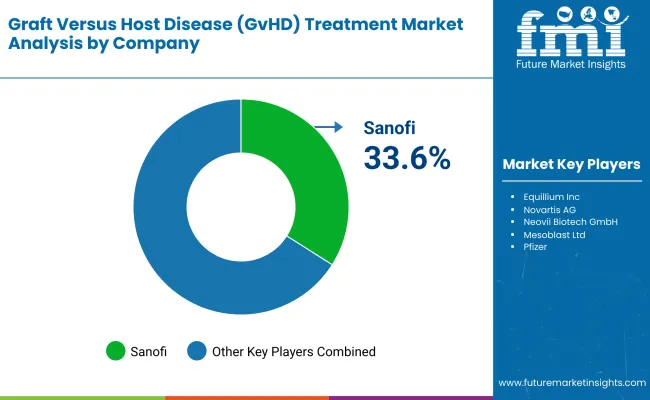
| Sanofi | 33.6% - 38.5% |
| Equillium, Inc. | 20.4% - 22.6% |
| Novartis AG | 50.1% - 17.2% |
| Neovii Biotech GmbH | 4.6% - 6.8% |
| Other Companies (combined) | 12.1% - 15.4% |
Key Company Developments and Activities
| Company Name | Key Offerings/Activities |
|---|---|
| Sanofi | Sanofi is focusing on innovative immunology, that is, development of Thymoglobulin for the prevention of GvHD and next-generation monoclononab development for improved transplant outcomes. |
| Equillium, Inc. | Equillium is breaking new ground with Itolizumab, the first CD6-targeting therapy for acute and chronic GvHD, receiving Fast Track designation from the FDA. |
| Novartis AG | In addition to investigating cell and gene therapies and collaborating on new small molecules and biologics, Novartis strengthens its GvHD portfolio with Jakavi (ruxolitinib) for acute steroid-refractory GvHD. |
| Neovii Biotech GmbH | Neovii extends GvHD treatment with Grafalon (ATG) for prevention for pediatric and mismatched transplant patients, supported by clinical trials on dosing refinements to improve results |
Key Company Insights
Sanofi:
Sanofi is the real player in this respect because it is known for the immunology and the transplant medicine platform. Thymoglobulin, which is the most frequently used antithymocyte globulin to prevent GvHD, is one of its products.
Equillium, Inc.:
Equillium has an inept and immunotherapeutic scheme for acute and chronic GvHD, especially with Itolizumab's. It holds the leading position in T-cell modulation of immune diseases.
Novartis AG:
It is also well known for its small molecules and targeted therapies for GvHD, with Jakavi (ruxolitinib) at the top. And a comprehensive approach to oncology, immunology, and gene therapy stems from worldwide trials and collaborations, converting Novartis into a strong and dominant player in innovations related to the treatment of GvHD.
Other Key Players
Beyond the leading companies, several other manufacturers contribute significantly to the market, enhancing product diversity and technological advancements. They include:
- Merck & Co.
- Astellas Pharma Inc.
- Soligenix, Inc.
- Mesoblast Ltd
- Pfizer
- Takeda Pharmaceutical
- Abbott
Key Segments
By Product:
Monoclonal antibodies, mTOR inhibitors, Tyrosine kinase inhibitors, Thalidomide and Etanercept
By Disease:
Acute Graft Versus Host Disease (aGvHD) and Chronic Graft Versus Host Disease (cGvHD)
Frequently Asked Questions
What was the overall size of the Graft Versus Host Disease (GvHD) Treatment Market in 2025?
The overall market size for graft versus host disease (GvHD) treatment market was USD 3,060.5 million in 2025.
How big is the Graft Versus Host Disease (GvHD) Treatment Market expected in 2035?
The graft versus host disease (GvHD) treatment market is expected to reach USD 5,585.2 million in 2035.
What will drive the demand for Graft Versus Host Disease (GvHD) Treatment Market during the forecast period?
Rising prevalence of acute graft versus host disease (aGvHD) anticipates the growth of the market.
List the top 5 Key players of the Graft Versus Host Disease (GvHD) Treatment Market?
The top key players that drives the development of graft versus host disease (GvHD) treatment market are Sanofi, Equillium, Inc., Novartis AG, Neovii Biotech GmbH and Merck & Co.
Which segment in product is expected to lead in Graft Versus Host Disease (GvHD) Treatment Market?
Monoclonal antibodies segment by product is expected to dominate the market during the forecast period.
Table of Content
- Executive Summary
- Industry Introduction, including Taxonomy and Market Definition
- Market Trends and Success Factors, including Macro-economic Factors, Market Dynamics, and Recent Industry Developments
- Global Market Demand (Value in USD) Analysis 2020 to 2024 and Forecast 2025 to 2035, including Historical Analysis and Future Projections
- Global Market Analysis 2020 to 2024 and Forecast 2025 to 2035
- By Product
- By Disease
- By Region
- Global Market Analysis 2020 to 2024 and Forecast 2025 to 2035, by Product
- Monoclonal Antibodies
- mTOR Inhibitors
- Tyrosine Kinase Inhibitors
- Thalidomide
- Etanercept
- Global Market Analysis 2020 to 2024 and Forecast 2025 to 2035, by Disease
- Acute Graft Versus Host Disease (aGvHD)
- Chronic Graft Versus Host Disease (cGvHD)
- Global Market Analysis 2020 to 2024 and Forecast 2025 to 2035, by Region
- North America
- Latin America
- East Asia
- South Asia and Pacific
- Western Europe
- Eastern Europe
- Middle East and Africa
- North America Sales Analysis 2020 to 2024 and Forecast 2025 to 2035, by Key Segments and Countries
- Latin America Sales Analysis 2020 to 2024 and Forecast 2025 to 2035, by Key Segments and Countries
- East Asia Sales Analysis 2020 to 2024 and Forecast 2025 to 2035, by Key Segments and Countries
- South Asia & Pacific Sales Analysis 2020 to 2024 and Forecast 2025 to 2035, by Key Segments and Countries
- Western Europe Sales Analysis 2020 to 2024 and Forecast 2025 to 2035, by Key Segments and Countries
- Eastern Europe Sales Analysis 2020 to 2024 and Forecast 2025 to 2035, by Key Segments and Countries
- Middle East and Africa Sales Analysis 2020 to 2024 and Forecast 2025 to 2035, by Key Segments and Countries
- Sales Forecast 2025 to 2035 by Product and Disease for 30 Countries
- Competition Outlook, including Market Structure Analysis, Company Share Analysis by Key Players, and Competition Dashboard
- Company Profile
- Sanofi
- Equillium, Inc.
- Novartis AG
- Neovii Biotech GmbH
- Merck & Co.
- Astellas Pharma Inc.
- Soligenix, Inc.
- Mesoblast Ltd
- Pfizer
- Takeda Pharmaceutical
- Abbott
- Others
List of Tables
Table 1: Global Market Value (US$ Million) Forecast by Region, 2018 to 2033
Table 2: Global Market Value (US$ Million) Forecast by Product, 2018 to 2033
Table 3: Global Market Value (US$ Million) Forecast by Disease, 2018 to 2033
Table 4: North America Market Value (US$ Million) Forecast by Country, 2018 to 2033
Table 5: North America Market Value (US$ Million) Forecast by Product, 2018 to 2033
Table 6: North America Market Value (US$ Million) Forecast by Disease, 2018 to 2033
Table 7: Latin America Market Value (US$ Million) Forecast by Country, 2018 to 2033
Table 8: Latin America Market Value (US$ Million) Forecast by Product, 2018 to 2033
Table 9: Latin America Market Value (US$ Million) Forecast by Disease, 2018 to 2033
Table 10: Western Europe Market Value (US$ Million) Forecast by Country, 2018 to 2033
Table 11: Western Europe Market Value (US$ Million) Forecast by Product, 2018 to 2033
Table 12: Western Europe Market Value (US$ Million) Forecast by Disease, 2018 to 2033
Table 13: Eastern Europe Market Value (US$ Million) Forecast by Country, 2018 to 2033
Table 14: Eastern Europe Market Value (US$ Million) Forecast by Product, 2018 to 2033
Table 15: Eastern Europe Market Value (US$ Million) Forecast by Disease, 2018 to 2033
Table 16: South Asia and Pacific Market Value (US$ Million) Forecast by Country, 2018 to 2033
Table 17: South Asia and Pacific Market Value (US$ Million) Forecast by Product, 2018 to 2033
Table 18: South Asia and Pacific Market Value (US$ Million) Forecast by Disease, 2018 to 2033
Table 19: East Asia Market Value (US$ Million) Forecast by Country, 2018 to 2033
Table 20: East Asia Market Value (US$ Million) Forecast by Product, 2018 to 2033
Table 21: East Asia Market Value (US$ Million) Forecast by Disease, 2018 to 2033
Table 22: Middle East and Africa Market Value (US$ Million) Forecast by Country, 2018 to 2033
Table 23: Middle East and Africa Market Value (US$ Million) Forecast by Product, 2018 to 2033
Table 24: Middle East and Africa Market Value (US$ Million) Forecast by Disease, 2018 to 2033
List of Figures
Figure 1: Global Market Value (US$ Million) by Product, 2023 to 2033
Figure 2: Global Market Value (US$ Million) by Disease, 2023 to 2033
Figure 3: Global Market Value (US$ Million) by Region, 2023 to 2033
Figure 4: Global Market Value (US$ Million) Analysis by Region, 2018 to 2033
Figure 5: Global Market Value Share (%) and BPS Analysis by Region, 2023 to 2033
Figure 6: Global Market Y-o-Y Growth (%) Projections by Region, 2023 to 2033
Figure 7: Global Market Value (US$ Million) Analysis by Product, 2018 to 2033
Figure 8: Global Market Value Share (%) and BPS Analysis by Product, 2023 to 2033
Figure 9: Global Market Y-o-Y Growth (%) Projections by Product, 2023 to 2033
Figure 10: Global Market Value (US$ Million) Analysis by Disease, 2018 to 2033
Figure 11: Global Market Value Share (%) and BPS Analysis by Disease, 2023 to 2033
Figure 12: Global Market Y-o-Y Growth (%) Projections by Disease, 2023 to 2033
Figure 13: Global Market Attractiveness by Product, 2023 to 2033
Figure 14: Global Market Attractiveness by Disease, 2023 to 2033
Figure 15: Global Market Attractiveness by Region, 2023 to 2033
Figure 16: North America Market Value (US$ Million) by Product, 2023 to 2033
Figure 17: North America Market Value (US$ Million) by Disease, 2023 to 2033
Figure 18: North America Market Value (US$ Million) by Country, 2023 to 2033
Figure 19: North America Market Value (US$ Million) Analysis by Country, 2018 to 2033
Figure 20: North America Market Value Share (%) and BPS Analysis by Country, 2023 to 2033
Figure 21: North America Market Y-o-Y Growth (%) Projections by Country, 2023 to 2033
Figure 22: North America Market Value (US$ Million) Analysis by Product, 2018 to 2033
Figure 23: North America Market Value Share (%) and BPS Analysis by Product, 2023 to 2033
Figure 24: North America Market Y-o-Y Growth (%) Projections by Product, 2023 to 2033
Figure 25: North America Market Value (US$ Million) Analysis by Disease, 2018 to 2033
Figure 26: North America Market Value Share (%) and BPS Analysis by Disease, 2023 to 2033
Figure 27: North America Market Y-o-Y Growth (%) Projections by Disease, 2023 to 2033
Figure 28: North America Market Attractiveness by Product, 2023 to 2033
Figure 29: North America Market Attractiveness by Disease, 2023 to 2033
Figure 30: North America Market Attractiveness by Country, 2023 to 2033
Figure 31: Latin America Market Value (US$ Million) by Product, 2023 to 2033
Figure 32: Latin America Market Value (US$ Million) by Disease, 2023 to 2033
Figure 33: Latin America Market Value (US$ Million) by Country, 2023 to 2033
Figure 34: Latin America Market Value (US$ Million) Analysis by Country, 2018 to 2033
Figure 35: Latin America Market Value Share (%) and BPS Analysis by Country, 2023 to 2033
Figure 36: Latin America Market Y-o-Y Growth (%) Projections by Country, 2023 to 2033
Figure 37: Latin America Market Value (US$ Million) Analysis by Product, 2018 to 2033
Figure 38: Latin America Market Value Share (%) and BPS Analysis by Product, 2023 to 2033
Figure 39: Latin America Market Y-o-Y Growth (%) Projections by Product, 2023 to 2033
Figure 40: Latin America Market Value (US$ Million) Analysis by Disease, 2018 to 2033
Figure 41: Latin America Market Value Share (%) and BPS Analysis by Disease, 2023 to 2033
Figure 42: Latin America Market Y-o-Y Growth (%) Projections by Disease, 2023 to 2033
Figure 43: Latin America Market Attractiveness by Product, 2023 to 2033
Figure 44: Latin America Market Attractiveness by Disease, 2023 to 2033
Figure 45: Latin America Market Attractiveness by Country, 2023 to 2033
Figure 46: Western Europe Market Value (US$ Million) by Product, 2023 to 2033
Figure 47: Western Europe Market Value (US$ Million) by Disease, 2023 to 2033
Figure 48: Western Europe Market Value (US$ Million) by Country, 2023 to 2033
Figure 49: Western Europe Market Value (US$ Million) Analysis by Country, 2018 to 2033
Figure 50: Western Europe Market Value Share (%) and BPS Analysis by Country, 2023 to 2033
Figure 51: Western Europe Market Y-o-Y Growth (%) Projections by Country, 2023 to 2033
Figure 52: Western Europe Market Value (US$ Million) Analysis by Product, 2018 to 2033
Figure 53: Western Europe Market Value Share (%) and BPS Analysis by Product, 2023 to 2033
Figure 54: Western Europe Market Y-o-Y Growth (%) Projections by Product, 2023 to 2033
Figure 55: Western Europe Market Value (US$ Million) Analysis by Disease, 2018 to 2033
Figure 56: Western Europe Market Value Share (%) and BPS Analysis by Disease, 2023 to 2033
Figure 57: Western Europe Market Y-o-Y Growth (%) Projections by Disease, 2023 to 2033
Figure 58: Western Europe Market Attractiveness by Product, 2023 to 2033
Figure 59: Western Europe Market Attractiveness by Disease, 2023 to 2033
Figure 60: Western Europe Market Attractiveness by Country, 2023 to 2033
Figure 61: Eastern Europe Market Value (US$ Million) by Product, 2023 to 2033
Figure 62: Eastern Europe Market Value (US$ Million) by Disease, 2023 to 2033
Figure 63: Eastern Europe Market Value (US$ Million) by Country, 2023 to 2033
Figure 64: Eastern Europe Market Value (US$ Million) Analysis by Country, 2018 to 2033
Figure 65: Eastern Europe Market Value Share (%) and BPS Analysis by Country, 2023 to 2033
Figure 66: Eastern Europe Market Y-o-Y Growth (%) Projections by Country, 2023 to 2033
Figure 67: Eastern Europe Market Value (US$ Million) Analysis by Product, 2018 to 2033
Figure 68: Eastern Europe Market Value Share (%) and BPS Analysis by Product, 2023 to 2033
Figure 69: Eastern Europe Market Y-o-Y Growth (%) Projections by Product, 2023 to 2033
Figure 70: Eastern Europe Market Value (US$ Million) Analysis by Disease, 2018 to 2033
Figure 71: Eastern Europe Market Value Share (%) and BPS Analysis by Disease, 2023 to 2033
Figure 72: Eastern Europe Market Y-o-Y Growth (%) Projections by Disease, 2023 to 2033
Figure 73: Eastern Europe Market Attractiveness by Product, 2023 to 2033
Figure 74: Eastern Europe Market Attractiveness by Disease, 2023 to 2033
Figure 75: Eastern Europe Market Attractiveness by Country, 2023 to 2033
Figure 76: South Asia and Pacific Market Value (US$ Million) by Product, 2023 to 2033
Figure 77: South Asia and Pacific Market Value (US$ Million) by Disease, 2023 to 2033
Figure 78: South Asia and Pacific Market Value (US$ Million) by Country, 2023 to 2033
Figure 79: South Asia and Pacific Market Value (US$ Million) Analysis by Country, 2018 to 2033
Figure 80: South Asia and Pacific Market Value Share (%) and BPS Analysis by Country, 2023 to 2033
Figure 81: South Asia and Pacific Market Y-o-Y Growth (%) Projections by Country, 2023 to 2033
Figure 82: South Asia and Pacific Market Value (US$ Million) Analysis by Product, 2018 to 2033
Figure 83: South Asia and Pacific Market Value Share (%) and BPS Analysis by Product, 2023 to 2033
Figure 84: South Asia and Pacific Market Y-o-Y Growth (%) Projections by Product, 2023 to 2033
Figure 85: South Asia and Pacific Market Value (US$ Million) Analysis by Disease, 2018 to 2033
Figure 86: South Asia and Pacific Market Value Share (%) and BPS Analysis by Disease, 2023 to 2033
Figure 87: South Asia and Pacific Market Y-o-Y Growth (%) Projections by Disease, 2023 to 2033
Figure 88: South Asia and Pacific Market Attractiveness by Product, 2023 to 2033
Figure 89: South Asia and Pacific Market Attractiveness by Disease, 2023 to 2033
Figure 90: South Asia and Pacific Market Attractiveness by Country, 2023 to 2033
Figure 91: East Asia Market Value (US$ Million) by Product, 2023 to 2033
Figure 92: East Asia Market Value (US$ Million) by Disease, 2023 to 2033
Figure 93: East Asia Market Value (US$ Million) by Country, 2023 to 2033
Figure 94: East Asia Market Value (US$ Million) Analysis by Country, 2018 to 2033
Figure 95: East Asia Market Value Share (%) and BPS Analysis by Country, 2023 to 2033
Figure 96: East Asia Market Y-o-Y Growth (%) Projections by Country, 2023 to 2033
Figure 97: East Asia Market Value (US$ Million) Analysis by Product, 2018 to 2033
Figure 98: East Asia Market Value Share (%) and BPS Analysis by Product, 2023 to 2033
Figure 99: East Asia Market Y-o-Y Growth (%) Projections by Product, 2023 to 2033
Figure 100: East Asia Market Value (US$ Million) Analysis by Disease, 2018 to 2033
Figure 101: East Asia Market Value Share (%) and BPS Analysis by Disease, 2023 to 2033
Figure 102: East Asia Market Y-o-Y Growth (%) Projections by Disease, 2023 to 2033
Figure 103: East Asia Market Attractiveness by Product, 2023 to 2033
Figure 104: East Asia Market Attractiveness by Disease, 2023 to 2033
Figure 105: East Asia Market Attractiveness by Country, 2023 to 2033
Figure 106: Middle East and Africa Market Value (US$ Million) by Product, 2023 to 2033
Figure 107: Middle East and Africa Market Value (US$ Million) by Disease, 2023 to 2033
Figure 108: Middle East and Africa Market Value (US$ Million) by Country, 2023 to 2033
Figure 109: Middle East and Africa Market Value (US$ Million) Analysis by Country, 2018 to 2033
Figure 110: Middle East and Africa Market Value Share (%) and BPS Analysis by Country, 2023 to 2033
Figure 111: Middle East and Africa Market Y-o-Y Growth (%) Projections by Country, 2023 to 2033
Figure 112: Middle East and Africa Market Value (US$ Million) Analysis by Product, 2018 to 2033
Figure 113: Middle East and Africa Market Value Share (%) and BPS Analysis by Product, 2023 to 2033
Figure 114: Middle East and Africa Market Y-o-Y Growth (%) Projections by Product, 2023 to 2033
Figure 115: Middle East and Africa Market Value (US$ Million) Analysis by Disease, 2018 to 2033
Figure 116: Middle East and Africa Market Value Share (%) and BPS Analysis by Disease, 2023 to 2033
Figure 117: Middle East and Africa Market Y-o-Y Growth (%) Projections by Disease, 2023 to 2033
Figure 118: Middle East and Africa Market Attractiveness by Product, 2023 to 2033
Figure 119: Middle East and Africa Market Attractiveness by Disease, 2023 to 2033
Figure 120: Middle East and Africa Market Attractiveness by Country, 2023 to 2033


