

- Industry Size (2025)
- USD 0.6 Bn
- Forecast (2035)
- USD 1.0 Bn
- CAGR (2025 to 2035)
- 4.9%
Demand for Autosomal Dominant Polycystic Kidney Disease Treatment in USA Forecast and Outlook (2025–2035)
The demand for autosomal dominant polycystic kidney disease (ADPKD) treatment in the USA is expected to grow from USD 0.6 billion in 2025 to USD 1.0 billion by 2035, reflecting a compound annual growth rate (CAGR) of 4.9%. ADPKD, a genetic disorder characterized by the growth of cysts in the kidneys, often leads to kidney failure. Treatment options for ADPKD are evolving, with new therapies and management approaches improving the prognosis for affected individuals. The increasing prevalence of the disease, along with advancements in treatment options, will continue to drive market growth over the forecast period.
The market will experience steady growth, starting at USD 0.6 billion in 2025 and rising to USD 0.7 billion in 2026, and USD 0.7 billion in 2027. By 2028, the demand for ADPKD treatment will increase to USD 0.8 billion, continuing to rise each year. By 2035, the market is projected to reach USD 1.0 billion, driven by the development of new drugs, increasing awareness, and more effective treatments for managing the progression of the disease.
Quick Stats of the Demand for Autosomal Dominant Polycystic Kidney Disease Treatment in USA
- Demand for Autosomal Dominant Polycystic Kidney Disease Treatment in USA Value (2025): USD 0.6 billion
- Demand for Autosomal Dominant Polycystic Kidney Disease Treatment in USA Forecast Value (2035): USD 1.0 billion
- Demand for Autosomal Dominant Polycystic Kidney Disease Treatment in USA Forecast CAGR (2025-2035): 4.9%
- Demand for Autosomal Dominant Polycystic Kidney Disease Treatment in USA End User: 54% Hospitals
- Demand for Autosomal Dominant Polycystic Kidney Disease Treatment in USA Key Growth Regions: West USA, South USA, Northeast USA, Midwest USA
- Demand for Autosomal Dominant Polycystic Kidney Disease Treatment in USA Key Players: Otsuka Pharmaceutical Co., Ltd., Regulus Therapeutics Inc., Reata Pharmaceuticals, Sanofi, Galapagos NV
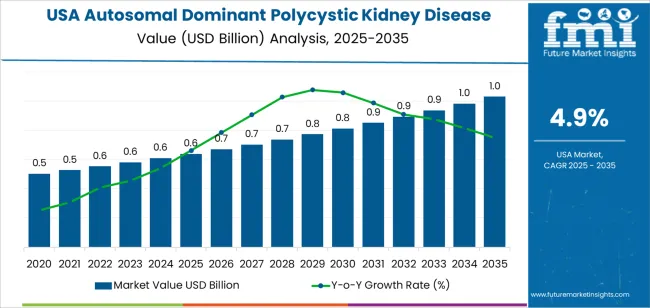
What is the Growth Forecast for the Autosomal Dominant Polycystic Kidney Disease Treatment Industry in USA through 2035?
The market share erosion or gain analysis for ADPKD treatment reveals a steady expansion of market share as new therapies and drugs are introduced. In the early years (2025-2029), the market will experience a consistent increase in demand, with incremental annual growth. This steady increase is driven by ongoing advancements in the understanding of the disease and improvements in treatment options. As new treatments become available, they are expected to capture an increasing share of the market, contributing to market share gain.
However, the market share gain is not expected to be uniform across all existing therapies, as some treatments may face competition from newer, more effective drugs. Older treatments that lack innovation may experience market share erosion as they are gradually replaced by more effective alternatives. The late years of the forecast period (2029-2035) will see a continuation of this trend, with new drugs for ADPKD continuing to gain market share, leading to gradual erosion of market share for less effective therapies.
USA Autosomal Dominant Polycystic Kidney Disease Treatment Industry Key Takeaways
| Metric | Value |
|---|---|
| Industry Sales Value (2025) | USD 0.6 billion |
| Industry Forecast Value (2035) | USD 1 billion |
| Industry Forecast CAGR (2025-2035) | 4.9% |
Why is the Demand for Autosomal Dominant Polycystic Kidney Disease (ADPKD) Treatment in USA Growing?
Demand for ADPKD treatment in the USA is rising because diagnosed prevalence continues to increase as clinical data and screening improve. ADPKD remains the most common inherited kidney disorder, and more individuals are being diagnosed with the condition earlier. As early detection becomes more common, the focus is shifting toward disease management and slowing progression, rather than just treating complications at later stages. The increasing awareness of the disease, along with better diagnostic capabilities, supports the rising demand for treatments.
At the same time, the therapeutic landscape for ADPKD is evolving, with new treatments becoming available. A drug that helps slow the growth of cysts and preserve kidney function is now being used to manage the disease in patients at risk of rapid progression. As research advances, new treatments and alternative therapies are being explored, raising hope for improved long term outcomes. Growing emphasis on early intervention, regular monitoring, and lifestyle changes as part of comprehensive care also expands the market for ADPKD treatment. The combination of rising diagnosed prevalence, expanding treatment options, and a focus on preventing disease progression suggests that demand for ADPKD treatment in the USA will continue to grow in the coming years.
What Is the Current State of the Demand for Autosomal Dominant Polycystic Kidney Disease Treatment in the USA in Terms of Treatment Type and End User?
The demand for autosomal dominant polycystic kidney disease (ADPKD) treatment in the USA is driven by treatment type and end user. The leading treatment type is kidney failure treatment, accounting for 38% of the market share, while hospitals dominate the end-user segment, capturing 54% of the demand. ADPKD is a genetic disorder that leads to the formation of cysts in the kidneys, which can eventually result in kidney failure. The treatment landscape for ADPKD focuses on managing symptoms, preventing kidney failure, and improving the quality of life for affected individuals. As the prevalence of ADPKD continues to rise, so does the demand for specialized treatments, particularly in hospital settings.
How Is Kidney Failure Treatment Leading the Demand for Autosomal Dominant Polycystic Kidney Disease Treatment in the USA?
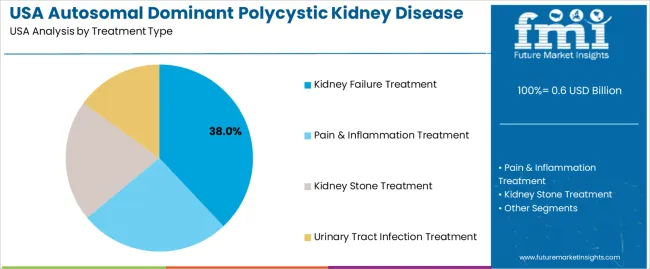
Kidney failure treatment leads the demand for ADPKD treatment in the USA, holding 38% of the market share. Kidney failure is the most severe complication of ADPKD, and as the disease progresses, patients may require dialysis or a kidney transplant to manage the loss of kidney function. The demand for kidney failure treatments is driven by the need for life-saving interventions for patients with end-stage renal disease (ESRD), a common outcome of ADPKD. Kidney failure treatments focus on managing fluid balance, removing waste products from the blood, and alleviating symptoms associated with kidney dysfunction.
The increasing prevalence of kidney failure due to ADPKD, coupled with advancements in dialysis and kidney transplant options, continues to drive the demand for kidney failure treatment. Hospitals and healthcare providers are focused on offering patients comprehensive care for managing kidney failure, which includes not only dialysis but also pre-transplantation care and post-transplant monitoring. As the number of ADPKD patients requiring kidney failure treatment grows, the demand for effective and timely kidney failure treatments will continue to lead the ADPKD treatment market in the USA.
How Are Hospitals Leading the End-User Demand for Autosomal Dominant Polycystic Kidney Disease Treatment in the USA?
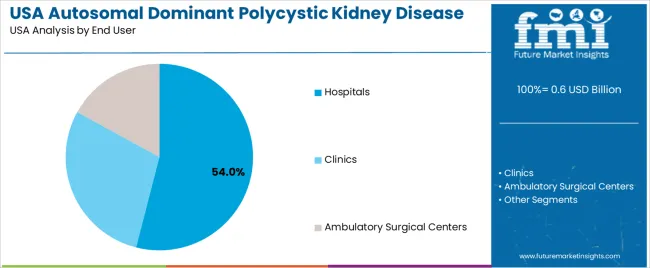
Hospitals lead the end-user demand for ADPKD treatment in the USA, capturing 54% of the market share. Hospitals are critical in managing the complex care required by ADPKD patients, especially those with advanced stages of kidney disease. Hospitals provide a range of services, from routine monitoring and management of kidney function to dialysis and kidney transplants, making them the central healthcare provider for individuals with ADPKD. In these settings, patients can access specialized nephrology care, diagnostic tests, and emergency treatments that are essential for managing the progression of the disease.
The demand for ADPKD treatment in hospitals is driven by the need for acute care, particularly for patients who develop complications like kidney failure, infections, and hypertension. Hospitals offer the necessary infrastructure, specialized medical professionals, and advanced treatments required for managing severe cases of ADPKD. As the burden of kidney disease continues to grow in the USA, hospitals will remain the leading end-user segment for ADPKD treatments, providing essential care for patients at various stages of the disease.
What is the Summary of Demand for Autosomal Dominant Polycystic Kidney Disease Treatment in the USA?
Demand for treatment of Autosomal Dominant Polycystic Kidney Disease (ADPKD) in the USA is increasing as awareness of the disease and diagnostic capabilities improve. ADPKD is a hereditary condition that can lead to kidney failure. As more people are diagnosed and the prevalence of chronic kidney disease rises, there is a growing need for effective treatment options. Advances in targeted therapies and a focus on early detection are contributing to the expansion of the treatment market, with increasing demand for therapies that slow disease progression and manage symptoms.
What are the Drivers of Demand for ADPKD Treatment in the USA?
Demand for ADPKD treatment is driven by several factors. The increasing prevalence of kidney disease and the growing number of diagnoses, particularly with early detection through genetic screening, contribute significantly. As more patients are identified, there is a greater need for treatments to manage disease progression. Additionally, the availability of new therapies that target the underlying mechanisms of the disease has expanded treatment options, encouraging more people to seek care. The rise in patient awareness and improved healthcare access, combined with a focus on maintaining kidney function and preventing end-stage renal disease, further drives demand.
What are the Restraints on Demand for ADPKD Treatment in the USA?
Despite growth, there are some restraints on ADPKD treatment. The limited availability of approved treatment options means that many patients still face limited choices, which can hinder treatment adoption. Cost is also a major factor, as therapies can be expensive, limiting access for those without sufficient insurance coverage. Furthermore, the slow progression of the disease in many patients means that treatment may not be sought until later stages, leading to under-treatment. The safety concerns associated with some therapies and potential side effects also deter both patients and healthcare providers from pursuing aggressive treatment options.
What are the Key Trends Influencing Demand for ADPKD Treatment in the USA?
Key trends influencing demand for ADPKD treatment include a growing focus on early detection through genetic screening, which helps identify patients before symptoms become severe. The development of new treatments targeting disease progression is expected to increase demand, as these therapies offer more effective management of the condition. Additionally, there is a rising emphasis on managing ADPKD over the long term, which includes both medical treatments and lifestyle adjustments. Improved access to healthcare, increasing patient advocacy, and the expanding recognition of ADPKD as a significant health concern will continue to drive demand for treatment.
What is the Regional Demand Outlook for Autosomal Dominant Polycystic Kidney Disease (ADPKD) Treatment in the USA?
The demand for treatment of ADPKD in the USA is expected to rise across all regions, with the West USA showing the highest projected CAGR at 5.6%. The South USA follows with a 5.0% CAGR, the Northeast USA at 4.5%, and the Midwest USA at 3.9%. These regional differences reflect variations in diagnosed patient populations, healthcare infrastructure, access to nephrology services, and adoption of emerging therapies and monitoring for kidney disease.
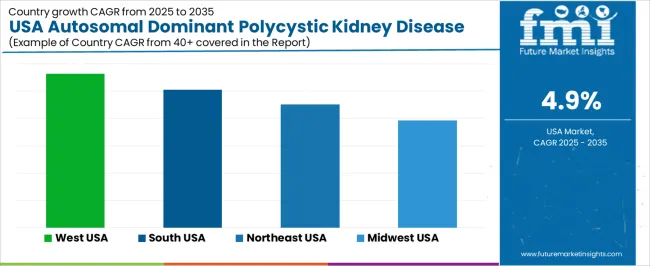
| Region | CAGR (%) |
|---|---|
| West USA | 5.6 |
| South USA | 5.0 |
| Northeast USA | 4.5 |
| Midwest USA | 3.9 |
What supports growing demand for ADPKD treatment in the West USA?
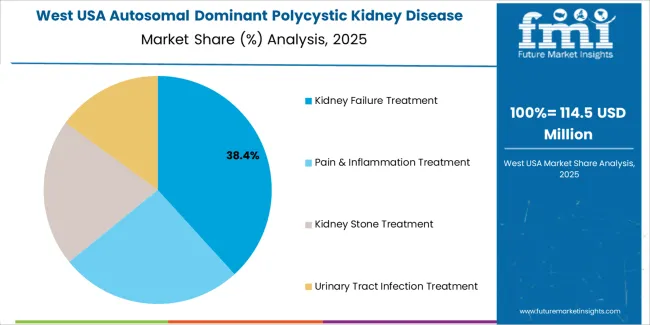
In the West USA, the projected 5.6% CAGR for ADPKD treatment may be driven by several factors. The region has growing healthcare infrastructure and increasing awareness of kidney diseases among patients and clinicians. As genetic testing and diagnostic imaging become more accessible, more cases of ADPKD are identified before advanced kidney failure. Early diagnosis enables the use of therapies aimed at slowing cyst growth, managing hypertension, and preserving kidney function. Additionally, demographic shifts and migration might increase the number of patients requiring care. As individuals diagnosed earlier enter long term care, demand for chronic management including medications, monitoring, and supportive treatment rises. This supports a relatively high rate of growth in treatment demand in the West USA.
Why is demand rising for ADPKD treatment in the South USA?
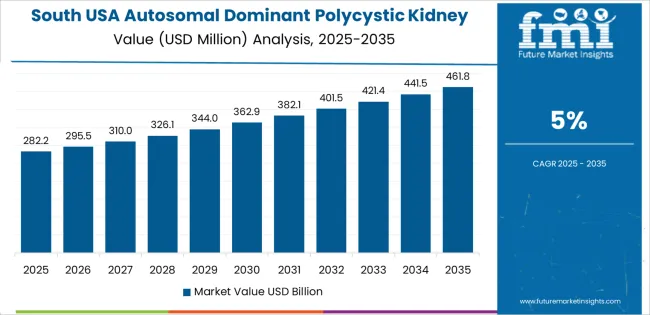
In the South USA the forecast 5.0% CAGR reflects a gradually growing diagnosed population and increased adoption of disease management protocols. The South has a mix of urban and rural areas where access to nephrology care is expanding. As physicians become more aware of ADPKD’s progressive nature and as new therapies and guidelines gain acceptance, more patients begin long term treatment and monitoring. Moreover, health care payers and systems may increasingly support early intervention, which helps reduce downstream costs related to end stage renal disease. Growing patient awareness, screening, and diagnostic improvements contribute to consistent growth in treatment demand in the South.
What drives demand for ADPKD treatment in the Northeast USA?
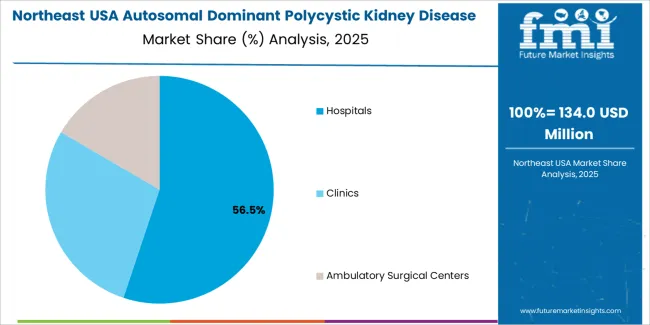
In the Northeast USA, the estimated 4.5% CAGR reflects continued demand from a population with historically higher rates of diagnosed ADPKD. Many patients in this region present during middle age with hypertension, kidney function decline, or cyst complications. As research advances and newer therapies emerge (e.g. drugs that slow cyst growth), more patients opt for long-term management rather than waiting for advanced kidney failure. Healthcare networks and specialists in urban centers provide access to such treatments and regular monitoring. In addition, as standard of care evolves to include early detection and intervention, demand for ADPKD treatment and follow up services grows steadily.
How is demand evolving for ADPKD treatment in the Midwest USA?
In the Midwest USA, the projected 3.9% CAGR indicates a more gradual increase in treatment demand. Prevalence of diagnosed ADPKD is lower compared to some other regions, and rural areas may have limited access to specialists. As a result, diagnosis may occur later, which delays entry into treatment pathways. Still, as awareness of the disease increases and as healthcare providers screen at-risk individuals (e.g. family members of known patients), more cases are being identified. Use of existing therapies and supportive care for kidney function, blood pressure control, and monitoring is growing. The need for long term treatment and management supports a steady but slower increase in demand for ADPKD treatment across the Midwest.
What is the Competitive Landscape for the Autosomal Dominant Polycystic Kidney Disease (ADPKD) Treatment Market in the USA?
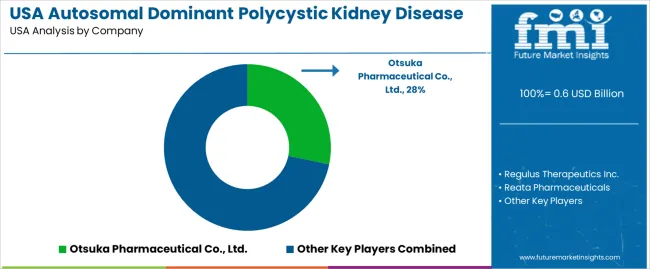
The ADPKD treatment market in the USA remains centred on a few established medicines and a growing pipeline of novel therapies. Otsuka Pharmaceutical Co., Ltd. holds a substantial portion of the market, with about 28.2% share, thanks to its drug Tolvaptan, which remains the only broadly approved therapy that slows cyst growth and kidney function decline in ADPKD patients. Other companies - Regulus Therapeutics Inc., Reata Pharmaceuticals, Sanofi, and Galapagos NV - are involved in research to expand treatment options beyond vasopressin antagonist therapy, though their approved therapies remain limited.
Competition among these firms increasingly hinges on innovation, mechanism of action, tolerability, and potential to modify underlying disease progression rather than only disease symptoms. Regulus is developing an investigational oligonucleotide therapy designed to inhibit microRNA 17, aiming to reduce cyst formation and kidney enlargement. Reata is advancing a small molecule therapy targeting oxidative stress pathways, and Galapagos is exploring alternative molecular targets to slow cyst growth. Sanofi has explored kinase inhibitors in ADPKD through prior collaborations, though clinical outcomes remain uncertain. Firms emphasise potential benefits such as reduced kidney volume, slower functional decline, improved safety profile compared to Tolvaptan, and broader eligibility among patients. The market remains dynamic as pipeline candidates advance, regulatory frameworks evolve, and patient demand grows for safer, more effective long term treatments.
Key Players of the Autosomal Dominant Polycystic Kidney Disease Treatment Industry in USA
- Otsuka Pharmaceutical Co., Ltd.
- Regulus Therapeutics Inc.
- Reata Pharmaceuticals
- Sanofi
- Galapagos NV
Scope of the Report
| Items | Details |
|---|---|
| Quantitative Units | USD Billion |
| Regions Covered | USA |
| Treatment Type | Kidney Failure Treatment, Pain & Inflammation Treatment, Kidney Stone Treatment, Urinary Tract Infection Treatment |
| End-User | Hospitals, Clinics, Ambulatory Surgical Centers |
| Key Companies Profiled | Otsuka Pharmaceutical Co., Ltd., Regulus Therapeutics Inc., Reata Pharmaceuticals, Sanofi, Galapagos NV |
| Additional Attributes | Dollar sales by treatment type and end-user highlight strong demand for kidney failure and pain/inflammation treatments in the management of Autosomal Dominant Polycystic Kidney Disease. Hospitals and clinics are the primary end-users, with increasing adoption of specialized therapies in ambulatory surgical centers. Leading companies like Otsuka Pharmaceutical, Sanofi, and Reata Pharmaceuticals are pivotal in providing advanced treatments. The market is expected to grow as more targeted therapies for the condition are developed, with a focus on improving patient outcomes. |
Key Segments in the Demand for Autosomal Dominant Polycystic Kidney Disease Treatment in the USA
Treatment Type:
- Kidney Failure Treatment
- Pain & Inflammation Treatment
- Kidney Stone Treatment
- Urinary Tract Infection Treatment
End User:
- Hospitals
- Clinics
- Ambulatory Surgical Centers
Region:
- Northeast USA
- West USA
- Midwest USA
- South USA
Frequently Asked Questions
How big is the demand for autosomal dominant polycystic kidney disease treatment in USA in 2025?
The demand for autosomal dominant polycystic kidney disease treatment in USA is estimated to be valued at USD 0.6 billion in 2025.
What will be the size of autosomal dominant polycystic kidney disease treatment in USA in 2035?
The market size for the autosomal dominant polycystic kidney disease treatment in USA is projected to reach USD 1.0 billion by 2035.
How much will be the demand for autosomal dominant polycystic kidney disease treatment in USA growth between 2025 and 2035?
The demand for autosomal dominant polycystic kidney disease treatment in USA is expected to grow at a 4.9% CAGR between 2025 and 2035.
What are the key product types in the autosomal dominant polycystic kidney disease treatment in USA?
The key product types in autosomal dominant polycystic kidney disease treatment in USA are kidney failure treatment, pain & inflammation treatment, kidney stone treatment and urinary tract infection treatment.
Which end user segment is expected to contribute significant share in the autosomal dominant polycystic kidney disease treatment in USA in 2025?
In terms of end user, hospitals segment is expected to command 54.0% share in the autosomal dominant polycystic kidney disease treatment in USA in 2025.
Preview the report firsthand - request a free sample
Get SampleGet the brochure for pricing and purchase details.
Get PDFTable of Content
- Executive Summary
- USA Market Outlook
- Demand-side Trends
- Supply-side Trends
- Technology Roadmap Analysis
- Analysis and Recommendations
- Market Overview
- Market Coverage / Taxonomy
- Market Definition / Scope / Limitations
- Market Background
- Market Dynamics
- Drivers
- Restraints
- Opportunity
- Trends
- Scenario Forecast
- Demand in Optimistic Scenario
- Demand in Likely Scenario
- Demand in Conservative Scenario
- Opportunity Map Analysis
- Product Life Cycle Analysis
- Supply Chain Analysis
- Investment Feasibility Matrix
- Value Chain Analysis
- PESTLE and Porter’s Analysis
- Regulatory Landscape
- Regional Parent Market Outlook
- Production and Consumption Statistics
- Import and Export Statistics
- Market Dynamics
- USA Market Analysis 2020 to 2024 and Forecast, 2025 to 2035
- Historical Market Size Value (USD Million) Analysis, 2020 to 2024
- Current and Future Market Size Value (USD Million) Projections, 2025 to 2035
- Y-o-Y Growth Trend Analysis
- Absolute $ Opportunity Analysis
- USA Market Pricing Analysis 2020 to 2024 and Forecast 2025 to 2035
- USA Market Analysis 2020 to 2024 and Forecast 2025 to 2035, By Treatment Type
- Introduction / Key Findings
- Historical Market Size Value (USD Million) Analysis By Treatment Type , 2020 to 2024
- Current and Future Market Size Value (USD Million) Analysis and Forecast By Treatment Type , 2025 to 2035
- Kidney Failure Treatment
- Pain & Inflammation Treatment
- Kidney Stone Treatment
- Urinary Tract Infection Treatment
- Y-o-Y Growth Trend Analysis By Treatment Type , 2020 to 2024
- Absolute $ Opportunity Analysis By Treatment Type , 2025 to 2035
- USA Market Analysis 2020 to 2024 and Forecast 2025 to 2035, By End User
- Introduction / Key Findings
- Historical Market Size Value (USD Million) Analysis By End User, 2020 to 2024
- Current and Future Market Size Value (USD Million) Analysis and Forecast By End User, 2025 to 2035
- Hospitals
- Clinics
- Ambulatory Surgical Centers
- Y-o-Y Growth Trend Analysis By End User, 2020 to 2024
- Absolute $ Opportunity Analysis By End User, 2025 to 2035
- Market Structure Analysis
- Competition Dashboard
- Competition Benchmarking
- Market Share Analysis of Top Players
- By Regional
- By Treatment Type
- By End User
- Competition Analysis
- Competition Deep Dive
- Otsuka Pharmaceutical Co., Ltd.
- Overview
- Product Portfolio
- Profitability by Market Segments (Product/Age /Sales Channel/Region)
- Sales Footprint
- Strategy Overview
- Marketing Strategy
- Product Strategy
- Channel Strategy
- Regulus Therapeutics Inc.
- Reata Pharmaceuticals
- Sanofi
- Galapagos NV
- Otsuka Pharmaceutical Co., Ltd.
- Competition Deep Dive
- Assumptions & Acronyms Used
- Research Methodology


