

- CAGR (2025 to 2035)
- 5.4%
Medical Device Packaging Market Size and Share Analysis Forecast Outlook 2035
The medical device packaging market is expanding rapidly as the healthcare industry demands secure, sustainable, and innovative packaging solutions. Manufacturers are advancing technologies to meet the needs of sectors like diagnostics, surgical instruments, and implantable devices. By 2035, this market is projected to exceed USD 72.5 billion, growing at a compound annual growth rate (CAGR) of 5.4%.
The focus on patient safety, regulatory compliance, and sustainability drives market growth. Companies are delivering packaging solutions that protect devices, extend shelf life, and ensure sterility while supporting global healthcare supply chains.
| Attribute | Details |
|---|---|
| Projected Value by 2035 | USD 72.5 billion |
| CAGR (2025 to 2035) | 5.4% |
Market Overview of the Medical Device Packaging Industry
Factors Driving Market Growth
- Regulatory Compliance: Stringent healthcare standards fuel the demand for high-quality packaging.
- Device Protection: Advanced materials ensure sterility and prevent contamination.
- Sustainability: Eco-friendly materials and energy-efficient production align with global green initiatives.
- Technological Advancements: Smart packaging solutions enhance traceability and monitoring.
- Healthcare Growth: Rising global demand for medical devices boosts the need for reliable packaging.
Market Share & Industry Share
| Category | Market Share (%) |
|---|---|
| Top 3 Players (Amcor, Berry Global, DuPont) | 17% |
| Rest of Top 5 Players (Oliver Healthcare,Tekni-Plex) | 09% |
| Next 5 of Top 10 Players | 06% |
Type of Player Industry Share
| Type of Player | Market Share (%) |
|---|---|
| Top 10 Players | 32% |
| Next 20 Players | 37% |
| Remaining Players | 6% |
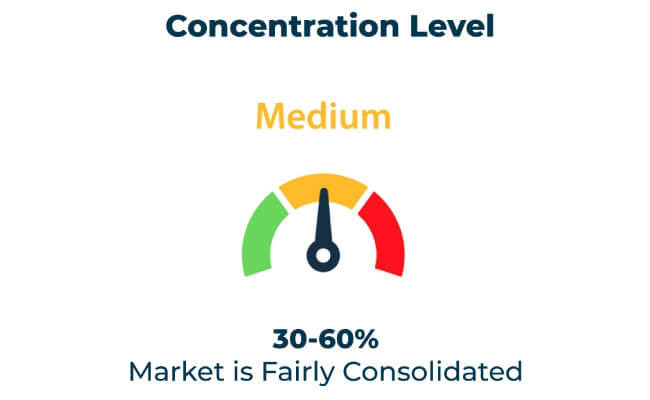
Market Concentration
Year-on-Year Leaders
- Amcor: Leads with sustainable, high-barrier packaging solutions.
- Berry Global: Innovates with durable and lightweight designs.
- DuPont: Focuses on advanced materials that enhance device protection.
Emerging Technologies
- Sterile Packaging Systems: Ensure product integrity and compliance.
- Biodegradable Materials: Meet sustainability goals without compromising quality.
- Smart Packaging: Incorporates QR codes and tracking features for enhanced traceability.
- Advanced Coatings: Provide barriers against moisture, oxygen, and contaminants.
Sustainability Trends
- Recyclable Materials: Companies develop packaging that supports circular economies.
- Energy-Efficient Production: Processes reduce emissions and resource consumption.
- Waste Reduction: Innovative designs minimize packaging waste while maintaining performance.
Consumer Trends
- Focus on Safety: Healthcare providers demand secure and sterile packaging to protect patients.
- Sustainability Preferences: Buyers prefer eco-friendly options that reduce environmental impact.
- Convenience Features: Easy-to-open and resealable designs enhance usability.
Regulatory Insights
- North America: Enforces strict FDA guidelines for medical device packaging.
- Europe: Promotes sustainable practices through rigorous recycling regulations.
- Asia-Pacific: Experiences rising demand for affordable and reliable packaging solutions due to healthcare expansion.
Export Opportunities
Emerging markets in Asia-Pacific, Africa, and Latin America present vast growth potential. Rising investments in healthcare infrastructure and growing demand for medical devices create opportunities for manufacturers to expand globally. Exporters aligned with local standards and needs can capture significant market share.
Obstacles and Opportunities
Obstacles
- High Production Costs: Advanced materials and technologies increase costs.
- Regulatory Complexity: Navigating diverse global standards can challenge manufacturers.
- Material Availability: Supply chain disruptions impact the availability of high-quality materials.
Opportunities
- Healthcare Growth: Expanding medical sectors drive demand for advanced packaging.
- Sustainability Initiatives: Eco-friendly packaging solutions gain traction in global markets.
- Technological Advancements: Smart and biodegradable packaging opens new possibilities.
Market Context
In-House vs. Contract Packaging
- In-House Packaging: Allows companies to control quality and maintain sterility, ideal for high-volume production.
- Contract Packaging: Offers flexibility and advanced technologies, benefiting smaller businesses or those with variable demand.
Regional Analysis
| Region | North America |
|---|---|
| Market Share (%) | 35% |
| Key Drivers | Focuses on regulatory compliance and technological innovation. |
| Region | Europe |
|---|---|
| Market Share (%) | 30% |
| Key Drivers | Leads in sustainable packaging practices and strong healthcare systems. |
| Region | Asia-Pacific |
|---|---|
| Market Share (%) | 25% |
| Key Drivers | Rising healthcare investments drive demand for quality packaging. |
| Region | Other Regions |
|---|---|
| Market Share (%) | 10% |
| Key Drivers | Growing demand for affordable, durable solutions in emerging markets. |
End-User Segment Analysis
- Diagnostics: Relies on secure packaging to protect sensitive equipment.
- Surgical Instruments: Requires sterile packaging for safe and effective use.
- Implantable Devices: Demands high-barrier materials to ensure sterility.
- Retail Medical Supplies: Uses user-friendly and visually appealing packaging for consumer products.
Future Roadmap
The medical device packaging market will grow through advancements in sustainability, automation, and smart technologies. Companies focusing on eco-friendly practices and global market expansion will strengthen their leadership positions. Collaboration with regulatory agencies and healthcare providers will further drive growth.
Market KPI
- Regional Revenue Growth: Tracks performance in North America and Asia-Pacific.
- Sustainability Metrics: Measures adoption of recyclable and biodegradable materials.
- End-User Demand: Monitors demand across diagnostics, surgical, and implantable devices sectors.
Who Shaped the Year
- Amcor: Leads with innovative and sustainable packaging solutions.
- Berry Global: Develops lightweight and durable designs to meet diverse needs.
- DuPont: Innovates with materials that enhance sterility and protection.
Tier-Wise Company Analysis
| Tier | Key Companies |
|---|---|
| Tier 1 | Amcor, Berry Global, DuPont |
| Tier 2 | Oliver Healthcare, Tekni-Plex |
| Tier 3 | Nelipak, Constantia Flexibles |
Key Vendor Initiatives
- Amcor: Focuses on sustainable materials and energy-efficient production.
- Berry Global: Expands its portfolio of lightweight and customizable packaging.
- DuPont: Invests in advanced barrier technologies for enhanced device protection.
Conclusion
The medical device packaging market is poised for significant growth as safety, sustainability, and technological advancements shape industry trends. Companies prioritizing eco-friendly practices, compliance, and innovation will lead the market. Collaboration with healthcare providers and regulatory bodies will unlock additional opportunities for growth.
Appendix
Key Definitions
- Medical Device Packaging: Specialized packaging solutions designed to protect and sterilize medical devices.
- Recyclable Materials: Substances that can be processed for reuse in new products.
- Smart Packaging: Includes interactive or digital features for enhanced functionality and traceability.
Abbreviations
- CAGR: Compound Annual Growth Rate
- FDA: Food and Drug Administration
Methodology
This report integrates primary research, secondary data, and expert insights. Findings are validated through interviews with industry professionals and end-users to ensure accuracy and reliability.
Market Definition
The medical device packaging market includes the production and use of advanced, sustainable, and compliant packaging solutions for diagnostics, surgical instruments, implantable devices, and retail medical supplies.
Top Segments Studied in the Medical Device Packaging Market Outlook
By End-User:
- Diagnostics
- Surgical Instruments
- Implantable Devices
- Retail Medical Supplies
By Region:
- North America
- Europe
- Asia-Pacific
- Other Regions
Frequently Asked Questions
What is the role of medical device packaging?
Medical device packaging ensures product protection, sterility, and compliance with regulatory standards while enhancing shelf life and usability.
How is sustainability addressed in this market?
Manufacturers adopt recyclable and biodegradable materials and use energy-efficient production methods to meet sustainability goals.
Which regions lead the medical device packaging market?
North America and Europe lead due to strict regulatory compliance and advanced healthcare infrastructure, while Asia-Pacific shows rapid growth due to healthcare expansion.
What are the main challenges in this market?
Challenges include high production costs, material availability, and navigating diverse global regulatory standards.
What technological advancements are shaping the market?
Smart packaging with interactive features, advanced barrier coatings, and biodegradable materials are key innovations driving the market forward.
Preview the report firsthand - request a free sample
Get SampleGet the brochure for pricing and purchase details.
Get PDFTable of Content
- Executive Summary
- Market Overview
- Market Growth Drivers
- Market Size and Forecast
- Vendor Performance
- Global Market Share & Industry Share
- Type of Player & Industry Share
- Market Concentration
- Year-on-Year Leaders
- Technology Trends
- Sustainability Trends
- Consumer Trends
- Regulatory Insights
- Export Opportunities
- Challenges and Opportunities
- Market Context
- Regional Analysis
- End-User Industry Segments
- Future Roadmap
- Market KPI
- Who Shaped the Year
- Tier-Wise Company Analysis
- Key Vendor Initiatives
- Conclusion
- Appendix
- Methodology
- Market Definition
- FAQs


