

- Industry Size (2026)
- USD 1.6 Bn
- Forecast (2036)
- USD 3.4 Bn
- CAGR (2026 to 2036)
- 7.8%
Silicon-Based Scar Treatment Market Forecast and Outlook 2026 to 2036
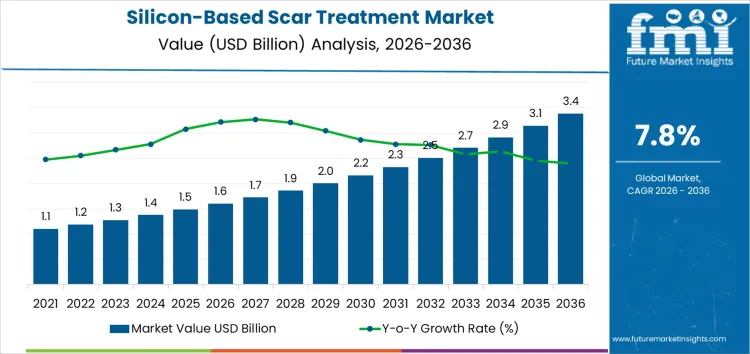
The silicon-based scar treatment market is projected to grow steadily from 2026 to 2036. In 2026, the market value is expected to be USD 1.6 billion, with consistent growth anticipated throughout the forecast period, reaching USD 3.4 billion by 2036. The compound annual growth rate (CAGR) for the market is forecasted at 7.8%. This growth is driven by increasing consumer demand for effective, non-invasive treatments for scar management, especially in dermatology and cosmetic surgery. Silicon-based treatments are widely regarded for their ability to improve the appearance of scars by hydrating and protecting the affected area. These treatments offer a simple, cost-effective solution for scar prevention and healing, which continues to drive their adoption.
As the healthcare industry continues to focus on enhancing patient outcomes through minimally invasive procedures, silicon-based products are gaining popularity. Over the forecast period, the market is expected to expand, driven by growing awareness of the effectiveness of these treatments in improving scar appearance and texture. Increased consumer education about scar prevention, alongside advancements in silicone gel formulations, is likely to further fuel market growth. As demand for scar treatments in medical and aesthetic applications continues to rise, the market is poised for steady, long-term expansion.
Quick Stats of the Silicon-Based Scar Treatment Market
- Silicon-Based Scar Treatment Market Value (2026): USD 1.6 billion
- Silicon-Based Scar Treatment Market Forecast Value (2036): USD 3.4 billion
- Silicon-Based Scar Treatment Market Global Forecast CAGR (2026-2036): 7.8%
- Silicon-Based Scar Treatment Market Leading Segment: Application (Post-surgical scars) 55%
- Key Growth Regions in Silicon-Based Scar Treatment Market: India
- Top Players in Silicon-Based Scar Treatment Market: Smith & Nephew, Mölnlycke, Alliance Pharma, Cica-Care, ScarAway
What is the Growth Forecast for the Silicon-Based Scar Treatment Market through 2036?
The growth forecast for the silicon-based scar treatment market is promising, with a projected CAGR of 7.8%. Starting at USD 1.6 billion in 2026, the market will continue to expand, reaching USD 1.7 billion in 2027, USD 1.8 billion in 2028, and USD 2 billion in 2029. By 2030, the market value is expected to rise to USD 2.1 billion. This steady increase in market value reflects the rising demand for scar treatments, with silicon-based products being widely regarded as one of the most effective, non-invasive solutions for reducing scar visibility and improving skin health.
From 2031 to 2036, the market will maintain a consistent growth trajectory. By 2031, the market will reach USD 2.3 billion, continuing its upward movement towards USD 2.5 billion in 2032 and beyond. By 2036, the market is projected to achieve USD 3.4 billion, reflecting strong, ongoing demand for these products. The 5-year growth block analysis indicates a smooth and predictable upward trend, driven by the growing popularity of silicon-based scar treatment solutions across multiple regions. This market expansion will be supported by innovations in treatment formulations and growing recognition of the importance of scar prevention and care.
Silicon-Based Scar Treatment Market Key Takeaways
| Metric | Value |
|---|---|
| Industry Sales Value (2026) | USD 1.6 billion |
| Industry Forecast Value (2036) | USD 3.4 billion |
| Industry Forecast CAGR (2026-2036) | 7.8% |
What Is Driving the Demand for the Silicon Based Scar Treatment Market Globally?
The global demand for silicon based scar treatments is driven by increasing awareness of post injury and post surgical care, rising aesthetic expectations, and expanding access to dermatological products in both emerging and developed markets. Scars from surgical procedures, burns, acne, and traumatic injuries represent a significant cosmetic and functional concern for patients and clinicians alike. Silicon based formulations-such as gels, sheets, and ointments-are widely recognized for their ability to hydrate scar tissue, regulate collagen production, and reduce color and texture irregularities, which supports improved healing outcomes. These treatments are favored for their non invasive nature, ease of use, and compatibility with a broad range of skin types, making them attractive options for individuals seeking effective scar management without surgical intervention. Growth in elective surgical procedures such as cosmetic surgery, orthopedic operations, and caesarean sections increases the pool of individuals seeking scar minimization, while expanding healthcare infrastructure and dermatology services in Asia Pacific, Latin America, and the Middle East improve access to scar care products.
Future demand for silicon based scar treatments is expected to grow as clinical evidence, product innovation, and consumer expectations evolve. Advances in formulation science-such as enhanced bio adhesive materials, controlled release systems, and combination products that integrate silicone with other therapeutic agents-will broaden efficacy and application convenience. Increasing use of digital health platforms and teledermatology supports greater patient engagement with scar management regimens, enabling follow up and adherence monitoring that can improve outcomes. Regulatory frameworks that validate claims and ensure product safety will influence adoption, particularly in markets where cosmetic and medical device classifications overlap. As consumer preference for non invasive, evidence based skincare products grows, silicon based treatments that deliver visible improvements with minimal side effects are likely to be preferred over traditional remedies. Expansion of retail channels, including pharmacies, professional skincare clinics, and e commerce platforms, will further support accessibility and market penetration. With rising emphasis on quality of life, appearance, and post treatment confidence, the silicon based scar treatment market is poised for continued global growth.
What are the Leading Segments in the Global Silicon-Based Scar Treatment Market?
The global silicon-based scar treatment market is segmented by product type and application. Among product types, silicone sheets lead the market, capturing 45% of the share, followed by silicone gels, sprays, and other products. Silicone sheets are preferred due to their proven effectiveness in scar treatment, especially for post-surgical scars. On the application side, post-surgical scars dominate the market, holding 55% of the share, followed by burn scars, acne scars, and other types. Post-surgical scars are the primary focus due to the high incidence of surgeries and the growing demand for effective scar treatment solutions to improve the appearance and healing of surgical scars.
What Drives the Growth of Silicone Sheets in the Silicon-Based Scar Treatment Market?
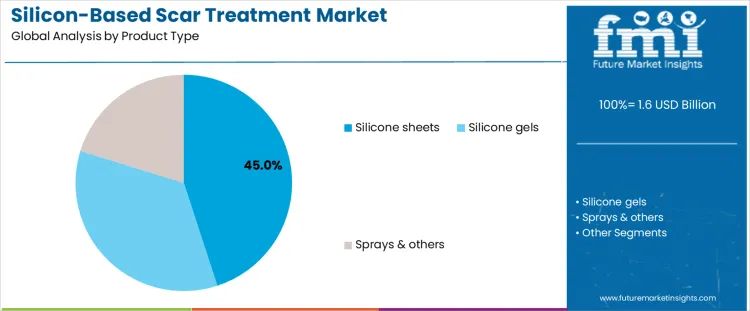
Silicone sheets are the leading product type in the silicon-based scar treatment market, holding 45% of the share. This is primarily due to their high efficacy in reducing the appearance of scars and improving the healing process. Silicone sheets create a barrier that helps retain moisture, which is crucial in scar healing. They are widely used for both old and new scars, especially post-surgical scars, where they help in reducing redness, flattening, and softening the scar tissue. The convenience and ease of use, as well as their non-invasive application, make silicone sheets a preferred option among patients. Additionally, the growing awareness of the importance of scar management in cosmetic and post-surgical care is driving the demand for silicone sheets. As the market for effective, easy-to-use scar treatments continues to grow, silicone sheets are expected to maintain their leading position due to their proven effectiveness and long-term usage.
What is Driving the Demand for Post-Surgical Scars in the Silicon-Based Scar Treatment Market?
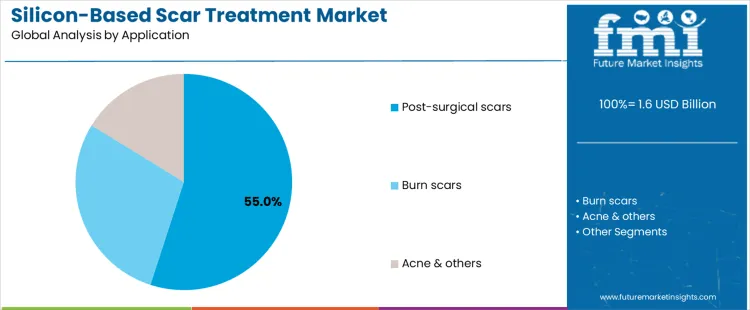
Post-surgical scars are the leading application in the silicon-based scar treatment market, capturing 55% of the share. This growth is driven by the high number of surgeries performed worldwide and the increasing awareness among patients about the availability of effective scar treatment options. Surgical procedures, whether cosmetic, orthopedic, or otherwise, often result in scars that require treatment to reduce visibility and promote proper healing. Silicon-based treatments, particularly silicone sheets and gels, have been shown to improve the appearance of scars by hydrating the scar tissue, preventing excessive collagen formation, and reducing inflammation. As patients seek improved cosmetic outcomes and faster recovery post-surgery, the demand for silicon-based scar treatments for post-surgical scars remains strong. The focus on improving scar aesthetics and minimizing the emotional and physical impact of visible scars is expected to continue driving growth in this segment.
What are the Key Dynamics in the Global Silicone Based Scar Treatment Market?
The global silicone based scar treatment market is expanding as clinicians and consumers adopt effective, evidence supported solutions for minimizing the appearance of scars from surgery, injury and skin conditions. Silicone based products such as gels, sheets and patches form a breathable, protective layer that helps regulate hydration and collagen formation during healing. Growth is driven by rising cosmetic and reconstructive procedures, increasing awareness of scar care benefits, and demand for non invasive, easy to use treatments. Adoption spans dermatology clinics, plastic surgery centers, pharmacies and direct to consumer channels, reflecting broad interest in products that improve aesthetic outcomes and quality of life.
What are the Key Drivers for the Global Silicone Based Scar Treatment Market?
A key driver is heightened focus on aesthetic outcomes following surgical, orthopedic and dermatologic procedures, where scar visibility affects patient satisfaction. Silicone based treatments are widely recommended because clinical evidence supports their role in softening, flattening and reducing scar visibility when used consistently. Growth in elective surgeries, cosmetic procedures and injury care increases demand for post treatment scar management. Consumer preference for non prescription, topical solutions that can be used at home fuels adoption across age groups. Expansion of teledermatology and online retail channels also improves access and awareness of silicone scar care options globally.
What are the Restraints for the Global Silicone Based Scar Treatment Market?
One restraint is variability in perceived effectiveness among users, which can affect sustained use and repeat purchases. Silicone treatments typically require consistent application over weeks to months, and lack of immediate results can reduce adherence. Competition from alternative scar reduction methods-such as laser therapy, microneedling, corticosteroid injections and silicone free formulations-may influence choice for some consumers and clinicians. Price sensitivity in certain markets may limit uptake of branded, high quality silicone products, especially where affordable generic options are available. Limited reimbursement for OTC scar care products can also affect demand in some healthcare systems.
What are the Key Trends in the Global Silicone Based Scar Treatment Market?
A key trend is development of enhanced silicone formulations that incorporate complementary actives such as antioxidants, peptides and soothing botanicals to support comfort and improve scar appearance. Manufacturers are focusing on user experience improvements, like faster drying gels, discreet wearable sheets and multi size patch packs for diverse needs. Growth of evidence based marketing and clinical endorsement strengthens consumer trust and supports product differentiation. Increased use of digital platforms for education and remote dermatology consultations drives awareness of best practices for scar care. Sustainable and skin sensitive product positioning, including fragrance free and hypoallergenic options, also influences adoption across broader demographic segments.
What is the Country-Wise Analysis of the Silicon-Based Scar Treatment Market?
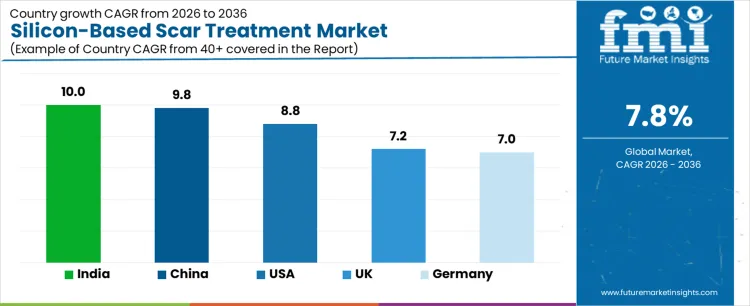
The silicon-based scar treatment market is projected to experience steady growth, driven by increasing awareness of scar treatment options and the effectiveness of silicon-based products in improving the appearance of scars. These treatments, commonly available in gel or sheet form, have been widely used in the healthcare and cosmetic industries due to their ability to reduce scar formation and improve the texture of existing scars. High-growth markets such as India and China are seeing strong demand due to their large populations, increasing disposable incomes, and growing access to healthcare. Developed markets such as the USA, UK, and Germany are also experiencing steady growth, supported by the rising demand for non-invasive, effective, and affordable scar treatments. The global preference for minimally invasive treatments and the growing awareness of the cosmetic benefits of scar treatment further contribute to the market’s growth.
| Country | CAGR (2026-2036) |
|---|---|
| India | 10% |
| China | 9.8% |
| United States | 8.8% |
| United Kingdom | 7.2% |
| Germany | 7% |
What is the Growth Outlook for the Silicon-Based Scar Treatment Market in India?
The silicon-based scar treatment market in India is expected to grow at the highest rate, with a projected CAGR of 10%. India’s large population, combined with increasing awareness of scar treatment options and a growing middle class, is driving the demand for silicon-based treatments. As the healthcare sector expands and consumers become more focused on cosmetic and aesthetic solutions, the use of silicon-based products to reduce scarring is gaining popularity. In addition to the growing awareness of skincare, the rise in medical procedures such as surgeries, dermatological treatments, and burn care in India is contributing to the demand for scar treatment products. The relatively low cost of silicon-based treatments, along with their accessibility, further fuels the market’s growth in India. Furthermore, the increasing adoption of e-commerce platforms for purchasing healthcare and skincare products is making these treatments more readily available to a larger consumer base, contributing to the market’s strong growth outlook.
What is the Market Outlook for the Silicon-Based Scar Treatment Market in China?
The silicon-based scar treatment market in China is projected to grow at a steady pace, with a projected CAGR of 9.8%. China’s rapidly expanding healthcare sector, along with increasing awareness of the importance of skincare and scar treatment, is driving the demand for silicon-based solutions. With a growing number of surgeries and medical procedures, as well as an increasing focus on cosmetic and dermatological care, the need for effective, non-invasive scar treatment methods is rising. The market in China is further supported by the country’s growing middle class and rising disposable incomes, which enable more consumers to seek affordable and effective treatments for scar reduction. Additionally, China’s growing emphasis on self-care and skincare is contributing to the demand for non-invasive treatments like silicon-based scar products. The widespread availability of these treatments through both traditional healthcare channels and e-commerce platforms further boosts the market growth, making scar treatments more accessible to the broader population.
What is the Growth Forecast for the Silicon-Based Scar Treatment Market in the United States?
The silicon-based scar treatment market in the United States is expected to grow steadily, with a projected CAGR of 8.8%. The U.S. is one of the largest markets for scar treatment products, driven by a high demand for non-invasive, effective solutions for scar reduction. The increasing awareness of the cosmetic and functional benefits of scar treatments, especially among individuals recovering from surgeries, accidents, and skin conditions, is contributing to the market’s growth. In the U.S., silicon-based scar treatment products are widely used by both medical professionals and consumers, particularly for post-operative care, burn care, and aesthetic concerns. The U.S. healthcare and cosmetic industries are also embracing silicon-based products due to their proven effectiveness and minimal side effects. The growing popularity of minimally invasive and affordable treatments, combined with an expanding consumer interest in skincare and aesthetics, is driving steady demand for silicon-based scar treatment products. Additionally, the increasing availability of these products through retail and online channels supports the market growth in the U.S.
What is the Market Outlook for the Silicon-Based Scar Treatment Market in the United Kingdom?
The silicon-based scar treatment market in the United Kingdom is projected to grow at a steady pace, with a projected CAGR of 7.2%. The UK market is driven by a growing demand for non-invasive, effective scar treatment solutions across various segments, including cosmetic procedures, post-surgical recovery, and burn treatment. As more people seek ways to reduce the appearance of scars and improve their skin texture, silicon-based products are increasingly being adopted for both medical and aesthetic purposes. The UK’s well-established healthcare system, alongside an increasing focus on cosmetic dermatology, supports the use of these effective, easy-to-use treatments. Moreover, the country’s heightened awareness of skincare and self-care is contributing to the rising demand for non-invasive treatments, especially among individuals who prioritize minimizing visible scars from surgeries and injuries. The market in the UK is further supported by the availability of a wide range of silicon-based products, from gels to sheets, through various retail and e-commerce platforms.
What are the Growth Prospects for the Silicon-Based Scar Treatment Market in Germany?
The silicon-based scar treatment market in Germany is expected to grow steadily, with a projected CAGR of 7%. Germany’s strong healthcare system, combined with increasing demand for effective and minimally invasive scar treatments, is driving market growth. The demand for silicon-based treatments is growing, particularly for post-surgical recovery, burn care, and dermatological conditions that result in scarring. Germany's emphasis on quality healthcare and innovation in medical treatments is contributing to the increasing adoption of scar reduction technologies. The growing popularity of aesthetic treatments and the increasing awareness of scar treatment options are further supporting the demand for silicon-based products. As consumers in Germany become more focused on skincare and minimizing the appearance of scars, the market for these treatments is expected to see steady growth. The accessibility of silicon-based products through healthcare providers and retail channels, coupled with the country’s focus on advancing dermatological care, will contribute to the expansion of this market in Germany.
What is the Competitive Landscape for the Silicon-Based Scar Treatment Market?
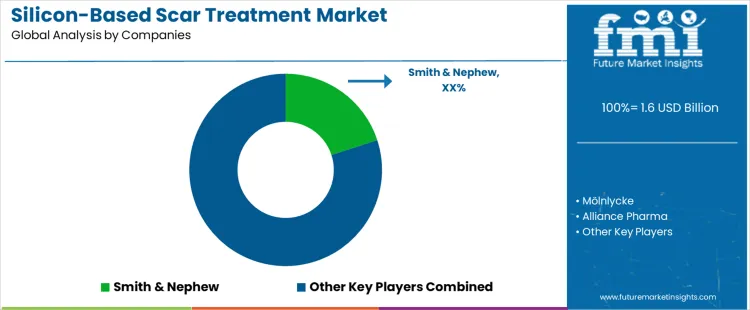
The silicon-based scar treatment market is expanding rapidly as consumers and healthcare providers increasingly turn to effective and non-invasive solutions for scar management. Smith & Nephew leads the market with its well-established silicon-based scar treatments, offering high-quality products that reduce scar visibility and promote healing. Their strong product portfolio and focus on innovation have positioned them as a dominant player in the market. Mölnlycke, Alliance Pharma, and Cica-Care are key competitors, providing a range of silicon-based treatments designed to improve the appearance of scars and support tissue repair. Mölnlycke offers products that focus on both scar healing and prevention, while Alliance Pharma and Cica-Care cater to consumers with specialized treatments for different types of scars, including surgical and traumatic scars.
ScarAway and Others contribute to the competitive landscape by offering specialized silicon-based treatments aimed at improving scar healing and minimizing scarring. ScarAway is well-known for its range of products that effectively manage scars from various causes, such as surgery, injury, and burns. Others refers to a variety of emerging and regional players that offer affordable, effective treatments targeted at scar prevention and improvement. These companies compete by focusing on product efficacy, ease of use, and their ability to offer accessible, non-invasive scar treatment solutions. With a growing demand for scar care products that promote healing and enhance skin appearance, the market is expected to continue evolving, with a strong emphasis on innovation and consumer preferences for safe, proven solutions.
Key Players of the Silicon-Based Scar Treatment Market
- Smith & Nephew
- Mölnlycke
- Alliance Pharma
- Cica-Care
- ScarAway
- Others
Scope of the Report
| Items | Values |
|---|---|
| Quantitative Units (2026) | USD Billion |
| Product Type | Silicone Sheets, Silicone Gels, Sprays & Others, Others |
| Application | Post-Surgical Scars, Burn Scars, Acne & Others |
| End User | Retail Pharmacies, E-Commerce, Hospitals & Clinics |
| Companies | Smith & Nephew, Mölnlycke, Alliance Pharma, Cica-Care, ScarAway, Others |
| Regions Covered | North America, Latin America, Western Europe, Eastern Europe, South Asia and Pacific, East Asia, Middle East & Africa |
| Countries Covered | United States, Canada, Mexico, Brazil, Argentina, Germany, France, United Kingdom, Italy, Spain, Netherlands, China, India, Japan, South Korea, ANZ, GCC Countries, South Africa |
| Additional Attributes | Dollar by sales by product type, application, end user, and region. Includes market trends in silicone-based scar treatments, focusing on silicone sheets, gels, and sprays. Highlights the role of retail pharmacies, e-commerce, and hospitals in scar treatment. Focus on performance, regulatory compliance, cost-effectiveness, market share, and competitive positioning of key companies in the scar treatment market. |
Silicon-Based Scar Treatment Market Segmentation
Product Type
- Silicone sheets
- Silicone gels
- Sprays & others
Application
- Post-surgical scars
- Burn scars
- Acne & others
- Others
End User
- Retail pharmacies
- E-commerce
- Hospitals & clinics
Region
- Asia Pacific
- China
- Japan
- South Korea
- India
- Australia & New Zealand
- ASEAN
- Rest of Asia Pacific
- Europe
- Germany
- United Kingdom
- France
- Italy
- Spain
- Nordic
- BENELUX
- Rest of Europe
- North America
- United States
- Canada
- Mexico
- Latin America
- Brazil
- Chile
- Rest of Latin America
- Middle East & Africa
- Kingdom of Saudi Arabia
- Other GCC Countries
- Turkey
- South Africa
- Other African Union
- Rest of Middle East & Africa
Frequently Asked Questions
How big is the silicon-based scar treatment market in 2026?
The global silicon-based scar treatment market is estimated to be valued at USD 1.6 billion in 2026.
What will be the size of silicon-based scar treatment market in 2036?
The market size for the silicon-based scar treatment market is projected to reach USD 3.4 billion by 2036.
How much will be the silicon-based scar treatment market growth between 2026 and 2036?
The silicon-based scar treatment market is expected to grow at a 7.8% CAGR between 2026 and 2036.
What are the key product types in the silicon-based scar treatment market?
The key product types in silicon-based scar treatment market are silicone sheets, silicone gels and sprays & others.
Which application segment to contribute significant share in the silicon-based scar treatment market in 2026?
In terms of application, post-surgical scars segment to command 55.0% share in the silicon-based scar treatment market in 2026.
Preview the report firsthand - request a free sample
Get SampleGet the brochure for pricing and purchase details.
Get PDFTable of Content
- Executive Summary
- Global Market Outlook
- Demand-side Trends
- Supply-side Trends
- Technology Roadmap Analysis
- Analysis and Recommendations
- Market Overview
- Market Coverage / Taxonomy
- Market Definition / Scope / Limitations
- Market Background
- Market Dynamics
- Drivers
- Restraints
- Opportunity
- Trends
- Scenario Forecast
- Demand in Optimistic Scenario
- Demand in Likely Scenario
- Demand in Conservative Scenario
- Opportunity Map Analysis
- Product Life Cycle Analysis
- Supply Chain Analysis
- Investment Feasibility Matrix
- Value Chain Analysis
- PESTLE and Porter’s Analysis
- Regulatory Landscape
- Regional Parent Market Outlook
- Production and Consumption Statistics
- Import and Export Statistics
- Market Dynamics
- Global Market Analysis 2021 to 2025 and Forecast, 2026 to 2036
- Historical Market Size Value (USD Million) Analysis, 2021 to 2025
- Current and Future Market Size Value (USD Million) Projections, 2026 to 2036
- Y-o-Y Growth Trend Analysis
- Absolute $ Opportunity Analysis
- Global Market Pricing Analysis 2021 to 2025 and Forecast 2026 to 2036
- Global Market Analysis 2021 to 2025 and Forecast 2026 to 2036, By Product Type
- Introduction / Key Findings
- Historical Market Size Value (USD Million) Analysis By Product Type , 2021 to 2025
- Current and Future Market Size Value (USD Million) Analysis and Forecast By Product Type , 2026 to 2036
- Silicone sheets
- Silicone gels
- Sprays & others
- Silicone sheets
- Y-o-Y Growth Trend Analysis By Product Type , 2021 to 2025
- Absolute $ Opportunity Analysis By Product Type , 2026 to 2036
- Global Market Analysis 2021 to 2025 and Forecast 2026 to 2036, By Application
- Introduction / Key Findings
- Historical Market Size Value (USD Million) Analysis By Application, 2021 to 2025
- Current and Future Market Size Value (USD Million) Analysis and Forecast By Application, 2026 to 2036
- Post-surgical scars
- Burn scars
- Acne & others
- Post-surgical scars
- Y-o-Y Growth Trend Analysis By Application, 2021 to 2025
- Absolute $ Opportunity Analysis By Application, 2026 to 2036
- Global Market Analysis 2021 to 2025 and Forecast 2026 to 2036, By End User
- Introduction / Key Findings
- Historical Market Size Value (USD Million) Analysis By End User, 2021 to 2025
- Current and Future Market Size Value (USD Million) Analysis and Forecast By End User, 2026 to 2036
- Retail pharmacies
- E-commerce
- Hospitals & clinics
- Others
- Retail pharmacies
- Y-o-Y Growth Trend Analysis By End User, 2021 to 2025
- Absolute $ Opportunity Analysis By End User, 2026 to 2036
- Global Market Analysis 2021 to 2025 and Forecast 2026 to 2036, By Region
- Introduction
- Historical Market Size Value (USD Million) Analysis By Region, 2021 to 2025
- Current Market Size Value (USD Million) Analysis and Forecast By Region, 2026 to 2036
- North America
- Latin America
- Western Europe
- Eastern Europe
- East Asia
- South Asia and Pacific
- Middle East & Africa
- Market Attractiveness Analysis By Region
- North America Market Analysis 2021 to 2025 and Forecast 2026 to 2036, By Country
- Historical Market Size Value (USD Million) Trend Analysis By Market Taxonomy, 2021 to 2025
- Market Size Value (USD Million) Forecast By Market Taxonomy, 2026 to 2036
- By Country
- USA
- Canada
- Mexico
- By Product Type
- By Application
- By End User
- By Country
- Market Attractiveness Analysis
- By Country
- By Product Type
- By Application
- By End User
- Key Takeaways
- Latin America Market Analysis 2021 to 2025 and Forecast 2026 to 2036, By Country
- Historical Market Size Value (USD Million) Trend Analysis By Market Taxonomy, 2021 to 2025
- Market Size Value (USD Million) Forecast By Market Taxonomy, 2026 to 2036
- By Country
- Brazil
- Chile
- Rest of Latin America
- By Product Type
- By Application
- By End User
- By Country
- Market Attractiveness Analysis
- By Country
- By Product Type
- By Application
- By End User
- Key Takeaways
- Western Europe Market Analysis 2021 to 2025 and Forecast 2026 to 2036, By Country
- Historical Market Size Value (USD Million) Trend Analysis By Market Taxonomy, 2021 to 2025
- Market Size Value (USD Million) Forecast By Market Taxonomy, 2026 to 2036
- By Country
- Germany
- UK
- Italy
- Spain
- France
- Nordic
- BENELUX
- Rest of Western Europe
- By Product Type
- By Application
- By End User
- By Country
- Market Attractiveness Analysis
- By Country
- By Product Type
- By Application
- By End User
- Key Takeaways
- Eastern Europe Market Analysis 2021 to 2025 and Forecast 2026 to 2036, By Country
- Historical Market Size Value (USD Million) Trend Analysis By Market Taxonomy, 2021 to 2025
- Market Size Value (USD Million) Forecast By Market Taxonomy, 2026 to 2036
- By Country
- Russia
- Poland
- Hungary
- Balkan & Baltic
- Rest of Eastern Europe
- By Product Type
- By Application
- By End User
- By Country
- Market Attractiveness Analysis
- By Country
- By Product Type
- By Application
- By End User
- Key Takeaways
- East Asia Market Analysis 2021 to 2025 and Forecast 2026 to 2036, By Country
- Historical Market Size Value (USD Million) Trend Analysis By Market Taxonomy, 2021 to 2025
- Market Size Value (USD Million) Forecast By Market Taxonomy, 2026 to 2036
- By Country
- China
- Japan
- South Korea
- By Product Type
- By Application
- By End User
- By Country
- Market Attractiveness Analysis
- By Country
- By Product Type
- By Application
- By End User
- Key Takeaways
- South Asia and Pacific Market Analysis 2021 to 2025 and Forecast 2026 to 2036, By Country
- Historical Market Size Value (USD Million) Trend Analysis By Market Taxonomy, 2021 to 2025
- Market Size Value (USD Million) Forecast By Market Taxonomy, 2026 to 2036
- By Country
- India
- ASEAN
- Australia & New Zealand
- Rest of South Asia and Pacific
- By Product Type
- By Application
- By End User
- By Country
- Market Attractiveness Analysis
- By Country
- By Product Type
- By Application
- By End User
- Key Takeaways
- Middle East & Africa Market Analysis 2021 to 2025 and Forecast 2026 to 2036, By Country
- Historical Market Size Value (USD Million) Trend Analysis By Market Taxonomy, 2021 to 2025
- Market Size Value (USD Million) Forecast By Market Taxonomy, 2026 to 2036
- By Country
- Kingdom of Saudi Arabia
- Other GCC Countries
- Turkiye
- South Africa
- Other African Union
- Rest of Middle East & Africa
- By Product Type
- By Application
- By End User
- By Country
- Market Attractiveness Analysis
- By Country
- By Product Type
- By Application
- By End User
- Key Takeaways
- Key Countries Market Analysis
- USA
- Pricing Analysis
- Market Share Analysis, 2025
- By Product Type
- By Application
- By End User
- Canada
- Pricing Analysis
- Market Share Analysis, 2025
- By Product Type
- By Application
- By End User
- Mexico
- Pricing Analysis
- Market Share Analysis, 2025
- By Product Type
- By Application
- By End User
- Brazil
- Pricing Analysis
- Market Share Analysis, 2025
- By Product Type
- By Application
- By End User
- Chile
- Pricing Analysis
- Market Share Analysis, 2025
- By Product Type
- By Application
- By End User
- Germany
- Pricing Analysis
- Market Share Analysis, 2025
- By Product Type
- By Application
- By End User
- UK
- Pricing Analysis
- Market Share Analysis, 2025
- By Product Type
- By Application
- By End User
- Italy
- Pricing Analysis
- Market Share Analysis, 2025
- By Product Type
- By Application
- By End User
- Spain
- Pricing Analysis
- Market Share Analysis, 2025
- By Product Type
- By Application
- By End User
- France
- Pricing Analysis
- Market Share Analysis, 2025
- By Product Type
- By Application
- By End User
- India
- Pricing Analysis
- Market Share Analysis, 2025
- By Product Type
- By Application
- By End User
- ASEAN
- Pricing Analysis
- Market Share Analysis, 2025
- By Product Type
- By Application
- By End User
- Australia & New Zealand
- Pricing Analysis
- Market Share Analysis, 2025
- By Product Type
- By Application
- By End User
- China
- Pricing Analysis
- Market Share Analysis, 2025
- By Product Type
- By Application
- By End User
- Japan
- Pricing Analysis
- Market Share Analysis, 2025
- By Product Type
- By Application
- By End User
- South Korea
- Pricing Analysis
- Market Share Analysis, 2025
- By Product Type
- By Application
- By End User
- Russia
- Pricing Analysis
- Market Share Analysis, 2025
- By Product Type
- By Application
- By End User
- Poland
- Pricing Analysis
- Market Share Analysis, 2025
- By Product Type
- By Application
- By End User
- Hungary
- Pricing Analysis
- Market Share Analysis, 2025
- By Product Type
- By Application
- By End User
- Kingdom of Saudi Arabia
- Pricing Analysis
- Market Share Analysis, 2025
- By Product Type
- By Application
- By End User
- Turkiye
- Pricing Analysis
- Market Share Analysis, 2025
- By Product Type
- By Application
- By End User
- South Africa
- Pricing Analysis
- Market Share Analysis, 2025
- By Product Type
- By Application
- By End User
- USA
- Market Structure Analysis
- Competition Dashboard
- Competition Benchmarking
- Market Share Analysis of Top Players
- By Regional
- By Product Type
- By Application
- By End User
- Competition Analysis
- Competition Deep Dive
- Smith & Nephew
- Overview
- Product Portfolio
- Profitability by Market Segments (Product/Age /Sales Channel/Region)
- Sales Footprint
- Strategy Overview
- Marketing Strategy
- Product Strategy
- Channel Strategy
- Mölnlycke
- Alliance Pharma
- Cica-Care
- ScarAway
- Others
- Smith & Nephew
- Competition Deep Dive
- Assumptions & Acronyms Used
- Research Methodology


