

- Industry Size (2025)
- USD 0.4 Bn
- Forecast (2035)
- USD 0.9 Bn
- CAGR (2025 to 2035)
- 8.1%
Demand for Port Wine in USA Forecast and Outlook 2025 to 2035
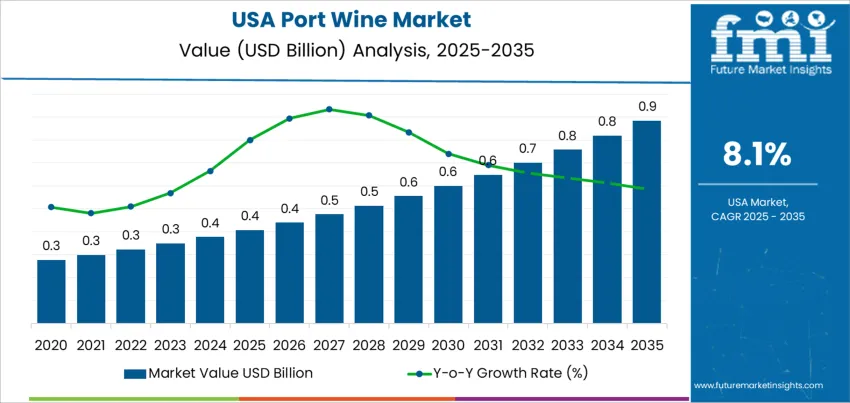
The demand for port wine in the USA is expected to grow from USD 0.4 billion in 2025 to USD 0.9 billion by 2035, driven by a CAGR of 8.1%. Port wine, a fortified wine known for its rich flavors and versatile use in both casual and fine dining settings, is gaining popularity among wine enthusiasts and casual drinkers alike. The growing trend towards premium, artisanal alcoholic beverages is contributing to the increasing demand for port wine, with consumers seeking new, unique experiences in their drinking habits. As port wine is often associated with special occasions and fine dining, its presence in upscale restaurants and bars will continue to drive industry growth.
The expanding wine culture in the USA, particularly the growing interest in exploring various wine regions and types, has helped increase port wine's popularity. As American consumers continue to broaden their palates, fortified wines like port are gaining more attention. Port wine’s appeal, especially as a post-dinner or dessert wine, fits well into the current trend of savoring unique, high-quality beverages. Port wine is often used in cocktails, which helps increase its visibility and accessibility among younger generations. This trend is expected to continue as consumers experiment with a wider range of drinks beyond traditional spirits.
Quick Stats of the Demand for Port Wine in USA
- Demand for Port Wine in USA Value (2025): USD 0.4 billion
- Demand for Port Wine in USA Forecast Value (2035): USD 0.9 billion
- Demand for Port Wine in USA Forecast CAGR (2025-2035): 8.1%
- Demand for Port Wine in USA Leading Type: Red
- Demand for Port Wine in USA Key Growth Regions: West USA, South USA, Northeast USA, Midwest USA
- Demand for Port Wine in USA Top Players: Grupo Sogevinus Fine Wines, Davy & Co Limited, Adriano Ramos Pinto, Quinta Do Crasto, The Fladgate Partnership
What is the Growth Forecast for the Demand for Port Wine in USA through 2035?
From 2025 to 2030, the demand for port wine is expected to grow from USD 0.4 billion to USD 0.6 billion, adding USD 0.2 billion in value. This growth will be driven by increasing awareness of premium wines, particularly among consumers seeking unique and high-quality beverages. The expanding availability of port wine across various retail and hospitality channels will play a key role in this rise. As more consumers seek to explore fortified wines, including port, the demand will increase due to its association with premium experiences, special occasions, and its role in both casual and fine dining settings.
From 2030 to 2035, demand will continue to rise from USD 0.6 billion to USD 0.9 billion, contributing USD 0.3 billion in value. This phase will see sustained growth due to ongoing interest in port wine, particularly as newer varieties continue to engage younger, more adventurous consumers. The growing trend of exploring diverse wine types and the increasing incorporation of port wine in cocktails and mixology will broaden its appeal. The continued push towards artisanal products will enhance the appeal of premium port wines, securing a place in the expanding industry for high-quality beverages.
Demand for Port Wine in USA Key Takeaways
| Metric | Value |
|---|---|
| Demand for Port Wine in USA Value (2025) | USD 0.4 billion |
| Demand for Port Wine in USA Forecast Value (2035) | USD 0.9 billion |
| Demand for Port Wine in USA Forecast CAGR (2025-2035) | 8.1% |
Why is the Demand for Port Wine in USA Growing?
The demand for port wine in the USA is growing as consumers increasingly seek premium and diverse wine experiences. Port wine, a fortified wine known for its rich, sweet taste, is gaining popularity among both seasoned wine enthusiasts and those exploring new flavors. The growth of the craft beverage industry and the rising interest in wine tasting experiences are contributing to the expanding industry for port wine in the USA.
A key factor driving this growth is the increasing appreciation for specialty and fortified wines, particularly in fine dining and social settings. Port wine’s versatility, whether enjoyed as a dessert wine or paired with a variety of cheeses and chocolates, is making it an attractive option in the wine industry. As consumers become more adventurous in their wine preferences, the demand for diverse wine offerings like port is rising, particularly in regions with a strong wine culture such as California, New York, and Oregon.
The growing interest in wine education and the rise of wine clubs and tasting events are helping to raise awareness and promote port wine among a wider audience. As more people experiment with different wine varieties and styles, port wine’s distinctive characteristics are drawing attention from both casual drinkers and connoisseurs alike. With continued innovation in marketing, distribution, and consumer education, the demand for port wine in the USA is expected to grow steadily through 2035.
What is the Segment-Wise Analysis of Demand for Port Wine in USA?
Demand for port wine in the USA is segmented by type, nature, and region. By type, demand is divided into vintage, ruby, and tawny, with vintage leading at 49%. The demand is segmented by nature, including red and white, with red port wine accounting for 66.8%. Regionally, demand is distributed across West USA, South USA, Northeast USA, and Midwest USA.
Why Does Vintage Lead the Demand for Port Wine in USA?
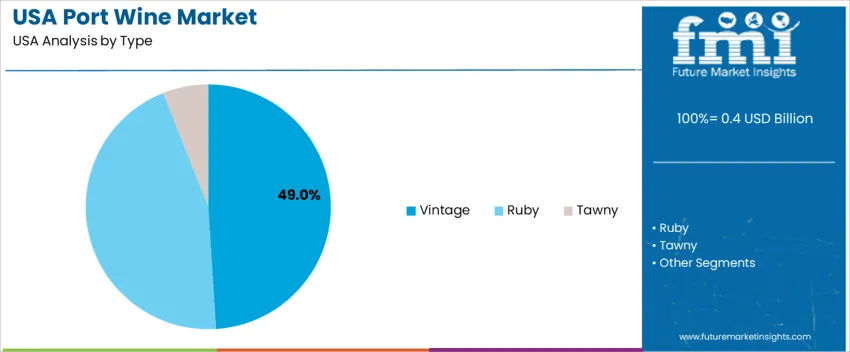
Vintage port wine accounts for 49% of the demand for port wine in the USA, driven by its premium quality, aging potential, and exclusivity. Vintage port is considered the highest-quality style of port wine, made from the best grapes in a single harvest and aged for a longer period, which enhances its complexity and depth of flavor. It is highly sought after by collectors and wine connoisseurs due to its ability to improve with age. The growing interest in fine wines, particularly among affluent consumers, has bolstered the demand for vintage port, especially during holiday seasons or special events. As consumers in the USA become more discerning in their wine preferences, vintage port wine remains the dominant type, maintaining a strong presence in both retail and high-end dining industries.
Why Does Red Port Wine Lead the Demand for Port Wine in USA?
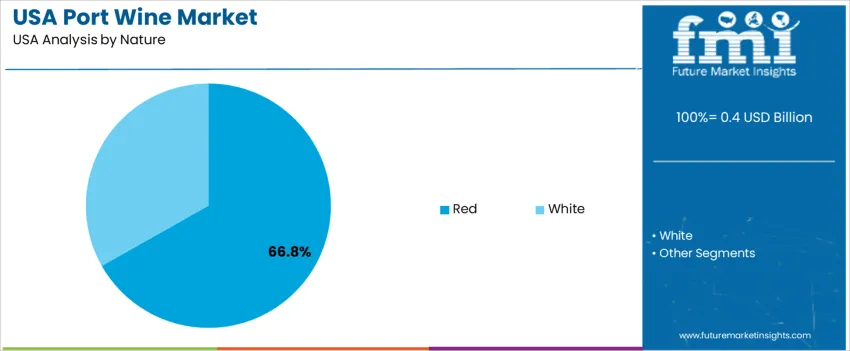
Red port wine accounts for 66.8% of the demand for port wine in the USA, driven by its rich, robust flavor profile and versatility in pairing with a wide range of foods. Red port is typically sweeter and more full-bodied than white port, making it more popular for dessert pairings and as a stand-alone drink. The demand for red port is fueled by its accessibility and familiarity, with many consumers preferring its traditional, well-established taste. As red port is commonly enjoyed during celebratory occasions, its demand remains strong, particularly during holidays, parties, and special events. With the increasing trend of gourmet food and wine pairings, red port wine continues to be the dominant style in the USA, appealing to a broad spectrum of wine drinkers. Its versatility and classic appeal ensure it remains a top choice in the industry.
What are the Key Trends, Drivers, and Restraints in Demand for Port Wine in USA?
Demand for port wine in the USA is growing within the broader rise of fortified and premium wines. As more American consumers especially younger adults and wine‑enthusiasts explore diverse and high‑quality alcoholic beverages, port (and other fortified wines) are seeing renewed interest. The trend toward “premiumization” of drinking habits where consumers trade up to richer, more distinctive wines supports this growth. Fortified wines offer deeper flavors, higher alcohol content, and suitability for cocktails or dessert pairings, which resonates with evolving USA tastes. Port still faces headwinds: overall long-term shifts toward low‑alcohol drinks, competition from craft beers and spirits, and changing regulatory/taxation or pricing pressures can limit its growth compared to mainstream wines.
Why is Demand for Port Wine Growing in USA?
Port wine appeals to USA consumers for several reasons. Its rich, sweet, full-bodied profile makes it a popular choice as a dessert wine or for pairing with cheese and chocolate, fitting well with celebratory and gourmet dining occasions. Growing cocktail culture and experimentation with wine‑based drinks have helped popularize ruby port and other varieties as mixing ingredients, making port relevant beyond traditional wine drinkers. Rising disposable incomes and growing interest in premium/imported beverages are driving the purchase of wines from overseas, including conventional Portuguese port. Wine‑specialty shops and online wine retail expansion make it easier for consumers to access a wide selection of port wines, boosting awareness and adoption.
How are Technological & Industry Innovations Driving Port Wine Demand in USA?
Innovation and industry shifts support port wine’s appeal and distribution. Improved global supply‑chain and logistics make imported wines more available and affordable across states. Wine producers and importers increasingly industry port as a versatile product: beyond a classic after‑dinner drink to a cocktail ingredient or gourmet pairing expanding its target consumer base. Packaging, branding, and industrying of port wines have improved to appeal to younger and premium‑oriented consumers. The broader rise of “fortified wines” as a category partly driven by demand for stronger, more flavourful, and longer‑lasting wines helps port gain visibility alongside fortified alternatives.
What are the Key Challenges and Risks That Could Limit Port Wine Demand in the USA?
Changing consumption trends particularly increased interest in low‑alcohol beverages, light wines, or non‑alcoholic drinks may reduce demand for fortified, high‑alcohol wines like port. Competition from other alcoholic beverages, such as craft beers, spirits, cocktails, and lighter wines, poses a threat. Price sensitivity: imported port wines tend to be more expensive than domestic wines or other alcoholic options, which may deter cost-conscious consumers. Regulatory, tax, and import duties on alcohol, which vary across states, can further raise retail prices and limit accessibility. Some wine drinkers may regard port as niche or traditional, limiting its appeal among those who prefer modern or mainstream wine styles.
What is the Regional Demand Outlook for Port Wine in USA?
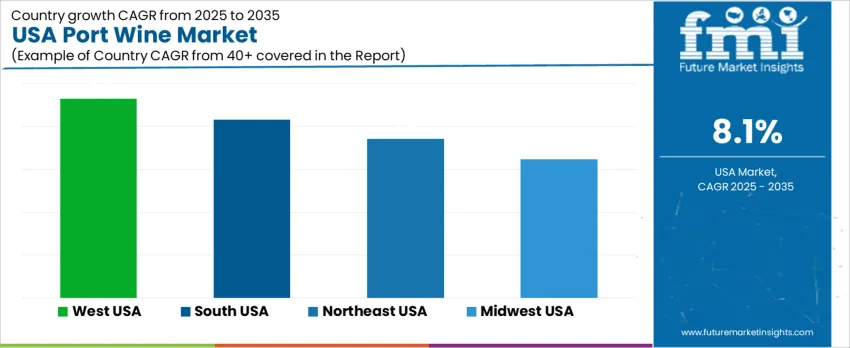
| Region | CAGR (%) |
|---|---|
| West USA | 9.3% |
| South USA | 8.3% |
| Northeast USA | 7.4% |
| Midwest USA | 6.5% |
Demand for port wine in the USA is rising steadily, with West USA leading at a 9.3% CAGR, supported by its established wine culture and growing interest in premium wines. South USA follows with an 8.3% CAGR, driven by the region’s evolving wine culture and increasing appreciation for diverse wine varieties. Northeast USA shows a 7.4% CAGR, fueled by its strong fine dining culture and growing consumer knowledge of fortified wines. Midwest USA experiences a 6.5% CAGR, with steady growth driven by the expanding wine industry and increasing interest in premium beverages. As wine culture continues to evolve across the country, demand for port wine will continue to rise.
How is Demand for Port Wine Growing in West USA?
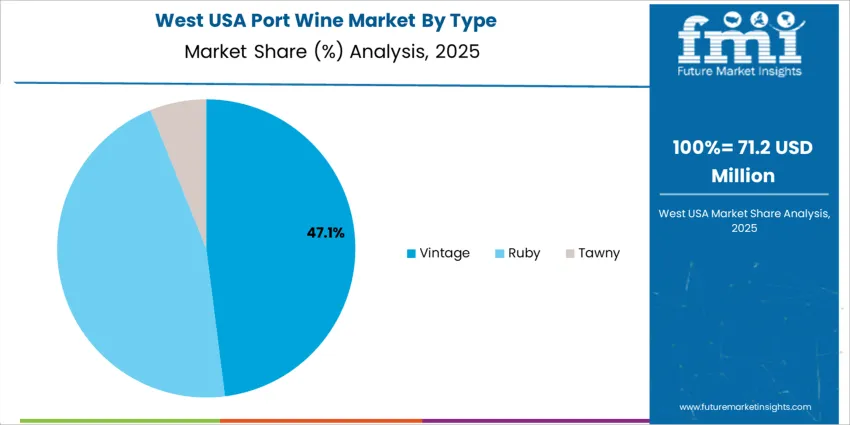
West USA leads the demand for port wine, growing at a 9.3% CAGR. The region’s strong wine culture, particularly in California’s wine-producing regions, plays a significant role in driving demand for premium wine varieties, including port. West USA’s growing interest in fortified wines, fueled by increasing consumer knowledge and appreciation for craft beverages, supports this trend. As more consumers seek unique and complex flavor profiles in their wine choices, port wine, known for its rich and sweet characteristics, has gained popularity in both restaurants and homes. West USA’s emphasis on fine dining and culinary tourism contributes to the increasing presence of port wine in wine lists and pairing menus. With continued consumer interest in premium wines, demand for port wine in West USA is expected to continue to rise, supported by the region's established wine culture and a shift toward more diverse wine options.
Why is Demand for Port Wine Rising in South USA?
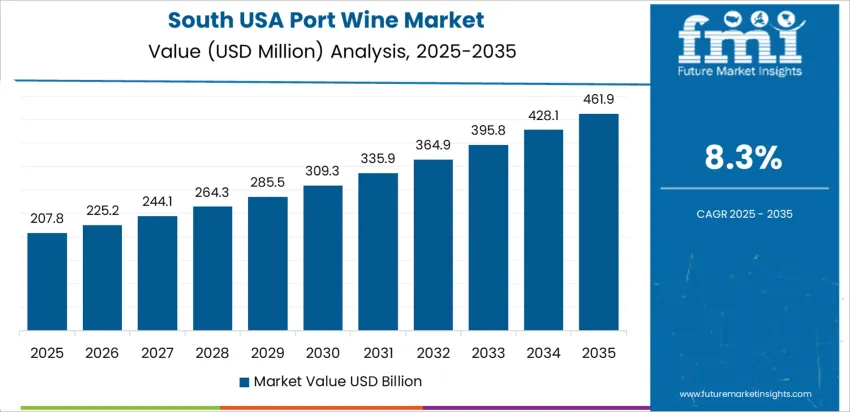
South USA is experiencing steady demand for port wine, with an 8.3% CAGR. The region’s evolving wine culture and growing interest in diverse wine varieties are driving the adoption of port wine, particularly in states like Texas and Florida. As the South USA increasingly embraces premium and artisanal beverages, port wine has found a niche industry, especially among connoisseurs and fine dining establishments. The rising popularity of wine pairing with food, particularly in Southern cuisine, has contributed to port wine’s growing presence in restaurants and homes. The region’s expanding wine tourism and festivals provide opportunities for consumers to explore fortified wines like port. As more individuals become knowledgeable about wine and seek bold and flavorful options, demand for port wine in South USA is expected to continue to rise. This trend reflects the broader shift in the region toward greater wine appreciation and exploration of new flavors.
How is Demand for Port Wine Expanding in Northeast USA?
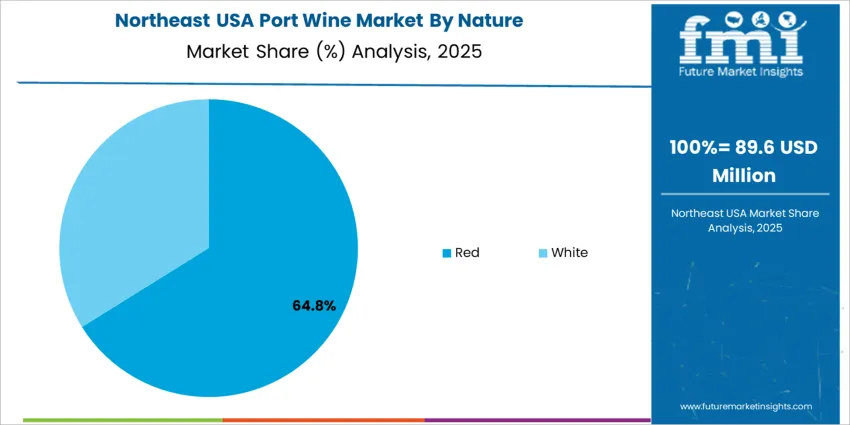
Northeast USA is seeing steady demand for port wine, growing at a 7.4% CAGR. The region’s robust wine industry, particularly in states like New York and Pennsylvania, has contributed to an increase in port wine consumption. As more consumers become interested in fortified wines, port wine is gaining popularity for its rich flavor and versatility, particularly in desserts, pairings, and cocktails. The Northeast’s sophisticated wine culture, with a focus on both local and international varieties, has led to an increased presence of port wine in wine shops, restaurants, and bars. The region’s strong focus on fine dining and high-end beverages supports steady growth for port wine, as it is often featured in exclusive wine lists and pairing menus. With an increasing number of wine enthusiasts and connoisseurs in the Northeast, demand for port wine is expected to continue to rise steadily as consumers seek bold and complex flavors.
How is Demand for Port Wine Growing in Midwest USA?
Midwest USA is experiencing moderate growth in demand for port wine, with a 6.5% CAGR. The region’s wine industry, while smaller than the coasts, has been expanding as consumers become more adventurous in their wine choices. The demand for port wine is particularly driven by the region’s interest in unique and high-quality wines that pair well with a variety of foods. The growing popularity of fine dining and wine pairings, along with increasing wine education, has led more consumers to explore fortified wines like port. The Midwest’s emerging wine culture, alongside the rise in wine festivals and events, provides opportunities for consumers to try new varieties. As more people in the region seek to diversify their wine portfolios and enjoy bold, rich flavors, demand for port wine is expected to continue its steady growth. The Midwest’s growing interest in premium beverages ensures that port wine will gain further traction.
What is the Competitive Landscape of Port Wine Demand in USA?
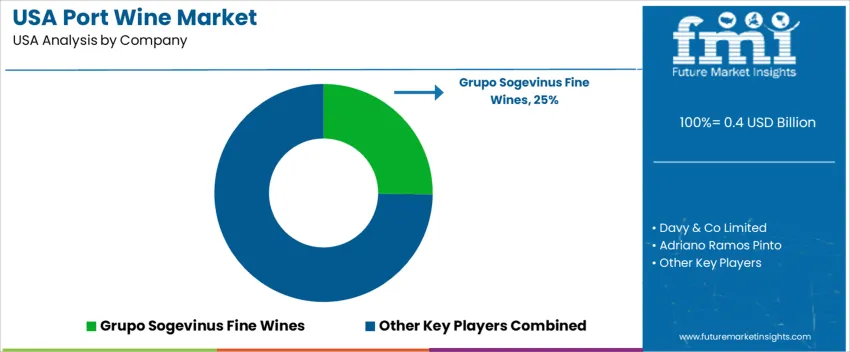
The demand for Port wine in the USA has been growing, driven by rising consumer interest in fortified wines as indulgent, dessert-friendly beverages. As wine drinkers explore richer, sweeter wine styles often seeking more complex flavors or a change from standard table wines. Port wine is becoming increasingly popular. This is complemented by an expansion of wine retail through specialty wine shops and online platforms, making Port wine more accessible to a broader audience.
Major producers and exporters of Port wine that contribute significantly to the USA industry include Grupo Sogevinus Fine Wines, Davy & Co Limited, Adriano Ramos Pinto, Quinta Do Crasto, and The Fladgate Partnership. Grupo Sogevinus Fine Wines is estimated to hold about 25.2% of the industry share as a top supplier exporting Port wine to the United States. These firms are known for offering a variety of Port styles including Ruby, Tawny, and Vintage catering both to consumers new to fortified wines and to connoisseurs seeking premium or aged bottles.
Growth in the USA Port wine industry is fueled by several factors. Increasing disposable incomes and a rising appetite for premium alcoholic beverages push consumers toward higher-quality, fortified wines. The growing interest in wine culture, gourmand pairings (desserts, cheese, chocolates), and wine-based cocktails expands Port’s appeal. Wine importers and retailers are leveraging diversified distribution channels, such as retail stores, online wine shops, and specialized importers, making Port wines more widely available across regions. Consumer trends toward exploring older-aged ports (Tawny, vintage) or more artisanal bottles drive demand for variety and quality, intensifying competition among suppliers to differentiate by age, taste profile, and wine heritage.
Key Players in USA Port Wine Demand
- Grupo Sogevinus Fine Wines
- Davy & Co Limited
- Adriano Ramos Pinto
- Quinta Do Crasto
- The Fladgate Partnership
Scope of Report
| Items | Values |
|---|---|
| Quantitative Units (2025) | USD billion |
| Type | Diode, Vapor Chamber, Variable Conductance |
| Nature | Red, White |
| Region | West USA, South USA, Northeast USA, Midwest USA |
| Countries Covered | USA |
| Key Companies Profiled | Grupo Sogevinus Fine Wines, Davy & Co Limited, Adriano Ramos Pinto, Quinta Do Crasto, The Fladgate Partnership |
| Additional Attributes | Dollar sales by wine type and nature; regional CAGR and adoption trends across different states in the USA; innovations in port wine production techniques; growing consumer interest in premium and eco-friendly wine offerings; impact of online retail channels and changing consumption patterns on the industry. |
USA Port Wine Demand by Key Segments
Type
- Diode
- Vapor Chamber
- Variable Conductance
Nature
- Red
- White
Region
- West USA
- South USA
- Northeast USA
- Midwest USA
Frequently Asked Questions
How big is the demand for port wine in USA in 2025?
The demand for port wine in USA is estimated to be valued at USD 0.4 billion in 2025.
What will be the size of port wine in USA in 2035?
The market size for the port wine in USA is projected to reach USD 0.9 billion by 2035.
How much will be the demand for port wine in USA growth between 2025 and 2035?
The demand for port wine in USA is expected to grow at a 8.1% CAGR between 2025 and 2035.
What are the key product types in the port wine in USA?
The key product types in port wine in USA are vintage, ruby and tawny.
Which nature segment is expected to contribute significant share in the port wine in USA in 2025?
In terms of nature, red segment is expected to command 66.8% share in the port wine in USA in 2025.
Preview the report firsthand - request a free sample
Get SampleGet the brochure for pricing and purchase details.
Get PDFTable of Content
- Executive Summary
- USA Market Outlook
- Demand-side Trends
- Supply-side Trends
- Technology Roadmap Analysis
- Analysis and Recommendations
- Market Overview
- Market Coverage / Taxonomy
- Market Definition / Scope / Limitations
- Market Background
- Market Dynamics
- Drivers
- Restraints
- Opportunity
- Trends
- Scenario Forecast
- Demand in Optimistic Scenario
- Demand in Likely Scenario
- Demand in Conservative Scenario
- Opportunity Map Analysis
- Product Life Cycle Analysis
- Supply Chain Analysis
- Investment Feasibility Matrix
- Value Chain Analysis
- PESTLE and Porter’s Analysis
- Regulatory Landscape
- Regional Parent Market Outlook
- Production and Consumption Statistics
- Import and Export Statistics
- Market Dynamics
- USA Market Analysis 2020 to 2024 and Forecast, 2025 to 2035
- Historical Market Size Value (USD Million) Analysis, 2020 to 2024
- Current and Future Market Size Value (USD Million) Projections, 2025 to 2035
- Y-o-Y Growth Trend Analysis
- Absolute $ Opportunity Analysis
- USA Market Pricing Analysis 2020 to 2024 and Forecast 2025 to 2035
- USA Market Analysis 2020 to 2024 and Forecast 2025 to 2035, By Type
- Introduction / Key Findings
- Historical Market Size Value (USD Million) Analysis By Type , 2020 to 2024
- Current and Future Market Size Value (USD Million) Analysis and Forecast By Type , 2025 to 2035
- Vintage
- Ruby
- Tawny
- Y-o-Y Growth Trend Analysis By Type , 2020 to 2024
- Absolute $ Opportunity Analysis By Type , 2025 to 2035
- USA Market Analysis 2020 to 2024 and Forecast 2025 to 2035, By Nature
- Introduction / Key Findings
- Historical Market Size Value (USD Million) Analysis By Nature, 2020 to 2024
- Current and Future Market Size Value (USD Million) Analysis and Forecast By Nature, 2025 to 2035
- Red
- White
- Y-o-Y Growth Trend Analysis By Nature, 2020 to 2024
- Absolute $ Opportunity Analysis By Nature, 2025 to 2035
- Market Structure Analysis
- Competition Dashboard
- Competition Benchmarking
- Market Share Analysis of Top Players
- By Regional
- By Type
- By Nature
- Competition Analysis
- Competition Deep Dive
- Grupo Sogevinus Fine Wines
- Overview
- Product Portfolio
- Profitability by Market Segments (Product/Age /Sales Channel/Region)
- Sales Footprint
- Strategy Overview
- Marketing Strategy
- Product Strategy
- Channel Strategy
- Davy & Co Limited
- Adriano Ramos Pinto
- Quinta Do Crasto
- The Fladgate Partnership
- Grupo Sogevinus Fine Wines
- Competition Deep Dive
- Assumptions & Acronyms Used
- Research Methodology


