

- CAGR (2025 to 2035)
- 6.8%
Electronic Thermal Materials Market Share Analysis Outlook (2025 to 2035)
Growing need for effective cooling techniques for electronic devices is leading to increasing demand for electronic thermal materials. This market is projected to expand at a rate of 6.8% CAGR, reaching a total of USD 5.7 billion by the year 2035.
| Attribute | Details |
|---|---|
| Projected Value by 2035 | USD 5.7 billion |
| CAGR during the period 2025 to 2035 | 6.8% |
In the context of shrinking size and enhanced power, ensuring proper heat management has turned into a primary challenge. TIMs, gap fillers, and phase-change materials have a central role to play in the provision of both high-performance and reliability in consumer electronics, automotive, and industrial applications.
Trends of the company Henkel, 3M, and Dow are formed to deal with the issues of miniaturization, sustainability, and the need for high thermal conductivity. Through the provision of high-value outcomes for the industry, the market serves as an innovation and growth platform across the world, including the most dynamic electrical and communication applications.
Market Overview of Electronic Thermal Materials Market
Electronic thermal materials are necessary for effective heat dissipation in electronic devices to ensure their performance stability and longevity. The consumer, automotive, telecommunications, and industrial sectors depend on their applications for any kind of thermal management.
As electronic components are continually shrinking with ever-higher performance, advanced thermal materials, including thermal pastes, adhesives, and phase-change materials, are seeing a tremendous boost in demand.
Asia-Pacific dominates this market because the electronics manufacturing bases in China, South Korea, and Japan have been rapidly advancing. High-performance materials are a focus in Europe and North America, in electric vehicles as well as the infrastructure of telecommunication networks. The convergence of sustainability goals with performance demands spurred bio-based and recyclable thermal materials innovation in a significant way.
Key Growth Drivers of Electronic Thermal Materials Market
- Rising Demand for Miniaturized Electronics: The trend of smaller, more powerful devices drives the need for efficient thermal management solutions.
- Electric Vehicle Acceptance: The EV market is utterly dependent on thermal products for battery heat management and improvement of safety.
- Increase in 5G Infrastructure Development: The rollout of 5G networks increases the demand for thermal solutions in telecom base stations and devices.
Industry Landscape of Electronic Thermal Materials Market
| Category | Industry Share (%) |
|---|---|
| Top 3 Players (Henkel, 3M, Dow) | 45% |
| Rest of Top 5 (Parker Hannifin, Shin-Etsu Chemical) | 30% |
| Rest of Top 10 | 25% |
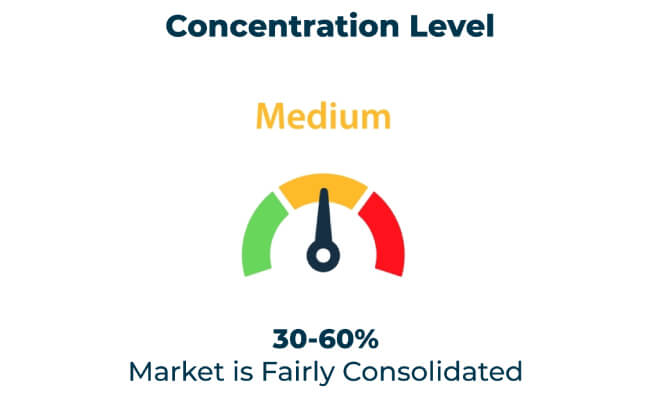
Market Concentration of Electronic Thermal Materials Market
The market is moderately consolidated, with leading players driving innovation and smaller firms catering to niche applications.
Technology Trends of Electronic Thermal Materials Market
- High Thermal Conductivity Materials: Creating materials with higher than average conductivity is intended for the use in the new-generation electronics that have to meet high-performance demands.
- Phase-Change Materials: For applications involving particularly high-temperature conditions and energy-efficient heat transfer, they are increasingly being accepted.
- Sustainable Solutions: The primary goal is to promote the use of bio products as well as recyclables that have a thermal insulation function to meet environmental goals.
Regional Highlights of Electronic Thermal Materials Market
| Region | Market Share (%) |
|---|---|
| Asia-Pacific | 40% |
| North America | 25% |
| Europe | 30% |
| Rest of the World | 5% |
- Asia-Pacific: The market is driven ahead by consumer electronics manufacturing in China, South Korea, and Japan and by the emerging EV industry.
- North America: The investments in electric vehicles, 5G infrastructure, and high-performance computing systems are driving the demand for advanced thermal materials.
- Europe: The region is focused on sustainable and high-performance thermal materials, driven by stringent environmental regulations and EV adoption.
- Rest of the World: Gradual adoption is seen in emerging regions as industrialization and electronics usage increase.
End-Use Industry Segments
- Consumer Electronics: Accounts for 45% of the market share, driven by smartphones, laptops, and gaming devices.
- Automotive: Accounts for 30%, with demand in EV batteries and power electronics in thermal management.
- Telecommunications: 15% contribution, mainly driven by the expansion of 5G base stations and devices.
- Industrial Applications: 10% capacity holding, robotics, data centers, and other heat-intensive applications.
Key Regulations of Electronic Thermal Materials Market
- North America: Thermal safety material regulations on electric vehicle batteries and electronics.
- Europe: Environmental regulations promote the adoption of sustainable, low-VOC, and recyclable materials.
- Asia-Pacific: Countries such as China and Japan enforce standards to improve product reliability and safety in electronics.
Year-over-Year Leaders of Electronic Thermal Materials Market
- Henkel: Pioneers in high-performance thermal adhesives, targeting miniaturized devices and EV battery solutions.
- 3M: Focuses on developing phase-change materials for high-power applications in 5G infrastructure.
- Dow: Innovates in gap fillers with superior thermal conductivity for industrial and automotive sectors.
Key Highlights from the Forecast of Electronic Thermal Materials Market
- The fastest-growing sector for electric vehicle thermal materials is applications in EVs, based on the expected rising global adoption of electric vehicles.
- Asia-Pacific to Maintain Market Leadership: The dominance is going to be through electronics manufacturing as well as a growing EV market.
- Focus on high-performance materials: Innovations in thermal pastes and gap fillers will dominate product development to meet the requirements of high-power devices.
Who Shaped the Year of Electronic Thermal Materials Market
- Henkel: Led innovations in sustainable thermal materials and adhesives for electric vehicle applications.
- 3M: Launched the phase-change material for telecom base stations to fuel its 5G growth.
- Dow Introduced High Conductivity Gap Fillers For Critical Automotive and Industrial Applications.
Challenges and Opportunities of Electronic Thermal Materials Market
Challenges
- Material Costs: High-performance thermal materials are usually expensive, which can reduce profitability.
- Technical Limitations: Consistent performance under changing conditions is still a limitation.
- Sustainability Barriers: Transitioning to recyclable or bio-based thermal materials requires significant investment and research.
Opportunities
- Emerging Markets: Growing industrialization in Latin America and Africa creates new opportunities for thermal material adoption.
- Electric Vehicle Growth: Expanding EV adoption provides a lucrative market for thermal management solutions in batteries and inverters.
- 5G Deployment: Rapid infrastructure development for 5G boosts demand for thermal solutions in high-performance telecommunications devices.
Tier-Wise Industry Classification of Electronic Thermal Materials Market
| Tier | Tier-I |
|---|---|
| Market Share (%) | 45% |
| Examples | Henkel, 3M, Dow |
| Tier | Tier-II |
|---|---|
| Market Share (%) | 30% |
| Examples | Parker Hannifin, Shin-Etsu Chemical |
| Tier | Tier-III |
|---|---|
| Market Share (%) | 25% |
| Examples | Regional and niche players |
Recommendations for Suppliers of Electronic Thermal Materials Market
- Invest in High-Performance Materials: Focus on developing solutions with superior thermal conductivity to meet demand in advanced electronics.
- Expand in Emerging Markets: Strengthen presence in Asia-Pacific and other high-growth regions to capitalize on rising electronics and EV demand.
- Sustainability Focus: Innovate in bio-based and recyclable materials to align with environmental regulations and consumer expectations.
Future Roadmap of Electronic Thermal Materials Market
The electronic thermal materials market will evolve as industries prioritize sustainability, miniaturization, and performance optimization. Companies must invest in high-conductivity materials and bio-based solutions to stay competitive. Emerging applications, particularly in electric vehicles and 5G infrastructure, will drive significant growth.
Strategic collaborations between global leaders and regional players will enhance innovation and help meet localized demand. Firms that balance technological advancements with regulatory compliance will maintain leadership in this dynamic market.
Appendix of Electronic Thermal Materials Market
- Definitions: Electronic thermal materials are specialized solutions that facilitate heat dissipation in electronic devices, ensuring performance stability and reliability.
- Research Methodology: Data sources include primary research (expert interviews) and secondary research (market reports and regulatory documents).
Electronic Thermal Materials Market Share Analysis Segmentation
By End-Use:
- Consumer Electronics
- Automotive
- Telecommunications
- Industrial Applications
By Region:
- Asia-Pacific
- North America
- Europe
- Rest of the World
Frequently Asked Questions
What is the expected growth of Electronic Thermal Management Materials Market until 2035?
The market is projected to grow at CAGR of 6.8% between 2025 and 2035
What is the expected worth of the market by 2035?
The Electronic Thermal Management Materials market is expected to reach USD 5.7 billion by 2035
What are the growth drivers of Electronic Thermal Management Materials Market?
Increasing demand of consumer electronics to drive growth in the market.
Who are the key players in Electronic Thermal Management Materials Market?
Key players in the Electronic Thermal Management Materials market include Henkel, 3M, and Dow
Preview the report firsthand - request a free sample
Get SampleGet the brochure for pricing and purchase details.
Get PDFTable of Content
- Summary
- Market Overview
- Key Growth Drivers
- Industry Landscape
- Technology Trends
- Regional Highlights
- End-Use Industry Segments
- Key Regulations
- Key Highlights from the Forecast
- Challenges
- Opportunities
- Tier-Wise Industry Classification
- Recommendations for Suppliers
- Future Roadmap
- Appendix


