

- Industry Size (2025)
- USD 35.8 Bn
- Forecast (2035)
- USD 144.8 Bn
- CAGR (2025 to 2035)
- 15.0%
Wearable Fitness Tracker Market Size, Market Forecast and Outlook By FMI
The wearable fitness tracker market is expected to expand from USD 35.8 billion in 2025 to USD 144.8 billion by 2035. The market is anticipated to register a 15.0% CAGR during the forecast period. Wrist wear is likely to lead with a 42.7% share, while daily activity tracker is projected to account for 38.5% of application demand in 2025.
Summary of the Wearable Fitness Tracker Market
- Demand and Growth Drivers
- Preventive health awareness is increasing use of fitness trackers across daily routines.
- Smartphone integration is improving user engagement through app-based health insights.
- AI-enabled coaching is creating stronger value for personalized fitness monitoring.
- Product and Segment View
- Wrist wear is likely to lead due to comfort and continuous health tracking.
- Daily activity trackers hold strong demand through simple movement monitoring.
- E-commerce is gaining strength through wider product access and price comparison.
- Geography and Competitive Outlook
- Asia Pacific is likely to expand quickly through smartphone use and affordable devices.
- North America is supported by digital health adoption and premium smartwatch demand.
- Europe is gaining from privacy-focused wearables and preventive care interest.
- Analyst Opinion
- Sudip saha, Principal Consultant for Technology at FMI, suggests “The wearable fitness tracker market is moving toward deeper personal health monitoring and app-linked coaching. Device makers with stronger sensor accuracy and data privacy controls may gain advantage as consumers use wearables for daily activity and preventive health.”
- Wearable Fitness Tracker Market Value Analysis
- The wearable fitness tracker market is shifting from step counting into personal health monitoring.
- Consumer spending may improve as wearables offer stronger health insights.
- Wrist wear is set to retain strength through comfort and everyday usability.
- Online retail is likely to support wider access across Asia Pacific and North America.
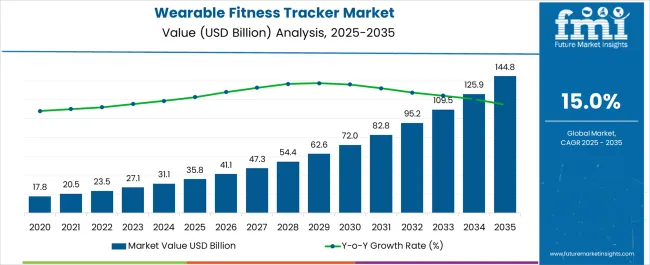
Key Takeaways, Market Size, and Forecast
- The wearable fitness tracker market was valued at USD 35.8 billion in 2025.
- By 2035, the market is forecast to advance to USD 144.8 billion.
- The market is anticipated to expand at a 15.0% CAGR from 2025 to 2035.
- Wrist wear is likely to hold 42.7% of product type share in 2025.
- Daily activity tracker is projected to account for 38.5% of application demand in 2025.
- E-commerce is likely to lead distribution with 55.3% share in 2025.
| Metric | Value |
|---|---|
| Wearable Fitness Tracker Market Estimated Value in (2025 E) | USD 35.8 billion |
| Wearable Fitness Tracker Market Forecast Value in (2035 F) | USD 144.8 billion |
| Forecast CAGR (2025 to 2035) | 15.0% |
Rationale for Segmental Growth in the Wearable Fitness Tracker Market
The wearable fitness tracker market is expanding at a steady pace due to increasing consumer focus on health monitoring, rising adoption of digital health solutions, and integration of advanced technologies such as AI and IoT into fitness devices. Current dynamics are being shaped by heightened awareness of preventive healthcare, growing smartphone penetration, and compatibility of trackers with mobile applications.
The market is also benefiting from demand for real-time data insights that support fitness goals and lifestyle management. Challenges around data privacy and device accuracy are being addressed through continuous innovation and compliance with regulatory standards.
The future outlook is supported by technological advancements, declining device costs, and expanding distribution networks across both developed and emerging markets Growth rationale is founded on rising consumer willingness to invest in health-focused wearables, improved battery efficiency, and personalized health monitoring features that are expected to ensure sustainable market penetration and long-term adoption.
Segmental Analysis
Insights into the Product Type Segment
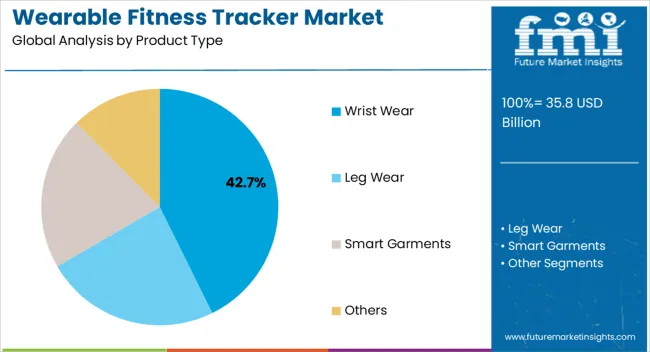
The wrist wear segment, holding 42.70% of the product type category, has emerged as the leading form factor due to its ergonomic design, affordability, and multifunctional capabilities. Its dominance is being supported by strong consumer preference for lightweight, user-friendly devices that provide continuous health monitoring without intrusion.
Manufacturers have focused on integrating additional features such as heart rate monitoring, GPS tracking, and sleep analysis, which have further reinforced market acceptance. The segment benefits from strong alignment with lifestyle and fashion trends, enhancing its appeal to younger demographics and urban consumers.
Sustained investment in miniaturization technologies and waterproof designs has improved durability and usability, strengthening long-term adoption With continuous innovation and broad market reach, the wrist wear category is expected to maintain its leadership position and drive overall market growth.
Insights into the Application Segment:
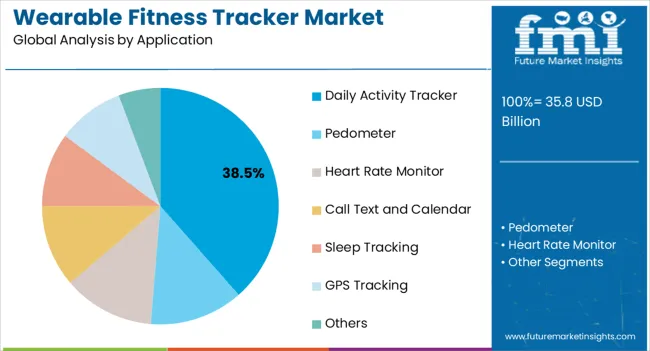
The daily activity tracker segment, representing 38.50% of the application category, has maintained its leading share due to strong demand for continuous monitoring of steps, calories burned, and overall physical activity. Its adoption has been driven by increasing consumer interest in maintaining healthy lifestyles and preventing chronic conditions.
Integration with mobile apps that provide real-time insights and personalized feedback has significantly improved user engagement. The segment’s growth is supported by rising workplace wellness initiatives and greater adoption among health-conscious urban populations.
Continuous improvements in tracking accuracy, battery performance, and connectivity have further strengthened consumer confidence As daily activity monitoring becomes a routine part of modern lifestyles, the segment is expected to sustain its leading position within the market.
Insights into the Distribution Channel Segment:
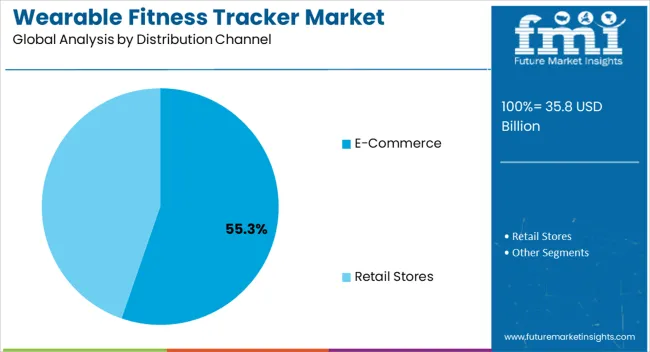
The e-commerce segment, accounting for 55.30% of the distribution channel category, has emerged as the dominant channel due to its convenience, wide product availability, and competitive pricing. The strong preference for online platforms has been reinforced by efficient delivery systems, transparent product comparisons, and frequent promotional discounts.
Consumer adoption has been further encouraged by the growing penetration of digital payment systems and rising smartphone usage. The channel benefits from the ability of global and regional e-commerce players to cater to diverse consumer bases with personalized recommendations and bundled offers.
Market acceptance has also been supported by online-exclusive product launches and expanded reach into rural and semi-urban areas With the continued expansion of digital retail infrastructure, the e-commerce segment is expected to maintain its leadership and drive incremental sales growth for wearable fitness trackers worldwide.
2020 to 2025 Historical Analysis vs. 2025 to 2035 Market Forecast Projections
The scope for wearable fitness tracker rose at a 14.6% CAGR between 2020 and 2025. The global market for wearable fitness tracker is anticipated to grow at a moderate CAGR of 15.7% over the forecast period 2025 to 2035.
| Report Attributes | Details |
|---|---|
| Market Value in 2020 | USD 15,540.2 million |
| Market Value in 2025 | USD 26,787.8 million |
| CAGR from 2020 to 2025 | 14.6% |
The wearable fitness tracker market experienced a significant growth during the historical period from 2020 to 2025, attributed to a continued rise in health consciousness, with consumers increasingly prioritizing fitness and wellness. The trend accelerated the demand for wearable fitness trackers during the historical period.
Advances in sensor technology, battery life, and data analytics during this period had enhanced the functionality and appeal of wearable fitness trackers. Wearable fitness became more integrated with smartphones and other smart devices, providing users with seamless connectivity and access to a wider range of features.
The integration of wearable fitness trackers into healthcare systems and the adoption of these devices in corporate wellness programs became more prevalent, contributing to market growth.
The forecast period from 2025 to 2035 is expected to witness an accelerated growth in the market. In the forthcoming years, the wearable fitness trackers are expected to incorporate more advanced health monitoring features, such as continuous blood glucose monitoring, ECG monitoring, and other biometric measurements.
The use of artificial intelligence and machine learning is likely to increase, enabling wearable fitness trackers to provide more personalized insights and recommendations based on user data. Wearable fitness trackers may evolve into more sophisticated medical devices, obtaining regulatory approvals for specific health applications and potentially being prescribed for certain medical conditions.
The trackers are likely to leverage faster and more reliable connectivity for real time data transmission and improved performance, with the rollout of 5G technology.
Wearable Fitness Tracker Market Key Drivers
- There is a growing interest in fitness and wellness, as people become more health conscious. Wearable fitness trackers provide a convenient way for individuals to monitor their physical activity, sleep patterns, and overall health, contributing to growth of the market.
- Continuous technological advancements in wearable technology, such as improved sensors, longer battery life, and enhanced data analytics capabilities, drive the adoption of wearable fitness trackers. The innovations make the devices more user friendly and appealing to a broader audience.
- The integration of fitness trackers with smartphones and dedicated apps allows users to track and analyze their health and fitness data in real time. Seamless connectivity and data synchronization with other devices have become a key trend, enhancing the overall user experience.
- Wearable fitness trackers are evolving to provide more personalized insights and recommendations based on individual health data. The trend enhances user engagement and encourages long term use of these devices.
Challenges in the Wearable Fitness Tracker Market
- The collection of personal health data raises concerns about privacy and security. Consumers may be hesitant to adopt wearable fitness trackers or share sensitive health information due to fears of data breaches or misuse of personal data.
- The limited battery life of many wearable fitness trackers remains a challenge, while battery technology is improving. Users may find frequent charging inconvenient, and the need for more extended battery life is crucial, especially for those who engage in extended outdoor activities.
- Maintaining high accuracy in tracking various health metrics, including steps, heart rate, and sleep, is essential. Inaccuracies or inconsistencies in data can erode user trust and satisfaction, hampering market growth.
- Some consumers may be reluctant to adopt wearable fitness trackers due to their appearance. If devices are perceived as unattractive or not aligning with current fashion trends, it can impact their acceptance, especially among style conscious consumers.
Country-wise Insights
The below table showcases revenues in terms of the top 5 leading countries, spearheaded by India and China. The countries are expected to lead the market through 2035.
Forecast CAGRs from 2025 to 2035
| The United States | 9.2% |
|---|---|
| The United Kingdom | 9.2% |
| India | 16.7% |
| China | 13.2% |
| Japan | 12.8% |
Technological Advancements Driving the Market in the United States
The wearable fitness tracker market in the United States expected to expand at a CAGR of 9.2% through 2035. The market in the United States often experiences early adoption of the latest technologies. Ongoing advancements in wearable technology, including sensors, battery life, and connectivity, contribute to the appeal of fitness trackers among tech savvy consumers.
The integration of wearable fitness trackers into healthcare systems and the emphasis on remote patient monitoring contribute to market growth. Healthcare providers increasingly use these devices to monitor the health of patients remotely.
Government Initiatives to Accelerate Market Growth in Japan
The wearable fitness tracker market in Japan is anticipated to expand at a CAGR of 12.8% through 2035. Government led initiatives promoting a healthier lifestyle and physical activity play a role in boosting the market. Public health campaigns and policies encourage citizens to be more active, aligning with the goals of wearable fitness trackers.
Wearable fitness trackers that seamlessly integrate with traditional cultural practices, such as walking and outdoor activities, resonate well with Japanese consumers. Devices that align with local customs have higher acceptance in the market.
Widespread Use of Smartphones Fueling the Market in India
The wearable fitness tracker market in India is poised to expand at a CAGR of 16.7% through 2035. The widespread use of smartphones in India creates an opportunity for wearable fitness trackers that seamlessly integrate with smartphone ecosystems. Connectivity features enhance user experience and convenience.
The popularity of fitness apps and online platforms in India enhances the adoption of wearable fitness trackers. Integration with these platforms provides users with a comprehensive fitness ecosystem. Companies that adopt localized marketing strategies and offer customization options based on cultural preferences and trends are likely to attract a wider audience in India.
E-Commerce Ecosystem Spearhead the Market in China
Wearable fitness tracker trends in China are taking a turn for the better. A 13.2% CAGR is forecast for the country from 2025 to 2035. China has a robust e-commerce ecosystem, and online platforms provide convenient access to a wide range of wearable fitness trackers. The popularity of online shopping contributes to the growth of market by making devices easily available to consumers.
The increasing emphasis on preventive healthcare in China aligns with the capabilities of wearable fitness trackers. The devices can help users monitor their health proactively, contributing to preventive healthcare practices.
Advanced Biometric Features Driving the Sales in the United Kingdom
The wearable fitness tracker market in the United Kingdom is anticipated to expand at a CAGR of 9.2% through 2035. Wearable fitness tracker manufacturers implement robust security measures to protect user data, with growing concerns about data privacy. Enhanced privacy features and compliance with data protection regulations contribute to user trust and market growth.
Wearable fitness trackers with advanced biometric features, such as blood oxygen monitoring and skin temperature tracking, offer users a more comprehensive health monitoring experience. The additional metrics attract health conscious consumers.
Category-wise Insights
The below table highlights how wrist wear segment is projected to lead the market in terms of product type, and is expected to account for a share of 43.4% in 2025.
Based on application, the heart rate monitor segment is expected to account for a share of 18.7% in 2025.
| Category | Shares in 2025 |
|---|---|
| Wrist Wear | 43.4% |
| Heart Rate Monitor | 18.7% |
Wrist Wear Segment Claims High Demand for Wearable Fitness Tracker
Based on product type, the wrist wear segment is expected to continue dominating the wearable fitness tracker market. The segment is expected to account for a share of 43.4% in 2025.
Wrist wearables, especially smartwatches, offer a range of functionalities beyond fitness tracking. Users can access notifications, make calls, check emails, and even use third party apps, making these devices versatile and appealing for everyday use.
Wrist wearables often include advanced health monitoring features such as continuous heart rate monitoring, sleep tracking, and GPS capabilities. The comprehensive health insights attract consumers looking for a holistic approach to fitness and well being.
Wrist wearables seamlessly integrate with smartphones, allowing users to receive notifications, control music, and even answer calls directly from their wrists. The connectivity enhances the overall user experience and convenience.
Heart Rate Monitor Segment to Hold High Demand for Wearable Fitness Tracker
In terms of application, the heart rate monitor segment is expected to continue dominating the wearable fitness tracker market. The segment is expected to account for a share of 18.7% in 2025.
Heart rate monitoring provides valuable insights into cardiovascular health and fitness levels. Users can track their heart rate in different situations, helping them understand how their bodies respond to various activities and stressors.
Heart rate monitors assist users in optimizing their workouts by providing real time feedback on exercise intensity. Users can tailor their exercise routines based on their target heart rate zones, ensuring they achieve their fitness goals efficiently and safely.
The ability to monitor heart rate continuously throughout the day, including during sleep, contributes to a more comprehensive understanding of overall health. The continuous monitoring is especially valuable for identifying patterns and trends over time.
Competitive Landscape
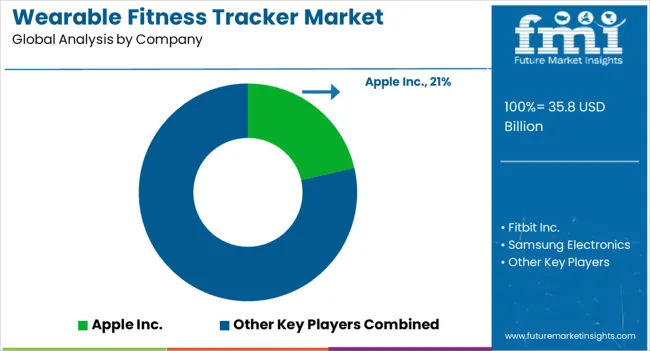
The key strategies chosen by large companies include several growth strategies such as technology development, expansion as well and mergers and acquisitions to surge market share, reach and revenue.
- In 2025, Apple announced the launch of its new Apple Watch Series 8, which features a new temperature sensor for sleep tracking and a new ovulation tracking feature for women.
- In 2025, Samsung announced the launch of its new Galaxy Watch 5, which features a new BioActive sensor for measuring body composition and a new sleep coaching feature.
- In 2025, Fitbit announced the launch of its new Fitbit Sense 2, which features a new continuous electrodermal activity sensor for measuring stress levels and a new ECG app for detecting atrial fibrillation.
- In the same year, Garmin announced the launch of its new Garmin Venu Sq 2, which features a new AMOLED display and a new advanced sleep tracking feature.
Report Scope
| Attribute | Details |
|---|---|
| Estimated Market Size in 2025 | USD 35.8 billion |
| Projected Market Valuation in 2035 | USD 144.8 billion |
| Value-based CAGR 2025 to 2035 | 15.0% |
| Forecast Period | 2025 to 2035 |
| Historical Data Available for | 2020 to 2025 |
| Market Analysis | Value in USD million |
| Key Regions Covered | North America Latin America Western Europe Eastern Europe South Asia and Pacific East Asia The Middle East & Africa |
| Key Market Segments Covered | Product Type Application Distribution Channel Age Group Region |
| Key Countries Profiled | The United States Canada Brazil Mexico Germany France France Spain Italy Russia Poland Czech Republic Romania India Bangladesh Australia New Zealand China Japan South Korea GCC countries South Africa Israel |
| Key Companies Profiled | Apple Inc.; Fitbit Inc.; Samsung Electronics; Sony Corporation; Xiaomi; Garmin Ltd.; Fossil Group; Jawbone; TomTom International BV; Huawei Technologies Co., Ltd. |
Segmentation Analysis of the Wearable Fitness Tracker Market
By Product Type:
- Wrist Wear
- Leg Wear
- Smart Garments
- Others
By Application:
- Pedometer
- Heart Rate Monitor
- Daily Activity Tracker
- Call Text and Calendar
- Sleep Tracking
- GPS Tracking
- Others
By Distribution Channel:
- E-Commerce
- Retail Stores
By Age Group:
- 0 to 5 Years
- 6 to 18 Years
- 19 to 24 Years
- 25 to 44 Years
- 45 to 60 Years
- 60+ Years
By Region:
- North America
- Latin America
- Western Europe
- Eastern Europe
- South Asia & Pacific
- East Asia
- The Middle East & Africa
Frequently Asked Questions
How big is the wearable fitness tracker market in 2025?
The global wearable fitness tracker market is estimated to be valued at USD 35.8 billion in 2025.
What will be the size of wearable fitness tracker market in 2035?
The market size for the wearable fitness tracker market is projected to reach USD 144.8 billion by 2035.
How much will be the wearable fitness tracker market growth between 2025 and 2035?
The wearable fitness tracker market is expected to grow at a 15.0% CAGR between 2025 and 2035.
What are the key product types in the wearable fitness tracker market?
The key product types in wearable fitness tracker market are wrist wear, leg wear, smart garments and others.
Which application segment to contribute significant share in the wearable fitness tracker market in 2025?
In terms of application, daily activity tracker segment to command 38.5% share in the wearable fitness tracker market in 2025.
Preview the report firsthand - request a free sample
Get SampleGet the brochure for pricing and purchase details.
Get PDFTable of Content
- Executive Summary
- Global Market Outlook
- Demand-side Trends
- Supply-side Trends
- Technology Roadmap Analysis
- Analysis and Recommendations
- Market Overview
- Market Coverage / Taxonomy
- Market Definition / Scope / Limitations
- Market Background
- Market Dynamics
- Drivers
- Restraints
- Opportunity
- Trends
- Scenario Forecast
- Demand in Optimistic Scenario
- Demand in Likely Scenario
- Demand in Conservative Scenario
- Opportunity Map Analysis
- Product Life Cycle Analysis
- Supply Chain Analysis
- Investment Feasibility Matrix
- Value Chain Analysis
- PESTLE and Porter’s Analysis
- Regulatory Landscape
- Regional Parent Market Outlook
- Production and Consumption Statistics
- Import and Export Statistics
- Market Dynamics
- Global Market Analysis 2020 to 2024 and Forecast, 2025 to 2035
- Historical Market Size Value (USD Billion) Analysis, 2020 to 2024
- Current and Future Market Size Value (USD Billion) Projections, 2025 to 2035
- Y-o-Y Growth Trend Analysis
- Absolute $ Opportunity Analysis
- Global Market Pricing Analysis 2020 to 2024 and Forecast 2025 to 2035
- Global Market Analysis 2020 to 2024 and Forecast 2025 to 2035, By Product Type
- Introduction / Key Findings
- Historical Market Size Value (USD Billion) Analysis By Product Type , 2020 to 2024
- Current and Future Market Size Value (USD Billion) Analysis and Forecast By Product Type , 2025 to 2035
- Wrist Wear
- Leg Wear
- Smart Garments
- Others
- Y-o-Y Growth Trend Analysis By Product Type , 2020 to 2024
- Absolute $ Opportunity Analysis By Product Type , 2025 to 2035
- Global Market Analysis 2020 to 2024 and Forecast 2025 to 2035, By Application
- Introduction / Key Findings
- Historical Market Size Value (USD Billion) Analysis By Application, 2020 to 2024
- Current and Future Market Size Value (USD Billion) Analysis and Forecast By Application, 2025 to 2035
- Daily Activity Tracker
- Pedometer
- Heart Rate Monitor
- Call Text and Calendar
- Sleep Tracking
- GPS Tracking
- Others
- Y-o-Y Growth Trend Analysis By Application, 2020 to 2024
- Absolute $ Opportunity Analysis By Application, 2025 to 2035
- Global Market Analysis 2020 to 2024 and Forecast 2025 to 2035, By Distribution Channel
- Introduction / Key Findings
- Historical Market Size Value (USD Billion) Analysis By Distribution Channel, 2020 to 2024
- Current and Future Market Size Value (USD Billion) Analysis and Forecast By Distribution Channel, 2025 to 2035
- E-Commerce
- Retail Stores
- Y-o-Y Growth Trend Analysis By Distribution Channel, 2020 to 2024
- Absolute $ Opportunity Analysis By Distribution Channel, 2025 to 2035
- Global Market Analysis 2020 to 2024 and Forecast 2025 to 2035, By Age Group
- Introduction / Key Findings
- Historical Market Size Value (USD Billion) Analysis By Age Group, 2020 to 2024
- Current and Future Market Size Value (USD Billion) Analysis and Forecast By Age Group, 2025 to 2035
- 25 to 44 Years
- 0 to 5 Years
- 6 to 18 Years
- 19 to 24 Years
- 45 to 60 Years
- 60+ Years
- Y-o-Y Growth Trend Analysis By Age Group, 2020 to 2024
- Absolute $ Opportunity Analysis By Age Group, 2025 to 2035
- Global Market Analysis 2020 to 2024 and Forecast 2025 to 2035, By Region
- Introduction
- Historical Market Size Value (USD Billion) Analysis By Region, 2020 to 2024
- Current Market Size Value (USD Billion) Analysis and Forecast By Region, 2025 to 2035
- North America
- Latin America
- Western Europe
- Eastern Europe
- East Asia
- South Asia and Pacific
- Middle East & Africa
- Market Attractiveness Analysis By Region
- North America Market Analysis 2020 to 2024 and Forecast 2025 to 2035, By Country
- Historical Market Size Value (USD Billion) Trend Analysis By Market Taxonomy, 2020 to 2024
- Market Size Value (USD Billion) Forecast By Market Taxonomy, 2025 to 2035
- By Country
- USA
- Canada
- Mexico
- By Product Type
- By Application
- By Distribution Channel
- By Age Group
- By Country
- Market Attractiveness Analysis
- By Country
- By Product Type
- By Application
- By Distribution Channel
- By Age Group
- Key Takeaways
- Latin America Market Analysis 2020 to 2024 and Forecast 2025 to 2035, By Country
- Historical Market Size Value (USD Billion) Trend Analysis By Market Taxonomy, 2020 to 2024
- Market Size Value (USD Billion) Forecast By Market Taxonomy, 2025 to 2035
- By Country
- Brazil
- Chile
- Rest of Latin America
- By Product Type
- By Application
- By Distribution Channel
- By Age Group
- By Country
- Market Attractiveness Analysis
- By Country
- By Product Type
- By Application
- By Distribution Channel
- By Age Group
- Key Takeaways
- Western Europe Market Analysis 2020 to 2024 and Forecast 2025 to 2035, By Country
- Historical Market Size Value (USD Billion) Trend Analysis By Market Taxonomy, 2020 to 2024
- Market Size Value (USD Billion) Forecast By Market Taxonomy, 2025 to 2035
- By Country
- Germany
- UK
- Italy
- Spain
- France
- Nordic
- BENELUX
- Rest of Western Europe
- By Product Type
- By Application
- By Distribution Channel
- By Age Group
- By Country
- Market Attractiveness Analysis
- By Country
- By Product Type
- By Application
- By Distribution Channel
- By Age Group
- Key Takeaways
- Eastern Europe Market Analysis 2020 to 2024 and Forecast 2025 to 2035, By Country
- Historical Market Size Value (USD Billion) Trend Analysis By Market Taxonomy, 2020 to 2024
- Market Size Value (USD Billion) Forecast By Market Taxonomy, 2025 to 2035
- By Country
- Russia
- Poland
- Hungary
- Balkan & Baltic
- Rest of Eastern Europe
- By Product Type
- By Application
- By Distribution Channel
- By Age Group
- By Country
- Market Attractiveness Analysis
- By Country
- By Product Type
- By Application
- By Distribution Channel
- By Age Group
- Key Takeaways
- East Asia Market Analysis 2020 to 2024 and Forecast 2025 to 2035, By Country
- Historical Market Size Value (USD Billion) Trend Analysis By Market Taxonomy, 2020 to 2024
- Market Size Value (USD Billion) Forecast By Market Taxonomy, 2025 to 2035
- By Country
- China
- Japan
- South Korea
- By Product Type
- By Application
- By Distribution Channel
- By Age Group
- By Country
- Market Attractiveness Analysis
- By Country
- By Product Type
- By Application
- By Distribution Channel
- By Age Group
- Key Takeaways
- South Asia and Pacific Market Analysis 2020 to 2024 and Forecast 2025 to 2035, By Country
- Historical Market Size Value (USD Billion) Trend Analysis By Market Taxonomy, 2020 to 2024
- Market Size Value (USD Billion) Forecast By Market Taxonomy, 2025 to 2035
- By Country
- India
- ASEAN
- Australia & New Zealand
- Rest of South Asia and Pacific
- By Product Type
- By Application
- By Distribution Channel
- By Age Group
- By Country
- Market Attractiveness Analysis
- By Country
- By Product Type
- By Application
- By Distribution Channel
- By Age Group
- Key Takeaways
- Middle East & Africa Market Analysis 2020 to 2024 and Forecast 2025 to 2035, By Country
- Historical Market Size Value (USD Billion) Trend Analysis By Market Taxonomy, 2020 to 2024
- Market Size Value (USD Billion) Forecast By Market Taxonomy, 2025 to 2035
- By Country
- Kingdom of Saudi Arabia
- Other GCC Countries
- Turkiye
- South Africa
- Other African Union
- Rest of Middle East & Africa
- By Product Type
- By Application
- By Distribution Channel
- By Age Group
- By Country
- Market Attractiveness Analysis
- By Country
- By Product Type
- By Application
- By Distribution Channel
- By Age Group
- Key Takeaways
- Key Countries Market Analysis
- USA
- Pricing Analysis
- Market Share Analysis, 2024
- By Product Type
- By Application
- By Distribution Channel
- By Age Group
- Canada
- Pricing Analysis
- Market Share Analysis, 2024
- By Product Type
- By Application
- By Distribution Channel
- By Age Group
- Mexico
- Pricing Analysis
- Market Share Analysis, 2024
- By Product Type
- By Application
- By Distribution Channel
- By Age Group
- Brazil
- Pricing Analysis
- Market Share Analysis, 2024
- By Product Type
- By Application
- By Distribution Channel
- By Age Group
- Chile
- Pricing Analysis
- Market Share Analysis, 2024
- By Product Type
- By Application
- By Distribution Channel
- By Age Group
- Germany
- Pricing Analysis
- Market Share Analysis, 2024
- By Product Type
- By Application
- By Distribution Channel
- By Age Group
- UK
- Pricing Analysis
- Market Share Analysis, 2024
- By Product Type
- By Application
- By Distribution Channel
- By Age Group
- Italy
- Pricing Analysis
- Market Share Analysis, 2024
- By Product Type
- By Application
- By Distribution Channel
- By Age Group
- Spain
- Pricing Analysis
- Market Share Analysis, 2024
- By Product Type
- By Application
- By Distribution Channel
- By Age Group
- France
- Pricing Analysis
- Market Share Analysis, 2024
- By Product Type
- By Application
- By Distribution Channel
- By Age Group
- India
- Pricing Analysis
- Market Share Analysis, 2024
- By Product Type
- By Application
- By Distribution Channel
- By Age Group
- ASEAN
- Pricing Analysis
- Market Share Analysis, 2024
- By Product Type
- By Application
- By Distribution Channel
- By Age Group
- Australia & New Zealand
- Pricing Analysis
- Market Share Analysis, 2024
- By Product Type
- By Application
- By Distribution Channel
- By Age Group
- China
- Pricing Analysis
- Market Share Analysis, 2024
- By Product Type
- By Application
- By Distribution Channel
- By Age Group
- Japan
- Pricing Analysis
- Market Share Analysis, 2024
- By Product Type
- By Application
- By Distribution Channel
- By Age Group
- South Korea
- Pricing Analysis
- Market Share Analysis, 2024
- By Product Type
- By Application
- By Distribution Channel
- By Age Group
- Russia
- Pricing Analysis
- Market Share Analysis, 2024
- By Product Type
- By Application
- By Distribution Channel
- By Age Group
- Poland
- Pricing Analysis
- Market Share Analysis, 2024
- By Product Type
- By Application
- By Distribution Channel
- By Age Group
- Hungary
- Pricing Analysis
- Market Share Analysis, 2024
- By Product Type
- By Application
- By Distribution Channel
- By Age Group
- Kingdom of Saudi Arabia
- Pricing Analysis
- Market Share Analysis, 2024
- By Product Type
- By Application
- By Distribution Channel
- By Age Group
- Turkiye
- Pricing Analysis
- Market Share Analysis, 2024
- By Product Type
- By Application
- By Distribution Channel
- By Age Group
- South Africa
- Pricing Analysis
- Market Share Analysis, 2024
- By Product Type
- By Application
- By Distribution Channel
- By Age Group
- USA
- Market Structure Analysis
- Competition Dashboard
- Competition Benchmarking
- Market Share Analysis of Top Players
- By Regional
- By Product Type
- By Application
- By Distribution Channel
- By Age Group
- Competition Analysis
- Competition Deep Dive
- Apple Inc.
- Overview
- Product Portfolio
- Profitability by Market Segments (Product/Age /Sales Channel/Region)
- Sales Footprint
- Strategy Overview
- Marketing Strategy
- Product Strategy
- Channel Strategy
- Fitbit Inc.
- Samsung Electronics
- Sony Corporation
- Xiaomi
- Garmin Ltd.
- Fossil Group
- Jawbone
- TomTom International BV
- Huawei Technologies Co., Ltd.
- Apple Inc.
- Competition Deep Dive
- Assumptions & Acronyms Used
- Research Methodology


