

- CAGR (2025 to 2035)
- 14%
Tableware Market Size and Share Forecast Outlook (2025 to 2035)
The market for tableware is growing steadily with increasing demand from consumers to acquire durable, stylish, and eco-friendly dining solutions for households, restaurants, and hospitality sectors. Innovations by leaders like Corelle Brands, Lenox Corporation, and Arc International include sustainable materials, elegant designs, and functionality enhancement.
The market is expected to grow at a CAGR of 14% and reach almost USD 106.3 billion by 2035 through premium dining experience, sustainable lifestyles, and still-expanding foodservice sectors across the world.
| Attribute | Details |
|---|---|
| Projected Value by 2035 | USD 106.3 billion |
| CAGR (2025 to 2035) | 14% |
SWOT Analysis of Leading Players in the Tableware Market
Corelle Brands excels with durable and lightweight glass tableware, Lenox Corporation leads with premium and elegant designs, and Arc International innovates with cost-effective, versatile tableware solutions.
Weaknesses
High production costs for premium tableware and sustainable materials challenge affordability. Competition from low-cost alternatives and disposable tableware limits market penetration.
Vendor Performance: Global Market Share & Industry Share (%)
| Category | Market Share (%) |
|---|---|
| Top 3 Players (Corelle Brands, Lenox, Arc International) | 13% |
| Rest of Top 5 Players | 08% |
| Next 5 of Top 10 Players | 04% |
Type of Player & Industry Share (%), 2025
| Player Tier | Industry Share (%) |
|---|---|
| Top 10 Players | 25% |
| Next 20 Players | 40% |
| Remaining Players | 40% |
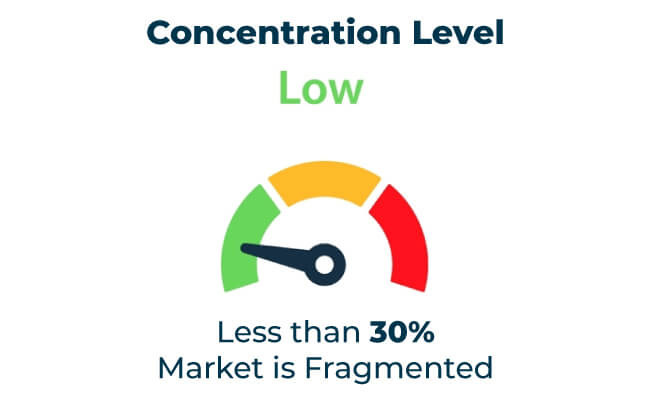
Market Concentration Outlook for 2025E
Year-over-Year Leaders
Corelle Brands advances lightweight and shatterproof glass tableware, Lenox Corporation innovates with premium porcelain and bone china, and Arc International leads with durable, cost-effective tableware for diverse markets.
Vendor Insights into Product Innovation and Distribution Reach
Corelle Brands pioneers durable, stylish glass tableware for everyday use. Lenox Corporation focuses on luxury tableware for high-end dining. Arc International specializes in versatile and affordable options for households and restaurants.
Technology Trends in the Tableware Market: Durability and Sustainable Materials
- Sustainable Materials: Biodegradable and recyclable materials such as bamboo and recycled glass are being used.
- Heat-Resistant Designs: Advanced technologies ensure tableware withstands high temperatures.
- Customization: Manufacturers offer personalized designs that cater to the unique preferences of consumers.
Sustainability Trends
The Tableware market aligns with global sustainability goals by prioritizing eco-friendly materials and production processes.
Key Sustainability Phenomena
- Recyclable Materials: Companies increasingly use materials like recycled glass and metal to reduce waste.
- Biodegradable Tableware: Plant-based and compostable options are gaining popularity in eco-conscious markets.
- Energy-Efficient Manufacturing: Producers optimize production processes to lower carbon footprints.
Consumer Trends
- Premium Dining: Consumers seek elegant and high-quality tableware for a luxurious dining experience.
- Sustainability: Eco-conscious buyers prefer biodegradable and recyclable tableware options.
- Durability: Households and restaurants demand long-lasting and shatterproof designs.
Regulatory Insights for Food Safety and Material Compliance
North America enforces strict safety standards for food-contact materials. Europe leads with sustainability regulations promoting recyclable and biodegradable tableware. Asia-Pacific shows rapid growth due to expanding middle-class populations and increasing urbanization.
Export Opportunities in Hospitality, Retail, and Institutional Channels
Emerging markets in Asia-Pacific, Africa, and Latin America offer significant growth potential for tableware, driven by increasing disposable incomes and a growing hospitality sector.
Challenges and Opportunities in Recyclability and Premiumization
Challenges
High production costs for sustainable materials and competition from low-cost alternatives limit market expansion. The market also faces competition from disposable and single-use tableware in specific sectors.
Opportunities
Rising demand for luxury dining experiences, eco-friendly lifestyles, and innovations in heat-resistant and shatterproof designs create growth opportunities for tableware manufacturers.
Market Context Across Ceramic, Glass, and Biodegradable Segments
Regional Analysis
This section evaluates the geographic dynamics shaping the caps and closure market. By analyzing key regions such as North America, Europe, Asia-Pacific, and other emerging markets, we gain insights into the drivers and market shares that define their contributions.
| Region | North America |
|---|---|
| Market Share (%) | 35% |
| Key Drivers | Demand for durable and stylish tableware. |
| Region | Europe |
|---|---|
| Market Share (%) | 30% |
| Key Drivers | Sustainability trends and premium dining culture. |
| Region | Asia-Pacific |
|---|---|
| Market Share (%) | 25% |
| Key Drivers | Rising disposable incomes and urbanization. |
| Region | Other Regions |
|---|---|
| Market Share (%) | 10% |
| Key Drivers | Growing adoption of eco-friendly tableware. |
End-Use Industry Segments
Households (50%) dominate due to demand for stylish and functional tableware. Foodservice (30%) grows with the expansion of restaurants and catering services. Hospitality (20%) expands as premium hotels and resorts emphasize elegant dining solutions.
Recommendations for Technology Suppliers in Glazing, Coating, and Shaping
- Develop Sustainable Materials: Focus on biodegradable and recyclable tableware options.
- Enhance Durability: Innovate shatterproof and heat-resistant designs for broader market appeal.
- Target Emerging Markets: Expand operations in regions with growing disposable incomes and hospitality sectors.
Future Roadmap for Smart, Stackable, and Eco-Friendly Tableware
The Tableware market will continue expanding as industries prioritize sustainability, premium dining experiences, and durability. Companies investing in advanced materials, customization, and emerging market opportunities will shape the future of this sector.
Market KPIs Tracking Production Volume, Pricing, and Design Cycles
Regional Growth Rates highlight significant increases in Asia-Pacific and Latin America, while Segment-Specific Metrics track adoption in households, foodservice, and hospitality sectors.
Who Shaped the Year – Key Contributors to Tableware Design and Innovation
Corelle Brands introduced lightweight and shatterproof tableware, Lenox Corporation delivered premium and elegant dining solutions, and Arc International focused on durable and cost-effective designs for global markets.
Key Players in the Global Tableware Market
Corelle Brands dominates with innovative and durable glass tableware. Lenox Corporation specializes in luxury porcelain and bone china. Arc International excels in affordable, versatile solutions for households and foodservice.
Tier-Wise Vendor Classification by Product Portfolio and Market Reach
This classification categorizes vendors based on their influence and market presence, providing insights into their strengths and contributions to the market. Tier 1 companies, such as Corelle Brands, Lenox Corporation, and Arc International, lead with innovative and scalable solutions.
Tier 2 players, including Steelite International and Libbey, maintain strong regional operations. Tier 3 vendors, such as Fortessa and Churchill, focus on niche products and emerging opportunities.
| Tier | Key Companies |
|---|---|
| Tier 1 | Corelle Brands, Lenox Corporation, Arc International |
| Tier 2 | Steelite International, Libbey |
| Tier 3 | Fortessa, Churchill |
Key Vendor Initiatives Supporting Sustainable Design and Material Sourcing
Corelle Brands developed lightweight, shatterproof glass tableware, Lenox Corporation launched premium and customizable porcelain designs, and Arc International expanded its range of cost-effective, eco-friendly solutions.
Conclusion
The Tableware market is poised for sustained growth as consumers demand stylish, durable, and sustainable solutions. Companies focusing on innovative materials, elegant designs, and emerging markets will shape the future of this dynamic industry.
Appendix
Key Definitions
- Tableware: Dining utensils and dishes, including plates, bowls, glasses, and cutlery, used for serving and eating food.
- Sustainable Materials: Eco-friendly materials such as recycled glass, bamboo, and biodegradable plastics.
- Customization: Personalized designs or branding on tableware to cater to unique consumer preferences.
Research Methodology
Primary research involved interviews with industry stakeholders, while secondary research included analysis of industry reports and market data. Findings were validated through expert opinions and triangulation.
Market Definition
The Tableware market encompasses durable, stylish, and functional dining solutions for households, foodservice, and hospitality sectors.
Segmentation of the Tableware Market by Material, End Use, and Sales Channel
Regional Analysis
- North America
- Europe
- Asia-Pacific
- Other Regions
End-Use Industry Segments
- Households
- Foodservice
- Hospitality
Frequently Asked Questions
What drives the growth of the Tableware Market?
Rising demand for durable, stylish, and eco-friendly dining solutions.
What is the projected growth of the Tableware Market by 2035?
The market is expected to grow at a CAGR of 14%, reaching USD 106.3 billion by 2035.
Who are the leading players in the Tableware Market?
Corelle Brands, Lenox Corporation, and Arc International are among the top players.
What percentage of the market do the top 10 players hold?
The top 10 players hold approximately 85% of the global market share.
What regions are driving market growth?
Asia-Pacific and Latin America show significant growth due to urbanization and rising disposable incomes.
Preview the report firsthand - request a free sample
Get SampleGet the brochure for pricing and purchase details.
Get PDFTable of Content
- Executive Summary
- SWOT Analysis of Leading Players
- Vendor Performance
- Technology Trends
- Sustainability Trends
- Consumer Trends
- Regulatory Insights
- Export Opportunities
- Challenges and Opportunities
- Market Context
- Recommendations for Technology Suppliers
- Future Roadmap
- Market KPIs
- Who Shaped the Year
- Key Players
- Tier-Wise Vendor Classification
- Key Vendor Initiatives
- Conclusion
- Appendix


