

- Industry Size (2025)
- USD 126.8 Mn
- Forecast (2035)
- USD 245.3 Mn
- CAGR (2025 to 2035)
- 6.8%
Demand for Triathlon Clothing in Japan Forecast and Outlook 2025 to 2035
The demand for triathlon clothing in Japan is expected to grow from USD 126.8 million in 2025 to USD 245.3 million by 2035, reflecting a CAGR of 6.8%. As triathlon participation continues to rise across Japan, fueled by increasing interest in fitness and endurance sports, the demand for specialized clothing is expanding. Athletes are seeking high-performance, durable, and comfortable gear that can withstand the physical demands of swimming, cycling, and running. Triathlon clothing, including suits, shoes, and accessories, is essential for enhancing performance and supporting the diverse needs of triathletes. The growing popularity of triathlon events, along with the rising focus on health and wellness, is driving this demand.
Advancements in triathlon clothing technology are contributing to industry growth. Manufacturers are incorporating innovative materials and design features that offer superior moisture-wicking, breathability, and aerodynamics. These advancements provide athletes with an edge, allowing them to perform better across all stages of the triathlon. The rise of eco-consciousness is also impacting the demand, with more consumers seeking sustainable, eco-friendly triathlon apparel. Brands that incorporate sustainable materials into their products are gaining traction, adding to the overall industry growth.
Quick Stats of the Demand for Triathlon Clothing in Japan
- Demand for Triathlon Clothing in Japan Value (2025): USD 126.8 million
- Demand for Triathlon Clothing in Japan Forecast Value (2035): USD 245.3 million
- Demand for Triathlon Clothing in Japan Forecast CAGR (2025-2035): 6.8%
- Demand for Triathlon Clothing in Japan Leading Type: Tri Suits
- Demand for Triathlon Clothing in Japan Key Growth Regions: Kyushu & Okinawa, Kanto, Kansai, Chubu, Tohoku, Rest of Japan
- Demand for Triathlon Clothing in Japan Top Players: Zone3 Ltd., 2XU, Zoot Sports, Pearl Izumi, Orca
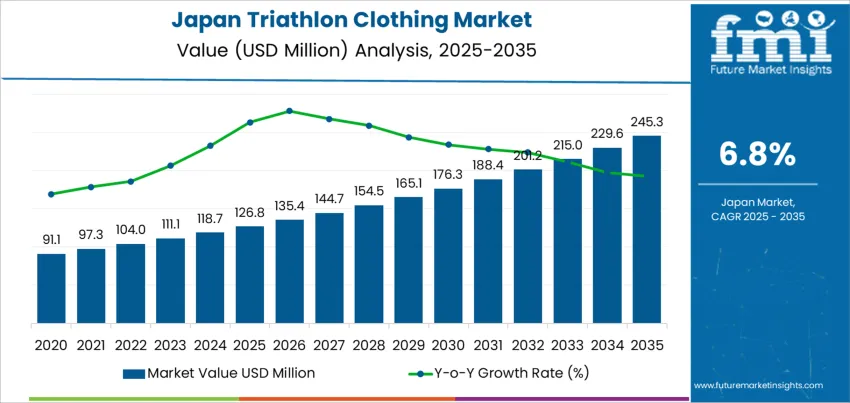
What is the Growth Forecast for the Demand for Triathlon Clothing in Japan through 2035?
From 2025 to 2030, demand is expected to grow from USD 126.8 million to USD 188.4 million, adding USD 61.6 million in value. This period will account for a strong contribution to the overall demand, driven by rising interest in triathlon participation and the expanding number of events across Japan. With the increasing focus on fitness and wellness, more individuals are entering the sport, resulting in a greater need for high-quality triathlon clothing. The introduction of advanced, performance-enhancing apparel will attract athletes looking to optimize their gear. As more consumers embrace triathlon training, the demand for specialized, high-performance clothing will increase significantly.
From 2030 to 2035, the demand for triathlon clothing will grow from USD 188.4 million to USD 245.3 million, contributing USD 56.9 million in value. Growth will continue during this phase, though at a more gradual pace as the industry matures. The steady increase in participants and continued interest in endurance sports will drive this ongoing demand. Innovations in clothing technology and sustainable materials will help maintain growth, as athletes prioritize comfort, functionality, and eco-friendly options. However, the growth rate will slow as the triathlon clothing segment reaches a more stable and saturated phase, with product offerings increasingly optimized for performance rather than new industry entry.
Demand for Triathlon Clothing in Japan Key Takeaways
| Metric | Value |
|---|---|
| Demand for Triathlon Clothing in Japan Value (2025) | USD 126.8 million |
| Demand for Triathlon Clothing in Japan Forecast Value (2035) | USD 245.3 million |
| Demand for Triathlon Clothing in Japan Forecast CAGR (2025-2035) | 6.8% |
Why is the Demand for Triathlon Clothing in Japan Growing?
The demand for triathlon clothing in Japan is growing as more individuals embrace the sport of triathlon and other endurance activities. Triathlon, which involves swimming, cycling, and running, requires specialized apparel that provides comfort, performance, and durability across all three disciplines. As interest in fitness and competitive sports continues to rise, the need for high-performance triathlon clothing designed for both amateurs and professionals is expanding in Japan.
A significant driver behind this growth is the increasing popularity of fitness and health-conscious lifestyles, especially among younger populations. With triathlons and other endurance events gaining traction as a challenging and rewarding fitness goal, there is a rising demand for clothing that meets the specific needs of athletes, such as breathability, moisture-wicking properties, and aerodynamics. The growth of triathlon events in Japan, including international competitions, is also contributing to the rise in demand for specialized clothing, as participants seek professional-grade gear to enhance their performance.
Advancements in clothing technology, such as the development of lightweight, quick-drying, and flexible materials, are further boosting demand. Triathlon clothing manufacturers are incorporating cutting-edge fabrics that offer greater comfort, support, and improved performance. As Japan continues to prioritize health, wellness, and athletic performance, the demand for triathlon clothing is expected to grow steadily through 2035, driven by both increased participations in the sport and technological innovations in sports apparel.
What is the Segment-Wise Analysis of Demand for Triathlon Clothing in Japan?
Demand for triathlon clothing in Japan is segmented by type, distribution channel, gender, and region. By type, demand is divided into tri suits, tri tops, and tri shorts, with tri suits holding the largest share at 48%. The distribution channels include online and offline, with online sales leading at 62%. Demand is also segmented by gender, with distinct preferences for male and female triathlon clothing. Regionally, demand is spread across Kyushu & Okinawa, Kanto, Kansai, Chubu, Tohoku, and the Rest of Japan.
Why Do Tri Suits Lead the Demand for Triathlon Clothing?
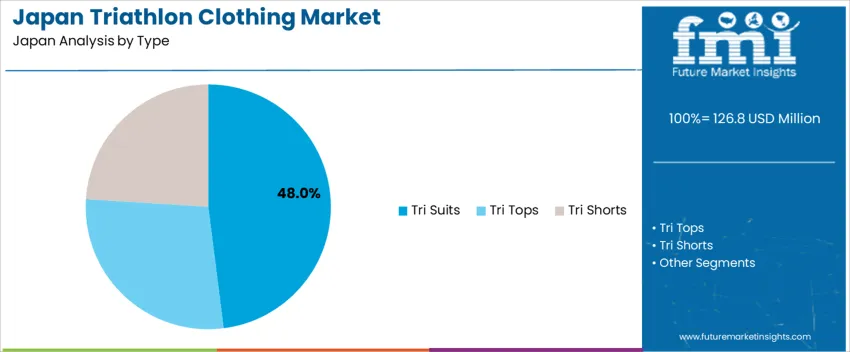
Tri suits account for 48% of the demand for triathlon clothing in Japan, making them the leading segment. This is because tri suits combine the functionality of swimwear, cycling shorts, and running gear into one piece, offering unmatched convenience and practicality for triathletes. The suit's design allows for seamless transitions between the swim, bike, and run stages, which is essential for athletes who require quick changes without compromising performance. The demand for tri suits has grown as triathlons gain popularity in Japan, with more people participating in endurance sports. Tri suits also offer comfort, flexibility, and quick-drying properties, ensuring athletes stay dry and perform at their best throughout the event. With their ability to enhance athletic performance, durability, and ease of use, tri suits remain the top choice for triathlon athletes in Japan, solidifying their dominance in the industry for triathlon clothing.
How Does Online Distribution Lead the Demand for Triathlon Clothing?
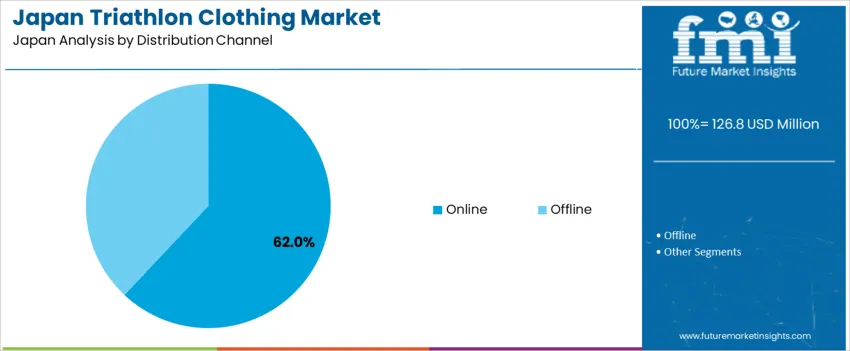
Online distribution accounts for 62% of the demand for triathlon clothing in Japan, making it the dominant sales channel. This is due to the convenience and wide variety that e-commerce offers, allowing consumers to easily compare prices and explore a broad range of brands and products. Online platforms provide detailed product descriptions, reviews, and sizing guides, helping athletes make informed purchasing decisions. The ability to shop from the comfort of home and have products delivered directly is especially appealing to busy triathletes. Online stores often offer specialized triathlon brands and niche products that may not be available in physical stores. As e-commerce continues to grow and become the preferred shopping method for many consumers, the demand for triathlon clothing through online channels is expected to rise. This shift to online shopping is set to continue dominating the triathlon clothing industry in Japan.
What are the Key Trends, Drivers, and Restraints in Demand for Triathlon Clothing in Japan?
Demand for triathlon clothing in Japan is growing as more people engage in triathlon and endurance sports, driven by the rising interest in fitness, healthy living, and outdoor activities. Triathlon-specific apparel like tri suits, tri tops, and tri shorts are gaining popularity among athletes who prioritize comfort, performance, and convenience across swimming, cycling, and running. The growing preference for high-performance, tech-driven clothing offering breathability, quick-drying properties, aerodynamics, and overall comfort supports the demand for these products. Increased availability through both online and physical sports retailers further widens access. The relatively niche nature of triathlon, combined with the higher price points of specialized clothing, may limit adoption among casual participants.
Why is Demand for Triathlon Clothing Growing in Japan?
Demand for triathlon clothing is rising as more individuals participate in triathlons and endurance events. Growing awareness of fitness and healthy lifestyles is a key driver, with athletes increasingly seeking specialized gear that enhances performance and comfort across the three disciplines—swimming, cycling, and running. The growing popularity of triathlon events and a general surge in multisport participation among recreational athletes further fuel demand. Triathlon-specific clothing is now considered essential for athletes, offering optimal performance and durability tailored to the needs of the sport. As more people engage in triathlon, from beginners to seasoned competitors, the demand for high-performance apparel continues to rise. This trend reflects the shift toward more specialized sports gear and active participation in triathlons, ensuring long-term growth in the industry for triathlon clothing in Japan.
How are Technological & Industry Innovations Driving Triathlon Clothing Demand in Japan?
Technological innovations in fabric and garment design are driving demand for triathlon clothing in Japan. Advances in moisture-wicking, breathable fabrics ensure athletes remain comfortable throughout the event, managing perspiration and regulating temperature during swimming, cycling, and running. The development of aerodynamic designs and compression fabrics improves performance by enhancing muscle support and reducing drag, especially during cycling and running. Furthermore, the use of lightweight, stretchable, and durable materials ensures that clothing withstands the physical demands of triathlons while offering a better fit and greater mobility. Innovations like water-resistant finishes and seamless construction also contribute to comfort and performance. As a result, these technological advancements make triathlon apparel more appealing to athletes across various levels, increasing the accessibility and desirability of specialized triathlon clothing in Japan.
What are the Key Challenges and Risks That Could Limit Triathlon Clothing Demand in Japan?
Despite growing interest, several challenges could limit the broader adoption of triathlon clothing in Japan. The high cost of specialized gear could deter casual participants or newcomers who may find the prices of triathlon-specific apparel prohibitive. The niche nature of triathlon, compared to more mainstream sports, means the customer base is relatively smaller, which could limit the industry size and growth potential. Triathlon clothing faces competition from general-purpose athletic wear, which is often more affordable and can serve a wider audience. Seasonal fluctuations in event participation and inconsistent engagement with the sport may create demand variability, impacting long-term industry stability. Triathlon clothing’s specialized nature could hinder its broader appeal, as many athletes may prefer more versatile, multi-use athletic apparel.
What is the Regional Demand Outlook for Triathlon Clothing in Japan?
| Region | CAGR (%) |
|---|---|
| Kyushu & Okinawa | 8.5% |
| Kanto | 7.8% |
| Kansai | 6.9% |
| Chubu | 6.1% |
| Tohoku | 5.3% |
| Rest of Japan | 5.1% |
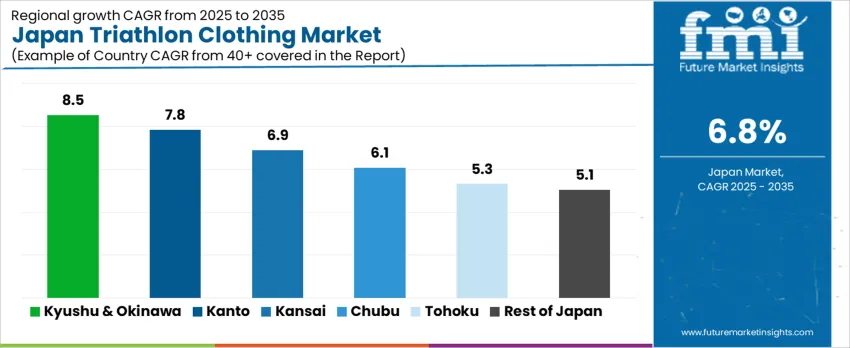
Demand for triathlon clothing in Japan is growing steadily, with Kyushu & Okinawa leading at an 8.5% CAGR, driven by the region’s focus on outdoor sports and increasing triathlon participation. Kanto follows with a 7.8% CAGR, fueled by the region’s large number of events and active triathlon community. Kansai shows a 6.9% CAGR, supported by its sports culture and rising interest in endurance sports. Chubu sees a 6.1% CAGR, while Tohoku experiences a 5.3% CAGR, with growing participation in outdoor sports. The Rest of Japan shows a 5.1% CAGR, with moderate but steady growth driven by local events and increasing fitness awareness.
How is Demand for Triathlon Clothing Growing in Kyushu & Okinawa?
Kyushu & Okinawa leads the demand for triathlon clothing, growing at an 8.5% CAGR. The region’s growing number of triathlon events and athletes is a key factor driving this growth. Triathlon competitions in Okinawa and Kyushu have attracted more participants, both amateur and professional, fueling the demand for high-performance gear. The region’s active outdoor culture, especially in Okinawa with its warm climate, also supports the rise in demand for triathlon apparel. As triathlons become more popular in Kyushu & Okinawa, there’s an increasing need for specialized clothing, including wetsuits, cycling kits, and running shoes. With a focus on sports tourism and increasing fitness awareness, the industry for triathlon clothing in Kyushu & Okinawa is expected to continue expanding, driven by both local and international athletes.
Why is Demand for Triathlon Clothing Rising in Kanto?
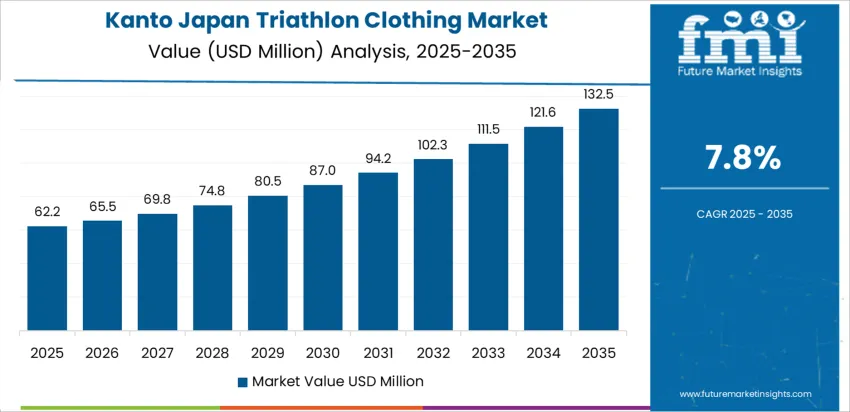
Kanto, with a 7.8% CAGR, is experiencing significant demand for triathlon clothing due to its high concentration of triathlon events, particularly in Tokyo. The region’s growing number of participants, including both recreational and professional athletes, has increased the demand for high-quality, performance-driven apparel. Triathlons and endurance races are becoming more popular in Kanto, and many top events are hosted here, including Ironman competitions. As more people become health-conscious and seek to compete in endurance sports, the demand for triathlon gear such as wetsuits, cycling apparel, and running shoes continues to rise. Kanto’s urban population and focus on active lifestyles contribute to the steady growth of the triathlon clothing industry, ensuring sustained demand for specialized apparel in the region.
How is Demand for Triathlon Clothing Expanding in Kansai?
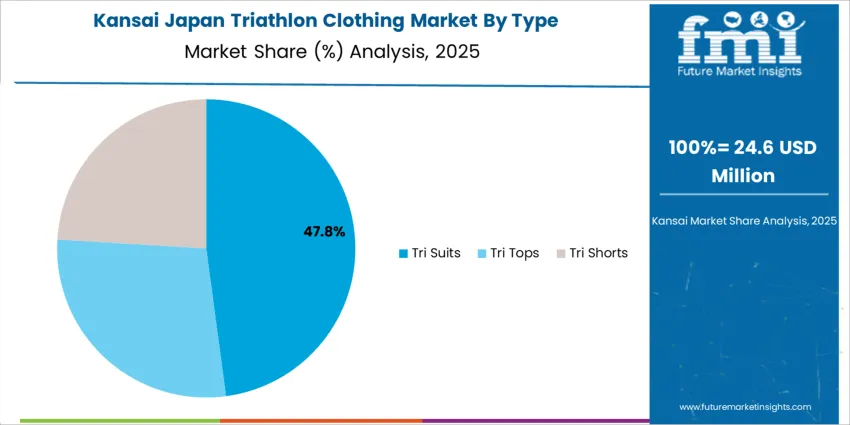
Kansai is seeing steady growth in the demand for triathlon clothing, with a 6.9% CAGR. The region is home to several triathlon events, including the Kansai Triathlon and the Osaka Triathlon, which drive the demand for high-performance gear. Athletes in cities like Osaka, Kyoto, and Kobe are increasingly participating in triathlons, leading to a greater need for specialized apparel such as wetsuits, cycling kits, and running shoes. Kansai’s sports culture and growing emphasis on health and fitness contribute to the rising demand for triathlon clothing. As more athletes look for apparel that offers both comfort and performance, the demand for high-quality, durable triathlon gear is expected to increase. As the region continues to embrace endurance sports, the triathlon clothing industry in Kansai is poised for continued growth.
Why is Demand for Triathlon Clothing Growing in Chubu?
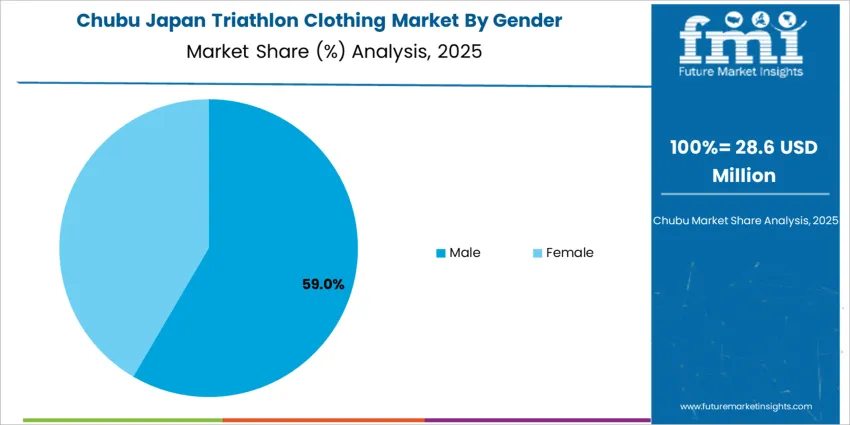
Chubu is experiencing moderate growth in the demand for triathlon clothing, with a 6.1% CAGR. The region’s growing interest in triathlon events, especially in cities like Nagoya, has led to an increasing number of participants and athletes. As triathlons become more popular in Chubu, so does the demand for specialized apparel such as wetsuits, cycling gear, and running shoes. Chubu’s strong sports tourism industry, combined with an increasing number of outdoor and endurance events, is driving the industry for triathlon clothing. Athletes in the region are becoming more aware of the importance of high-performance gear, and with more people seeking to participate in triathlons, the need for quality apparel continues to rise. As the region’s interest in endurance sports continues to grow, the triathlon clothing industry in Chubu is expected to expand steadily.
How is Demand for Triathlon Clothing Expanding in Tohoku?
Tohoku is seeing moderate demand for triathlon clothing, with a 5.3% CAGR. While the region is less populated than other parts of Japan, its growing interest in outdoor sports and triathlon events is contributing to the rise in demand for triathlon clothing. Tohoku’s increasing focus on sports participation, particularly triathlons and other endurance races, has sparked a greater need for performance-driven apparel. Athletes in the region are becoming more focused on fitness and are seeking high-quality, durable triathlon gear. The cool climate of Tohoku also supports the need for specialized clothing designed for comfort and performance in varied conditions. As more people in the region participate in triathlons, the demand for wetsuits, cycling kits, and running apparel is expected to rise, ensuring steady growth in Tohoku’s triathlon clothing industry.
Why is Triathlon Clothing Demand Steady in Rest of Japan?
The Rest of Japan is experiencing steady demand for triathlon clothing, with a 5.1% CAGR. Although less concentrated in terms of events, the growing interest in triathlon sports across Japan’s rural and suburban areas is driving demand for specialized apparel. As participation in triathlons increases across smaller cities and towns, there’s a rising need for high-quality gear, including wetsuits, cycling outfits, and running shoes. Consumers in the Rest of Japan are becoming more health-conscious and interested in fitness activities, fueling demand for triathlon clothing. As local events increase in frequency and popularity, the industry for triathlon clothing in rural areas is expected to expand steadily. With more participants seeking durable and high-performance apparel, the demand for triathlon clothing in the Rest of Japan is expected to grow at a moderate but consistent pace.
What is the Competitive Landscape of Triathlon Clothing Demand in Japan?
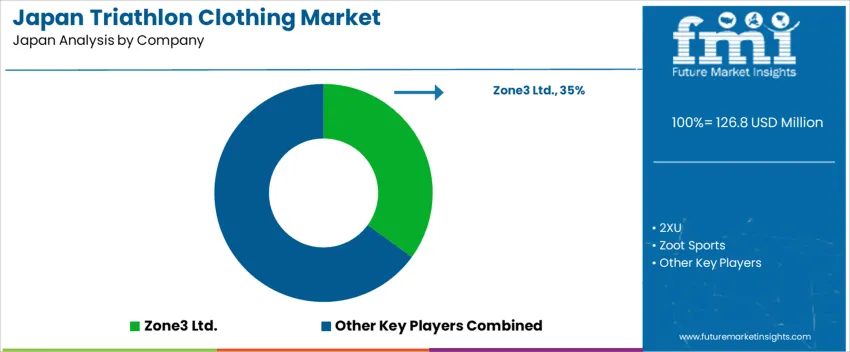
The demand for triathlon clothing in Japan is growing as the popularity of triathlon sports continues to rise. Triathlon participation is expanding, driven by an increasing interest in fitness and endurance sports among Japanese consumers. As athletes seek performance-enhancing clothing for their swim, bike, and run segments, the need for high-quality, durable, and comfortable triathlon apparel is more critical than ever. Triathlon-specific clothing, such as tri suits, shorts, tops, and wetsuits, plays a significant role in improving athlete comfort, aerodynamics, and overall performance during the race.
Leading companies in the triathlon clothing industry in Japan include Zone3 Ltd., 2XU, Zoot Sports, Pearl Izumi, and Orca. Zone3 Ltd. dominates the industry with a share of 35.0%, known for its high-performance triathlon suits, wetsuits, and other apparel designed for maximum comfort and aerodynamics. 2XU is a strong competitor, offering advanced compression garments and triathlon clothing that enhance muscle performance and recovery. Zoot Sports provides triathlon-specific apparel designed to support athletes across the race segments, focusing on comfort and breathability. Pearl Izumi is another key player, offering a wide range of triathlon gear known for its durability and high-performance features. Orca specializes in triathlon wetsuits and apparel, providing athletes with a blend of performance and comfort.
Competition in the triathlon clothing industry is driven by factors such as product performance, comfort, innovation, and brand reputation. Companies compete by offering clothing that supports optimal performance in each triathlon segment, with a focus on reducing drag in the swim, improving comfort during cycling, and offering moisture-wicking, breathable fabrics for the run.
Key Players in Japan Triathlon Clothing Demand
- Zone3 Ltd.
- 2XU
- Zoot Sports
- Pearl Izumi
- Orca
Scope of Report
| Items | Values |
|---|---|
| Quantitative Units (2025) | USD million |
| Type | Tri Suits, Tri Tops, Tri Shorts |
| Gender | Male, Female |
| Distribution Channel | Online, Offline |
| Region | Kyushu & Okinawa, Kanto, Kansai, Chubu, Tohoku, Rest of Japan |
| Countries Covered | Japan |
| Key Companies Profiled | Zone3 Ltd., 2XU, Zoot Sports, Pearl Izumi, Orca |
| Additional Attributes | Dollar sales by type, gender, and distribution channel; regional CAGR and adoption trends; demand trends in triathlon clothing; growth in online and offline retail; technology adoption in sportswear for triathlons; vendor offerings including tri suits, tops, and shorts; regulatory influences and industry standards |
Japan Triathlon Clothing Demand by Key Segments
Type:
- Tri Suits
- Tri Tops
- Tri Shorts
Gender:
- Male
- Female
Distribution Channel:
- Online
- Offline
Region:
- Kyushu & Okinawa
- Kanto
- Kansai
- Chubu
- Tohoku
- Rest of Japan
Frequently Asked Questions
How big is the demand for triathlon clothing in Japan in 2025?
The demand for triathlon clothing in Japan is estimated to be valued at USD 126.8 million in 2025.
What will be the size of triathlon clothing in Japan in 2035?
The market size for the triathlon clothing in Japan is projected to reach USD 245.3 million by 2035.
How much will be the demand for triathlon clothing in Japan growth between 2025 and 2035?
The demand for triathlon clothing in Japan is expected to grow at a 6.8% CAGR between 2025 and 2035.
What are the key product types in the triathlon clothing in Japan?
The key product types in triathlon clothing in Japan are tri suits, tri tops and tri shorts.
Which gender segment is expected to contribute significant share in the triathlon clothing in Japan in 2025?
In terms of gender, male segment is expected to command 58.0% share in the triathlon clothing in Japan in 2025.
Preview the report firsthand - request a free sample
Get SampleGet the brochure for pricing and purchase details.
Get PDFTable of Content
- Executive Summary
- Japan Market Outlook
- Demand-side Trends
- Supply-side Trends
- Technology Roadmap Analysis
- Analysis and Recommendations
- Market Overview
- Market Coverage / Taxonomy
- Market Definition / Scope / Limitations
- Market Background
- Market Dynamics
- Drivers
- Restraints
- Opportunity
- Trends
- Scenario Forecast
- Demand in Optimistic Scenario
- Demand in Likely Scenario
- Demand in Conservative Scenario
- Opportunity Map Analysis
- Product Life Cycle Analysis
- Supply Chain Analysis
- Investment Feasibility Matrix
- Value Chain Analysis
- PESTLE and Porter’s Analysis
- Regulatory Landscape
- Regional Parent Market Outlook
- Production and Consumption Statistics
- Import and Export Statistics
- Market Dynamics
- Japan Market Analysis 2020 to 2024 and Forecast, 2025 to 2035
- Historical Market Size Value (USD Million) Analysis, 2020 to 2024
- Current and Future Market Size Value (USD Million) Projections, 2025 to 2035
- Y-o-Y Growth Trend Analysis
- Absolute $ Opportunity Analysis
- Japan Market Pricing Analysis 2020 to 2024 and Forecast 2025 to 2035
- Japan Market Analysis 2020 to 2024 and Forecast 2025 to 2035, By Type
- Introduction / Key Findings
- Historical Market Size Value (USD Million) Analysis By Type , 2020 to 2024
- Current and Future Market Size Value (USD Million) Analysis and Forecast By Type , 2025 to 2035
- Tri Suits
- Tri Tops
- Tri Shorts
- Y-o-Y Growth Trend Analysis By Type , 2020 to 2024
- Absolute $ Opportunity Analysis By Type , 2025 to 2035
- Japan Market Analysis 2020 to 2024 and Forecast 2025 to 2035, By Gender
- Introduction / Key Findings
- Historical Market Size Value (USD Million) Analysis By Gender, 2020 to 2024
- Current and Future Market Size Value (USD Million) Analysis and Forecast By Gender, 2025 to 2035
- Male
- Female
- Y-o-Y Growth Trend Analysis By Gender, 2020 to 2024
- Absolute $ Opportunity Analysis By Gender, 2025 to 2035
- Japan Market Analysis 2020 to 2024 and Forecast 2025 to 2035, By Distribution Channel
- Introduction / Key Findings
- Historical Market Size Value (USD Million) Analysis By Distribution Channel, 2020 to 2024
- Current and Future Market Size Value (USD Million) Analysis and Forecast By Distribution Channel, 2025 to 2035
- Online
- Offline
- Y-o-Y Growth Trend Analysis By Distribution Channel, 2020 to 2024
- Absolute $ Opportunity Analysis By Distribution Channel, 2025 to 2035
- Market Structure Analysis
- Competition Dashboard
- Competition Benchmarking
- Market Share Analysis of Top Players
- By Regional
- By Type
- By Gender
- By Distribution Channel
- Competition Analysis
- Competition Deep Dive
- Zone3 Ltd.
- Overview
- Product Portfolio
- Profitability by Market Segments (Product/Age /Sales Channel/Region)
- Sales Footprint
- Strategy Overview
- Marketing Strategy
- Product Strategy
- Channel Strategy
- 2XU
- Zoot Sports
- Pearl Izumi
- Orca
- Zone3 Ltd.
- Competition Deep Dive
- Assumptions & Acronyms Used
- Research Methodology


