

Competitive Landscape of Luxury, Artisan, and Commercial Gemstone Distribution (2025)
The global baby diaper market is growing at a rapid pace, mainly due to increasing birth rates, growing awareness about baby hygiene, and the demand for sustainable and skin-friendly diapering solutions. Parents are now focusing on quality and comfort due to absorbent material technological advancements, eco-friendly alternatives, and smart diaper monitoring systems.
The market leaders are Pampers, Huggies, and MamyPoko, which continue to lead the market through innovative diaper technologies and brand loyalty, capturing 55% of the market share. 30% is comprised of regional players and private labels, emphasizing affordability and customization. 15% is comprised of the emerging sustainable brands. These are supportive of a focus on organic materials and biodegradable diapers.
Global Market Share by Key Players
| Market Segment | Industry Share (%) |
|---|---|
| Top 3 (Pampers, Huggies, Luvs) | 65% |
| Rest of Top 5 (Libero, Bambo Nature, MamyPoko) | 10% |
| Next 5 of Top 10 (Seventh Generation, Honest Company, Earth + Eden, Little Toes, Coterie) | 15% |
| Emerging & Regional Brands (biodegradable and organic startups) | 10% |
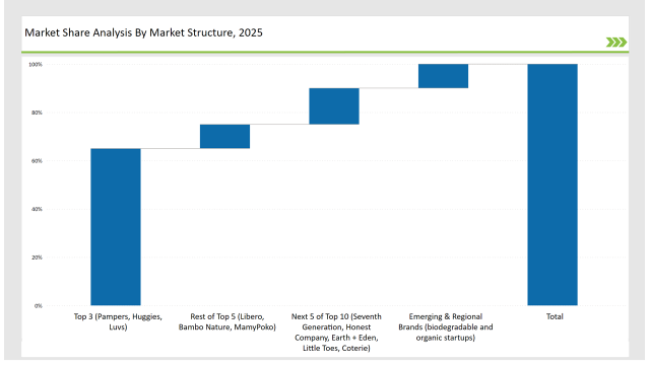
Market Concentration, 2025
The baby diaper market in 2025 is moderately concentrated, with the top 10 players holding 40% to 60% of the total market share. Leading brands like Procter & Gamble, Kimberly-Clark, and Unicharm maintain a strong presence, while regional players and private labels intensify competition.
Segment Analysis
Sales Channels
Supermarkets and retail stores remain the leading sales channel for baby diapers, accounting for 50% of sales as parents prefer immediate accessibility and bulk purchasing options. E-commerce accounts for 30% of the market share, owing to the ease, subscription diaper delivery, and digital discounts. Pharmacies and healthcare providers comprise 15%, which offer medically recommended diaper brands for premature or sensitive-skinned babies. DTC brands and specialty baby stores make up 5% since parents opt for organic, premium, or custom-fit diapering solutions.
Product Type
Baby Diaper Market Categories Disposable diapers take the lead by 65%. This is based on the advantages of being quite easy to apply, strong absorption, and simply available. 25% accounts for cloth diapers, which, being sustainable and cost-effective besides being hypoallergenic. Hybrid diapers accounted for 10% as this brings together both the benefits from disposables to reusable inserts by appealing to environmentally conscious parents.
Who Shaped the Year
Baby diaper sales turn over in 2024 mainly due to the factors of sustainability, innovation, and consumer preferences for gentle, chemical-free products. Some leaders are:
- Pampers (Procter & Gamble): Strengthened the Pure Protection brand by using plant-based materials as well as up-graded leakproof technology in order to capture fragrance-free, hypoallergenic parents' attention.
- Huggies (Kimberly-Clark): The brand has further tightened its market with smart diaper technology that has witnessed the inclusion of wetness sensors and mobile app tracking for enhanced parental convenience.
- MamyPoko: Ultra-thin, super-absorbent diapers for night use, reduced bulkiness and high performance
- Libero: Biodegradable and compostable diapers, Libero ensured that it kept its promise towards eco-friendly diapering solutions
- Seventh Generation: In the natural diapers category, they were ahead with chlorine-free, plant-based diapers targeting parents who would like to use non-toxic and biodegradable diapers.
- Emerging Brands: Companies such as Coterie and Little Toes captured the market through bamboo-based diapers that are hypoallergenic and safe for sensitive skin.
Key Highlights from the Forecast
- Sustainability: Demand for biodegradable diapers and eco-friendly packaging is driving this industry.
- Customized Fit Diaper Demand for Baby Size, Weight, and Skin Sensitivity: Parents demand customized fit diapers.
- E-commerce Boom in Diaper Sales: Digital sales have been driven by online exclusive diaper brands and subscription-based diaper delivery services.
- Smart Technology Diapers: Wetness indicator diapers and apps that can track the babies are also gaining ground.
- Health & Safety Focus: Chemical-free and dermatologically tested diapers are something that is really in demand amongst parents of the newborn and delicate-skinned baby.
Tier-Wise Brand Classification, 2025
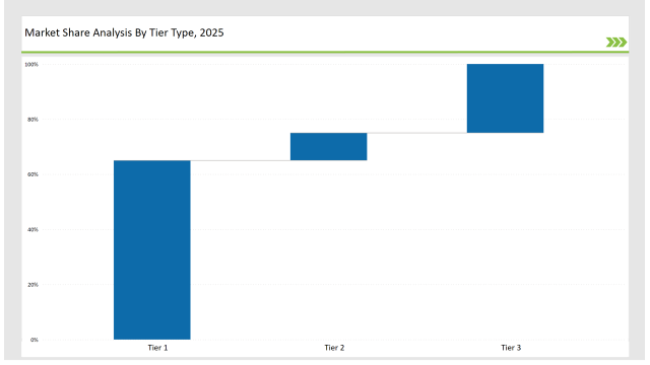
| Tier Type | Tier 1 |
|---|---|
| Example of Key Players | Pampers, Huggies, Luvs |
| Market share % | 65% |
| Tier Type | Tier 2 |
|---|---|
| Example of Key Players | Libero, Bambo Nature, MamyPoko |
| Market share % | 10% |
| Tier Type | Tier 3 |
|---|---|
| Example of Key Players | Regional brands, organic startups |
| Market share % | 25% |
Key Brand Initiatives
| Brand | Key Focus Areas |
|---|---|
| Pampers | Plant-based, hypoallergenic diapering solutions |
| Huggies | Smart diapers with wetness tracking technology |
| MamyPoko | Ultra-thin, overnight absorbency diapers |
| Libero | Biodegradable, compostable diapers |
| Seventh Generation | Non-toxic, plant-based diaper alternatives |
| Emerging Brands | Bamboo-based, organic diapers for sensitive skin |
Recommendations for Brands
- Sustainability Offering: Biodegradable diaper lines, and compostable packaging for the rising sentiments of the environment-conscious customer.
- Smart Features: Digital wetness tracking and AI-based Fit recommendations.
- Health & Safety: Hypoallergenic & Fragrance-free diapering with dermatologically tested products.
- E-commerce Strength: Subscription-based baby diaper delivery services with custom plans.
- Fit & Comfort: Size-sensitivity and stretch adjustment capabilities in the waistband to adapt to various growth milestones of the baby.
Future Roadmap
The baby diaper market is on the threshold of further growth with sustainability, innovation, and smart technology. Improving absorbency, reducing environmental impact, and comfort will be the areas where brands improve as parents seek eco-friendlier, safe, and convenient diapering options. Digital advancements, such as AI-driven diaper sizing recommendations and mobile-connected diaper monitoring, will change the face of parental convenience.
Further partnerships with pediatricians, hospitals, and maternity centers will increase the credibility of the product. Regulatory Incentives and Biodegradable Diapers-Sustainable Production Methods As governments of the world push for greener consumer products, more regulatory incentives to biodegradable diapers and sustainable production methods can be anticipated in the near future. Personalization, sustainability, and technology-led solutions, designed around changing expectations of modern parents, represent the future of the baby diapers market.
Frequently Asked Questions
Which companies hold the largest market share in the baby diaper industry?
Major brands such as Pampers (Procter & Gamble), Huggies (Kimberly-Clark), and Luvs collectively hold around 65% of the market.
What is the market share of regional baby diaper brands?
Regional brands, including MamyPoko (Asia) and Bambo Nature (Europe), contribute approximately 20% of the market by focusing on local preferences and eco-friendly options.
How much market share do startups and eco-conscious brands hold?
Startups and sustainable diaper brands focusing on biodegradable and cloth alternatives hold about 10% of the market
What percentage of the market is controlled by private labels in the baby diaper sector?
Private labels from retailers such as Walmart’s Parent’s Choice and Costco’s Kirkland account for approximately 5% of the market.
How is market concentration assessed in the baby diaper industry for the year 2025?
High for companies controlling 65%+, medium for 40-65%, and low for those under 30%.
Preview the report firsthand - request a free sample
Get SampleGet the brochure for pricing and purchase details.
Get PDFTable of Content
- Executive Summary
- Market Overview
- Competitive Analysis Outlook for 2025
- Segment Analysis
- Who Shaped the Year
- Key Highlights from the Forecast
- Tier-Wise Brand Classification
- Tier 1 Brands
- Tier 2 Brands
- Tier 3 Brands
- Key Brand Initiatives
- Recommendations for Brands
- Future Roadmap
- FAQs


