

- CAGR (2025 to 2035)
- 4.6%
Flexible Plastic Packaging Market Share Analysis and Size Forecast Outlook (2025 to 2035)
The flexible plastic packaging market is growing rapidly because of the ever-increasing demand for lightweight, durable, and cost-effective solutions in food and beverages, personal care, and pharmaceuticals industries. By 2035, the market size is expected to grow to USD 181.2 billion with a compound annual growth rate (CAGR) of 4.6%.
The demand is increasing for sustainable materials and convenience among consumers, along with technological advancements related to barrier properties and design.
| Attribute | Details |
|---|---|
| Projected Value by 2035 | USD 181.2 billion |
| CAGR during the period 2025 to 2035 | 4.6% |
Manufacturers are increasingly looking at recyclable and biodegradable materials, advanced production technologies, and customization to suit the diverse needs of consumers and industries. It also has strategic partnerships with top brands, retailers, and e-commerce platforms driving the market expansion.
SWOT Analysis of the Top Key Players in the Flexible Plastic Packaging Market
Summary
Major players in the flexible plastic packaging market are positioned according to the SWOT analysis. Amcor is the leader with its advanced sustainable solutions but has difficulties in penetrating the regional markets. Berry Global has the cost-effective and customizable designs but faces volatility in raw material prices.
Sealed Air is focused on high-performance barrier materials, but new entrants pose strong competition. Innovation in biodegradable plastics and in the untapped markets will be opportunities, while the threats arise from regulatory changes and consumer rising expectations for sustainability.
Amcor
Amcor demonstrates strengths through its innovative use of recyclable and sustainable materials. However, the company’s weaknesses lie in limited penetration in certain emerging markets. Opportunities include collaborations with global brands to enhance eco-friendly packaging solutions. Threats arise from intense competition and evolving regulatory landscapes.
Berry Global
Berry Global is known for its cost-effective and flexible packaging solutions, which are also customizable. However, it is facing difficulties because of the raw material cost volatility. The company can look at automation and advanced material technologies to cut costs and increase efficiency. Nevertheless, there are threats of increasing regulatory scrutiny and competition from low-cost manufacturers.
Sealed Air
The strengths of Sealed Air are mainly in the aspect of high-performance barrier properties, as well as innovative packaging designs. Its weaknesses lie in the production costs being more expensive than the competition. It has opportunities from advanced materials toward biodegradable and recyclable packaging. Threats include increasing competitive forces from the smaller, innovative competitors and global regulatory pressures.
Global Market Share Analysis of Flexible Plastic Packaging Industry Players (%)
| Category | Market Share (%) |
|---|---|
| Top 3 Players (Amcor, Berry Global, Sealed Air) | 15% |
| Rest of Top 5 Players | 09% |
| Next 5 of Top 10 Players | 07% |
Type of Player & Industry Share (%)
| Type of Player | Market Share (%) |
|---|---|
| Top 10 Players | 31% |
| Next 20 Players | 40% |
| Remaining Players | 29% |
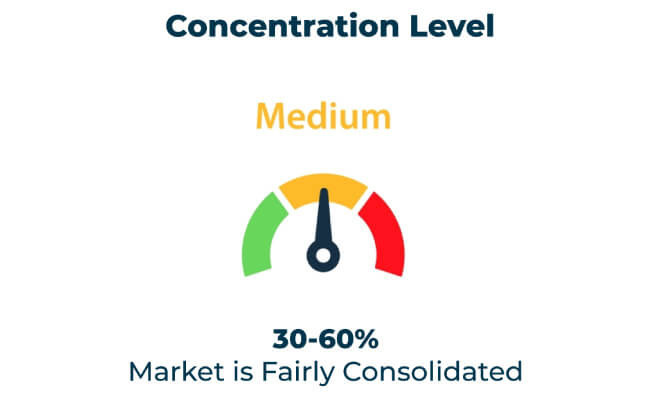
Key Flexible Plastic Packaging Market Players and Concentration
Year-on-Year Leaders
- Amcor: Pioneers in sustainable and recyclable flexible packaging solutions.
- Berry Global: Excels in cost-effective and customizable designs.
- Sealed Air: Innovates with high-performance and lightweight materials.
Emerging Technology in the Flexible Plastic Packaging Market
- Sustainable Materials: Advancements in biodegradable plastics and multi-layer recyclable films.
- Smart Packaging: Integration of QR codes, temperature indicators, and tracking systems.
- High-Barrier Films: Enhanced barrier properties for food preservation and shelf life.
- Automation: Advanced production systems to improve efficiency and reduce costs.
Sustainability Trends
- Recyclable and Biodegradable Materials: Growing use of plant-based and compostable plastics.
- Circular Economy Models: Emphasis on closed-loop recycling systems and reusable packaging.
- Energy-Efficient Manufacturing: Reducing carbon footprints through optimized production.
- Plastic Reduction Initiatives: Development of lightweight materials to minimize plastic usage.
Consumer Trends
- Convenience and Portability: Rising demand for resealable and lightweight packaging.
- Sustainable Choices: Growing preference for eco-friendly and recyclable options.
- E-Commerce Influence: Packaging designed for durability and ease of shipping.
- Health-Conscious Packaging: Increased demand for BPA-free and food-safe materials.
Regulatory Insights Impacting the Flexible Plastic Packaging Market
North America and Europe enforce stringent regulations to reduce single-use plastics, promoting innovations in recyclable and biodegradable materials. Asia-Pacific’s rapid industrialization and urbanization create opportunities for eco-friendly solutions amidst growing regulatory frameworks.
Export Opportunities in the Flexible Plastic Packaging Market
Emerging markets in Africa, South America, and parts of Asia-Pacific offer significant growth potential. Affordable and scalable flexible plastic packaging solutions are in demand to meet regulatory requirements and evolving consumer preferences.
Obstacles and Possibilities in the Flexible Plastic Packaging Market
Obstacles
- High Costs: Sustainable material production increases costs.
- Inconsistent Regulations: Variations in global sustainability standards pose challenges.
- Limited Recycling Infrastructure: Hinders widespread adoption of recyclable packaging.
Possibilities
- Material Innovations: Development of affordable and durable eco-friendly plastics.
- Strategic Partnerships: Collaborations with brands and retailers to boost adoption.
- Sustainability Goals: Growing demand for green solutions drives innovation.
Market Environment of the Flexible Plastic Packaging Industry
In-House vs. Contract Manufacturing
- In-House Manufacturing: Enables greater control over quality and innovation.
- Contract Manufacturing: Offers scalability and cost efficiency for smaller players.
Regional Market Trends and Adoption Outlook for Flexible Plastic Packaging
Summary
Regional dynamics play a pivotal role in the flexible plastic packaging market. North America leads with advancements in sustainability and convenience-driven packaging. Europe emphasizes innovation in biodegradable materials, while Asia-Pacific’s growing consumer base and industrialization drive significant demand. Emerging markets offer opportunities for cost-effective and durable packaging solutions.
| Region | North America |
|---|---|
| Market Share (%) | 35% |
| Key Drivers | Sustainable and innovative packaging demand. |
| Region | Europe |
|---|---|
| Market Share (%) | 30% |
| Key Drivers | Focus on biodegradable and recyclable options. |
| Region | Asia-Pacific |
|---|---|
| Market Share (%) | 25% |
| Key Drivers | Urbanization and expanding food delivery market. |
| Region | Other Regions |
|---|---|
| Market Share (%) | 10% |
| Key Drivers | Growth in emerging markets. |
End-Use Industry Segmentation
- Food and Beverage: High demand for lightweight and resealable packaging.
- Personal Care: Focus on flexible and attractive designs.
- Pharmaceuticals: Adoption of barrier films for safety and durability.
- Retail and E-Commerce: Lightweight and durable packaging optimized for shipping.
Recommendations for Technology Suppliers in the Flexible Plastic Packaging Market
- Invest in Sustainability: Develop biodegradable and recyclable materials.
- Focus on Automation: Enhance production scalability and reduce costs.
- Customization Options: Offer personalized designs for branding opportunities.
Future Roadmap for the Flexible Plastic Packaging Market
The flexible plastic packaging market will expand through material innovations, automation, and strategic partnerships. Companies focusing on sustainable and durable solutions will gain a competitive edge. Investment in recycling infrastructure will further boost adoption.
Market KPIs for the Flexible Plastic Packaging Industry
- Sustainability Metrics: Track the adoption of recyclable and compostable materials.
- Regional Growth Rates: Monitor market expansion in emerging economies.
- Technology Integration: Measure advancements in automation and smart packaging systems.
Key Contributors to Annual Momentum in the Flexible Plastic Packaging Market
- Amcor: Led with sustainable and innovative packaging solutions.
- Berry Global: Delivered cost-efficient and customizable designs.
- Sealed Air: Focused on high-performance and lightweight materials.
Tier-Wise Company Classification in the Flexible Plastic Packaging Market
| Tier | Key Companies |
|---|---|
| Tier 1 | Amcor, Berry Global, Sealed Air |
| Tier 2 | Mondi Group, Huhtamaki |
| Tier 3 | Constantia Flexibles, UFlex, Novolex |
Key Vendor Initiatives in the Flexible Plastic Packaging Market
- Amcor: Expanded sustainable flexible packaging solutions.
- Berry Global: Invested in cost-efficient manufacturing technologies.
- Sealed Air: Partnered with food and pharmaceutical companies for high-barrier packaging.
Conclusion on the Flexible Plastic Packaging Market
The steady growth of flexible plastic packaging lies behind the sustainability goals, consumer preference for convenience, and innovations in materials. Companies investing in eco-friendly solutions, automation, and strategic collaborations will take the lead in this changing market.
Appendix of the Flexible Plastic Packaging Market Report
Key Definitions
- Flexible Packaging: Packaging made from easily adaptable materials such as films and pouches.
- Smart Packaging: Integration of technology such as QR codes and temperature indicators.
Abbreviations
- CAGR: Compound Annual Growth Rate.
- BPA: Bisphenol A, often avoided in packaging.
Research Methodology
This report is based on primary research, secondary data analysis, and market modeling. Insights were validated through industry expert consultations.
Market Definition
The flexible plastic packaging market includes films, pouches, and bags designed to enhance convenience, sustainability, and durability across multiple industries.
Top Segments Studied in the Flexible Plastic Packaging Market Report
By End-Use Industry:
- Food and Beverage
- Personal Care
- Pharmaceuticals
- Retail and E-Commerce
By Region:
- North America
- Europe
- Asia-Pacific
- Other Regions
Frequently Asked Questions
What drives growth in the flexible plastic packaging market?
Rising demand for lightweight, durable, and sustainable packaging solutions.
What is the projected market size by 2035?
The market size is expected to grow to USD 181.2 billion with a compound annual growth rate (CAGR) of 4.6%.
Who are the key players in this market?
Leading players include Amcor, Berry Global, and Sealed Air.
What challenges does the market face?
Key challenges include high costs of sustainable materials, regulatory complexities, and limited recycling infrastructure.
What are the opportunities for growth in this market?
Opportunities lie in advanced materials, strategic partnerships, and innovations in sustainability.
Preview the report firsthand - request a free sample
Get SampleGet the brochure for pricing and purchase details.
Get PDFTable of Content
- Executive Summary
- SWOT Analysis of the Top Key Players
- Global Market Share & Industry Share
- Year-on-Year Leaders
- Emerging Technology in Market
- Sustainability Trends
- Consumer Trends
- Regulatory Insights
- Export Opportunities
- Obstacles and Possibilities
- Market Environment
- Regional Analysis
- End-Use Industry Segmentation
- Recommendations for Technology Suppliers
- Future Roadmap
- Market KPIs
- Who Shaped the Year
- Tier Structure of Key Companies
- Key Vendor Initiatives
- Conclusion
- Appendix
- FAQs


