

- Industry Size (2025)
- USD 224.4 Mn
- Forecast (2035)
- USD 312.7 Mn
- CAGR (2025 to 2035)
- 3.4%
Demand for Fava Beans in Japan Forecast and Outlook 2025 to 2035
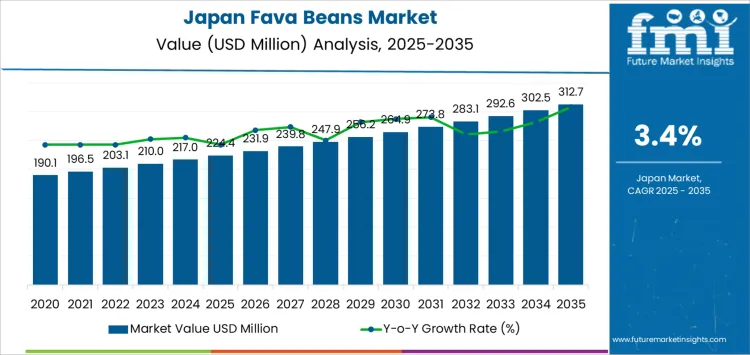
Demand for fava beans in Japan is projected to reach USD 224.4 million in 2025 and grow to USD 312.7 million by 2035, with a CAGR of 3.4%. Growth is particularly strong in Kyushu & Okinawa, leading with an 11.6% CAGR, driven by increasing popularity of plant-based food options. Growing focus on health-conscious living and sustainable eating habits, particularly in Okinawa, where plant proteins are gaining traction, is fueling this rise. As the demand for fava beans increases in both residential and foodservice sectors, Kyushu & Okinawa is poised for continued expansion. Kanto, with its dense urban population, follows closely with a 10.7% CAGR, driven by strong demand for plant-based proteins in major metropolitan areas such as Tokyo. The growing preference for convenient, healthy meals and the region's dynamic food culture ensure that Kanto remains a significant contributor to the rise in fava bean consumption.
Quick Stats of the Demand for Fava Beans in Japan
- Demand for Fava Beans in Japan Value (2025): USD 224.4 million
- Demand for Fava Beans in Japan Forecast Value (2035): USD 312.7 million
- Demand for Fava Beans in Japan Forecast CAGR (2025-2035): 3.4%
- Demand for Fava Beans in Japan Leading Product Type: Whole Fava Beans
- Demand for Fava Beans in Japan Key Growth Regions: Kyushu & Okinawa, Kanto, Kansai, Chubu, Tohoku, Rest of Japan
- Demand for Fava Beans in Japan Top Players: Prairie Fava Ltd., Unigrain Pty Ltd, Roland Beans, Aviip Group, Alberta Pulse Growers Commission
In Kansai, demand for fava beans is growing at a 9.4% CAGR, driven by the region’s rich culinary culture and increasing consumer interest in plant-based diets. Cities like Osaka and Kyoto are seeing an increase in the incorporation of fava beans into both traditional and modern dishes, further supporting demand. Chubu, with an 8.3% CAGR, shows steady growth, particularly in urban centers like Nagoya, where plant-based eating is becoming more mainstream. Meanwhile, Tohoku and the Rest of Japan are witnessing moderate growth rates of 7.3% and 6.9%, respectively. While adoption is slower in rural and less urbanized areas, increasing awareness of health and sustainability benefits of plant-based diets is contributing to a gradual rise in fava bean demand.
Demand for Fava Beans in Japan Key Takeaways
| Metric | Value |
|---|---|
| Demand for Fava Beans in Japan Value (2025) | USD 224.4 million |
| Demand for Fava Beans in Japan Forecast Value (2035) | USD 312.7 million |
| Demand for Fava Beans in Japan Forecast CAGR (2025-2035) | 3.4% |
Why is the Demand for Fava Beans in Japan Growing?
Demand for fava beans in Japan is growing as the country embraces plant-based diets and seeks alternative sources of protein. Fava beans are rich in protein, fiber, and essential nutrients, making them an attractive ingredient for health-conscious consumers. As more people in Japan turn to vegetarian and vegan diets, fava beans are gaining popularity due to their versatility and nutritional benefits. These beans are used in a variety of dishes, such as soups, salads, and plant-based meat substitutes, making them a key ingredient in the evolving food landscape.
The rise in demand is also driven by growing interest in sustainable and locally sourced food options. Fava beans are an environmentally friendly crop, requiring fewer resources, such as water and land, than animal-based protein sources. As Japan continues to focus on sustainability and reducing its carbon footprint, plant-based proteins such as fava beans are seen as a viable solution to support a more sustainable food system. This aligns with Japan's growing awareness of the environmental impact of food production and the shift toward more eco-conscious eating habits.
The growing demand for functional foods that support overall health is contributing to the rise in fava bean consumption. Fava beans are known to support heart health, improve digestion, and offer antioxidants, all of which appeal to health-conscious consumers. As food industry continues to innovate with new plant-based products, demand for fava beans is expected to increase, driven by both health trends and sustainability concerns. The trend is likely to continue through 2035 as consumers seek more nutritious and environmentally friendly alternatives.
What is the Segment-Wise Analysis of Demand for Fava Beans in Japan?
Demand for fava beans in Japan is segmented by product type, application, form, and distribution channel. By product type, whole fava beans lead at 46%, followed by fava beans flour, fava bean protein isolate, fava bean protein concentrates, and other forms. By application, food & beverages dominate demand, accounting for 58%, with animal feed and other uses making up the rest. Demand for fava beans is also segmented by form, including fresh, dried, roasted, and frozen fava beans. Distribution channels for fava beans are divided into B2B (business-to-business) and B2C (business-to-consumer) channels, depending on the customer type.
How Do Whole Fava Beans Lead the Demand for Fava Beans in Japan?
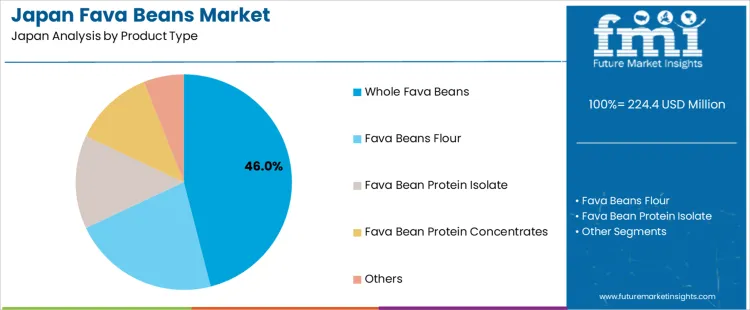
Whole fava beans account for 46% of the demand for fava beans in Japan, driven by their versatility in both food products and animal feed. These beans are prized for their rich protein content, fiber, and various health benefits, making them a key ingredient in a variety of Japanese dishes such as soups, stews, and snacks. Whole fava beans are also used in traditional recipes, contributing to their strong industry presence. As consumers increasingly seek plant-based protein sources, the demand for whole fava beans is expected to rise. Their use in animal feed provides an affordable and nutritious option for livestock. With the growing popularity of plant-based diets and the shift towards healthier eating habits in Japan, whole fava beans are set to continue leading the industry, driven by both consumer and agricultural demand for this versatile, nutrient-packed legume.
Why Does Food & Beverages Lead the Demand for Fava Beans in Japan?
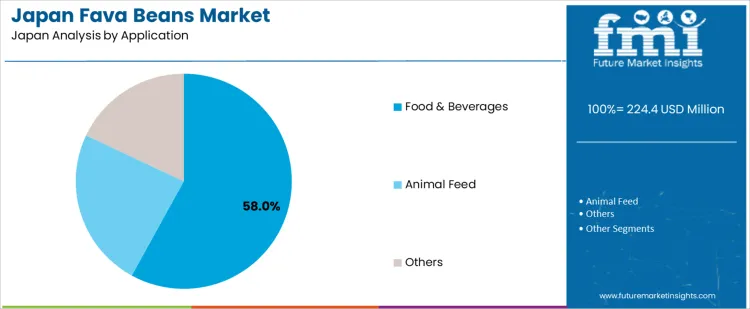
Food & beverages account for 58% of the demand for fava beans in Japan, reflecting a growing consumer preference for plant-based, protein-rich ingredients. Fava beans are increasingly used in a variety of food products, including snacks, soups, and meat alternatives, due to their nutritional benefits and versatility. As the trend toward healthier eating and plant-based alternatives gains momentum, the demand for fava beans in the food & beverage sector continues to grow. Fava bean flour and protein concentrates are also becoming popular in functional foods and beverages, further expanding their presence. The shift towards plant-based diets, coupled with the increasing focus on sustainability, drives this demand. As more consumers embrace plant proteins, the food & beverage industry is adapting by incorporating more fava bean-based products. This trend ensures that the food & beverage sector remains the largest contributor to the consumption of fava beans in Japan.
What are the Key Trends, Drivers, and Restraints in Demand for Fava Beans in Japan?
Demand for fava beans in Japan is gradually increasing due to the rising interest in plant-based diets, healthy eating, and plant-based protein sources. Fava beans are rich in protein, fiber, vitamins, and minerals, making them a nutritious alternative to meat. As more people seek variety in their diets, fava beans are seen as a versatile ingredient in soups, salads, stews, and snacks. However, demand is limited by traditional preferences for other legumes such as soy or adzuki beans. Some consumers may not be familiar with fava beans or their cooking methods, and seasonal availability may deter year-round consumption.
Why is Demand for Fava Beans Growing in Japan?
Demand for fava beans is growing in Japan due to the shift towards plant-based proteins and healthier eating habits. Fava beans are seen as a sustainable, protein-rich alternative to meat, which appeals to health-conscious consumers and those following vegetarian or vegan diets. As plant-based diets become more popular, particularly among younger generations, the demand for legumes like fava beans is rising. The increasing exposure to Mediterranean and global cuisines, where fava beans are a common ingredient, encourages their use in non-traditional dishes. The growing awareness of fava beans’ nutritional value and environmental benefits, as compared to meat, is also driving their popularity. As people look for affordable, versatile protein sources, fava beans are becoming more attractive in the Japanese industry.
How are Industry Innovations Influencing Fava Bean Demand in Japan?
Innovations in the availability and use of fava beans are helping to boost their demand in Japan. Food producers are now offering fava beans in various formats, including dried, frozen, and pre-cooked options, making them more accessible and convenient for busy consumers. The rise of plant-based products and fava-bean-based protein Alternatives, such as meat substitutes or protein-rich snacks, is expanding the product offerings and making the beans more appealing. Improved supply chains and imports help ensure more consistent availability, especially outside of the seasonal window for fresh beans. These innovations allow consumers to incorporate fava beans into their daily meals with ease, increasing their popularity among younger, health-conscious consumers looking for protein Alternatives.
What Are the Key Challenges and Risks That Could Limit Fava Bean Demand in Japan?
Despite the increasing interest in fava beans, several challenges could limit their widespread adoption in Japan. First, there is limited consumer familiarity with fava beans, which can make them less attractive to those not accustomed to their taste or preparation. Competition from more familiar legumes, such as soybeans or adzuki beans, as well as more convenient protein sources like tofu or meat, may also hinder their uptake. The seasonal nature of fresh fava beans could impact consistent availability, especially without improvements in distribution and supply. Finally, consumer habits focused on convenience or traditional Japanese cooking styles may not prioritize fava beans, limiting their growth in mainstream diets unless awareness and exposure increase.
What is the Regional Demand Outlook for Fava Beans in Japan?
Demand for fava beans in Japan is growing steadily across all regions, with Kyushu & Okinawa leading at a 4.2% CAGR, driven by the increasing popularity of plant-based food options. Kanto follows with a 3.9% CAGR, supported by the large urban population and the growing trend towards healthier, plant-based diets. Kansai shows a 3.4% CAGR, fueled by the region's culinary culture and the rising demand for functional foods. Chubu experiences a 3.0% CAGR, with a steady increase in demand as plant-based products become more widely available. Tohoku and the Rest of Japan see more moderate growth at 2.6% and 2.5%, respectively, as the demand for fava beans grows in smaller industries and rural areas.
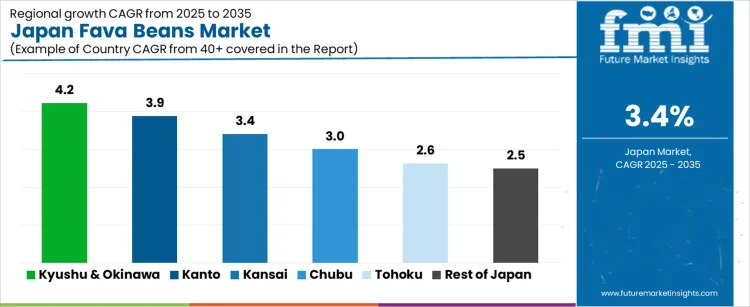
| Region | CAGR (%) |
|---|---|
| Kyushu & Okinawa | 4.2% |
| Kanto | 3.9% |
| Kansai | 3.4% |
| Chubu | 3.0% |
| Tohoku | 2.6% |
| Rest of Japan | 2.5% |
How is Demand for Fava Beans Growing in Kyushu & Okinawa?
Kyushu & Okinawa leads the demand for fava beans, growing at a 4.2% CAGR. The region’s growing interest in plant-based foods, particularly in Okinawa, where local diets are incorporating more plant proteins, contributes to this rise. Okinawa’s rich agricultural history and focus on health-conscious living make fava beans an attractive option for both local consumers and the foodservice sector. As consumers increasingly turn to plant-based proteins due to health, sustainability, and environmental concerns, fava beans are gaining popularity in various culinary applications, including soups, stews, and salads. The region’s tourism sector also plays a role, with visitors seeking authentic, plant-based food experiences. With the continued trend towards healthier eating and a focus on plant-based alternatives in both home cooking and foodservice, Kyushu & Okinawa’s demand for fava beans is expected to remain strong and grow steadily.
Why is Demand for Fava Beans Rising in Kanto?
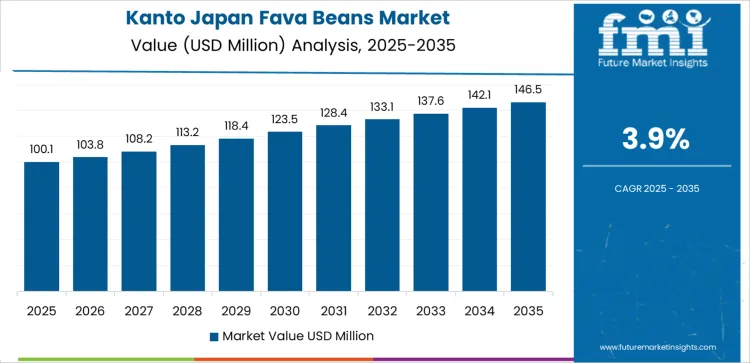
In Kanto, demand for fava beans is rising at a 3.9% CAGR. The region’s large urban population, especially in Tokyo, is increasingly embracing plant-based foods, driving demand for fava beans as a versatile protein source. Kanto’s high number of health-conscious consumers and the region's growing interest in plant-based diets contribute to the rising demand. As the demand for meat alternatives grows, fava beans, rich in protein And fiber, are becoming a popular ingredient in plant-based dishes like meatless burgers, soups, and smoothies. The increasing awareness of the environmental benefits of plant-based diets further supports this trend. In addition, the foodservice sector in Kanto, including restaurants and ready-to-eat food businesses, is increasingly incorporating fava beans into their offerings. As plant-based eating becomes more mainstream, the demand for fava beans in Kanto is expected to continue to grow, driven by both consumer preference and culinary innovation.
How is Demand for Fava Beans Expanding in Kansai?
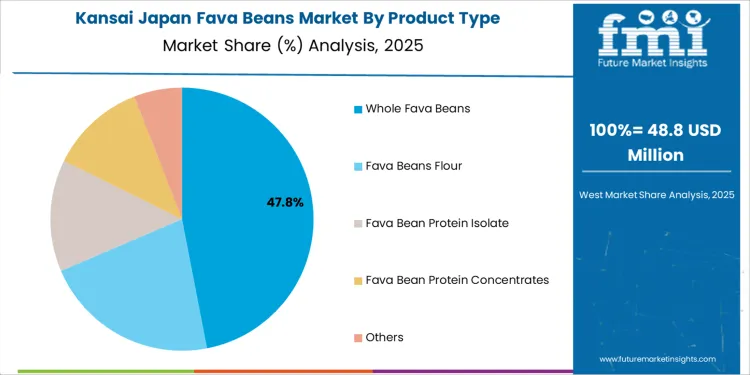
Kansai shows steady demand for fava beans, growing at a 3.4% CAGR. The region’s rich food culture, particularly in cities like Osaka and Kyoto, emphasizes fresh, plant-based ingredients, making fava beans an appealing option in both traditional and modern dishes. As consumer preferences shift toward more sustainable, plant-based diets, the demand for fava beans has increased, driven by their nutritional benefits, such as high protein And fiber content. Kansai’s foodservice sector, known for its diverse culinary offerings, is incorporating fava beans into new product lines, particularly in the growing vegetarian and vegan food industries. As Kansai’s population becomes more health-conscious and environmentally aware, the demand for fava beans in homes and restaurants continues to rise. The region’s ongoing commitment to innovation in the food industry, along with the increasing trend toward plant-based eating, ensures steady growth in the demand for fava beans in Kansai.
Why is Demand for Fava Beans Growing in Chubu?
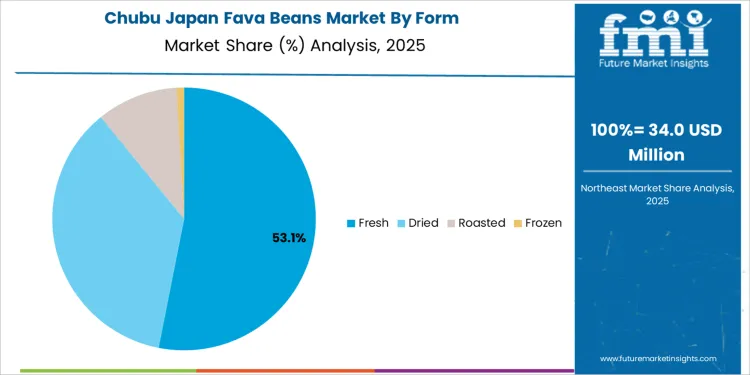
Chubu is experiencing steady demand for fava beans, growing at a 3.0% CAGR. The region’s increasing focus on plant-based diets, driven by health-conscious eating habits and environmental concerns, is contributing to the growing demand for fava beans. As Chubu’s food culture evolves, the demand for plant-based protein sources like fava beans is rising in both residential kitchens and the foodservice sector. Chubu, home to major cities like Nagoya, has seen a shift in dietary preferences, with more consumers seeking vegetarian and vegan options. Fava beans, with their versatility and nutritional profile, are being used in various dishes, from plant-based stews to salads. As the demand for alternative proteins grows and plant-based products become more widely available, fava beans are expected to continue gaining popularity in Chubu. The region’s commitment to sustainable food production further boosts demand, ensuring steady growth for fava beans.
How is Demand for Fava Beans Expanding in Tohoku?
Tohoku is seeing moderate growth in fava bean demand, with a 2.6% CAGR. While the region’s consumption of fava beans is smaller compared to urban centers, there is a growing interest in plant-based foods as more consumers embrace healthier, sustainable diets. As Tohoku’s food culture evolves and people become more aware of the environmental and health benefits of plant-based diets, demand for alternative protein sources like fava beans is gradually increasing. Local producers in Tohoku are also focusing on incorporating more plant-based ingredients into their products, further supporting demand. The region’s agriculture-focused economy, with an emphasis on locally sourced foods, has made fava beans a suitable addition to the diet, particularly in soups and stews. As more people in Tohoku adopt plant-based diets, the demand for fava beans will continue to rise, albeit at a moderate pace compared to larger urban areas.
Why is Demand for Fava Beans Steady in the Rest of Japan?
The Rest of Japan is experiencing steady demand for fava beans, with a 2.5% CAGR. Although adoption is slower compared to major urban regions, there is growing interest in plant-based foods, particularly in smaller cities and rural areas where local agriculture and traditional diets continue to play a significant role. Fava beans, known for their nutritional benefits, are becoming increasingly popular as a meat alternative, especially in rural areas where farming practices are more deeply tied to local food cultures. The growing awareness of plant-based diets and sustainable food practices, combined with an increasing interest in healthier eating, supports steady demand in these regions. As more consumers in the Rest of Japan seek alternative protein sources, fava beans are expected to play a growing role in both home kitchens and local foodservice establishments. Despite the slower growth, demand remains consistent as these regions adopt healthier, more sustainable eating habits.
What is Driving the Demand for Fava Beans in Japan and Who Are the Key Suppliers?
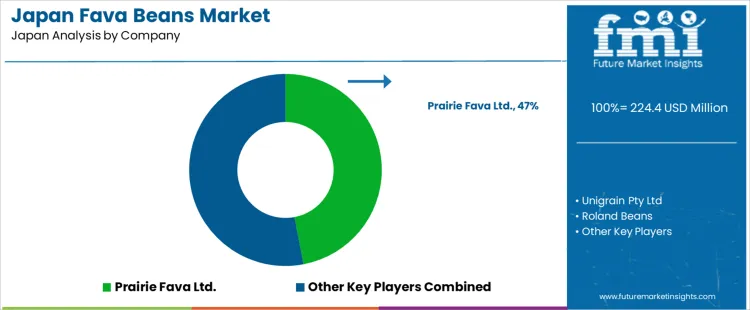
Demand for fava beans in Japan is rising as consumers and food producers increasingly look for plant-based protein sources with strong nutritional value. Fava beans are rich in protein, fiber, vitamins, and minerals, making them an appealing option for vegetarians, vegans, and health-conscious individuals seeking nutrient-dense ingredients. Their complete amino acid profile adds to their appeal as a versatile food source that can be used in a variety of applications, from whole beans to processed products.
Key suppliers influencing the availability of fava beans in Japan include Prairie Fava Ltd., Unigrain Pty Ltd, Roland Beans, Aviip Group, and Alberta Pulse Growers Commission. Prairie Fava leads the sector with a share of 47.0%, offering raw fava beans, flour, protein isolates, and other products derived from the legume. These suppliers provide a range of fava bean-based products that support both home cooking and industrial food production, including plant-based meat alternatives and functional food items.
The growing popularity of plant-based diets, combined with the increasing demand for sustainable and diverse protein sources, is driving the use of fava beans in Japan. As awareness of the health benefits of legumes grows, including digestive health and heart health, fava beans are being incorporated into a broader range of foods. Innovations in processing techniques, such as the production of bean-based flours and protein isolates, are making fava beans more versatile, further solidifying their place in the Japanese food industry.
Key Players in Japan Fava Beans Demand
- Prairie Fava Ltd.
- Unigrain Pty Ltd
- Roland Beans
- Aviip Group
- Alberta Pulse Growers Commission
Scope of Report
| Items | Values |
|---|---|
| Quantitative Units (2025) | USD million |
| Product Type | Whole Fava Beans, Fava Beans Flour, Fava Bean Protein Isolate, Fava Bean Protein Concentrates, Others |
| Form | Fresh, Dried, Roasted, Frozen |
| Application | Food & Beverages, Animal Feed, Others |
| Distribution Channel | B2B, B2C |
| Region | Kyushu & Okinawa, Kanto, Kansai, Chubu, Tohoku, Rest of Japan |
| Countries Covered | Japan |
| Key Companies Profiled | Prairie Fava Ltd., Unigrain Pty Ltd, Roland Beans, Aviip Group, Alberta Pulse Growers Commission |
| Additional Attributes | Dollar sales by product type and application; regional CAGR and growth trends; rise in demand for plant-based protein sources; increasing use in animal feed and food applications |
Japan Fava Beans Demand by Key Segments
Product Type
- Whole Fava Beans
- Fava Beans Flour
- Fava Bean Protein Isolate
- Fava Bean Protein Concentrates
- Others
Form
- Fresh
- Dried
- Roasted
- Frozen
Application
- Food & Beverages
- Animal Feed
- Others
Distribution Channel
- B2B
- B2C
Region
- Kyushu & Okinawa
- Kanto
- Kansai
- Chubu
- Tohoku
- Rest of Japan
Frequently Asked Questions
How big is the demand for fava beans in Japan in 2025?
The demand for fava beans in Japan is estimated to be valued at USD 224.4 million in 2025.
What will be the size of fava beans in Japan in 2035?
The market size for the fava beans in Japan is projected to reach USD 312.7 million by 2035.
How much will be the demand for fava beans in Japan growth between 2025 and 2035?
The demand for fava beans in Japan is expected to grow at a 3.4% CAGR between 2025 and 2035.
What are the key product types in the fava beans in Japan?
The key product types in fava beans in Japan are whole fava beans, fava beans flour, fava bean protein isolate, fava bean protein concentrates and others.
Which form segment is expected to contribute significant share in the fava beans in Japan in 2025?
In terms of form, fresh segment is expected to command 54.0% share in the fava beans in Japan in 2025.
Preview the report firsthand - request a free sample
Get SampleGet the brochure for pricing and purchase details.
Get PDFTable of Content
- Executive Summary
- Japan Market Outlook
- Demand-side Trends
- Supply-side Trends
- Technology Roadmap Analysis
- Analysis and Recommendations
- Market Overview
- Market Coverage / Taxonomy
- Market Definition / Scope / Limitations
- Market Background
- Market Dynamics
- Drivers
- Restraints
- Opportunity
- Trends
- Scenario Forecast
- Demand in Optimistic Scenario
- Demand in Likely Scenario
- Demand in Conservative Scenario
- Opportunity Map Analysis
- Product Life Cycle Analysis
- Supply Chain Analysis
- Investment Feasibility Matrix
- Value Chain Analysis
- PESTLE and Porter’s Analysis
- Regulatory Landscape
- Regional Parent Market Outlook
- Production and Consumption Statistics
- Import and Export Statistics
- Market Dynamics
- Japan Market Analysis 2020 to 2024 and Forecast, 2025 to 2035
- Historical Market Size Value (USD Million) Analysis, 2020 to 2024
- Current and Future Market Size Value (USD Million) Projections, 2025 to 2035
- Y-o-Y Growth Trend Analysis
- Absolute $ Opportunity Analysis
- Japan Market Pricing Analysis 2020 to 2024 and Forecast 2025 to 2035
- Japan Market Analysis 2020 to 2024 and Forecast 2025 to 2035, By Product Type
- Introduction / Key Findings
- Historical Market Size Value (USD Million) Analysis By Product Type , 2020 to 2024
- Current and Future Market Size Value (USD Million) Analysis and Forecast By Product Type , 2025 to 2035
- Whole Fava Beans
- Fava Beans Flour
- Fava Bean Protein Isolate
- Fava Bean Protein Concentrates
- Others
- Y-o-Y Growth Trend Analysis By Product Type , 2020 to 2024
- Absolute $ Opportunity Analysis By Product Type , 2025 to 2035
- Japan Market Analysis 2020 to 2024 and Forecast 2025 to 2035, By Form
- Introduction / Key Findings
- Historical Market Size Value (USD Million) Analysis By Form, 2020 to 2024
- Current and Future Market Size Value (USD Million) Analysis and Forecast By Form, 2025 to 2035
- Fresh
- Dried
- Roasted
- Frozen
- Y-o-Y Growth Trend Analysis By Form, 2020 to 2024
- Absolute $ Opportunity Analysis By Form, 2025 to 2035
- Japan Market Analysis 2020 to 2024 and Forecast 2025 to 2035, By Application
- Introduction / Key Findings
- Historical Market Size Value (USD Million) Analysis By Application, 2020 to 2024
- Current and Future Market Size Value (USD Million) Analysis and Forecast By Application, 2025 to 2035
- Food & Beverages
- Animal Feed
- Others
- Y-o-Y Growth Trend Analysis By Application, 2020 to 2024
- Absolute $ Opportunity Analysis By Application, 2025 to 2035
- Japan Market Analysis 2020 to 2024 and Forecast 2025 to 2035, By Distribution Channel
- Introduction / Key Findings
- Historical Market Size Value (USD Million) Analysis By Distribution Channel, 2020 to 2024
- Current and Future Market Size Value (USD Million) Analysis and Forecast By Distribution Channel, 2025 to 2035
- B2B
- B2C
- Y-o-Y Growth Trend Analysis By Distribution Channel, 2020 to 2024
- Absolute $ Opportunity Analysis By Distribution Channel, 2025 to 2035
- Market Structure Analysis
- Competition Dashboard
- Competition Benchmarking
- Market Share Analysis of Top Players
- By Regional
- By Product Type
- By Form
- By Application
- By Distribution Channel
- Competition Analysis
- Competition Deep Dive
- Prairie Fava Ltd.
- Overview
- Product Portfolio
- Profitability by Market Segments (Product/Age /Sales Channel/Region)
- Sales Footprint
- Strategy Overview
- Marketing Strategy
- Product Strategy
- Channel Strategy
- Unigrain Pty Ltd
- Roland Beans
- Aviip Group
- Alberta Pulse Growers Commission
- Prairie Fava Ltd.
- Competition Deep Dive
- Assumptions & Acronyms Used
- Research Methodology


