

- Industry Size (2025)
- USD 1.2 Bn
- Forecast (2035)
- USD 1.8 Bn
- CAGR (2025 to 2035)
- 4.8%
Demand for Blenders in USA Forecast and Outlook 2025 to 2035
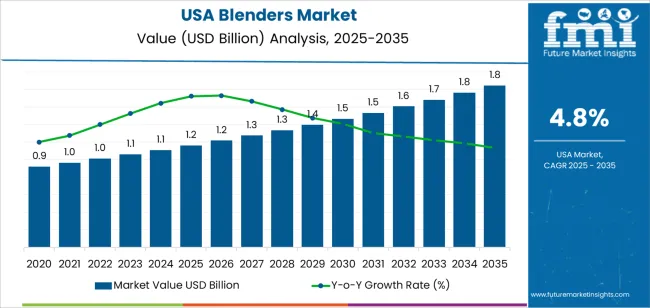
Demand for blenders in the USA is assessed at USD 1.2 billion in 2025 and is forecast to reach USD 1.8 billion by 2035 at a CAGR of 4.8%. Early growth reflects steady household-appliance replacement cycles rather than the rapid expansion of first-time buyers. Countertop blenders dominate sales due to everyday use in smoothies, soups, and food prep, while personal blenders support rising single-serve consumption habits. Demand is closely tied to grocery retail trends, home cooking frequency, and interest in nutritionally focused diets. Mid-priced models account for most unit volumes, with premium high-torque blenders contributing a disproportionate share of revenue through higher price points. E-commerce channels play a central role in product comparison and upgrade-driven purchasing.
From 2030 onward, value growth becomes more feature-led than volume-led. Demand rises from about USD 1.5 billion in 2030 toward USD 1.8 billion by 2035 as consumers prioritize quieter motors, preset programs, and durability over entry-level pricing. Commercial foodservice replacement also adds steady value through cafés, juice bars, and institutional kitchens, where duty cycles remain high. Multifunction blenders that combine chopping, heating, and emulsifying functions gain traction in compact urban kitchens. Competitive intensity centers on motor longevity, blade metallurgy, and thermal protection systems rather than aesthetic styling. Distribution remains anchored in mass merchants, specialty kitchen retailers, and direct-to-consumer brand channels that support higher-margin upgrade purchases.
Quick Stats of the Demand for Blenders in USA
- Demand for Blenders in USA Value (2025): USD 1.2 billion
- Demand for Blenders in USA Forecast Value (2035): USD 1.8 billion
- Demand for Blenders in USA Forecast CAGR (2025–2035): 4.8%
- Demand for Blenders in USA Leading Product Type: Countertop Blenders (38%)
- Demand for Blenders in USA Key Growth Regions: West, South, Northeast, Midwest
- Demand for Blenders in USA Top Players: Vitamix, Blendtec, Breville, Ninja (SharkNinja), KitchenAid (Whirlpool)
What is the Demand Forecast for Blenders in USA through 2035?
Blender demand in USA is shaped less by appliance fashion cycles and more by long-term shifts in food preparation habits, health trends, and small kitchen electrification. Demand increases from USD 1.2 billion in 2025 to USD 1.5 billion by 2030, adding USD 0.3 billion in absolute value. This phase reflects steady household penetration of high-speed blenders, smoothie preparation, protein shake consumption, and home cooking frequency across urban and suburban households. Growth is supported by replacement of legacy low-powered units with higher torque, multi-function models that combine blending, grinding, and food processing. Commercial uptake across cafés, fitness centers, and quick-service beverage outlets also reinforces stable professional demand.
From 2030 to 2035, the market expands from USD 1.5 billion to USD 1.8 billion, adding another USD 0.3 billion in the second half of the decade. This back weighted pattern reflects gradual saturation in basic households but rising value per unit through premium product migration. Smart speed control, noise reduction housings, heated blending, and programmable nutrition presets raise average selling prices. Expansion of plant-based diets, functional beverage consumption, and compact urban kitchens sustains replacement demand. Growth shifts from unit volume expansion toward feature-driven upgrades, keeping blender demand on a structurally stable but value-enhancing trajectory through 2035.
Blenders Industry in USA Key Takeaways
| Metric | Value |
|---|---|
| Industry Value (2025) | USD 1.2 billion |
| Forecast Value (2035) | USD 1.8 billion |
| Forecast CAGR (2025–2035) | 4.8% |
What Is Driving Demand for Blenders in the USA?
Demand for blenders in the USA was shaped initially by growing interest in home cooking, convenience, and beverage preparation. As households began to embrace cooking cultures that included smoothies, sauces, purees, and specialty drinks, the blender became a kitchen staple rather than a luxury item. The growth of health-focused diets, increased fruit and vegetable consumption, and the rise of home meal preparation contributed to steady blender adoption. Retailers including department stores, supermarkets, and online marketplaces expanded product offerings across price points, encouraging first-time buyers and replacements alike. Seasonal buying patterns and popularity of gift occasions also added demand peaks, particularly around holidays and promotional events.
Future demand for blenders in the USA will evolve in response to changing lifestyle patterns, appliance innovation, and health-oriented consumer choices. Demand will likely increase for high-performance, multifunctional blenders capable of handling tasks from smoothies to nut butters, soups, and frozen desserts, as cooking enthusiasts and health-conscious consumers demand versatility. As single-person and smaller households grow, compact and multifunction appliances may gain relevance over large kitchen setups. Competition from alternative appliances, such as immersion blenders, food processors, and specialized juice machines, may segment demand. Consumer interest in sustainability, energy efficiency, and countertop space optimisation may also steer purchases toward durable, easy-to-clean designs rather than frequent replacements.
How Are Product Type and Material Type Structuring the Demand for Blenders in USA?
The demand for blenders in the USA is structured by product type and material type. Countertop blenders account for 38% of total demand, followed by personal blenders, immersion or hand blenders, and other specialty formats. By material type, plastic represents 42.0% of total consumption, followed by stainless steel, glass, and other materials. Demand behavior is shaped by household usage patterns, food preparation habits, durability expectations, and ease of cleaning. These segments reflect how kitchen layout, frequency of use, and safety requirements influence purchasing decisions across residential kitchens, foodservice outlets, and institutional dining facilities in the USA.
Why Do Countertop Blenders Lead the Product Type Demand in USA?
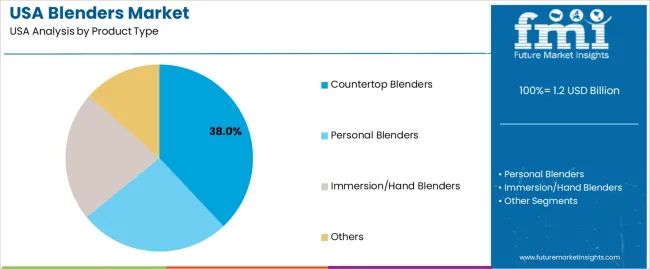
Countertop blenders account for 38% of total blender demand in the USA due to their versatility and suitability for high volume food preparation. These units are widely used for smoothies, soups, sauces, frozen drinks, and batters across households and foodservice operations. Their larger jar capacity and higher motor power support frequent and heavy-duty blending compared with portable or immersion models. Families, meal preparation users, and home bakers prefer countertop models for their ability to process large ingredient batches in a single cycle.
Countertop blenders also benefit from strong adoption across restaurants, cafes, and juice bars where menu consistency depends on reliable blending performance. Speed controls, preset programs, and thermal protection features improve operational reliability under repeated use. Replacement demand remains steady as motor wear and blade fatigue occur over long operating cycles. These versatility, capacity, and durability advantages sustain countertop blenders as the leading product type in the USA.
Why Does Plastic Dominate the Material Type Demand for Blenders in USA?
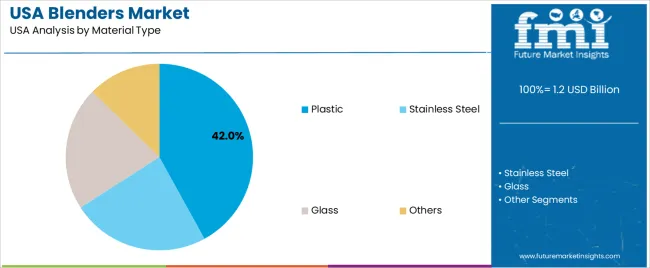
Plastic accounts for 42.0% of total material demand for blenders in the USA due to its light weight, impact resistance, and cost efficiency. Plastic housings and blending jars reduce overall appliance weight, which improves handling convenience for household users. Molded plastic components also support complex design shapes, integrated grips, and safety locking features that improve USAbility. These properties make plastic well suited for mass market countertop and personal blender models.
Plastic also supports high volume manufacturing with consistent tolerances and shorter production cycles than metal or glass. It allows competitive pricing across entry and mid range blender categories, which drives higher unit sales through large consumer electronics retailers and online platforms. Advances in food grade polymers have improved heat resistance and long term durability. These production efficiency, affordability, and functional design advantages position plastic as the dominant material type in the USA blender market.
Why Have Blenders Become Everyday Kitchen Infrastructure in USA Homes?
Blenders in the USA have shifted from occasional-use appliances to daily food preparation tools. Smoothies, protein shakes, sauces, baby food, and home coffee drinks drive routine usage across age groups. Health-focused eating habits emphasize fresh ingredients that require mechanical blending rather than packaged alternatives. Small urban kitchens favor multi-use countertop appliances that replace several single-function tools. The rise of high-speed internet cooking content also normalizes blender-based recipes as part of daily meal preparation. These lifestyle shifts position blenders as functional kitchen infrastructure rather than optional convenience devices.
How Do Fitness Culture, Home Cooking, and Beverage Trends Shape Purchase Behavior?
USA fitness culture heavily influences blender demand through protein shakes, supplement mixes, and meal replacement drinks. Home cooking trends push consumers toward fresh soups, salsas, nut butters, and plant-based sauces that require consistent blending power. Iced coffee, frozen cocktails, and non-dairy drinks also sustain seasonal demand spikes. College students and shared households favor compact personal blenders for individual use. Family households prioritize large-capacity, high-torque units. These parallel use cases fragment the market by power class, jar size, and motor durability rather than by price alone.
What Replacement Cycles, Imports, and Repair Economics Limit Market Stability?
Blender demand in the USA is shaped by relatively short appliance lifespans driven by motor wear, blade dulling, and coupling failure. Many low- to mid-range blenders are treated as disposable due to repair costs exceeding replacement price. Heavy reliance on imported components exposes the category to freight cost volatility and supply disruptions. Warranty claims influence brand loyalty more than advertising. Consumers often replace rather than upgrade after failure, which flattens premium conversion rates. These replacement and repair economics create steady volume but restrict predictable long-term brand retention.
How Are Noise Control, Safety Design, and Smart Functions Redefining Product Direction?
Blenders in the USA are evolving toward quieter operation to suit apartment living and early-morning use. Safety interlocks, overload protection, and sealed blade assemblies address rising liability expectations. Smart presets for smoothies, ice crushing, and soup heating simplify user control across skill levels. Some models integrate heating elements for hot blending, reducing dependence on separate cooktops. Travel-lid systems convert blending jars into portable drink containers. These shifts show blenders moving beyond raw motor power toward user-centered control, safety, and multifunctional convenience.
What is the Demand for Blenders in USA by Region?
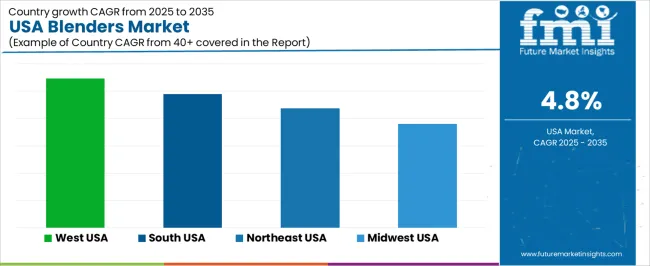
| Region | CAGR (%) |
|---|---|
| West | 5.5% |
| South | 4.9% |
| Northeast | 4.4% |
| Midwest | 3.8% |
The demand for blenders in the USA is expanding steadily across regions, with the West leading at a 5.5% CAGR. Growth in this region is supported by strong adoption of health oriented diets, high penetration of smoothies and home based food preparation, and demand from fitness focused consumers. The South follows at 4.9%, driven by rising household appliance ownership, expanding retail distribution, and growing interest in convenient kitchen solutions. The Northeast records 4.4% growth, supported by urban household demand, replacement purchases, and steady sales through specialty appliance retailers. The Midwest shows comparatively moderate growth at 3.8%, reflecting stable appliance demand, longer replacement cycles, and more conservative spending patterns on small kitchen appliances.
What Is Driving Blender Demand Growth in the West Region of USA?
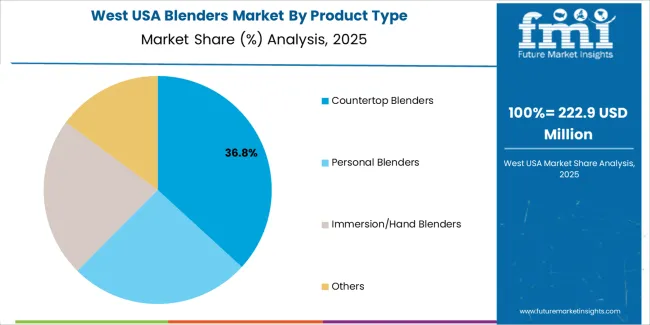
Expansion in the West reflects a CAGR of 5.5% through 2035 for blender demand, supported by strong adoption of wellness oriented diets, home smoothie preparation, and premium kitchen appliance upgrades. Urban consumers favor high performance blenders for plant based diets, protein mixes, and fresh food processing. Food bloggers and nutrition focused households contribute to frequent appliance replacement cycles. Specialty appliance retailers and online platforms dominate premium product distribution. Demand remains lifestyle driven rather than necessity driven, with product differentiation based on motor power, blade design, and multifunction food preparation capability.
- Wellness focused diets support steady replacement demand
- Premium kitchen upgrades drive higher value purchases
- Online retail platforms dominate premium blender sales
- Multifunction performance influences model selection
How Is the South Supporting Blender Demand in USA?
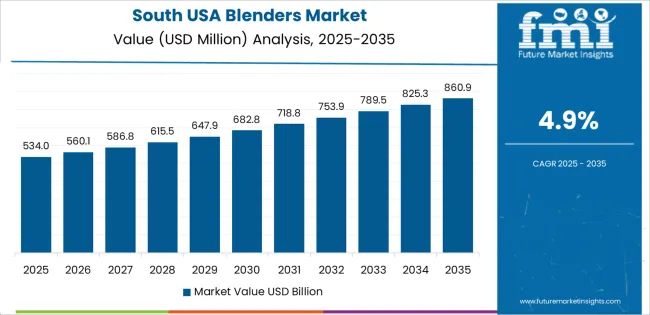
The South advances at a CAGR of 4.9% through 2035 for blender demand, driven by population growth, expanding suburban housing, and rising use of blenders for family meal preparation. Home cooking, iced beverages, and casual entertaining support stable appliance turnover. Warm climate conditions increase usage intensity for cold drinks and frozen desserts. Large format retail chains and warehouse clubs dominate distribution through value oriented pricing. Demand remains volume driven rather than feature driven, with households prioritizing durability, ease of maintenance, and affordable price points across mid range electric appliance categories.
- Suburban housing growth supports first time appliance purchases
- Cold beverage preparation drives frequent seasonal usage
- Value retail chains dominate blender unit sales
- Durability and pricing guide purchasing decisions
Why Is Blender Demand Rising Steadily in the Northeast Region of USA?
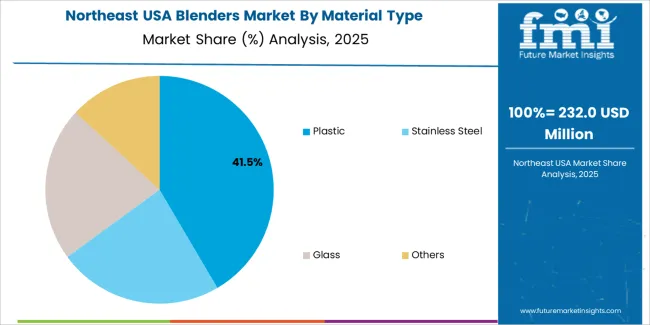
The Northeast records a CAGR of 4.4% through 2035 for blender demand, shaped by compact kitchen layouts, steady apartment turnover, and rising use in quick meal preparation. Urban households favor compact countertop models suited for limited space. Convenience foods, soups, and single serve beverages support routine appliance usage. Specialty kitchenware stores and ecommerce platforms share distribution. Demand remains replacement led rather than expansion led, with moderate upgrade cycles influenced by appliance wear and evolving household needs rather than lifestyle trend shifts across dense residential markets.
- Compact kitchens favor space efficient blender formats
- Single serve preparation supports steady daily usage
- Apartment turnover drives predictable replacement cycles
- Specialty retail and ecommerce balance distribution
What Is Influencing Blender Demand in the Midwest Region of USA?
The Midwest expands at a CAGR of 3.8% through 2035 for blender demand, supported by stable household formation, home cooking traditions, and steady brick and mortar retail access. Blenders are mainly used for food preparation, baking mixes, and seasonal beverages. Practical purchasing behavior favors long service life and basic functionality over premium feature sets. Regional home goods chains and mass merchandisers dominate sales. Demand remains necessity driven and predictable, aligned with slow replacement cycles and consistent appliance ownership patterns across family oriented suburban and semi-rural households.
- Home cooking traditions sustain baseline appliance use
- Practical feature preferences guide product selection
- Mass merchandisers dominate regional distribution
- Long service life shapes slower replacement cycles
What Is Driving the Demand for Blenders in USA and Who Are the Key Players Shaping the Market?
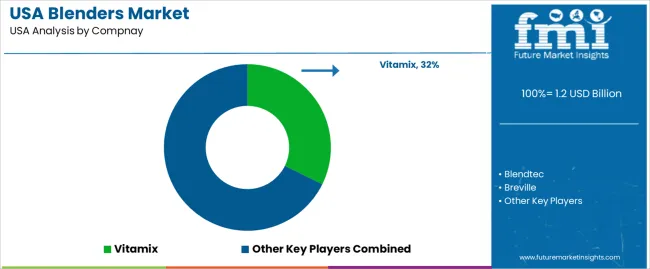
Demand for blenders in the USA is rising as consumers increasingly prioritise home based cooking, convenience, and healthy eating habits. Growing interest in smoothies, homemade sauces, soups, and meal prep meals supports blender use. Urban lifestyles and busy schedules make versatile kitchen appliances that can quickly prepare nutritious food popular. In addition, rising demand for appliances that support diet trends veganism, protein shakes, low carb meals encourage blender purchases. Combined with expanding e commerce and online retail penetration, accessibility improves and households find it easier to replace or upgrade existing appliances.
Major brands shaping the USA blender market include Vitamix Blender, Blendtec Total Blender Classic, KitchenAid Artisan Power Blender, Ninja Nutri Professional Blender, and other global competitors. Vitamix and Blendtec lead the high performance segment, known for power and durability, favored by serious home cooks and health conscious users. KitchenAid and Ninja appeal to mainstream households seeking reliable, multipurpose blenders for everyday cooking. These companies shape the market through consistent innovation offering features such as high speed blending, multiple presets, and durable build and their broad distribution via retail and online channels.
Key Players in Blenders Industry in USA
- Vitamix
- Blendtec
- Breville
- Ninja (SharkNinja)
- KitchenAid (Whirlpool)
Scope of the Report
| Items | Values |
|---|---|
| Quantitative Units (2025) | USD billion |
| Product Type | Countertop Blenders, Personal Blenders, Immersion/Hand Blenders, Others |
| Material Type | Plastic, Stainless Steel, Glass, Others |
| Region | Northeast USA, West USA, Midwest USA, South USA |
| Countries Covered | USA |
| Key Companies Profiled | Vitamix, Blendtec, Breville, Ninja (SharkNinja), KitchenAid (Whirlpool) |
| Additional Attributes | Dollar by sales by product type, Dollar by sales by material type, Dollar by sales by region, Regional CAGR, Replacement cycles influence, Premium product migration, E-commerce distribution, Health and wellness trend influence, Commercial foodservice usage |
Blenders Industry in USA Segmentation
Product Type:
- Countertop Blenders
- Personal Blenders
- Immersion/Hand Blenders
- Others
Material Type:
- Plastic
- Stainless Steel
- Glass
- Others
Region:
- Northeast USA
- West USA
- Midwest USA
- South USA
Frequently Asked Questions
How big is the demand for blenders in USA in 2025?
The demand for blenders in USA is estimated to be valued at USD 1.2 billion in 2025.
What will be the size of blenders in USA in 2035?
The market size for the blenders in USA is projected to reach USD 1.8 billion by 2035.
How much will be the demand for blenders in USA growth between 2025 and 2035?
The demand for blenders in USA is expected to grow at a 4.8% CAGR between 2025 and 2035.
What are the key product types in the blenders in USA?
The key product types in blenders in USA are countertop blenders, personal blenders, immersion/hand blenders and others.
Which material type segment is expected to contribute significant share in the blenders in USA in 2025?
In terms of material type, plastic segment is expected to command 42.0% share in the blenders in USA in 2025.
Preview the report firsthand - request a free sample
Get SampleGet the brochure for pricing and purchase details.
Get PDFTable of Content
- Executive Summary
- USA Market Outlook
- Demand-side Trends
- Supply-side Trends
- Technology Roadmap Analysis
- Analysis and Recommendations
- Market Overview
- Market Coverage / Taxonomy
- Market Definition / Scope / Limitations
- Market Background
- Market Dynamics
- Drivers
- Restraints
- Opportunity
- Trends
- Scenario Forecast
- Demand in Optimistic Scenario
- Demand in Likely Scenario
- Demand in Conservative Scenario
- Opportunity Map Analysis
- Product Life Cycle Analysis
- Supply Chain Analysis
- Investment Feasibility Matrix
- Value Chain Analysis
- PESTLE and Porter’s Analysis
- Regulatory Landscape
- Regional Parent Market Outlook
- Production and Consumption Statistics
- Import and Export Statistics
- Market Dynamics
- USA Market Analysis 2020 to 2024 and Forecast, 2025 to 2035
- Historical Market Size Value (USD Million) Analysis, 2020 to 2024
- Current and Future Market Size Value (USD Million) Projections, 2025 to 2035
- Y-o-Y Growth Trend Analysis
- Absolute $ Opportunity Analysis
- USA Market Pricing Analysis 2020 to 2024 and Forecast 2025 to 2035
- USA Market Analysis 2020 to 2024 and Forecast 2025 to 2035, By Product Type
- Introduction / Key Findings
- Historical Market Size Value (USD Million) Analysis By Product Type , 2020 to 2024
- Current and Future Market Size Value (USD Million) Analysis and Forecast By Product Type , 2025 to 2035
- Countertop Blenders
- Personal Blenders
- Immersion/Hand Blenders
- Others
- Y-o-Y Growth Trend Analysis By Product Type , 2020 to 2024
- Absolute $ Opportunity Analysis By Product Type , 2025 to 2035
- USA Market Analysis 2020 to 2024 and Forecast 2025 to 2035, By Material Type
- Introduction / Key Findings
- Historical Market Size Value (USD Million) Analysis By Material Type, 2020 to 2024
- Current and Future Market Size Value (USD Million) Analysis and Forecast By Material Type, 2025 to 2035
- Plastic
- Stainless Steel
- Glass
- Others
- Y-o-Y Growth Trend Analysis By Material Type, 2020 to 2024
- Absolute $ Opportunity Analysis By Material Type, 2025 to 2035
- Market Structure Analysis
- Competition Dashboard
- Competition Benchmarking
- Market Share Analysis of Top Players
- By Regional
- By Product Type
- By Material Type
- Competition Analysis
- Competition Deep Dive
- Vitamix
- Overview
- Product Portfolio
- Profitability by Market Segments (Product/Age /Sales Channel/Region)
- Sales Footprint
- Strategy Overview
- Marketing Strategy
- Product Strategy
- Channel Strategy
- Blendtec
- Breville
- Ninja (SharkNinja)
- KitchenAid (Whirlpool)
- Vitamix
- Competition Deep Dive
- Assumptions & Acronyms Used
- Research Methodology


