

- Industry Size (2026)
- USD 5.9 Bn
- Forecast (2036)
- USD 31.7 Bn
- CAGR (2026 to 2036)
- 18.3%
Nasal Mucosa Therapeutics Market Size, Market Forecast and Outlook By FMI
The nasal mucosa therapeutics market surpassed the valuation of USD 5.0 billion in 2025, propelling the industry to be poised to cross USD 5.9 billion in 2026 at a CAGR of 18.3% during the forecast period. The market is assessed at the estimation of USD 31.7 billion through 2036 as advanced formulations successfully bypass hepatic first-pass metabolism to deliver systemic molecules directly to the central nervous system.
Healthcare systems are actively deciding whether to transition acute crisis treatments from clinic-administered injectables to patient-administered nasal spray formats. Procurement directors must evaluate whether these mucosal delivery profiles offer sufficient absorption consistency to replace legacy emergency protocols. The commercial stakes for delay involve losing first-line prescription status in high-value indications, relegating traditional delivery methods to secondary options. Efficacy metrics alone do not dictate the winner, but rather the proprietary pairing of the molecule with the actuator device.
Summary of Nasal Mucosa Therapeutics Market
- Nasal Mucosa Therapeutics Market Definition
- This market consists of therapeutic formulations and specialized delivery hardware engineered to utilize the nasal cavity lining for either local pathology resolution or rapid systemic and neural drug absorption.
- Demand Drivers in the Market
- Clinical protocol shifts toward patient-administered crisis management force hospital formularies to prioritize mucosal delivery over traditional injectables.
- The biological imperative to bypass the blood-brain barrier requires central nervous system therapeutic formulators to adopt intranasal pathways.
- The phase-out of environmentally harmful propellants obligates device engineers to develop mechanical atomization systems capable of delivering high-viscosity biologics.
- Key Segments Analyzed in the FMI Report
- Dry Eye Disease: Dry Eye Disease is poised to account for 60.0% share in 2026, as intranasal neurostimulation structurally bypasses ocular surface barriers to trigger natural tear production via the trigeminal nerve.
- Small Molecule: Small Molecule is estimated to garner 95.0% share in 2026, owing to the established pharmacokinetic predictability of low-molecular-weight compounds penetrating the mucosal membrane.
- Nasal Sprays: Nasal Sprays are projected to dominate the dosage form category through 2036, driven by their superior capacity to achieve consistent mucosal coating without rapid post-nasal drip clearance.
- India: 22.0% CAGR, driven by a massive generic manufacturing base pivoting rapidly toward complex device-formulation pairings for export markets.
- Analyst Opinion at FMI
- Sabyasachi Ghosh, Principal Analyst, Healthcare, at FMI, opines, "The general market assumption is that adoption depends entirely on the clinical efficacy of the active molecule. What standard metrics miss entirely is that the actuator device dictates the actual bioavailability in real-world use. A superior molecule paired with an inconsistent delivery mechanism will fail clinical qualification, making device engineering the actual gatekeeper to commercial success in this space."
- Strategic Implications / Executive Takeaways
- Formulation directors must integrate device engineering early in the clinical trial phase to prevent late-stage pharmacokinetic failures.
- Procurement officers at hospital networks should transition acute crisis protocols to mucosal options to reduce clinical administration overhead.
- Biologics developers face the structural constraint of mucosal permeability, requiring partnerships with specialized absorption enhancer manufacturers.
- Methodology
- Primary Research: Executive interviews with delivery system engineers and clinical pharmacologists.
- Desk Research: Analysis of regulatory device clearances and formulation patent landscapes.
- Market-Sizing and Forecasting: Baseline established via proprietary device shipment data and prescription volume trends.
- Data Validation and Update Cycle: Triangulation against contract manufacturing output data for specialized atomizers.
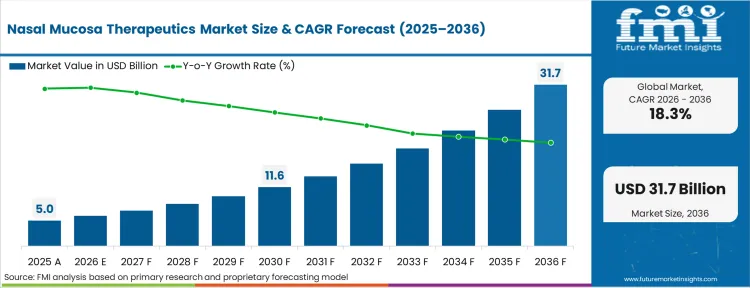
The exact moment this market accelerates is when fluid dynamics finally catches up to biochemistry, allowing large molecules to cross the mucosal barrier without triggering ciliary toxicity. Once device manufacturers achieve consistent plume geometry for high-viscosity biologics, the historical barrier to systemic delivery collapses. Pipeline candidates previously abandoned due to erratic absorption suddenly find immediate, viable pathways to commercialization.
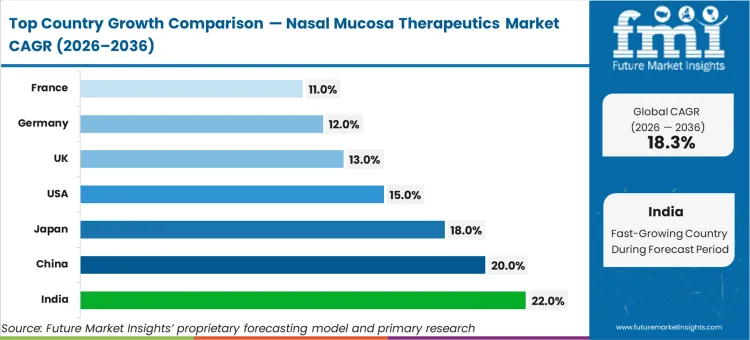
India is estimated to expand at 22.0%, followed by China at 20.0% and Japan tracking at 18.0%. The United States is poised to register 15.0%, while the United Kingdom garners 13.0%. Germany is projected to advance at 12.0% and France follows at 11.0%. The structural divergence across this range stems from the transition pace of domestic manufacturing infrastructure, as regions shift from producing basic localized respiratory solutions to manufacturing complex systemic delivery platforms.
Nasal Mucosa Therapeutics Market Definition
The nasal mucosa therapeutics market encompasses pharmaceutical formulations and paired delivery mechanisms designed explicitly for absorption through the nasal cavity lining. The defining structural boundary is the intent of the delivery mechanism: it covers both therapies targeting local sinus pathology and formulations utilizing the highly vascularized mucosa as a rapid-onset pathway for systemic or central nervous system circulation.
Nasal Mucosa Therapeutics Market Inclusions
This sector includes prescription and clinical-grade formulations administered via the nasal route, encompassing localized nasal polyposis treatment compounds and systemic agents. The scope covers the active pharmaceutical ingredients, the necessary absorption enhancers, and the specific primary delivery hardware required to achieve the validated dosing plume or droplet size necessary for mucosal adherence.
Nasal Mucosa Therapeutics Market Exclusions
The market explicitly excludes over-the-counter saline washes, purely mechanical airway dilators, and traditional oral or intravenous formulations. These categories are excluded because they either do not rely on active pharmacological absorption across the mucosal barrier or they bypass the nasal delivery route entirely, placing them outside the specialized formulation and device engineering dynamics that govern this specific sector.
Nasal Mucosa Therapeutics Market Research Methodology
- Primary Research: Chief scientific officers, clinical formulation directors, and specialized device procurement heads within tier-one pharmaceutical and delivery systems companies.
- Desk Research: Aggregation of regulatory approval pathways, bioavailability pharmacokinetic filings, and medical device engineering patent registries.
- Market-Sizing and Forecasting: The baseline anchors to the commercialization volume of proprietary actuator devices paired with approved mucosal formulations.
- Data Validation and Update Cycle: Forecasts are cross-validated against regional healthcare procurement contracts for acute crisis management therapeutics.
Segmental Analysis
Nasal Mucosa Therapeutics Market Analysis by Target Indication
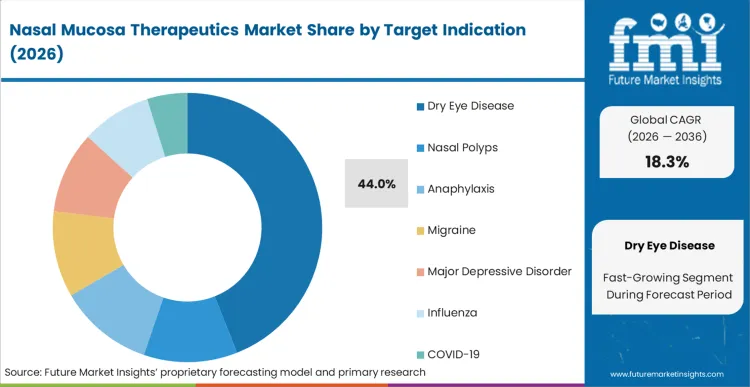
The dominant share of the Dry Eye Disease segment stems from a structural shift in treatment philosophy, addressing the pathology through neural pathways rather than topical application. FMI analysts opine that by targeting the trigeminal nerve, these therapeutics bypass the physical wash-out effect that limits traditional ocular drops. Clinical prescribers utilize this segment to achieve endogenous tear production, altering the fundamental management protocol for chronic patients. Formulators targeting this indication rely heavily on steroid-free nasal sprays to ensure long-term mucosal tolerability without the risk of localized atrophy. Development pipelines that ignore this neural pathway approach risk producing therapies with inferior patient adherence profiles.
- Trigger: Intranasal neurostimulation activates the trigeminal pathway directly. Prescribers secure a non-topical mechanism to stimulate complete tear film generation.
- Validation: Clinical monitoring confirms endogenous tear production without ocular surface irritation. Patients maintain adherence due to the absence of instillation discomfort.
- Expansion: Sustained relief metrics prompt specialists to move the therapy upstream in treatment algorithms. The therapeutic standard shifts from symptom masking to functional restoration.
Nasal Mucosa Therapeutics Market Analysis by Type of Molecule
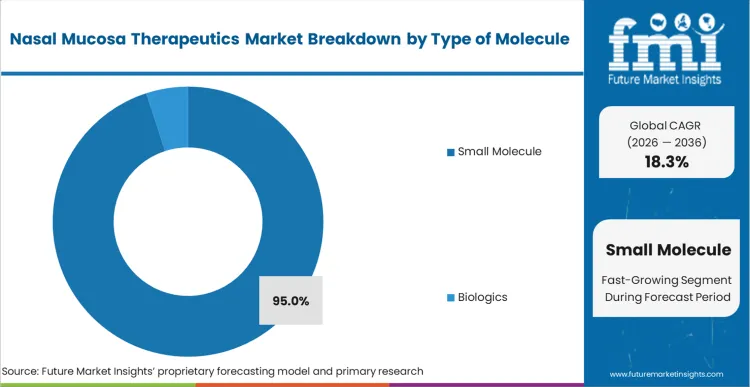
A failure to adequately permeate the mucosal lining results in immediate therapeutic failure, dictating the overwhelming reliance on small molecule architectures. Small molecules dominate with a 95.0% share in 2026 because their low molecular weight allows them to navigate the tight junctions of the nasal epithelium predictably. According to FMI's estimates, this predictability allows clinical pharmacologists to achieve systemic concentrations comparable to intravenous delivery within minutes. While the industry is attempting to adapt intranasal corticosteroids and other biologics for this route, the structural barriers of enzymatic degradation and molecular size remain severe. Developers clinging exclusively to large-molecule systemic therapies face prolonged regulatory scrutiny over absorption consistency.
- Baseline: Small molecules readily traverse the mucosal epithelium. Pharmacologists secure rapid and predictable systemic circulation.
- Edge: High-viscosity environments or patient mucosal inflammation alters absorption kinetics. Clinicians must adjust dosing protocols during periods of acute rhinitis.
- Standard: Regulatory bodies require strict pharmacokinetic bioequivalence for approvals. Formulators must prove that inter-patient mucosal variability does not compromise the therapeutic window.
Nasal Mucosa Therapeutics Market Analysis by Dosage Form
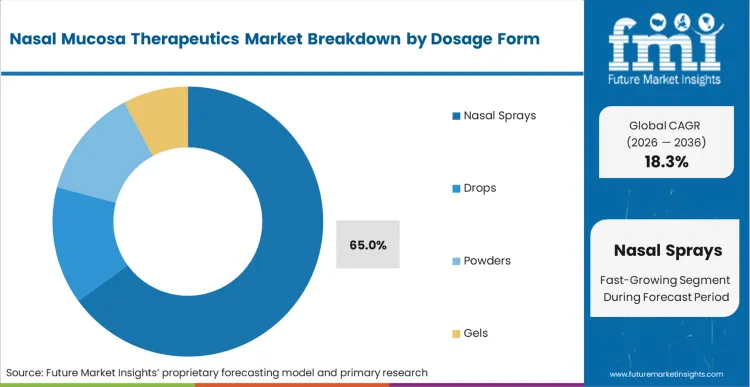
Traditional liquid drops fail to provide the spatial coating required for optimal absorption, forcing the transition to engineered spray mechanisms. Nasal sprays secure their leading position by delivering a calibrated mist that adheres to the highly vascularized turbinates rather than draining directly into the pharynx. Based on FMI's assessment, this precise plume geometry prevents the active ingredient from being lost to gastric degradation, maximizing the bioavailability of the formulation. The incorporation of advanced nasal allergy treatment compounds into these spray systems provides patients with reliable, metered dosing. Procurement networks that delay standardizing around advanced spray actuators face higher overall treatment costs due to wasted formulations and inconsistent clinical outcomes.
- Origin: Metered dose spray systems eliminate manual instillation variability. Healthcare networks realize immediate reductions in formulation waste.
- Hidden: Actuator design requires specific viscosity matching to prevent nozzle clogging. Manufacturers absorb higher quality control costs during the initial engineering phase.
- Lifecycle: The predictable bioavailability of sprays reduces the total number of doses required per patient. Formulary directors capture long-term budget efficiencies despite the higher initial unit cost of the device.
Nasal Mucosa Therapeutics Market Drivers, Restraints, and Opportunities
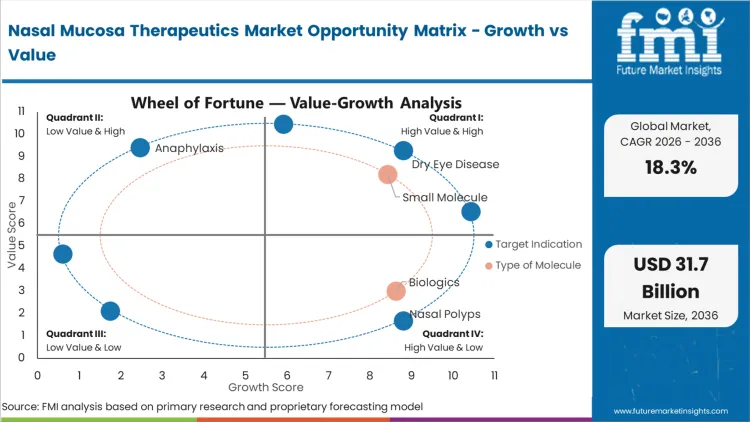
Moving emergency care out of the hospital and directly into the patient's hands is forcing healthcare networks to prioritize nasal delivery. Medical guidelines for severe migraines and anaphylaxis now actively favor intranasal administration because it completely eliminates the need for a trained professional to insert an IV line. This operational reality compels pharmaceutical companies to overhaul their older injectable drugs, transforming them into patient-friendly nasal congestion treatment devices and systemic sprays. The commercial outcome is clear: companies that successfully launch approved mucosal rescues capture the massive outpatient prescription market, while developers clinging to traditional injections are left fighting over a shrinking pool of severe hospital admissions.
Formulating for consistent mucosal absorption across varying patient physiologies without causing ciliary toxicity remains the primary structural friction slowing broader biologic adoption. The human nasal cavity is designed to clear foreign substances rapidly, meaning complex peptides often face enzymatic degradation or mucociliary clearance before reaching the bloodstream. While the introduction of permeation enhancers and mucoadhesive polymers provides a partial solution, these additives frequently irritate the nasal lining during chronic use, limiting their application to acute or infrequent dosing. This physiological barrier prevents a rapid, wholesale shift of the biologics pipeline into mucosal formats.
Opportunities in the Nasal Mucosa Therapeutics Market
- Device-Formulation Integration: Regulatory demand for consistent dosing profiles requires exact matching of actuator mechanics with fluid viscosity. Delivery hardware specialists who offer pre-validated, off-the-shelf atomizers capture premium contracts from pharmaceutical formulators.
- Generic Transition: The expiration of patents on early systemic nasal therapies creates a pathway for high-volume replication. Generic manufacturers who master the bioequivalence of inhalation and nasal spray generic drugs rapidly capture market share from legacy brands.
- Biologic Permeation Platforms: The inability of large molecules to cross the mucosa limits the current pipeline. Excipient developers who engineer non-toxic, transient tight-junction modulators unlock an entirely new class of intranasal therapeutics.
Regional Analysis
The regional analysis of the nasal mucosa therapeutics market highlights how diverse regulatory frameworks, healthcare infrastructure maturity, and demographic shifts shape adoption across global markets. FMI’s assessment reveals distinct structural trajectories dictating how domestic manufacturing capabilities and clinical procurement protocols are evolving in Asia Pacific, North America, and Europe, with the market being segmented into Asia Pacific, North America, and Europe across 40 plus countries.
.webp "Top Country Growth Comparison Nasal Mucosa Therapeutics Market Cagr (2026 2036)")
| Country | CAGR (2026 to 2036) |
|---|---|
| India | 22.0% |
| China | 20.0% |
| Japan | 18.0% |
| United States | 15.0% |
| United Kingdom | 13.0% |
| Germany | 12.0% |
| France | 11.0% |
Source: Future Market Insights (FMI) analysis, based on proprietary forecasting model and primary research
Asia Pacific Nasal Mucosa Therapeutics Market Analysis
Contract manufacturing organizations are aggressively upgrading their cleanroom environments and device engineering capabilities to handle high-value neurological and systemic formulations. Manufacturing priorities are pivoting from pure volume production to achieving the strict bioequivalence metrics required for systemic mucosal absorption. The core industrial transition in this region is defined by the rapid evolution of domestic manufacturing infrastructure from basic respiratory generics to complex systemic delivery platforms. In FMI's view, this capability shift allows regional players to bypass the importation of expensive western delivery systems, establishing localized supply chains for advanced nasal packing devices and therapeutic sprays.
- India: FMI estimates the Nasal Mucosa Therapeutics market in India to expand at an annual growth rate of 22.0%. India's massive generic pharmaceutical infrastructure provides the baseline capacity required to scale complex device-formulation pairings rapidly. Companies that establish early dominance in these upgraded manufacturing pathways secure highly profitable export channels to heavily regulated Western markets. Formulation directors leverage this established base to transition from low-margin topical solutions to lucrative central nervous system therapeutics.
- China: Hospital networks mandate the adoption of metered-dose mucosal systems to standardize patient outcomes across vast regional healthcare systems. The market for Nasal Mucosa Therapeutics in China is forecast to register a CAGR of 20.0%. The centralization of healthcare procurement in China forces domestic manufacturers to consolidate their therapeutic portfolios around the most efficient delivery methods. This structural mandate clears administrative bottlenecks, allowing procurement officers to deploy advanced systemic sprays at unprecedented scale.
- Japan: Japan's rapidly aging demographic creates an immediate structural need for patient-administered therapeutics that do not require clinical intervention or complex motor skills. This demographic pressure positions Japanese formulators at the forefront of geriatric-optimized delivery device engineering globally. Demand for Nasal Mucosa Therapeutics in Japan is set to grow at 18.0%. Geriatric care providers prioritize advanced intranasal systems over self-injectables to ensure compliance in populations with declining dexterity.
FMI's coverage of the Asia Pacific landscape indicates that the region is no longer just a high-volume generic hub, but is rapidly becoming a primary epicenter for advanced device-formulation pairing and localized consumption.
North America Nasal Mucosa Therapeutics Market Analysis
As per FMI's projection, this strict combination-product framework severely penalizes developers who treat the actuator as an afterthought, elevating the strategic importance of specialized mucosal atomization devices early in the clinical timeline. The regulatory environment in this region dictates that the delivery device and the active formulation must be approved as a single, inseparable combination product. The procurement landscape is by operational necessity dominated by alliances between tier-one drug developers and specialized engineering firms. This policy-led structure forces pharmaceutical companies to lock in their device partnerships years before commercialization, effectively preventing post-approval component swapping.
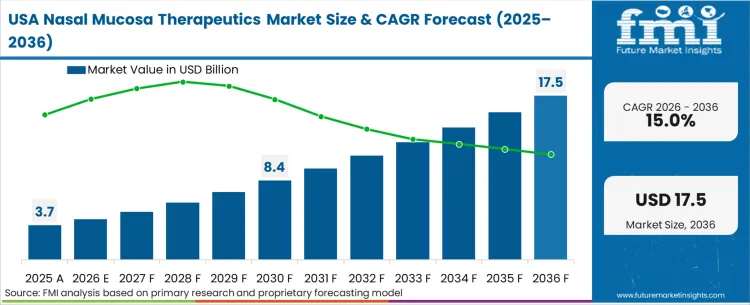
- United States: Practitioners on the ground recognize that these mucosal tools are no longer niche respiratory aids, but primary weapons in neurological and emergency medicine arsenals. The United States is expected to see its Nasal Mucosa Therapeutics sector grow at a CAGR of 15.0%. The intense competition within the United States acute crisis sector demands therapeutics with the absolute fastest onset of action, pushing developers away from oral routes entirely. Clinical pharmacologists operate under the reality that securing a first-line formulary position requires proving mucosal absorption speeds that rival intravenous administration.
As a defining constraint per FMI’s assessment, the North American sector remains heavily gated by combination-product approvals, ensuring that only those who master both the molecule and the mechanical actuator can successfully navigate the region's acute crisis procurement pathways.
Europe Nasal Mucosa Therapeutics Market Analysis
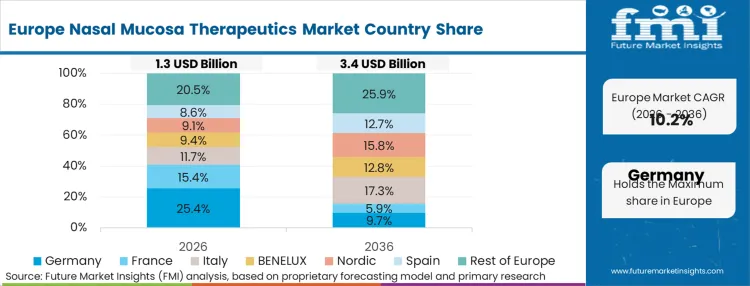
Health technology assessment bodies systematically evaluate the total lifecycle cost of therapies, heavily favoring patient-administered nasal formats over injectables that require nursing time and sterile clinical space. The ability to demonstrate reduced hospital visit frequency becomes the primary variable for securing favorable national formulary placement. Cost-containment mandates across nationalized healthcare systems drive the adoption of mucosal therapeutics as a mechanism to reduce clinical administration overhead. FMI analysts opine that this economics-led environment forces manufacturers to prove not just clinical efficacy, but broader health-system efficiency when submitting fragmentable nasal and ear dressing systems and advanced sprays for reimbursement.
- Germany: A CAGR of 12.0% is expected for Nasal Mucosa Therapeutics in Germany over the forecast period. Pharmaceutical developers must present clinical trial data proving that their specific mucosal delivery mechanism reduces treatment abandonment compared to legacy options. Developers who meet these stringent behavioral metrics capture dominant positions in one of the most lucrative single-payer environments. Germany's rigorous health technology assessment framework requires explicit proof of superior patient compliance before granting premium reimbursement tiers.
- United Kingdom: The integration of specialized acute care protocols within the National Health Service creates a structural pathway for rapid-onset mucosal therapeutics. This transition establishes the operational blueprint for how integrated health systems will manage systemic mucosal therapies over the next decade. The United Kingdom market for Nasal Mucosa Therapeutics is likely to post a CAGR of 13.0%. Procurement trusts are actively transitioning emergency migraine and anaphylaxis management away from injectable auto-injectors toward more stable intranasal formats.
- France: The aggressive domestic sourcing mandates compel local healthcare networks to prioritize therapeutics manufactured within the European bloc. Supply chain managers utilize this mandate to streamline the procurement of complex device-formulation combinations, reducing reliance on external shipping routes. This localized sourcing strategy standardizes the quality of actuator devices deployed across the national hospital network, eliminating formulation waste thereby propelling an anticipated CAGR of 11.0% for French revenue in nasal mucosa therapeutics to increase.
FMI's report includes extensive analysis of neighboring regulatory environments across the broader European and Asian markets. The integration of continuous nasal implant technologies and advanced formulation monitoring systems across these secondary markets signals a shift toward standardized cross-border bioequivalence frameworks.
Competitive Aligners for Market Players
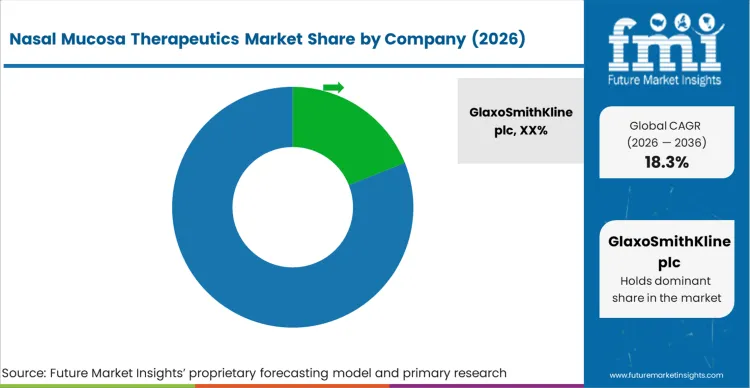
Succeeding in this space requires more than just mixing a potent chemical. Pharmaceutical giants must prove their mechanical hardware works flawlessly every single time a patient presses the nozzle. Procurement teams at major hospitals aren't just looking at the clinical data of the active ingredient; they are scrutinizing the physical reliability of the spray plume itself. This operational reality acts as a massive barrier to entry, allowing GlaxoSmithKline plc, Johnson & Johnson, and Pfizer Inc. to effectively shut out generic challengers who treat the plastic actuator as a cheap afterthought.
The actual moat protecting these market leaders is intellectual property tied to fluid dynamics, not just biology. Companies like AstraZeneca PLC and specialized hardware architects such as AptarGroup Inc. hold the precise mechanical blueprints required to keep thick, complex peptides from clogging the delivery nozzle. If a new player wants to steal institutional contracts, they cannot simply copy the molecule. They are forced to design an entirely new mechanical pathway around existing patents. Incumbents intentionally raise this engineering ceiling to keep rivals at bay, a strategy clearly visible as they pair advanced sinus irrigation systems with highly specialized biologics.
Hospital networks naturally fight this vendor lock-in. The moment patents expire on older, simple liquid sprays, institutional buyers immediately shift their volume to cheaper secondary suppliers. Yet, the broader push toward highly complex, systemic treatments guarantees that the real pricing power remains with the top-tier developers. As Novartis AG and Eli Lilly and Company steer clinical protocols toward proprietary neurological and emergency rescue platforms, the market is structurally splitting in two. Basic localized therapies are rapidly devolving into a fierce generic price war, while the high-stakes systemic treatments consolidate tightly among the few who have mastered both the medicine and the machine.
Key Players in Nasal Mucosa Therapeutics Market
- GlaxoSmithKline plc
- Johnson & Johnson
- Pfizer Inc.
- AstraZeneca PLC
- AptarGroup Inc.
- Novartis AG
- Eli Lilly and Company
Scope of the Report
| Metric | Value |
|---|---|
| Quantitative Units | USD 5.9 billion to USD 31.7 billion, at a CAGR of 18.3% |
| Market Definition | The Nasal Mucosa Therapeutics Market encompasses pharmaceutical formulations and paired delivery mechanisms designed explicitly for absorption through the nasal cavity lining for both local pathology and systemic circulation. |
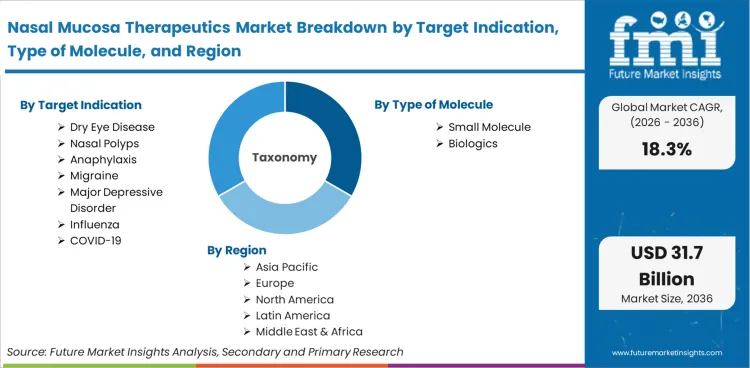
| Target Indication Segmentation | Dry Eye Disease, Nasal Polyps, Anaphylaxis, Migraine, Major Depressive Disorder, Influenza, COVID-19 |
| Type of Molecule Segmentation | Small Molecule, Biologics |
| Dosage Form Segmentation | Nasal Sprays, Drops, Powders, Gels |
| Regions Covered | Asia Pacific, North America, Europe |
| Countries Covered | India, China, Japan, United States, United Kingdom, Germany, France, and 40 plus countries |
| Key Companies Profiled | GlaxoSmithKline plc, Johnson & Johnson, Pfizer Inc., AstraZeneca PLC, AptarGroup Inc., Novartis AG, Eli Lilly and Company |
| Forecast Period | 2026 to 2036 |
| Approach | Primary interviews were conducted with clinical formulation directors and device procurement heads. The baseline data anchors to proprietary device shipment volumes and prescription trends. Forecasts were cross-validated against regional hospital formulary contracts for acute crisis management. |
Source: Future Market Insights (FMI) analysis, based on proprietary forecasting model and primary research
Key Segments
Target Indication:
- Dry Eye Disease
- Nasal Polyps
- Anaphylaxis
- Migraine
- Major Depressive Disorder
- Influenza
- COVID-19
Type of Molecule:
- Small Molecule
- Biologics
Dosage Form:
- Nasal Sprays
- Drops
- Powders
- Gels
Region:
- North America
- United States
- Canada
- Europe
- Germany
- United Kingdom
- France
- Italy
- Spain
- Asia Pacific
- China
- Japan
- South Korea
- Taiwan
- Singapore
- Latin America
- Brazil
- Mexico
- Argentina
- Middle East & Africa
- GCC Countries
- South Africa
- Israel
Bibliography
- USA Food and Drug Administration. (2025). Challenges with Method Standardization for Inhalation and Nasal Drug Products. U.S. Food and Drug Administration.
- European Medicines Agency. (2025). Guideline on the pharmaceutical quality of inhalation and nasal medicinal products. European Medicines Agency.
- European Academy of Allergy and Clinical Immunology. (2025). Allergic Rhinitis and Its Impact on Asthma (ARIA)-EAACI Guidelines-2024-2025 Revision: Part I-Guidelines on Intranasal Treatments. European Academy of Allergy and Clinical Immunology.
- Brako, F., et al. (2024). Transmucosal drug delivery: prospects, challenges, advances, and future directions. Expert Opinion on Drug Delivery.
- Pfizer Inc. (2025). Pfizer Pipeline and Delivery Technologies - Q4 2025 Pipeline Update_vFinal3.pdf. Pfizer Inc.
- GlaxoSmithKline plc. (2025). GSK Respiratory and Mucosal Innovation Report. GlaxoSmithKline plc.
This bibliography is provided for reader reference. The full FMI report contains the complete reference list with primary source documentation.
This Report Addresses
- Market intelligence to support strategic decision making across Small Molecule and Biologics formulation categories
- Market size estimation and 10-year revenue forecasts from 2026 to 2036, supported by proprietary device shipment volume analysis
- Growth opportunity mapping across Dry Eye Disease and Anaphylaxis segments with emphasis on the cross-pollination of device engineering with biologics formulation
- Segment and regional revenue forecasts covering advanced Nasal Sprays across stringent health technology assessment environments in Europe
- Competition strategy assessment including intellectual property control, high-viscosity atomization mastery, and device-formulation pairing capabilities
- Capability development tracking including ISO design verification standards and bioequivalence frameworks discussed in this article
- Market access analysis covering combination-product regulatory frameworks and institutional hospital formulary procurement pathways
- Market report delivery in PDF, Excel, PPT, and interactive dashboard formats for executive strategy, clinical trial planning, and operational benchmarking use
Frequently Asked Questions
How large is the Nasal Mucosa Therapeutics Market in 2026?
The market is valued at USD 5.9 billion in 2026, signalling the baseline commercial validation of mucosal pathways as viable alternatives to localized respiratory treatments thereby establishing the financial foundation for complex systemic delivery engineering.
What will it be valued at by 2036?
The industry will reach USD 31.7 billion by 2036, indicating that healthcare procurement networks have fundamentally reallocated emergency and neurological therapeutic budgets away from traditional injectables toward patient-administered mucosal options.
What CAGR is projected?
A CAGR of 18.3% is projected from 2026 to 2036, this aggressive rate reflects the rapid pipeline conversion of central nervous system therapeutics into nasal formats, rather than organic growth in basic allergy or sinus management.
Which Target Indication segment leads?
Dry Eye Disease accounts for 60.0% of the market as a result of intranasal neurostimulation effectively bypasses the physical washout limitations of topical ocular drops, allowing prescribers to trigger natural tear production directly via the trigeminal nerve.
Which Type of Molecule segment leads?
Small Molecule formulations capture 95.0% of the share, driven by the low molecular weight of these compounds, which navigate the tight junctions of the nasal epithelium predictably without requiring the complex permeation enhancers that biologics mandate.
Which Dosage Form segment leads?
Engineered spray actuators guarantee a calibrated mist that adheres precisely to the highly vascularized turbinates, preventing the formulation from draining into the pharynx and ensuring consistent systemic absorption with nasal sprays leading the dosage form category.
What drives rapid growth?
Clinical protocol shifts are forcing hospital formularies to transition acute crisis treatments out of the clinic as the mandate to provide patients with reliable, self-administered therapies for anaphylaxis and migraine eliminates the logistical bottleneck of requiring trained personnel for intravenous access.
What is the primary restraint?
The structural friction lies in formulating for consistent mucosal absorption without triggering ciliary toxicity with complex peptides often facing rapid enzymatic degradation or mucociliary clearance before reaching the bloodstream, limiting the immediate commercialization of large-molecule systemic sprays.
Which country grows fastest?
India expands at 22.0%, significantly outpacing the United States at 15.0%, this structural difference is India's massive existing generic manufacturing base rapidly pivoting its infrastructure to capture high-margin export contracts for complex device-formulation pairings, while the US focuses strictly on primary combination-product approvals.
How does the combination-product framework alter North American procurement?
The regulatory requirement to approve the device and drug as an inseparable unit forces pharmaceutical developers to lock in hardware partnerships years before clinical trials conclude, preventing post-approval component swapping and solidifying the market power of specialized atomization engineers.
What role do novel formulations play in expanding allergy applications?
Formulators engineering needle-free allergy therapy systems utilize the mucosal lining to achieve rapid systemic desensitization, entirely bypassing the clinical overhead of traditional subcutaneous immunotherapy, shifting the treatment paradigm to home-based management.
How do incumbents maintain their competitive advantage?
Leading pharmaceutical firms control the intellectual property surrounding both the mucoadhesive excipients and the high-viscosity atomization mechanics leading challengers to cannot simply synthesize a bioequivalent molecule; they must engineer around heavily defended actuator patents to achieve acceptable plume geometry.
Why are traditional clinical injectables losing formulary status?
Nationalized health systems utilize health technology assessments to measure total lifecycle costs while patient-administered nasal formats drastically reduce the clinical nursing time and sterile facility space required, making them economically superior to injectables despite higher initial unit costs.
How does seasonal demand impact mucosal device engineering?
During periods of high seasonal allergy prevalence, patient mucosal inflammation alters baseline absorption kinetics motivating device manufacturers to engineer actuators capable of delivering consistent doses even when the physical environment of the nasal cavity is compromised.
Why does China's centralized procurement favor advanced spray formats?
Centralized hospital networks mandate metered-dose mucosal systems to standardize therapeutic outcomes across vast populations, eliminating the dosage variability inherent in manual liquid drops, reducing secondary medical interventions caused by under-dosing.
What prevents biologics from immediately dominating the allergy immunotherapy segment?
Large biologic molecules cannot passively traverse the tight junctions of the nasal epithelium, until non-toxic, transient permeation enhancers are perfected, biologics remain stalled by poor bioavailability and the risk of chronic mucosal irritation.
How does the Japanese demographic profile shape device design?
An aggressively aging population necessitates self-administered therapeutics that require minimal motor skills when geriatric care protocols explicitly favor single-press intranasal actuators over complex auto-injectors to guarantee compliance among patients with declining dexterity.
How do surgical adjuncts fit into the mucosal therapeutic space?
Post-operative healing relies heavily on localized mucosal delivery as formulations paired with functional endoscopic sinus surgery systems ensure that anti-inflammatory agents remain exactly at the site of surgical intervention without being cleared by natural sinus drainage.
What makes the Dry Eye Disease application non-obvious to generalists?
Generalists assume nasal therapies only treat respiratory as practitioners understand that the nasal cavity provides direct access to the trigeminal nerve, allowing formulators to treat ocular pathology neurologically rather than topically.
Why are device manufacturers acquiring formulation capabilities?
Engineering sinus dilation devices without understanding the viscosity of the accompanying steroid leads to immediate clinical failure.
How does the UK's NHS protocol transition influence global markets?
The NHS is actively moving emergency anaphylaxis management toward stable intranasal formats as the NHS operates under strict cost-efficiency mandates, its successful integration of these systems provides the operational blueprint for other nationalized healthcare models globally.
What dictates the success of highly specific treatments like birch allergy treatment in mucosal formats?
The success of specific allergen formulations depends on the mucoadhesive polymer's ability to hold the antigen against the mucosa long enough for immune recognition, and without advanced polymer science, the antigen is swallowed before desensitization can occur.
Preview the report firsthand - request a free sample
Get SampleGet the brochure for pricing and purchase details.
Get PDFTable of Content
- Executive Summary
- Global Market Outlook
- Demand-side Trends
- Supply-side Trends
- Technology Roadmap Analysis
- Analysis and Recommendations
- Market Overview
- Market Coverage / Taxonomy
- Market Definition / Scope / Limitations
- Research Methodology
- Chapter Orientation
- Analytical Lens and Working Hypotheses
- Market Structure, Signals, and Trend Drivers
- Benchmarking and Cross-market Comparability
- Market Sizing, Forecasting, and Opportunity Mapping
- Research Design and Evidence Framework
- Desk Research Programme (Secondary Evidence)
- Company Annual and Sustainability Reports
- Peer-reviewed Journals and Academic Literature
- Corporate Websites, Product Literature, and Technical Notes
- Earnings Decks and Investor Briefings
- Statutory Filings and Regulatory Disclosures
- Technical White Papers and Standards Notes
- Trade Journals, Industry Magazines, and Analyst Briefs
- Conference Proceedings, Webinars, and Seminar Materials
- Government Statistics Portals and Public Data Releases
- Press Releases and Reputable Media Coverage
- Additional Desk Sources
- Expert Input and Fieldwork (Primary Evidence)
- Primary Modes
- Qualitative Interviews and Expert Elicitation
- Quantitative Surveys and Structured Data Capture
- Blended Approach
- Why Primary Evidence is Used
- Field Techniques
- Interviews
- Surveys
- Focus Groups
- Observational and In-context Research
- Social and Community Interactions
- Stakeholder Universe Engaged
- C-suite Leaders
- Board Members
- Presidents and Vice Presidents
- R&D and Innovation Heads
- Technical Specialists
- Domain Subject-matter Experts
- Scientists
- Physicians and Other Healthcare Professionals
- Governance, Ethics, and Data Stewardship
- Research Ethics
- Data Integrity and Handling
- Primary Modes
- Tooling, Models, and Reference Databases
- Desk Research Programme (Secondary Evidence)
- Data Engineering and Model Build
- Data Acquisition and Ingestion
- Cleaning, Normalisation, and Verification
- Synthesis, Triangulation, and Analysis
- Quality Assurance and Audit Trail
- Market Background
- Market Dynamics
- Drivers
- Restraints
- Opportunity
- Trends
- Scenario Forecast
- Demand in Optimistic Scenario
- Demand in Likely Scenario
- Demand in Conservative Scenario
- Opportunity Map Analysis
- Product Life Cycle Analysis
- Supply Chain Analysis
- Investment Feasibility Matrix
- Value Chain Analysis
- PESTLE and Porter’s Analysis
- Regulatory Landscape
- Regional Parent Market Outlook
- Production and Consumption Statistics
- Import and Export Statistics
- Market Dynamics
- Global Market Analysis 2021 to 2025 and Forecast, 2026 to 2036
- Historical Market Size Value (USD Million) Analysis, 2021 to 2025
- Current and Future Market Size Value (USD Million) Projections, 2026 to 2036
- Y-o-Y Growth Trend Analysis
- Absolute $ Opportunity Analysis
- Global Market Pricing Analysis 2021 to 2025 and Forecast 2026 to 2036
- Global Market Analysis 2021 to 2025 and Forecast 2026 to 2036, By Target Indication
- Introduction / Key Findings
- Historical Market Size Value (USD Million) Analysis By Target Indication , 2021 to 2025
- Current and Future Market Size Value (USD Million) Analysis and Forecast By Target Indication , 2026 to 2036
- Dry Eye Disease
- Nasal Polyps
- Anaphylaxis
- Migraine
- Major Depressive Disorder
- Influenza
- COVID-19
- Dry Eye Disease
- Y-o-Y Growth Trend Analysis By Target Indication , 2021 to 2025
- Absolute $ Opportunity Analysis By Target Indication , 2026 to 2036
- Global Market Analysis 2021 to 2025 and Forecast 2026 to 2036, By Type of Molecule
- Introduction / Key Findings
- Historical Market Size Value (USD Million) Analysis By Type of Molecule, 2021 to 2025
- Current and Future Market Size Value (USD Million) Analysis and Forecast By Type of Molecule, 2026 to 2036
- Small Molecule
- Biologics
- Small Molecule
- Y-o-Y Growth Trend Analysis By Type of Molecule, 2021 to 2025
- Absolute $ Opportunity Analysis By Type of Molecule, 2026 to 2036
- Global Market Analysis 2021 to 2025 and Forecast 2026 to 2036, By Dosage Form
- Introduction / Key Findings
- Historical Market Size Value (USD Million) Analysis By Dosage Form, 2021 to 2025
- Current and Future Market Size Value (USD Million) Analysis and Forecast By Dosage Form, 2026 to 2036
- Nasal Sprays
- Drops
- Powders
- Gels
- Nasal Sprays
- Y-o-Y Growth Trend Analysis By Dosage Form, 2021 to 2025
- Absolute $ Opportunity Analysis By Dosage Form, 2026 to 2036
- Global Market Analysis 2021 to 2025 and Forecast 2026 to 2036, By Region
- Introduction
- Historical Market Size Value (USD Million) Analysis By Region, 2021 to 2025
- Current Market Size Value (USD Million) Analysis and Forecast By Region, 2026 to 2036
- North America
- Latin America
- Western Europe
- Eastern Europe
- East Asia
- South Asia and Pacific
- Middle East & Africa
- Market Attractiveness Analysis By Region
- North America Market Analysis 2021 to 2025 and Forecast 2026 to 2036, By Country
- Historical Market Size Value (USD Million) Trend Analysis By Market Taxonomy, 2021 to 2025
- Market Size Value (USD Million) Forecast By Market Taxonomy, 2026 to 2036
- By Country
- USA
- Canada
- Mexico
- By Target Indication
- By Type of Molecule
- By Dosage Form
- By Country
- Market Attractiveness Analysis
- By Country
- By Target Indication
- By Type of Molecule
- By Dosage Form
- Key Takeaways
- Latin America Market Analysis 2021 to 2025 and Forecast 2026 to 2036, By Country
- Historical Market Size Value (USD Million) Trend Analysis By Market Taxonomy, 2021 to 2025
- Market Size Value (USD Million) Forecast By Market Taxonomy, 2026 to 2036
- By Country
- Brazil
- Chile
- Rest of Latin America
- By Target Indication
- By Type of Molecule
- By Dosage Form
- By Country
- Market Attractiveness Analysis
- By Country
- By Target Indication
- By Type of Molecule
- By Dosage Form
- Key Takeaways
- Western Europe Market Analysis 2021 to 2025 and Forecast 2026 to 2036, By Country
- Historical Market Size Value (USD Million) Trend Analysis By Market Taxonomy, 2021 to 2025
- Market Size Value (USD Million) Forecast By Market Taxonomy, 2026 to 2036
- By Country
- Germany
- UK
- Italy
- Spain
- France
- Nordic
- BENELUX
- Rest of Western Europe
- By Target Indication
- By Type of Molecule
- By Dosage Form
- By Country
- Market Attractiveness Analysis
- By Country
- By Target Indication
- By Type of Molecule
- By Dosage Form
- Key Takeaways
- Eastern Europe Market Analysis 2021 to 2025 and Forecast 2026 to 2036, By Country
- Historical Market Size Value (USD Million) Trend Analysis By Market Taxonomy, 2021 to 2025
- Market Size Value (USD Million) Forecast By Market Taxonomy, 2026 to 2036
- By Country
- Russia
- Poland
- Hungary
- Balkan & Baltic
- Rest of Eastern Europe
- By Target Indication
- By Type of Molecule
- By Dosage Form
- By Country
- Market Attractiveness Analysis
- By Country
- By Target Indication
- By Type of Molecule
- By Dosage Form
- Key Takeaways
- East Asia Market Analysis 2021 to 2025 and Forecast 2026 to 2036, By Country
- Historical Market Size Value (USD Million) Trend Analysis By Market Taxonomy, 2021 to 2025
- Market Size Value (USD Million) Forecast By Market Taxonomy, 2026 to 2036
- By Country
- China
- Japan
- South Korea
- By Target Indication
- By Type of Molecule
- By Dosage Form
- By Country
- Market Attractiveness Analysis
- By Country
- By Target Indication
- By Type of Molecule
- By Dosage Form
- Key Takeaways
- South Asia and Pacific Market Analysis 2021 to 2025 and Forecast 2026 to 2036, By Country
- Historical Market Size Value (USD Million) Trend Analysis By Market Taxonomy, 2021 to 2025
- Market Size Value (USD Million) Forecast By Market Taxonomy, 2026 to 2036
- By Country
- India
- ASEAN
- Australia & New Zealand
- Rest of South Asia and Pacific
- By Target Indication
- By Type of Molecule
- By Dosage Form
- By Country
- Market Attractiveness Analysis
- By Country
- By Target Indication
- By Type of Molecule
- By Dosage Form
- Key Takeaways
- Middle East & Africa Market Analysis 2021 to 2025 and Forecast 2026 to 2036, By Country
- Historical Market Size Value (USD Million) Trend Analysis By Market Taxonomy, 2021 to 2025
- Market Size Value (USD Million) Forecast By Market Taxonomy, 2026 to 2036
- By Country
- Kingdom of Saudi Arabia
- Other GCC Countries
- Turkiye
- South Africa
- Other African Union
- Rest of Middle East & Africa
- By Target Indication
- By Type of Molecule
- By Dosage Form
- By Country
- Market Attractiveness Analysis
- By Country
- By Target Indication
- By Type of Molecule
- By Dosage Form
- Key Takeaways
- Key Countries Market Analysis
- USA
- Pricing Analysis
- Market Share Analysis, 2025
- By Target Indication
- By Type of Molecule
- By Dosage Form
- Canada
- Pricing Analysis
- Market Share Analysis, 2025
- By Target Indication
- By Type of Molecule
- By Dosage Form
- Mexico
- Pricing Analysis
- Market Share Analysis, 2025
- By Target Indication
- By Type of Molecule
- By Dosage Form
- Brazil
- Pricing Analysis
- Market Share Analysis, 2025
- By Target Indication
- By Type of Molecule
- By Dosage Form
- Chile
- Pricing Analysis
- Market Share Analysis, 2025
- By Target Indication
- By Type of Molecule
- By Dosage Form
- Germany
- Pricing Analysis
- Market Share Analysis, 2025
- By Target Indication
- By Type of Molecule
- By Dosage Form
- UK
- Pricing Analysis
- Market Share Analysis, 2025
- By Target Indication
- By Type of Molecule
- By Dosage Form
- Italy
- Pricing Analysis
- Market Share Analysis, 2025
- By Target Indication
- By Type of Molecule
- By Dosage Form
- Spain
- Pricing Analysis
- Market Share Analysis, 2025
- By Target Indication
- By Type of Molecule
- By Dosage Form
- France
- Pricing Analysis
- Market Share Analysis, 2025
- By Target Indication
- By Type of Molecule
- By Dosage Form
- India
- Pricing Analysis
- Market Share Analysis, 2025
- By Target Indication
- By Type of Molecule
- By Dosage Form
- ASEAN
- Pricing Analysis
- Market Share Analysis, 2025
- By Target Indication
- By Type of Molecule
- By Dosage Form
- Australia & New Zealand
- Pricing Analysis
- Market Share Analysis, 2025
- By Target Indication
- By Type of Molecule
- By Dosage Form
- China
- Pricing Analysis
- Market Share Analysis, 2025
- By Target Indication
- By Type of Molecule
- By Dosage Form
- Japan
- Pricing Analysis
- Market Share Analysis, 2025
- By Target Indication
- By Type of Molecule
- By Dosage Form
- South Korea
- Pricing Analysis
- Market Share Analysis, 2025
- By Target Indication
- By Type of Molecule
- By Dosage Form
- Russia
- Pricing Analysis
- Market Share Analysis, 2025
- By Target Indication
- By Type of Molecule
- By Dosage Form
- Poland
- Pricing Analysis
- Market Share Analysis, 2025
- By Target Indication
- By Type of Molecule
- By Dosage Form
- Hungary
- Pricing Analysis
- Market Share Analysis, 2025
- By Target Indication
- By Type of Molecule
- By Dosage Form
- Kingdom of Saudi Arabia
- Pricing Analysis
- Market Share Analysis, 2025
- By Target Indication
- By Type of Molecule
- By Dosage Form
- Turkiye
- Pricing Analysis
- Market Share Analysis, 2025
- By Target Indication
- By Type of Molecule
- By Dosage Form
- South Africa
- Pricing Analysis
- Market Share Analysis, 2025
- By Target Indication
- By Type of Molecule
- By Dosage Form
- USA
- Market Structure Analysis
- Competition Dashboard
- Competition Benchmarking
- Market Share Analysis of Top Players
- By Regional
- By Target Indication
- By Type of Molecule
- By Dosage Form
- Competition Analysis
- Competition Deep Dive
- GlaxoSmithKline plc
- Overview
- Product Portfolio
- Profitability by Market Segments (Product/Age /Sales Channel/Region)
- Sales Footprint
- Strategy Overview
- Marketing Strategy
- Product Strategy
- Channel Strategy
- Johnson & Johnson
- Pfizer Inc.
- AstraZeneca PLC
- AptarGroup Inc.
- Novartis AG
- Eli Lilly and Company
- GlaxoSmithKline plc
- Competition Deep Dive
- Assumptions & Acronyms Used


