

- Industry Size (2025)
- USD 1.2 Bn
- Forecast (2035)
- USD 2.0 Bn
- CAGR (2025 to 2035)
- 5.6%
Demand for Cereal Bars in Japan Forecast and Outlook 2025 to 2035
Cereal bar demand in Japan is valued at USD 1.2 billion in 2025 and is projected to reach USD 2.0 billion by 2035 at a CAGR of 5.6%. Consumer preference shifts toward portion-controlled nutrition, portable snacking, and functional food positioning continue to shape category expansion. Protein-enriched bars, fiber-based variants, and low-sugar formats represent the most active product segments across convenience retail and pharmacy-led food channels. Urban consumption strength remains concentrated in Kanto, Kinki, and Chubu, supported by working population density and high out-of-home eating frequency. Domestic food processors dominate shelf space, while select international brands hold premium health-focused subsegments. Ingredient sourcing links remain closely tied to Japan, Southeast Asia, and select suppliers across Europe for oats, nuts, and functional additives.
School nutrition programs, corporate wellness initiatives, and aging population dietary management reinforce structural demand stability across forecast years. Vending machine distribution and compact-format packaging align with high-frequency commuter purchasing behavior. Flavor localization, seasonal product rotations, and texture innovation sustain repeat consumption in a mature packaged food environment. Private-label participation continues to strengthen across mass grocery and drugstore channels, applying pricing pressure on branded portfolios. Logistics efficiency, cold-chain flexibility for chocolate-coated variants, and shelf-life optimization influence supply chain strategy. Import exposure remains limited to premium meal-replacement formats and specialty protein blends. Through 2035, cereal bar demand growth remains anchored in lifestyle nutrition adoption, steady urban retail throughput, and controlled category premiumization rather than rapid volume expansion across rural prefectures.
Quick Stats of the Cereal Bars Industry in Japan:
- Cereal Bars Industry in Japan Value (2025): USD 1.2 billion
- Cereal Bars Industry in Japan Forecast Value (2035): USD 2.0 billion
- Cereal Bars Industry in Japan Forecast CAGR (2025–2035): 5.6%
- Leading Product in Cereal Bars Industry in Japan: Granola/Muesli Bars (50%)
- Key Growth Regions in Cereal Bars Industry in Japan: Kyushu & Okinawa, Kanto, Kansai
- Top Players in Cereal Bars Industry in Japan: General Mills, Nestlé S.A., Mars, BellRing Brands, Naturell India
What is the Demand Forecast for Cereal Bars in Japan through 2035?
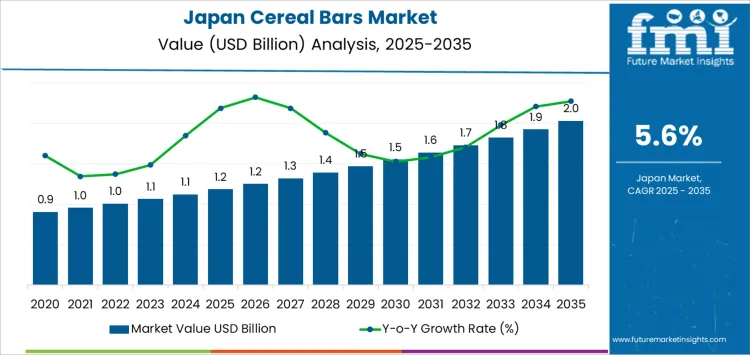
Cereal bar demand in Japan reaches USD 1.2 billion in 2025 and increases to USD 1.5 billion by 2030, creating a USD 0.3 billion value build within this five-year span. The rise from USD 0.9 billion in 2020 reflects the steady incorporation of cereal bars into everyday breakfast replacement and mid-day snacking routines. Office workers, students, and commuters drive repeat consumption through convenience store purchases and vending machine distribution. Product positioning continues to shift toward protein, fiber, and reduced sugar formulations that align with weight management and sustained energy needs. Private brand offerings from major retailers expand shelf density, supporting higher unit throughput across urban retail corridors.
From 2030 to 2035, demand expands from USD 1.5 billion to USD 2.0 billion, adding USD 0.5 billion in fresh value during the later phase. Growth strength increases as cereal bars gain wider acceptance within elderly nutrition, hospital food services, and sports recovery diets. Packaging innovation in portion control and mixed-flavor bundles raises average transaction value across ecommerce channels. Domestic food manufacturers intensify co-development with functional ingredient suppliers to support claims linked to digestion, satiety, and muscle maintenance. Travel retail and export-oriented Japanese snack brands also contribute rising international offtake. By 2035, cereal bar demand in Japan reflects durable integration into daily nutrition behavior rather than short-cycle health snack trends.
Cereal Bars Industry in Japan Key Takeaways
| Metric | Value |
|---|---|
| Industry Value (2025) | USD 1.2 billion |
| Forecast Value (2035) | USD 2.0 billion |
| Forecast CAGR (2025–2035) | 5.6% |
What Is Driving the Demand for Cereal Bars in Japan?
The demand for cereal bars in Japan is shaped by commuting culture, compact meal habits, and the growing preference for portion controlled nutrition. Historically, snack consumption centered on rice based treats and bakery items that required preparation or refrigeration. As urban work schedules tightened and on the go eating increased, shelf stable bars gained relevance as quick energy sources that fit handbags and briefcases. Convenience stores played a central role by positioning cereal bars near checkout zones for impulse purchase during morning and evening commutes. Functional positioning around fiber intake, digestive balance, and steady energy release also supported adoption among office workers, students, and older consumers seeking light snacks that do not feel indulgent.
Future demand for cereal bars in Japan will be shaped by the expansion of health focused snacking, protein enriched formulations, and meal replacement behavior among time constrained consumers. Growth will continue through bars positioned for sports recovery, beauty nutrition, and blood sugar control. Travel retail and vending machines will further normalize consumption beyond supermarkets. Barriers include strong competition from traditional confectionery, sensitivity to sweetness levels, and skepticism toward overly processed health claims. Flavor fatigue also limits repeat purchase in narrow product ranges. Long term demand will depend on how effectively cereal bars align with Japanese taste preferences, restrained sweetness profiles, and the cultural balance between functional eating and enjoyment in everyday snack choices.
What Is the Demand for Cereal Bars in Japan by Product and Distribution Channel?
The demand for cereal bars in Japan is shaped by on the go eating habits, portion controlled snacking, and strong convenience store penetration. Granola and muesli bars lead by product due to their association with breakfast replacement and fiber intake. Hypermarkets and supermarkets lead by distribution channel because bulk purchasing and multi pack formats align with household consumption patterns. Procurement is driven by domestic snack manufacturers, private label brands, and food distributors serving national retail chains. Import reliance remains present for oats, dried fruits, and specialty inclusions. Substitution pressure exists from protein snacks and baked confectionery. Demand stability is supported by steady weekday consumption and fitness oriented dietary choices.
Why do granola and muesli bars dominate the demand for cereal bars in Japan by product?
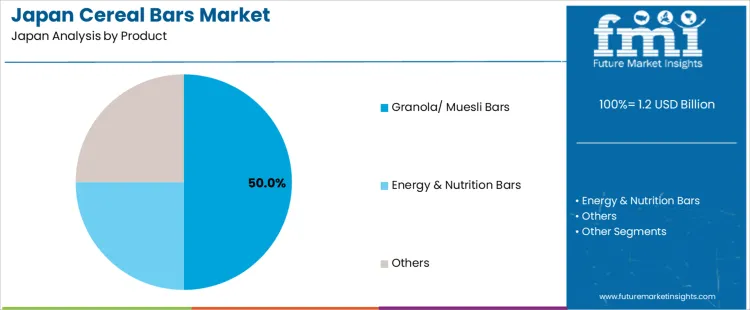
Granola and muesli bars account for 50% of the demand for cereal bars in Japan by product, reflecting preference for natural grains and visible ingredient formats. Consumption intensity is driven by breakfast substitution, office snacking, and post exercise intake. Usage remains stable because these bars align with balanced nutrition positioning rather than indulgence only consumption. Procurement is led by mass food manufacturers and private label suppliers serving supermarkets and convenience stores. Price sensitivity remains moderate because consumers associate granola with functional value. Specification control emphasizes oat flake integrity, binding syrup consistency, moisture control, and shelf life stability under ambient storage.
Granola and muesli bars also generate consistent repeat demand through weekly household replenishment and subscription based grocery ordering. Repeat utilization remains predictable because these products are often consumed daily or several times weekly. Buyers favor standardized base recipes that allow seasonal flavor rotation without core reformulation. Margin structure remains tight under intense competition across domestic brands. Regulatory exposure centers on allergen labeling and nutritional disclosure compliance. Import reliance persists for oats and dried fruit ingredients. Substitution pressure from energy bars exists within fitness segments, though granola and muesli bars retain dominance for routine daily intake.
What drives hypermarkets and supermarkets to lead the demand for cereal bars in Japan by distribution channel?
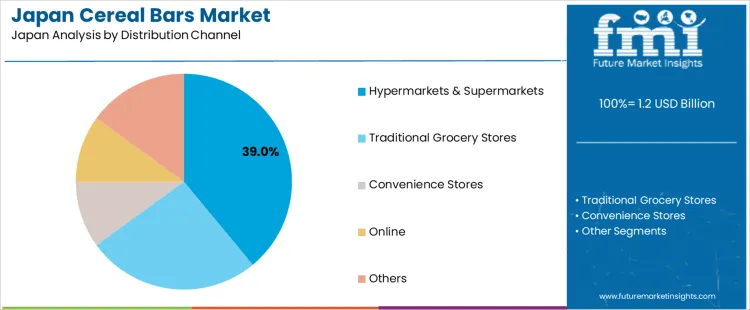
Hypermarkets and supermarkets represent 39.0% of the demand for cereal bars in Japan by distribution channel, reflecting their role as primary household food sourcing points. Consumption intensity is driven by family oriented shopping patterns and multi-unit purchasing behavior. Usage remains stable because cereal bars are frequently included in weekly grocery baskets alongside staple foods. Procurement is dominated by national retail chains operating centralized distribution systems. Price sensitivity remains moderate because bundled promotions and private label formats influence purchase volume. Specification control emphasizes packaging durability, barcode visibility, and stacking stability for shelf ready merchandising.
Hypermarkets and supermarkets also generate steady repeat demand through weekly foot traffic and loyalty program driven buying. Repeat utilization remains predictable due to recurring household shopping schedules. Buyers favor branded and private label assortment balance to manage price tier coverage. Margin structure remains controlled under retailer pricing negotiations and promotional funding requirements. Regulatory exposure centers on food safety compliance and date coding standards. Import reliance persists for select raw material based finished goods. Substitution pressure from convenience stores grows for single serve consumption, though bulk household purchasing continues to sustain supermarket dominance.
What Is Driving the Demand for Cereal Bars in Japan Urban Eating Habits and Portable Nutrition Culture?
Demand for cereal bars in Japan is shaped by time constrained urban routines, small meal formats, and rising interest in functional snacking. Office workers, students, and commuters rely on compact foods that fit brief eating windows during travel or between tasks. Convenience stores, railway kiosks, and vending machines dominate distribution, reinforcing impulse driven purchase behavior. Product positioning centers on fiber intake, satiety control, and energy balance. Taste profiles follow restrained sweetness with grains, nuts, and fruit blends. Demand aligns with breakfast skipping trends, controlled calorie intake, and the cultural preference for orderly portion sizes in daily food routines.
How Are Workplace Routines and Commuter Behavior Structuring Daily Consumption Patterns?
Japan work schedules and long transport times create dense demand for portable breakfast and mid shift nutrition. Many workers eat on platforms, at desks, or during short breaks between meetings. Cereal bars fit this pattern through clean handling, quiet consumption, and predictable energy release. Corporate wellness programs also distribute bars during overtime periods and disaster preparedness kits. University students use them between lectures due to limited cafeteria time. This behavior anchors cereal bar demand to weekday mobility flows rather than weekend leisure eating. Consumption volume follows office density, rail usage, and academic calendar intensity across metropolitan regions.
Why Is Functional Nutrition Labeling Influencing Product Selection in Japan?
Japanese shoppers evaluate cereal bars through detailed functional labeling rather than indulgence appeal. Claims around digestive support, iron intake, protein balance, and blood sugar control guide repeat purchase decisions. Clear front of pack communication plays a strong role in pharmacy and convenience store channels. Women consumers favor fiber and mineral positioning while male consumers lean toward protein and endurance focus. Seasonal functional rotations also occur with immunity and fatigue themes. This label led discipline keeps demand anchored in health maintenance logic rather than snack craving behavior across age groups seeking measured nutritional reinforcement through controlled portion delivery.
How Do Texture Preference, Shelf Stability, and Sugar Sensitivity Restrain Wider Expansion?
Cereal bar demand in Japan faces constraint from texture expectations that favor soft chew over hard crunch. Many imported formulations fail to match local mouthfeel preference. High sugar content triggers avoidance among older consumers and health managed groups. Shelf life limits affect summer distribution under high temperature and humidity conditions. Price sensitivity also restricts daily use among students and part time workers. These sensory and physiological factors restrain mass frequency adoption despite convenience advantages. Consumption remains defined by situational nutrition needs rather than habitual multiple unit daily snacking across the broader population spectrum.
What is the Demand for Cereal Bars in Japan by Region?
| Region | CAGR (%) |
|---|---|
| Kyushu & Okinawa | 6.9% |
| Kanto | 6.4% |
| Kansai | 5.6% |
| Chubu | 4.9% |
| Tohoku | 4.3% |
| Rest of Japan | 4.1% |
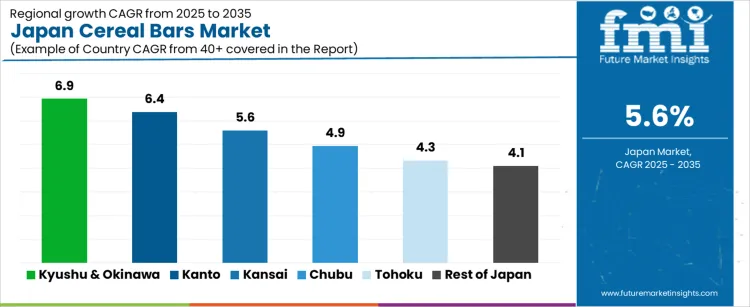
The demand for cereal bars in Japan is rising steadily across all regions, led by Kyushu and Okinawa at a 6.9% CAGR. Growth in this region is supported by strong tourism activity, convenience store snack consumption, and rising preference for portable breakfast and energy snacks. Kanto follows at 6.4%, driven by dense urban populations, busy working lifestyles, and strong product placement across supermarkets, drugstores, and vending formats. Kansai records 5.6% growth, reflecting stable demand from students, office workers, and fitness oriented consumers. Chubu at 4.9% shows moderate uptake linked to regional retail expansion and private label food brands. Tohoku and the Rest of Japan, at 4.3% and 4.1%, reflect slower growth shaped by traditional snacking habits, lower impulse purchase frequency, and more conservative dietary shift patterns.
How Is On the Go Breakfast Consumption Driving Cereal Bar Demand in Kyushu and Okinawa?
Demand for cereal bars in Kyushu and Okinawa is advancing at a CAGR of 6.9% through 2035, supported by rising demand for portable breakfast options, growing school age population consumption, and steady tourism linked retail sales. Convenience stores remain the primary distribution channel, with strong sales of fruit based and nut enriched variants. This region shows higher seasonal demand tied to travel activity and outdoor lifestyles. Growth also reflects increasing use of cereal bars as mid day snacks among students and service sector workers.
- Convenience stores anchor daily sales volumes
- School age consumers support recurring household purchases
- Tourism retail contributes to seasonal demand peaks
- Nut and fruit variants lead product mix growth
Why Is Urban Lifestyle Pace Sustaining Cereal Bar Growth in Kanto?
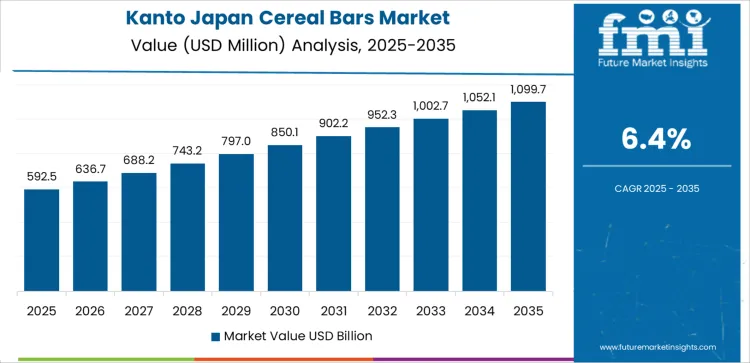
Demand for cereal bars in Kanto is rising at a CAGR of 6.4% through 2035, driven by dense working population, long commuting hours, and high reliance on quick meal substitutes in metropolitan areas. Kanto records strong demand across protein fortified, low sugar, and functional nutrition cereal bars. Supermarkets and digital grocery platforms support bulk household purchases. Growth reflects time constrained eating habits, rising health awareness among office workers, and consistent product innovation across flavor, texture, and nutrient positioning.
- Working population density sustains daily consumption
- Functional and protein enriched bars drive premium growth
- Digital grocery platforms expand multi pack sales
- Office snacking culture supports repeat purchase cycles
What Is Supporting Balanced Cereal Bar Adoption Across Kansai?
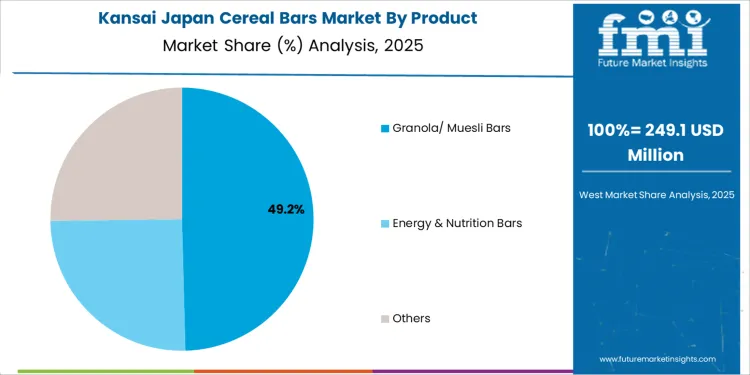
Demand for cereal bars in Kansai is progressing at a CAGR of 5.6% through 2035, supported by stable household food spending, growing youth preference for packaged nutrition snacks, and steady availability across mass retail chains in Osaka and Kyoto. Kansai shows balanced demand between chocolate coated bars and traditional grain based formats. Growth remains linked to school and college snacking, fitness oriented consumption among young adults, and gradual expansion of private label food brands in supermarkets.
- Youth snacking habits support steady volume growth
- Mass retail chains expand shelf space allocation
- Private label products improve price accessibility
- Fitness driven consumption strengthens premium variants
How Is Workforce Driven Consumption Shaping Cereal Bar Demand in Chubu?
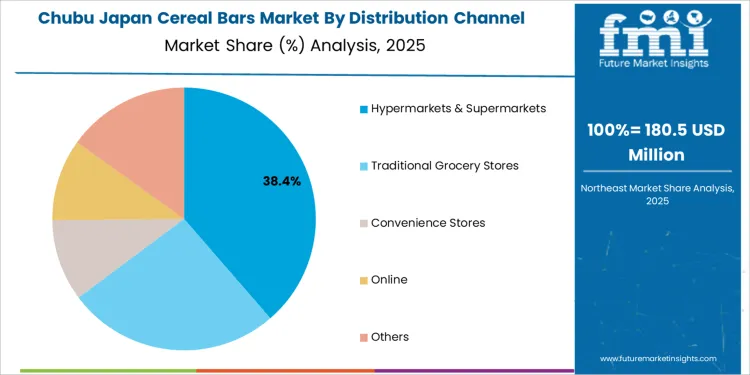
Demand for cereal bars in Chubu is advancing at a CAGR of 4.9% through 2035, supported by industrial workforce routines, steady employment levels, and growing reliance on portable food products during shift based work schedules. Chubu shows higher demand for value priced cereal bars sold through vending machines and factory adjacent stores. Growth reflects consistent weekday consumption, employer supported cafeteria sales, and steady replenishment cycles driven by routine snack purchasing behavior.
- Factory workforce routines sustain weekday demand
- Vending machines support high frequency impulse purchases
- Value priced products dominate volume sales
- Cafeteria distribution channels support steady restocking
Why Is Aging Population Moderating Cereal Bar Growth in Tohoku?
Demand for cereal bars in Tohoku is advancing at a CAGR of 4.3% through 2035, supported by stable household consumption, growing senior use of easy to chew nutrition snacks, and steady pharmacy based food retail access. Tohoku records higher demand for fiber enriched and reduced sugar cereal bars suited for older consumers. Growth remains moderate due to lower youth population density and restrained impulse snacking patterns compared with metropolitan regions.
- Senior nutrition needs drive fiber focused product demand
- Pharmacies support access to functional nutrition snacks
- Lower youth population moderates growth pace
- Easy to chew formats gain rising acceptance
How Is Small City Retail Expansion Influencing Cereal Bar Demand in Rest of Japan?
Demand for cereal bars in Rest of Japan is advancing at a CAGR of 4.1% through 2035, supported by gradual expansion of general merchandise stores, steady school level consumption, and basic penetration of health oriented snack products. These areas show lower product variety and slower flavor innovation rollout. Demand remains focused on standard grain bars and chocolate coated formats sold through neighborhood stores. Growth reflects steady household food budgets and gradual improvement in packaged snack distribution reach.
- Neighborhood stores anchor baseline retail availability
- Standard grain bars dominate product sales mix
- School level consumption supports stable demand
- Gradual distribution expansion guides moderate growth
What Is Driving the Demand for Cereal Bars in Japan and Which Companies Shape Retail Supply
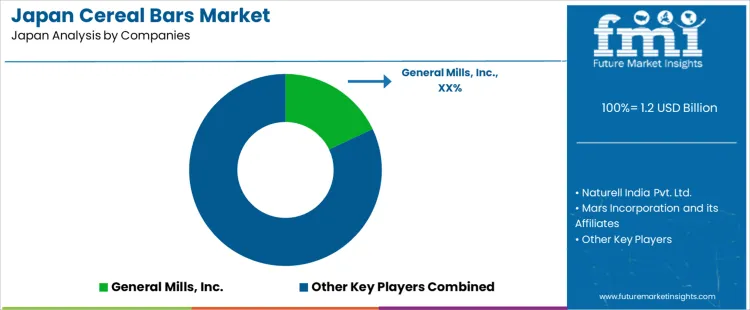
The demand for cereal bars in Japan is shaped by growth in on the go breakfast habits, portion controlled snacking, and steady interest in protein and functional nutrition among working age consumers. Asahi Group Foods holds a central domestic position through balanced nutrition bars positioned in convenience stores, drugstores, and vending channels. Calbee supports demand through grain based snack innovation that bridges cereal bars and traditional grain snacks for younger consumers. Morinaga and Otsuka Pharmaceutical contribute through energy and functional bars used in sports, school, and office consumption. These domestic producers anchor daily purchase behavior through dense retail coverage, limited edition flavor cycles, and strong alignment with Japanese taste preferences.
Nestlé supports demand through imported cereal and nutrition bars positioned under global health and wellness branding. General Mills participates through selected granola and cereal bar lines supplied to specialty retailers and e commerce. Mars and BellRing Brands supply protein focused bars through gyms, online platforms, and specialty nutrition stores concentrated in urban prefectures. Naturell India serves niche demand through distributor led imports focused on plant based and ingredient transparent formats. Procurement in Japan is governed by sugar control, texture softness, allergen labeling precision, and compatibility with tea and coffee consumption. Buyer preference favors mild sweetness, compact portion size, and stable shelf life under high humidity. Demand visibility tracks convenience store product rotations, fitness participation growth, and steady expansion of functional snack consumption among urban professionals and students.
Key Players in the Cereal Bars Industry in Japan
- General Mills, Inc.
- Naturell India Pvt. Ltd.
- Mars Incorporation and its Affiliates
- BELLRING BRANDS, INC.
- Nestlé S.A.
Scope of the Report
| Items | Values |
|---|---|
| Quantitative Units (2025) | USD billion |
| Product | Granola/Muesli Bars, Energy & Nutrition Bars, Others |
| Distribution Channel | Hypermarkets & Supermarkets, Traditional Grocery Stores, Convenience Stores, Online, Others |
| End User | Office Workers, Students, Commuters, Elderly Consumers, Sports Nutrition Users |
| Region | Kyushu & Okinawa, Kanto, Kansai, Chubu, Tohoku, Rest of Japan |
| Countries Covered | Japan |
| Key Companies Profiled | Asahi Group Foods, Calbee, Morinaga, Otsuka Pharmaceutical, Nestlé S.A., General Mills, Mars, BellRing Brands, Naturell India Pvt. Ltd. |
| Additional Attributes | Dollar by sales by product and distribution channel; Regional CAGR and growth patterns; Retail penetration across convenience, hypermarket, and pharmacy channels; Functional positioning including protein, fiber, and low-sugar formulations; Repeat purchase behavior and subscription consumption; Urban versus regional consumption intensity; Import reliance for oats, nuts, and specialty ingredients; Seasonal flavor and limited edition rotations; Travel retail and vending machine contribution; Private label versus branded competitive dynamics; Shelf-life stability, allergen labeling, and texture specification; Fitness, wellness, and elderly nutrition segments influence demand |
Cereal Bars Industry in Japan Segmentation
Product:
- Granola/ Muesli Bars
- Energy & Nutrition Bars
- Others
Distribution Channel:
- Hypermarkets & Supermarkets
- Traditional Grocery Stores
- Convenience Stores
- Online
- Others
Region
- Kyushu & Okinawa
- Kanto
- Kansai
- Chubu
- Tohoku
- Rest of Japan
Frequently Asked Questions
How big is the demand for cereal bars in Japan in 2025?
The demand for cereal bars in Japan is estimated to be valued at USD 1.2 billion in 2025.
What will be the size of cereal bars in Japan in 2035?
The market size for the cereal bars in Japan is projected to reach USD 2.0 billion by 2035.
How much will be the demand for cereal bars in Japan growth between 2025 and 2035?
The demand for cereal bars in Japan is expected to grow at a 5.6% CAGR between 2025 and 2035.
What are the key product types in the cereal bars in Japan?
The key product types in cereal bars in Japan are granola/ muesli bars, energy & nutrition bars and others.
Which distribution channel segment is expected to contribute significant share in the cereal bars in Japan in 2025?
In terms of distribution channel, hypermarkets & supermarkets segment is expected to command 39.0% share in the cereal bars in Japan in 2025.
Preview the report firsthand - request a free sample
Get SampleGet the brochure for pricing and purchase details.
Get PDFTable of Content
- Executive Summary
- Japan Market Outlook
- Demand-side Trends
- Supply-side Trends
- Technology Roadmap Analysis
- Analysis and Recommendations
- Market Overview
- Market Coverage / Taxonomy
- Market Definition / Scope / Limitations
- Market Background
- Market Dynamics
- Drivers
- Restraints
- Opportunity
- Trends
- Scenario Forecast
- Demand in Optimistic Scenario
- Demand in Likely Scenario
- Demand in Conservative Scenario
- Opportunity Map Analysis
- Product Life Cycle Analysis
- Supply Chain Analysis
- Investment Feasibility Matrix
- Value Chain Analysis
- PESTLE and Porter’s Analysis
- Regulatory Landscape
- Regional Parent Market Outlook
- Production and Consumption Statistics
- Import and Export Statistics
- Market Dynamics
- Japan Market Analysis 2020 to 2024 and Forecast, 2025 to 2035
- Historical Market Size Value (USD Million) Analysis, 2020 to 2024
- Current and Future Market Size Value (USD Million) Projections, 2025 to 2035
- Y-o-Y Growth Trend Analysis
- Absolute $ Opportunity Analysis
- Japan Market Pricing Analysis 2020 to 2024 and Forecast 2025 to 2035
- Japan Market Analysis 2020 to 2024 and Forecast 2025 to 2035, By Product
- Introduction / Key Findings
- Historical Market Size Value (USD Million) Analysis By Product , 2020 to 2024
- Current and Future Market Size Value (USD Million) Analysis and Forecast By Product , 2025 to 2035
- Granola/ Muesli Bars
- Energy & Nutrition Bars
- Others
- Y-o-Y Growth Trend Analysis By Product , 2020 to 2024
- Absolute $ Opportunity Analysis By Product , 2025 to 2035
- Japan Market Analysis 2020 to 2024 and Forecast 2025 to 2035, By Distribution Channel
- Introduction / Key Findings
- Historical Market Size Value (USD Million) Analysis By Distribution Channel, 2020 to 2024
- Current and Future Market Size Value (USD Million) Analysis and Forecast By Distribution Channel, 2025 to 2035
- Hypermarkets & Supermarkets
- Traditional Grocery Stores
- Convenience Stores
- Online
- Others
- Y-o-Y Growth Trend Analysis By Distribution Channel, 2020 to 2024
- Absolute $ Opportunity Analysis By Distribution Channel, 2025 to 2035
- Market Structure Analysis
- Competition Dashboard
- Competition Benchmarking
- Market Share Analysis of Top Players
- By Regional
- By Product
- By Distribution Channel
- Competition Analysis
- Competition Deep Dive
- General Mills, Inc.
- Overview
- Product Portfolio
- Profitability by Market Segments (Product/Age /Sales Channel/Region)
- Sales Footprint
- Strategy Overview
- Marketing Strategy
- Product Strategy
- Channel Strategy
- Naturell India Pvt. Ltd.
- Mars Incorporation and its Affiliates
- BELLRING BRANDS, INC.
- Nestlé S.A.
- General Mills, Inc.
- Competition Deep Dive
- Assumptions & Acronyms Used
- Research Methodology


