

- Industry Size (2025)
- USD 840.3 Mn
- Forecast (2035)
- USD 2204.3 Mn
- CAGR (2025 to 2035)
- 10.1%
Demand for Connected TV in Japan Forecast and Outlook 2025 to 2035
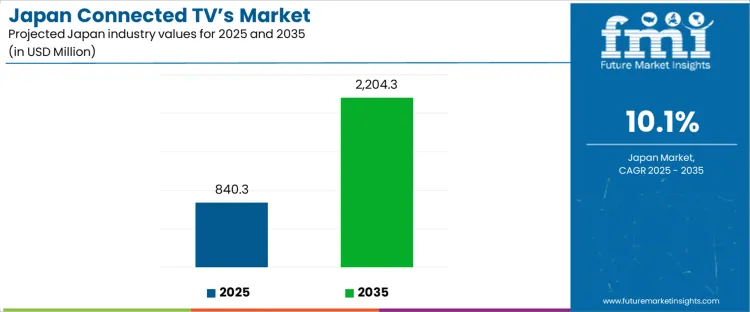
Demand for connected TVs in Japan is expected to grow from USD 840.3 million in 2025 to USD 2,204.3 million by 2035, reflecting a compound annual growth rate (CAGR) of 10.1%. Growth is driven by increasing consumer adoption of internet-connected entertainment devices, along with the rising popularity of streaming services and on-demand content. Connected TVs, which allow users to access a wide range of streaming platforms, apps, and digital content without the need for additional hardware, are becoming a central part of the home entertainment experience in Japan. With advancements in smart TV technology, including 4K and 8K resolution, improved user interfaces, and integration with voice assistants, the demand for connected TVs is expected to increase significantly.
As consumer preferences shift towards high-quality, on-demand viewing experiences, and as internet speeds and broadband accessibility improve, demand for connected TVs will continue to expand. Integration of artificial intelligence and smart home features in connected TVs is expected to enhance their appeal, driving further growth.
Quick Stats of the Demand for Connected TVs in Japan
- Demand for Connected TVs in Japan Value (2025): USD 840.3 million
- Demand for Connected TVs in Japan Forecast Value (2035): USD 2,204.3 million
- Demand for Connected TVs in Japan Forecast CAGR (2025-2035): 10.1%
- Demand for Connected TVs in Japan Leading Device Type: Smart TVs (58%)
- Demand for Connected TVs in Japan Key Growth Regions: Kyushu & Okinawa, Kanto, Kansai, Chubu, Tohoku, Rest of Japan
- Demand for Connected TVs in Japan Key Players: Samsung Electronics, LG Electronics, Sony Corporation, TCL, Vizio
What is the Growth Forecast for the Connected TV Market through 2035?
Growth rate volatility index for connected TV industry in Japan shows a generally stable upward trajectory, with moderate fluctuations in growth rates across the forecast period. Starting at USD 840.3 million in 2025, the market increases to USD 925.3 million in 2026, reflecting a steady growth rate as connected TVs become more mainstream. By 2027, demand will reach USD 1,019.0 million, continuing its consistent growth pattern as consumer adoption increases.
From 2027 to 2030, demand continues to grow steadily, reaching USD 1,122.2 million in 2028, USD 1,235.8 million in 2029, and USD 1,361.0 million in 2030. The growth rate remains relatively stable during this period, indicating a predictable market expansion driven by rising demand for streaming and smart home integration. By 2035, demand is projected to reach USD 2,204.3 million, with the volatility index indicating that growth accelerates as new features and enhanced technologies attract more consumers. Growth rate volatility index shows that while the market grows steadily, the rate of expansion accelerates in later years as smart TV adoption reaches broader consumer segments and more content becomes available on digital platforms.
Key Takeaways of Biologics Industry in Japan
| Metric | Value |
|---|---|
| Industry Sales Value (2025) | USD 840.3 million |
| Industry Forecast Value (2035) | USD 2,204.3 million |
| Industry Forecast CAGR (2025-2035) | 10.1% |
What Is Driving the Demand for Connected TVs in Japan?
Demand for connected TVs in Japan is driven by widespread internet penetration and growth in at-home digital entertainment. High-speed broadband and stable internet access across many households enable streaming of on-demand and over-the-top (OTT) content. As streaming services and video-on-demand platforms expand, households increasingly prefer televisions with built-in connectivity and smart TV functions over traditional broadcast-only TVs. Rising adoption of smart home systems supports this shift, making connected TVs a central device for entertainment, streaming, and home media consumption. The trend toward 4K/8K displays, modern screen technologies, and integration with other smart devices further reinforces this demand among consumers who value flexibility, quality, and convenience.
Future demand for connected TVs in Japan is expected to increase as video streaming usage rises and more households replace older TVs with smart models. Growth in the national streaming video market is likely to drive demand for TVs with better resolution, smart OS support, and integrated internet features. As smart home adoption grows, connected TVs may serve as hubs for entertainment, gaming, home automation, and content viewing. Continued improvements in display technology, energy efficiency, and feature sets will encourage upgrades. Demand will depend on consumer uptake of new content services, household preference for high-quality viewing experiences, and pace of replacement of conventional TVs with connected models.
What Are the Key Segments in Connected TV Market in Japan?
The connected TV industry in Japan is segmented by device type and technology. Smart TVs lead the device type segment, accounting for 58% of the market share. In terms of technology, LED is the dominant choice, with OLED following at 30%. Growing demand for internet-connected features, high-quality viewing experiences, and streaming services is driving growth in connected TV industry in Japan.
Which Device Type Drives Connected TV Demand in Japan?
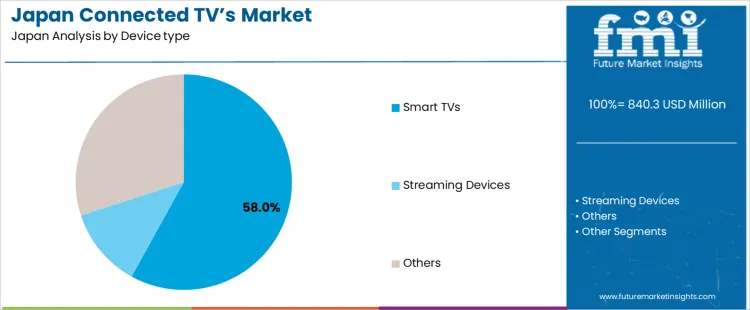
Smart TVs are the most popular device type in the connected TV industry, representing 58% of the market share. Smart TVs are preferred for their ability to connect to the internet, allowing users to access a wide range of content through streaming services, apps, and integrated platforms. This functionality, along with features like voice control and integrated smart assistants, has made smart TVs the go-to choice for consumers in Japan. The popularity of streaming platforms such as Netflix, YouTube, and local services has further fueled the demand for smart TVs, making them an essential component in modern home entertainment.
Which Technology Drives Connected TV Demand in Japan?
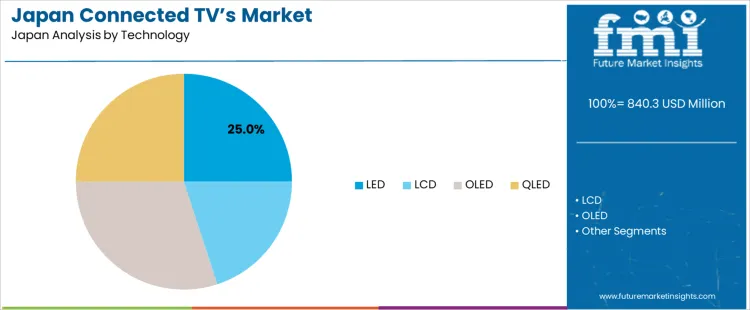
LED technology is the most widely used in the connected TV market, providing energy-efficient, high-brightness displays at a cost-effective price point. LED TVs are known for their sharp picture quality and wide availability across various price ranges. OLED technology, which offers superior contrast and vibrant color reproduction, holds 30% of the market share. OLED TVs are gaining popularity among consumers seeking the best possible viewing experience, particularly for high-end models. While QLED and LCD are also important technologies, LED and OLED dominate the market, with OLED particularly favored in the premium segment for its advanced display capabilities.
What is the Key Dynamics for Connected TV Demand in Japan?
Demand for connected TVs in Japan is growing rapidly as more households adopt internet enabled devices that support streaming, apps, and on demand content. Increasing broadband penetration and the rise of over the top (OTT) video services have pushed consumers to favour connected and smart TVs over traditional broadcast TVs. Improvements in display technology including 4K or higher resolution and enhanced user experience encourage replacement of older televisions, thus driving demand for connected TVs. Overall, the Japanese television market is shifting from conventional broadcasting toward internet enabled viewing platforms.
What are the Key Drivers for Connected TV Demand in Japan?
Widespread availability of high speed internet and fibre broadband access supports streaming and video on demand usage on connected TVs. The growing popularity of OTT platforms and streaming services offers a wide variety of content, making connected TVs more attractive than conventional sets. Consumers seeking convenience, flexibility, and high quality viewing experience-including high definition resolution, smart home integration, and app ecosystems-are fueling uptake. Rising disposable incomes and changing lifestyle habits also motivate households to upgrade to smart or connected TVs offering modern features and seamless content access. Demand from younger, tech savvy demographics and growth in home entertainment are key drivers.
What are the Restraints for Connected TV Demand in Japan?
One restraint is content and user habits: a significant portion of media consumption remains on mobile devices rather than TVs, which slows full transition to connected TV viewing. There is consumer caution regarding cost relative to benefit, especially among households comfortable with traditional TV setups. Some segments remain attached to legacy forms of consumption such as broadcast television or prefer simpler devices over smart TVs. Also market saturation in some areas and competition from other screens-like smartphones, tablets, and laptops-may limit incremental growth of connected TVs. Finally older households or less tech oriented consumers may resist change, slowing adoption rate among certain demographics.
What are the Key Trends in Connected TV Demand in Japan?
A major trend is the rapid shift to OTT and streaming first consumption, with connected TVs becoming central hubs for video on demand, social viewing, and interactive content. Upgrades to high resolution displays (4K / 8K), integration of smart home features, voice control, and AI based content recommendations are becoming more common. There is growing demand for larger screen sizes and premium display technologies such as OLED and QLED. Demand is also rising for energy efficient, feature rich connected TVs that support multi device integration, gaming consoles and home entertainment systems. Younger demographics and urban households lead adoption, while content localization and diverse streaming offerings support continued expansion.
What is the Regional Demand Outlook for Connected TVs in Japan?
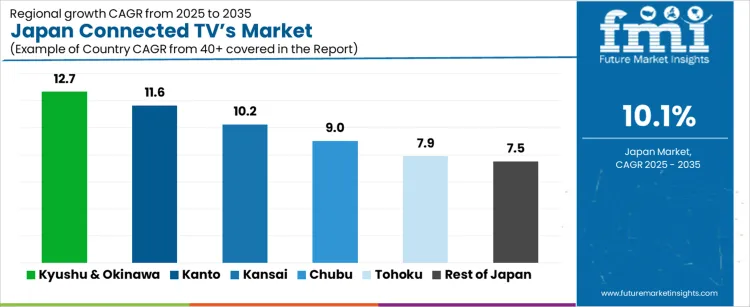
Demand for connected TVs in Japan is expected to grow steadily, with Kyushu & Okinawa leading the way at a projected CAGR of 12.7%. Kanto follows with a growth rate of 11.6%, while Kansai is expected to grow at 10.2%. Chubu is projected to grow at a rate of 9.0%, while Tohoku and the Rest of Japan show more moderate growth, with CAGRs of 7.9% and 7.5%, respectively. Rising adoption of smart TVs, development of streaming services, and increasing consumer preference for high-tech entertainment options are driving the demand for connected TVs in Japan.
| Region | CAGR (2025-2035) |
|---|---|
| Kyushu & Okinawa | 12.7% |
| Kanto | 11.6% |
| Kansai | 10.2% |
| Chubu | 9.0% |
| Tohoku | 7.9% |
| Rest of Japan | 7.5% |
What is Driving the Growth of Connected TVs in Kyushu & Okinawa?
Kyushu & Okinawa are projected to experience the highest growth in the connected TV market, with a projected CAGR of 12.7%. The region’s increasing focus on technology adoption and the growing demand for high-definition entertainment are key factors driving this growth. Widespread availability of high-speed internet and the rise of streaming services like Netflix, Hulu, and Amazon Prime are contributing to the growing preference for connected TVs in Kyushu & Okinawa. Consumers in the region are increasingly seeking smart TVs that offer access to online content, interactive features, and integration with other smart home devices. Additionally, Kyushu & Okinawa’s focus on digitalization and consumer electronics is fueling the adoption of connected TVs. The rise of smart home technology and the growing interest in internet-based media consumption further support the demand for connected TVs in the region.
Why is the Connected TV Market Expanding in Kanto?
In Kanto, the demand for connected TVs is projected to grow at a CAGR of 11.6%. Kanto, including Tokyo, is Japan’s largest and most urbanized region, with a highly tech-savvy and media-focused population. Increasing shift towards internet-based entertainment, along with the rise of streaming services and on-demand content, is driving the adoption of connected TVs in Kanto. As consumers increasingly demand smarter, more versatile home entertainment systems, the connected TV market in Kanto is expanding rapidly. Strong retail and electronics sectors, combined with a growing preference for high-definition and ultra-high-definition televisions, are driving steady growth. Additionally, the ongoing development of 5G networks is further driving the need for connected devices like smart TVs in Kanto, as consumers look to access faster and more reliable internet services for streaming.
How is the Connected TV Market Growing in Kansai?
In Kansai, the connected TV market is projected to grow at a CAGR of 10.2%. Kansai, which includes cities like Osaka and Kyoto, has a strong consumer electronics market and a growing interest in smart home technologies. The demand for connected TVs in Kansai is driven by rising demand for high-quality entertainment, with consumers seeking access to online content via smart TVs. Kansai’s interest in technological innovation and entertainment options, particularly in digital content consumption, is driving the rise of connected TVs. The region’s expanding internet infrastructure and the popularity of streaming services are further fueling the market’s growth. As Kansai continues to embrace digital transformation, the demand for connected TVs is expected to rise steadily.
What is Contributing to the Growth of Connected TVs in Chubu?
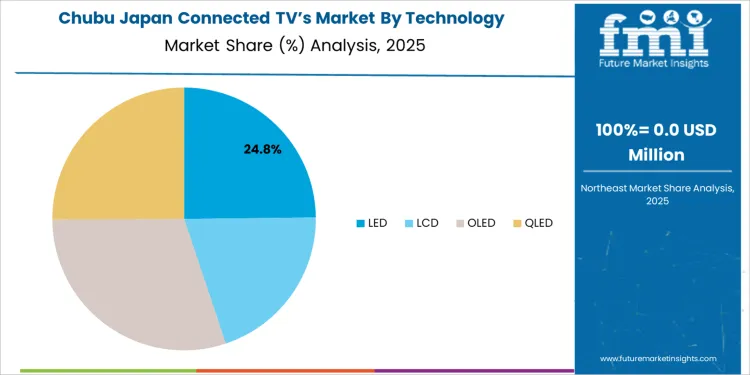
In Chubu, the connected TV market is expected to grow at a CAGR of 9.0%. Chubu, with cities like Nagoya, has a well-established electronics manufacturing sector and a growing consumer base that is increasingly adopting digital and smart technologies. The demand for connected TVs in Chubu is driven by the increasing availability of high-speed internet and the growing trend of online content consumption. As consumers in Chubu seek more personalized and convenient entertainment options, connected TVs are becoming a popular choice for home entertainment. The region’s growing interest in streaming services, combined with a preference for high-quality on-demand video content, is driving the rise in connected TV adoption. Additionally, Chubu’s focus on improving internet infrastructure and promoting smart technologies is expected to support the market’s growth further.
What is Influencing the Growth of Connected TVs in Tohoku?
In Tohoku, the connected TV market is projected to grow at a CAGR of 7.9%. While the growth rate is slower than in more urbanized regions, rising demand for high-quality entertainment and the adoption of internet-based media are contributing to steady growth in the region. As consumers in Tohoku become increasingly aware of the benefits of smart TVs and streaming platforms, demand for connected TVs is rising. The region’s strong interest in improving digital infrastructure, along with the growing availability of affordable smart TVs, is making connected TVs more accessible to a wider audience. Tohoku’s ongoing focus on expanding high-speed internet access is also expected to support the growth of connected TVs as more consumers adopt digital entertainment technologies.
What is Contributing to the Growth of Connected TVs in Rest of Japan?
In Rest of Japan, the connected TV market is expected to grow at a more moderate rate of 7.5%. Although the market in this region is smaller than in major metropolitan areas, growing interest in smart home technologies and digital content consumption is driving demand for connected TVs. As consumers in rural areas gain greater access to high-speed internet and streaming services, the adoption of connected TVs is expected to rise. Rest of Japan’s growing awareness of the benefits of smart TVs, coupled with the region’s ongoing focus on enhancing digital infrastructure, is contributing to the steady growth.
What is the Competitive Landscape for Demand for Connected TVs in Japan?
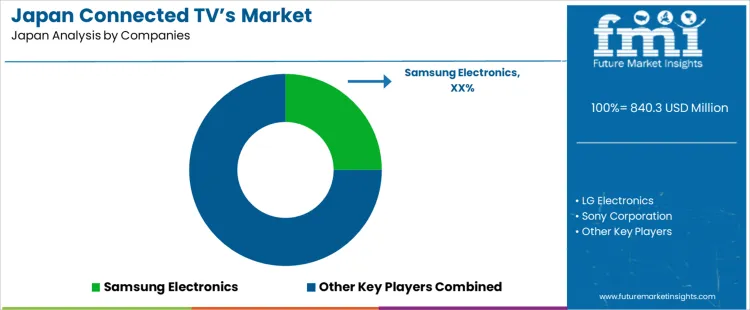
Demand for connected TVs in Japan has been rising sharply in recent years. Growth is driven by increasing penetration of high speed internet, widespread adoption of streaming services and on demand content platforms, and a shift away from traditional broadcast television toward online video consumption. The trend is further supported by rising consumer interest in high definition and ultra high definition viewing-many households now prefer 4K or larger screen smart TVs that can stream content, support apps, and integrate with smart home devices.
On the supply side, major global electronics manufacturers compete vigorously to capture share of this growing market. According to your list, Samsung Electronics leads among the named firms, followed by LG Electronics, Sony Corporation, TCL, and Vizio. These companies differentiate themselves based on display technology (OLED, QLED, LED), screen resolution and size, smart TV operating platforms, features such as voice control or smart home integration, energy efficiency, and price point. Because Japanese consumers value picture quality, build quality, reliability, and brand reputation, firms offering premium displays or strong after sales support tend to lead. As demand continues to rise for streaming ready TVs, companies that combine advanced display technologies, smart features, and wide distribution networks are best positioned to succeed in Japan’s connected TV market.
Key Players of the Connected TVs Industry in Japan
- Samsung Electronics
- LG Electronics
- Sony Corporation
- TCL
- Vizio
Scope of the Report
| Items | Values |
|---|---|
| Quantitative Units (2025) | USD Million |
| Device Type | Smart TVs, Streaming Devices, Others |
| Technology | LED, LCD, OLED, QLED |
| End Use | Residential, Commercial |
| Companies | Samsung Electronics, LG Electronics, Sony Corporation, TCL, Vizio |
| Regions Covered | Kyushu & Okinawa, Kanto, Kansai, Chubu, Tohoku, Rest of Japan |
| Additional Attributes | Dollar by sales by device type, technology, end use, and region. Includes technology performance, energy efficiency, resolution capabilities, market trends towards smart TV adoption, consumer demand for streaming devices, impact of commercial usage, compatibility with other connected devices, cost-effectiveness, brand positioning, sustainability practices in production, and product differentiation based on features like picture quality and connectivity. |
Key Segments in the Demand for Connected TVs in Japan
Device Type
- Smart TVs
- Streaming Devices
- Others
Technology
- LED
- LCD
- OLED
- QLED
End Use
- Residential
- Commercial
Region
- Kyushu & Okinawa
- Kanto
- Kansai
- Chubu
- Tohoku
- Rest of Japan
Frequently Asked Questions
How big is the demand for connected TVs in Japan in 2025?
The demand for connected TVs in Japan is estimated to be valued at USD 840.3 million in 2025.
What will be the size of connected TVs in Japan in 2035?
The market size for the connected TVs in Japan is projected to reach USD 2,204.3 million by 2035.
How much will be the demand for connected TVs in Japan growth between 2025 and 2035?
The demand for connected TVs in Japan is expected to grow at a 10.1% CAGR between 2025 and 2035.
What are the key product types in the connected TVs in Japan?
The key product types in connected TVs in Japan are smart tvs, streaming devices and others.
Which technology segment is expected to contribute significant share in the connected TVs in Japan in 2025?
In terms of technology, led segment is expected to command 25.0% share in the connected TVs in Japan in 2025.
Preview the report firsthand - request a free sample
Get SampleGet the brochure for pricing and purchase details.
Get PDFTable of Content
- Executive Summary
- Japan Market Outlook
- Demand-side Trends
- Supply-side Trends
- Technology Roadmap Analysis
- Analysis and Recommendations
- Market Overview
- Market Coverage / Taxonomy
- Market Definition / Scope / Limitations
- Market Background
- Market Dynamics
- Drivers
- Restraints
- Opportunity
- Trends
- Scenario Forecast
- Demand in Optimistic Scenario
- Demand in Likely Scenario
- Demand in Conservative Scenario
- Opportunity Map Analysis
- Product Life Cycle Analysis
- Supply Chain Analysis
- Investment Feasibility Matrix
- Value Chain Analysis
- PESTLE and Porter’s Analysis
- Regulatory Landscape
- Regional Parent Market Outlook
- Production and Consumption Statistics
- Import and Export Statistics
- Market Dynamics
- Japan Market Analysis 2020 to 2024 and Forecast, 2025 to 2035
- Historical Market Size Value (USD Million) Analysis, 2020 to 2024
- Current and Future Market Size Value (USD Million) Projections, 2025 to 2035
- Y-o-Y Growth Trend Analysis
- Absolute $ Opportunity Analysis
- Japan Market Pricing Analysis 2020 to 2024 and Forecast 2025 to 2035
- Japan Market Analysis 2020 to 2024 and Forecast 2025 to 2035, By Device type
- Introduction / Key Findings
- Historical Market Size Value (USD Million) Analysis By Device type , 2020 to 2024
- Current and Future Market Size Value (USD Million) Analysis and Forecast By Device type , 2025 to 2035
- Smart TVs
- Streaming Devices
- Others
- Y-o-Y Growth Trend Analysis By Device type , 2020 to 2024
- Absolute $ Opportunity Analysis By Device type , 2025 to 2035
- Japan Market Analysis 2020 to 2024 and Forecast 2025 to 2035, By Technology
- Introduction / Key Findings
- Historical Market Size Value (USD Million) Analysis By Technology, 2020 to 2024
- Current and Future Market Size Value (USD Million) Analysis and Forecast By Technology, 2025 to 2035
- LED
- LCD
- OLED
- QLED
- Y-o-Y Growth Trend Analysis By Technology, 2020 to 2024
- Absolute $ Opportunity Analysis By Technology, 2025 to 2035
- Japan Market Analysis 2020 to 2024 and Forecast 2025 to 2035, By End Use
- Introduction / Key Findings
- Historical Market Size Value (USD Million) Analysis By End Use, 2020 to 2024
- Current and Future Market Size Value (USD Million) Analysis and Forecast By End Use, 2025 to 2035
- Residential
- Commercial
- Y-o-Y Growth Trend Analysis By End Use, 2020 to 2024
- Absolute $ Opportunity Analysis By End Use, 2025 to 2035
- Market Structure Analysis
- Competition Dashboard
- Competition Benchmarking
- Market Share Analysis of Top Players
- By Regional
- By Device type
- By Technology
- By End Use
- Competition Analysis
- Competition Deep Dive
- Samsung Electronics
- Overview
- Product Portfolio
- Profitability by Market Segments (Product/Age /Sales Channel/Region)
- Sales Footprint
- Strategy Overview
- Marketing Strategy
- Product Strategy
- Channel Strategy
- LG Electronics
- Sony Corporation
- TCL
- Vizio
- Samsung Electronics
- Competition Deep Dive
- Assumptions & Acronyms Used
- Research Methodology


