

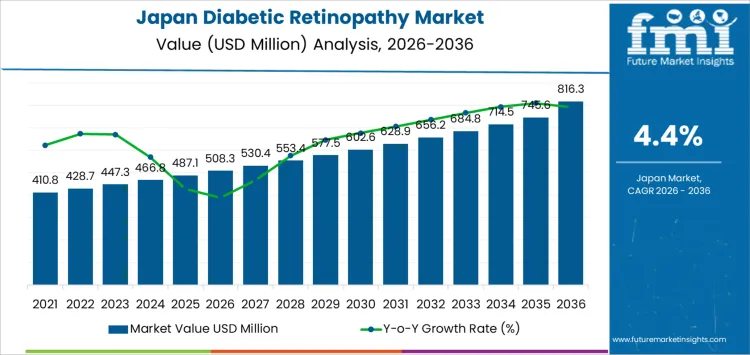
- Industry Size (2026)
- USD 508.3 Mn
- Forecast (2036)
- USD 816.3 Mn
- CAGR (2026 to 2036)
- 4.4%
Demand for Diabetic Retinopathy in Japan Forecast and Outlook 2026 to 2036
The demand for diabetic retinopathy treatments in Japan is projected to grow steadily, with the industry expected to increase from USD 508.3 million in 2026 to USD 816.3 million by 2036, driven by an aging population and the rising prevalence of diabetes. The key treatment for proliferative diabetic retinopathy (PDR) is anti-VEGF therapies, which account for 45% of the industry share. PDR dominates the demand with 60% due to its severity and risk of vision loss. As the number of diabetes patients increases, especially among older individuals, demand for early diagnosis and treatment of diabetic retinopathy remains strong. Key trends include the growing focus on early detection through advanced retinal imaging and increasing adoption of laser surgeries and anti-VEGF injections to prevent severe vision impairment.
Quick Stats of the Demand for Diabetic Retinopathy in Japan
- Demand for Diabetic Retinopathy in Japan Value (2026): USD 508.3 million
- Demand for Diabetic Retinopathy in Japan Forecast Value (2036): USD 816.3 million
- Demand for Diabetic Retinopathy in Japan Forecast CAGR (2026 to 2036): 4.4%
- Demand for Diabetic Retinopathy in Japan Leading Type: Proliferative
- Demand for Diabetic Retinopathy in Japan Key Growth Regions: Kyushu & Okinawa, Kanto, Kansai, Chubu, Tohoku, Rest of Japan
- Demand for Diabetic Retinopathy in Japan Top Players: Glycadia Pharmaceuticals, Roche, Novartis, Bayer AG, Regeneron Pharmaceuticals
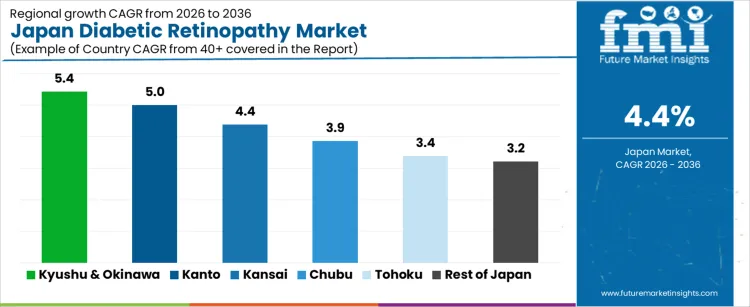
Kyushu & Okinawa lead the growth in diabetic retinopathy treatment demand with a 5.4% CAGR, driven by their aging populations and increased awareness of eye health. Kanto follows with a 5.0% CAGR, supported by its robust healthcare infrastructure and large urban population. Kansai shows a 4.4% CAGR, with a focus on proactive diabetes care, while Chubu experiences a 3.9% CAGR, benefiting from its expanding healthcare capabilities. Tohoku and the rest of Japan see more moderate growth at 3.4% and 3.2% CAGR, respectively. This regional variation highlights the importance of localized healthcare strategies in addressing the rising diabetic retinopathy cases across Japan.
Demand for Diabetic Retinopathy in Japan Key Takeaways
| Metric | Value |
|---|---|
| Demand for Diabetic Retinopathy in Japan Value (2026) | USD 508.3 million |
| Demand for Diabetic Retinopathy in Japan Forecast Value (2036) | USD 816.3 million |
| Demand for Diabetic Retinopathy in Japan Forecast CAGR (2026 to 2036) | 4.4% |
Why is the Demand for Diabetic Retinopathy in Japan Growing?
The demand for diabetic retinopathy treatments in Japan is growing due to the rising prevalence of diabetes and the increasing awareness of the importance of early detection and treatment of diabetic retinopathy (DR). Diabetic retinopathy, a leading cause of blindness in adults, is a complication of diabetes that affects the blood vessels in the retina. As the number of diabetes patients continues to increase in Japan, especially among the aging population, the need for effective treatments and management of diabetic retinopathy is becoming more critical. Early diagnosis and intervention can prevent severe vision impairment and blindness, driving demand for screening programs, treatments, and therapies for DR.
Key drivers for this growth include the increasing aging population in Japan, which is more susceptible to chronic conditions like diabetes and its complications. With diabetes rates continuing to rise, more individuals are at risk for developing diabetic retinopathy, thus increasing the need for effective diagnostic and therapeutic solutions. The growing focus on eye health, along with advancements in retinal imaging and laser therapies, is further contributing to the demand for DR treatments.
The increasing availability of targeted therapies, such as anti-VEGF (vascular endothelial growth factor) injections and improved surgical techniques, is improving outcomes for patients with diabetic retinopathy. The Japanese healthcare system’s emphasis on preventive care and regular screenings for diabetic complications is also helping to identify cases early and enable timely treatment. Despite challenges such as the high cost of advanced therapies and potential accessibility barriers, the growing awareness, improved treatment options, and increasing diabetic population are expected to drive steady growth in the demand for diabetic retinopathy treatments in Japan through 2036.
What is the Segment-Wise Analysis of Demand for Diabetic Retinopathy in Japan?
Demand for diabetic retinopathy treatments in Japan is segmented by type, management, and region. By type, proliferative diabetic retinopathy leads with 60% of the demand, followed by non-proliferative diabetic retinopathy. In terms of management, anti-VEGF treatments account for 45% of the demand, with intraocular steroid injections, laser surgery, and vitrectomy making up the remainder. Regionally, demand is distributed across Kyushu & Okinawa, Kanto, Kansai, Chubu, Tohoku, and the rest of Japan.
Why Does Proliferative Diabetic Retinopathy Lead the Demand for Diabetic Retinopathy Treatment in Japan?
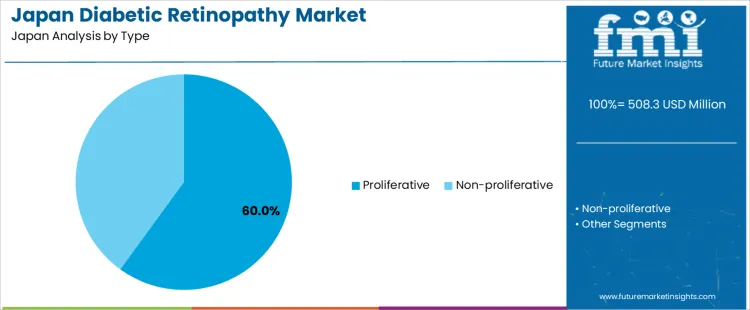
Proliferative diabetic retinopathy accounts for 60% of the demand for diabetic retinopathy treatments in Japan, driven by its severity and higher risk of vision loss. This stage involves the abnormal growth of blood vessels in the retina, leading to complications like bleeding, scarring, and potential blindness. Timely and effective treatments such as anti-VEGF therapy or laser surgery are critical to preventing further damage and preserving vision. As the prevalence of diabetes continues to increase in Japan, the need for treatments targeting proliferative diabetic retinopathy remains high. Early and aggressive management is essential to reduce the risk of significant vision impairment, making this stage a primary focus in the treatment of diabetic retinopathy.
How Do Anti-VEGF Treatments Drive the Demand for Diabetic Retinopathy Management in Japan?
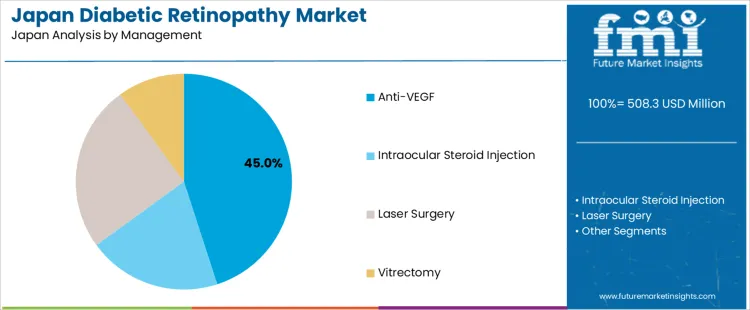
Anti-VEGF treatments account for 45% of the demand for diabetic retinopathy management in Japan, primarily due to their ability to prevent the growth of abnormal blood vessels in the retina. These treatments are essential for managing both proliferative and non-proliferative diabetic retinopathy, as they help reduce retinal edema, prevent leakage, and improve vision. Anti-VEGF therapies are gaining popularity due to their proven effectiveness in clinical trials and their relatively non-invasive nature compared to traditional surgical treatments. With the growing incidence of diabetic retinopathy in Japan, the demand for these treatments continues to increase, strengthening their role in managing the condition and preventing further vision loss.
What are the Key Trends, Drivers and Restraints in Demand for Diabetic Retinopathy in Japan?
Demand for diabetic retinopathy (DR) services in Japan is increasing due to the growing prevalence of diabetes and the need to prevent vision loss from this serious complication. Drivers include aging demographics and better awareness of DR’s impact on quality of life. Restraints include limited access to specialists in rural areas and the cost and complexity of advanced diagnostic and therapeutic interventions that may delay care.
Why is Demand for Diabetic Retinopathy Growing in Japan?
Demand for diabetic retinopathy care in Japan is growing because diabetic complications remain a major health concern for patients and clinicians. A significant proportion of people with diabetes develop DR, and the condition is one of the most frequent diabetes‑related eye complications. Studies show substantial DR prevalence among people with diabetes, underscoring the need for early detection and ongoing management. In response, more individuals seek regular eye exams and treatment to preserve vision, and healthcare systems are emphasizing screening protocols to catch DR early and reduce long‑term impairment.
How are Technological and Industry Innovations Driving Diabetic Retinopathy Demand in Japan?
Technological innovations are enhancing detection and treatment of diabetic retinopathy in Japan, increasing demand for specialized care. Advanced imaging tools like digital fundus cameras and optical coherence tomography improve early identification and monitoring of retinal changes. Emerging technologies such as artificial intelligence‑assisted DR screening show promise for more efficient and cost‑effective nationwide screening programs, helping to reach more patients. Improved laser therapies, anti‑VEGF injections, and better treatment protocols also make DR management more effective, encouraging patients to seek care earlier and more regularly, expanding overall service demand.
What are the Key Challenges and Risks That Could Limit Diabetic Retinopathy Demand in Japan?
Awareness gaps among patients with diabetes can delay screening and early treatment. Some individuals may underestimate the risk of vision loss until symptoms occur, reducing proactive care seeking. Access disparities between urban and rural areas can also restrict services for some populations. Economic barriers, such as out‑of‑pocket costs for diagnostics and advanced treatments, may deter consistent care. Ensuring compliance with regular eye exams and long‑term management remains a challenge, particularly among older patients or those with limited mobility.
What is the Regional Demand Outlook for Diabetic Retinopathy in Japan?
| Region | CAGR (%) |
|---|---|
| Kyushu & Okinawa | 5.4% |
| Kanto | 5.0% |
| Kansai | 4.4% |
| Chubu | 3.9% |
| Tohoku | 3.4% |
| Rest of Japan | 3.2% |
Demand for diabetic retinopathy treatments in Japan is growing steadily, with Kyushu & Okinawa leading at a 5.4% CAGR, driven by the region’s aging population and increased awareness of diabetic eye care. Kanto follows with a 5.0% CAGR, supported by its large urban population, advanced healthcare infrastructure, and focus on diabetes management. Kansai shows a 4.4% CAGR, fueled by its strong medical infrastructure and focus on proactive diabetes care. Chubu experiences a 3.9% CAGR, with steady growth driven by the region’s aging population and increasing diabetes prevalence. Tohoku and the rest of Japan see moderate growth at 3.4% and 3.2% CAGR, respectively.
How is Demand for Diabetic Retinopathy Growing in Kyushu & Okinawa?
Kyushu & Okinawa leads the demand for diabetic retinopathy treatments in Japan, growing at a 5.4% CAGR. The region’s aging population, combined with increasing rates of diabetes, is driving the need for early detection and treatment of diabetic retinopathy. Kyushu, home to a significant number of elderly residents, has seen a rise in diabetes-related complications, including retinopathy, which has contributed to greater demand for eye care services. Okinawa, with its health-conscious population, is also seeing growing awareness about the importance of managing diabetes-related eye conditions. Government initiatives aimed at improving diabetic care, along with regional healthcare programs focused on eye health, are further supporting this demand. As the prevalence of diabetes continues to rise in Kyushu & Okinawa, the demand for diabetic retinopathy treatments and screening solutions is expected to grow steadily.
Why is Demand for Diabetic Retinopathy Rising in Kanto?
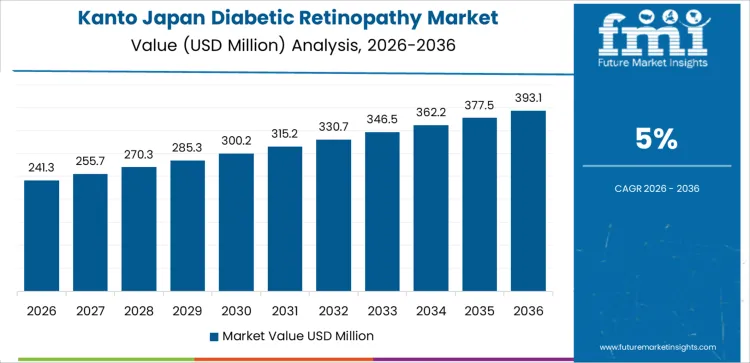
Kanto is experiencing steady demand for diabetic retinopathy treatments, with a 5.0% CAGR. The region’s large urban population, particularly in Tokyo, is seeing increasing rates of diabetes, which is driving the need for diabetic retinopathy care. Kanto’s healthcare infrastructure, which includes major hospitals, eye care centers, and specialized clinics, is well-equipped to diagnose and treat diabetic retinopathy. Region continues to focus on improving diabetes management and prevention, awareness and screenings for diabetic eye disease are on the rise. The demand for treatments such as laser therapies and anti-VEGF injections is growing as healthcare providers address the needs of diabetic patients. With advancements in medical technology and a focus on proactive diabetes care, Kanto is expected to see continued growth in demand for diabetic retinopathy treatments.
How is Demand for Diabetic Retinopathy Expanding in Kansai?
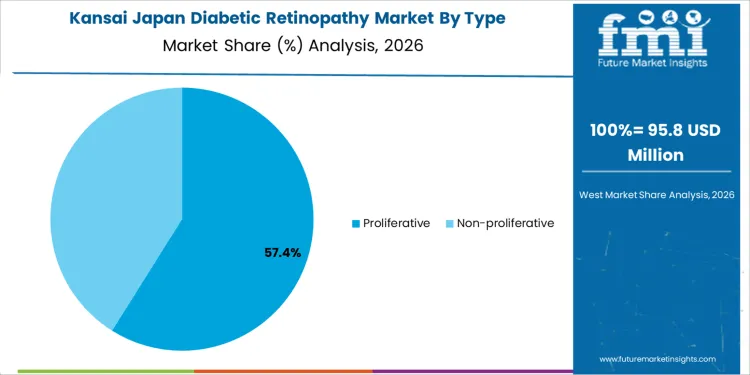
Kansai is seeing steady demand for diabetic retinopathy treatments, growing at a 4.4% CAGR. The region’s aging population, particularly in cities like Osaka and Kobe, is contributing to the rise in diabetes-related eye conditions, driving the need for diagnostic and therapeutic solutions for diabetic retinopathy. Kansai’s robust healthcare system and presence of leading medical research institutions are helping to address this growing demand. As more people are diagnosed with diabetes in the region, there is a rising awareness of diabetic retinopathy and the importance of early intervention. Healthcare providers in Kansai are increasingly offering advanced treatments like intravitreal injections and retinal laser therapy to prevent vision loss in diabetic patients. As the region continues to focus on diabetes care and prevention, the demand for diabetic retinopathy treatments will continue to grow at a steady pace.
How is Demand for Diabetic Retinopathy Growing in Chubu?
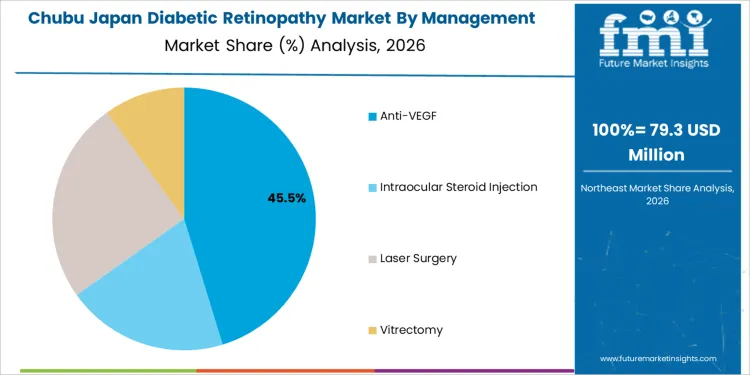
Chubu is experiencing moderate demand for diabetic retinopathy treatments, with a 3.9% CAGR. The region’s healthcare system, particularly in cities like Nagoya, is becoming increasingly focused on the rising prevalence of diabetes and its complications, including diabetic retinopathy. Chubu’s population is aging, and with the increase in diabetes cases, the demand for screenings and treatments for diabetic retinopathy is growing. The region’s medical facilities are investing in advanced diagnostic tools and therapies, such as optical coherence tomography (OCT) and anti-VEGF injections, to address this need. Chubu’s focus on improving healthcare accessibility and diabetes management is contributing to the demand for diabetic retinopathy treatments. As the region continues to address the growing burden of diabetes, demand for retinal care and treatments for diabetic eye disease is expected to rise steadily.
How is Demand for Diabetic Retinopathy Growing in Tohoku?
Tohoku is seeing moderate demand for diabetic retinopathy treatments, with a 3.4% CAGR. The region, with its aging population and rising diabetes rates, is facing an increasing need for diabetic retinopathy care. Tohoku’s healthcare providers are focusing on early diagnosis and treatment of diabetic eye conditions, as more individuals are diagnosed with diabetes. The region’s medical facilities are incorporating advanced diagnostic technologies and treatments, including laser therapy and pharmacological interventions. As Tohoku continues to prioritize healthcare for its aging population, the demand for diabetic retinopathy treatments is expected to rise, although at a slower pace compared to other regions in Japan. The region’s healthcare system is evolving to meet the growing need for specialized eye care for diabetic patients.
How is Demand for Diabetic Retinopathy Growing in Rest of Japan?
The rest of Japan is experiencing moderate demand for diabetic retinopathy treatments, growing at a 3.2% CAGR. Although the demand for diabetic eye care is less concentrated than in major regions, the rest of Japan is seeing an increase in the need for screenings and treatments due to the rising prevalence of diabetes, particularly among the elderly population. Regional healthcare centers are expanding their diabetic retinopathy services, offering both diagnostic and treatment options, such as retinal laser therapy and anti-VEGF injections. Government initiatives and public health programs aimed at diabetes prevention and eye care are helping to increase awareness in these areas. As Japan continues to focus on improving access to diabetes care and eye health, the demand for diabetic retinopathy treatments in the rest of Japan is expected to continue growing.
What is the Competitive Landscape of Diabetic Retinopathy Demand in Japan?
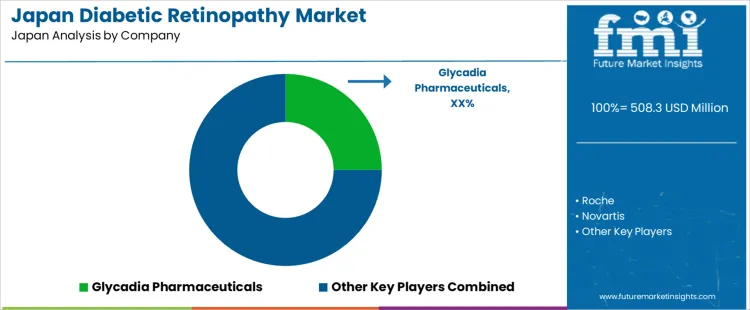
Demand for diabetic retinopathy treatments in Japan is increasing due to the rising prevalence of diabetes and its related complications, particularly among the aging population. Diabetic retinopathy, a leading cause of blindness, requires early diagnosis and effective management to prevent vision loss. With advancements in medical treatments and growing awareness about the importance of eye health in diabetic patients, the industry for diabetic retinopathy solutions is expanding in Japan, especially in terms of pharmaceutical therapies and diagnostic tools.
Glycadia Pharmaceuticals is a key player in the diabetic retinopathy industry, focusing on developing innovative treatments for diabetic eye diseases. The company's strategy revolves around advancing targeted therapies that address the underlying causes of retinopathy, helping to improve patient outcomes and reduce the progression of vision loss. Glycadia's research and development efforts contribute to the growing demand for effective diabetic retinopathy treatments in Japan.
Major players, including Roche, Novartis, Bayer AG, and Regeneron Pharmaceuticals, also contribute significantly to the industry. Roche and Novartis are leaders in developing intravitreal injections and biologics aimed at controlling the progression of diabetic retinopathy. Bayer AG offers a range of treatments that combine pharmaceutical solutions with comprehensive care strategies, and Regeneron Pharmaceuticals provides cutting-edge therapies that target vascular endothelial growth factors (VEGF) to manage diabetic retinopathy effectively. As competition intensifies, these companies continue to innovate, focusing on improving treatment efficacy, minimizing side effects, and enhancing accessibility for patients in Japan.
Key Players in Japan Diabetic Retinopathy Demand
- Glycadia Pharmaceuticals
- Roche
- Novartis
- Bayer AG
- Regeneron Pharmaceuticals
Scope of Report
| Items | Values |
|---|---|
| Quantitative Units (2026) | USD million |
| Key Segments | Proliferative, Non-proliferative |
| Management | Anti-VEGF, Intraocular Steroid Injection, Laser Surgery, Vitrectomy |
| Key Country | Japan |
| Region | Kyushu & Okinawa, Kanto, Kansai, Chubu, Tohoku, Rest of Japan |
| Key Players Profiled | Glycadia Pharmaceuticals, Roche, Novartis, Bayer AG, Regeneron Pharmaceuticals |
| Additional Attributes | Dollar sales by type, management, and region; regional CAGR and growth trends in diabetic retinopathy demand in Japan |
Japan Diabetic Retinopathy Demand by Key Segments
By Type:
- Proliferative
- Non-proliferative
By Management:
- Anti-VEGF
- Intraocular Steroid Injection
- Laser Surgery
- Vitrectomy
By Region:
- Kyushu & Okinawa
- Kanto
- Kansai
- Chubu
- Tohoku
- Rest of Japan
Frequently Asked Questions
How big is the demand for diabetic retinopathy in Japan in 2026?
The demand for diabetic retinopathy in Japan is estimated to be valued at USD 508.3 million in 2026.
What will be the size of diabetic retinopathy in Japan in 2036?
The market size for the diabetic retinopathy in Japan is projected to reach USD 816.3 million by 2036.
How much will be the demand for diabetic retinopathy in Japan growth between 2026 and 2036?
The demand for diabetic retinopathy in Japan is expected to grow at a 4.4% CAGR between 2026 and 2036.
What are the key product types in the diabetic retinopathy in Japan?
The key product types in diabetic retinopathy in Japan are proliferative and non-proliferative.
Which management segment is expected to contribute significant share in the diabetic retinopathy in Japan in 2026?
In terms of management, anti-vegf segment is expected to command 45.0% share in the diabetic retinopathy in Japan in 2026.
Preview the report firsthand - request a free sample
Get SampleGet the brochure for pricing and purchase details.
Get PDFTable of Content
- Executive Summary
- Japan Market Outlook
- Demand-side Trends
- Supply-side Trends
- Technology Roadmap Analysis
- Analysis and Recommendations
- Market Overview
- Market Coverage / Taxonomy
- Market Definition / Scope / Limitations
- Market Background
- Market Dynamics
- Drivers
- Restraints
- Opportunity
- Trends
- Scenario Forecast
- Demand in Optimistic Scenario
- Demand in Likely Scenario
- Demand in Conservative Scenario
- Opportunity Map Analysis
- Product Life Cycle Analysis
- Supply Chain Analysis
- Investment Feasibility Matrix
- Value Chain Analysis
- PESTLE and Porter’s Analysis
- Regulatory Landscape
- Regional Parent Market Outlook
- Production and Consumption Statistics
- Import and Export Statistics
- Market Dynamics
- Japan Market Analysis 2021 to 2025 and Forecast, 2026 to 2036
- Historical Market Size Value (USD Million) Analysis, 2021 to 2025
- Current and Future Market Size Value (USD Million) Projections, 2026 to 2036
- Y-o-Y Growth Trend Analysis
- Absolute $ Opportunity Analysis
- Japan Market Pricing Analysis 2021 to 2025 and Forecast 2026 to 2036
- Japan Market Analysis 2021 to 2025 and Forecast 2026 to 2036, By Type
- Introduction / Key Findings
- Historical Market Size Value (USD Million) Analysis By Type, 2021 to 2025
- Current and Future Market Size Value (USD Million) Analysis and Forecast By Type, 2026 to 2036
- Proliferative
- Non-proliferative
- Y-o-Y Growth Trend Analysis By Type, 2021 to 2025
- Absolute $ Opportunity Analysis By Type, 2026 to 2036
- Japan Market Analysis 2021 to 2025 and Forecast 2026 to 2036, By Management
- Introduction / Key Findings
- Historical Market Size Value (USD Million) Analysis By Management, 2021 to 2025
- Current and Future Market Size Value (USD Million) Analysis and Forecast By Management, 2026 to 2036
- Anti-VEGF
- Intraocular Steroid Injection
- Laser Surgery
- Vitrectomy
- Y-o-Y Growth Trend Analysis By Management, 2021 to 2025
- Absolute $ Opportunity Analysis By Management, 2026 to 2036
- Market Structure Analysis
- Competition Dashboard
- Competition Benchmarking
- Market Share Analysis of Top Players
- By Regional
- By Type
- By Management
- Competition Analysis
- Competition Deep Dive
- Glycadia Pharmaceuticals
- Overview
- Product Portfolio
- Profitability by Market Segments (Product/Age /Sales Channel/Region)
- Sales Footprint
- Strategy Overview
- Marketing Strategy
- Product Strategy
- Channel Strategy
- Roche
- Novartis
- Bayer AG
- Regeneron Pharmaceuticals
- Glycadia Pharmaceuticals
- Competition Deep Dive
- Assumptions & Acronyms Used
- Research Methodology


