

- Industry Size (2025)
- USD 583.7 Mn
- Forecast (2035)
- USD 832.2 Mn
- CAGR (2025 to 2035)
- 3.6%
Demand for Woodworking Router Bits in USA Forecast and Outlook 2025 to 2035
The demand for woodworking router bits in the USA is expected to grow from USD 583.7 million in 2025 to USD 832.2 million by 2035, reflecting a compound annual growth rate (CAGR) of 3.6%. Woodworking router bits are essential tools for both professional woodworking and DIY projects, used to cut, shape, and trim wood across various applications. The continued growth of the construction, furniture, and home improvement industries, along with increasing consumer interest in woodworking as a hobby, will drive demand for high-quality router bits throughout the forecast period.
Year-over-year (Y-o-Y) growth demonstrates a steady, gradual increase, with the market expected to grow from USD 583.7 million in 2025 to USD 604.8 million in 2026, followed by USD 626.6 million in 2027. By 2029, the market is projected to reach USD 672.7 million, reflecting continued, moderate growth. By 2035, the market will expand to USD 832.2 million, with a steady rise in demand for more specialized and durable woodworking router bits as industries and consumers increasingly prioritize high-performance tools for precision woodworking.
Quick Stats of the Demand for Woodworking Router Bits in the USA
- Demand for Woodworking Router Bits in the USA Value (2025): USD 583.7 million
- Demand for Woodworking Router Bits in the USA Forecast Value (2035): USD 832.2 million
- Demand for Woodworking Router Bits in the USA Forecast CAGR (2025-2035): 3.6%
- Demand for Woodworking Router Bits in the USA Key Growth Regions: West, South, Northeast, Midwest
- Demand for Woodworking Router Bits in the USA Material: 50% Carbide-Tipped
- Demand for Woodworking Router Bits in the USA Key Players: Amana Tool, Whiteside Machine Company, CMT Orange Tools, Bosch Tools

What is the Growth Forecast for the Woodworking Router Bits Industry in USA through 2035?
The woodworking router bits industry in the USA is expected to see steady growth through 2035. Starting at USD 583.7 million in 2025, the market will grow to USD 604.8 million in 2026 and USD 626.6 million in 2027. Over the following years, the market will experience gradual growth, reaching USD 649.2 million by 2028, USD 672.7 million by 2029, and USD 696.9 million by 2030. By 2035, the market is forecasted to reach USD 832.2 million, driven by the consistent demand for router bits in woodworking applications across residential, commercial, and industrial sectors.
The rolling CAGR analysis highlights steady, incremental growth over the forecast period, with the market maintaining a relatively consistent growth rate. The rolling CAGR reflects the compound growth of the market over specific intervals, showing a smooth and continuous increase in demand each year. This gradual yet steady expansion reflects the ongoing importance of woodworking tools in construction and home improvement, where quality and precision are critical. With consistent product innovations and increased industry adoption, the market is poised for sustained growth through 2035.
Woodworking Router Bits Industry Key Takeaways
| Metric | Value |
|---|---|
| Industry Sales Value (2025) | USD 583.7 million |
| Industry Forecast Value (2035) | USD 832.2 million |
| Industry Forecast CAGR (2025-2035) | 3.6% |
Why is the Demand for Woodworking Router Bits in USA Growing?
The demand for woodworking router bits in the USA has been rising in recent years as demand for custom furniture, cabinetry, and detailed wood work increases. Growth in residential and commercial construction, combined with rising interest in personalized and artisanal woodwork, creates more demand for tools that enable precision shaping, cutting, and detailing of wood. Many woodworkers prefer router bits because they allow clean edges, complex molding, grooves, and decorative finishes that are often required in modern furniture and cabinetry. The expansion of the home improvement and renovation market also supports this demand, as homeowners and small contractors seek to refurbish or build interiors with custom woodwork. In addition, the growing popularity of DIY woodworking projects among hobbyists contributes to demand growth, as individuals invest in router bits to undertake home based woodwork and crafting tasks. The combination of professional, small business, and hobbyist USAge helps sustain a broad base of demand across the wood work sector.
Technological advances in router bit materials and design further support the increased demand. Modern bits made from carbide or with special coatings deliver longer tool life, better cutting performance, and cleaner finishes on hardwoods and engineered woods. These improved bits meet rising expectations for precision and durability among professional woodworkers and serious hobbyists. The increasing adoption of CNC woodworking and automated routing systems in commercial furniture manufacturing also drives demand for high precision router bits suitable for repetitive, high volume work. As woodworking techniques evolve and the demand for fine finished wood products rises, the market for advanced router bits is expected to grow steadily in the coming years.
What Is the Current State of the Demand for Woodworking Router Bits in the USA in Terms of Bit Type and Material?
The demand for woodworking router bits in the USA is driven by bit type and material. The leading bit type is straight bits, accounting for 40% of the market share, while carbide-tipped router bits dominate the material segment, capturing 50% of the demand. Router bits are essential tools for precision cutting, shaping, and detailing in woodworking applications, and their demand continues to grow as industries and hobbyists alike seek reliable, high-performance tools for various wood processing needs.
How Are Straight Bits Leading the Demand for Woodworking Router Bits in the USA?
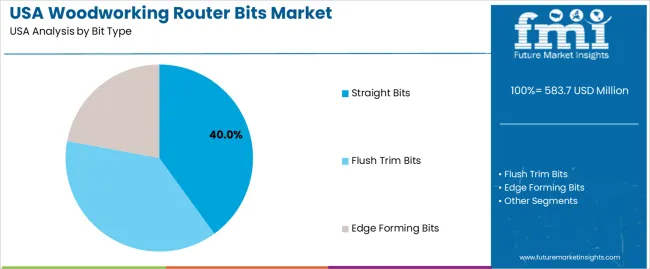
Straight bits lead the demand for woodworking router bits in the USA, holding 40% of the market share. Straight bits are among the most commonly used router bits in woodworking due to their versatility and ability to make straight cuts in wood, laminate, and other materials. These bits are often used for basic cutting, grooving, and dadoing tasks, making them essential for a wide range of woodworking applications.
The demand for straight bits is driven by their fundamental role in woodworking, where they are used to create precise, clean cuts and joints. They are commonly used in both professional and DIY woodworking projects, as they are ideal for tasks such as edge trimming, inlay work, and joining pieces of wood. The simplicity and cost-effectiveness of straight bits, combined with their broad range of applications, ensure that they remain the dominant choice for many woodworkers in the USA.
How Are Carbide-Tipped Router Bits Leading the Material Demand for Woodworking Router Bits in the USA?
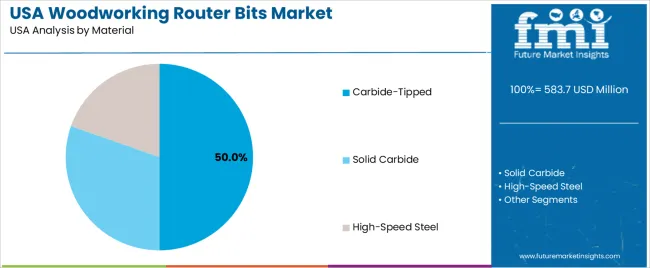
Carbide-tipped router bits are the leading material type in the USA, accounting for 50% of the market share. Carbide-tipped router bits are favored for their durability, sharpness, and resistance to wear, making them ideal for high-precision woodworking tasks. These bits feature carbide tips that provide a longer service life compared to other materials, allowing them to maintain their sharpness and cutting performance for extended periods, even when used on hard or abrasive materials.
The demand for carbide-tipped router bits is driven by their superior cutting performance and ability to withstand the high stresses of woodworking, especially in commercial settings. As woodworkers demand more efficient and long-lasting tools, carbide-tipped router bits are increasingly preferred for their ability to make cleaner, more accurate cuts, reducing the frequency of tool replacements and improving overall productivity. As woodworking techniques evolve and precision becomes more critical, carbide-tipped bits are expected to continue leading the material segment in the market.
What is the Demand for Woodworking Router Bits in USA?
Demand for woodworking router bits in the USA has been growing, driven by increased woodworking activities such as furniture manufacturing, home renovation, custom cabinetry, and DIY projects. The need for precision in cutting and shaping wood has made these tools essential for professionals and hobbyists alike. As more people engage in woodworking, both in professional and personal settings, the demand for a variety of router bits, including straight, flush trim, spiral, and edge-forming types, has risen. Technological advancements in material quality and tool durability have made these router bits more reliable and versatile. Overall, the market is expected to continue expanding, supported by ongoing construction and woodwork activities.
What are the Drivers of Demand for Woodworking Router Bits in USA?
Several factors contribute to the growing demand for woodworking router bits in the USA. The expansion of residential and commercial construction, as well as renovation projects, has increased the need for high-quality woodwork, cabinetry, and custom furniture. This trend drives demand for precise cutting and shaping tools. The rise of DIY woodworking, along with the growth of small workshops and hobbyist activities, has also expanded the market.
Additionally, the desire for high-precision work, especially in custom and decorative woodwork, encourages the use of advanced router bits that offer better performance and durability. Finally, the availability of modern woodworking machinery and CNC routing systems has contributed to the rise in demand for specialized router bits, as smaller shops and factories adopt automated processes.
What are the Restraints on Demand for Woodworking Router Bits in USA?
There are several factors that may limit the growth of the demand for woodworking router bits in the USA. One key restraint is the high cost of premium router bits, particularly those made from durable materials such as carbide. This may make them less accessible for small businesses or DIY enthusiasts with limited budgets. Additionally, performance limitations of lower-cost router bits, such as reduced durability or precision, could lead to fewer repeat purchases.
Competition from alternative wood-cutting tools and methods may also reduce the reliance on traditional router bits for some applications. Furthermore, limited adoption of woodworking in certain regions or during economic downturns could suppress overall market demand. Lastly, a fragmented market with many small competitors may slow the adoption of high-end products, limiting growth in premium router bit segments.
What are the Key Trends Influencing Demand for Woodworking Router Bits in USA?
A key trend influencing the demand for woodworking router bits in the USA is the growing preference for high-precision, high-durability router bits. These bits, often made from carbide and coated for heat resistance, are designed to provide clean cuts and extended tool life, which is increasingly important in professional woodwork. Another trend is the growing DIY market, as more individuals engage in home improvement and custom furniture projects, thus expanding the customer base for woodworking tools.
The demand for specialized router bits, such as those for grooving, edge-forming, and slot-making, is also rising as consumers seek tools suited for specific tasks rather than generic options. The adoption of CNC routers and automated systems in smaller workshops is another trend, as it increases the need for router bits that can ensure precision and repeatability in production settings.
What is the Regional Demand Outlook for Woodworking Router Bits in the USA?
The demand for woodworking router bits in the USA shows steady but modest growth across regions, with the West leading at a CAGR of 4.2%. The South follows with a CAGR of 3.7%, supported by a robust construction and woodworking industry. The Northeast shows moderate growth at 3.3%, driven by both residential and commercial woodworking applications. The Midwest has the lowest growth rate at 2.9%, reflecting slower adoption of newer tools and equipment. These regional differences reflect varying levels of woodworking activity, consumer demand for high-quality tools, and regional industrial trends.
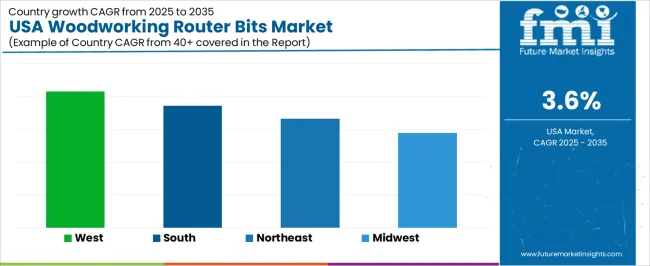
| Region | CAGR (%) |
|---|---|
| West | 4.2 |
| South | 3.7 |
| Northeast | 3.3 |
| Midwest | 2.9 |
What factors are driving the demand for woodworking router bits in the West?
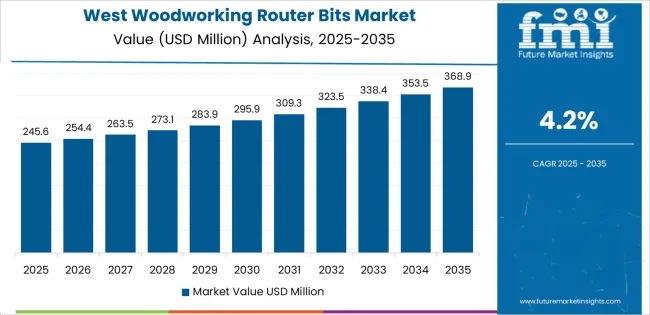
The demand for woodworking router bits in the West is projected to grow at a CAGR of 4.2%, driven by the region’s vibrant woodworking, construction, and furniture industries. The West, particularly states like California, has a strong presence of custom woodworking businesses, home improvement projects, and furniture manufacturers, all of which rely on high-quality router bits for precision cutting, shaping, and finishing. Additionally, the growing DIY trend and the rise in home renovations further contribute to the demand for woodworking tools, including router bits. As consumers and professionals in the West continue to prioritize high-performance tools for both commercial and personal woodworking projects, the demand for woodworking router bits is expected to remain strong.
Why is the demand for woodworking router bits increasing in the South?
In the South, the demand for woodworking router bits is expected to grow at a CAGR of 3.7%, supported by the region’s growing construction, woodworking, and furniture manufacturing industries. The South has a large number of woodworkers and craftspersons involved in both residential and commercial projects, making high-quality router bits essential for tasks such as edging, trimming, and shaping wood. Additionally, the region’s strong homebuilding and renovation markets drive the need for woodworking tools like router bits, as contractors and DIY enthusiasts continue to engage in various woodworking projects. The increasing demand for custom wood designs and furniture also supports the need for precision tools, contributing to steady growth in the demand for woodworking router bits.
What influences the demand for woodworking router bits in the Northeast?
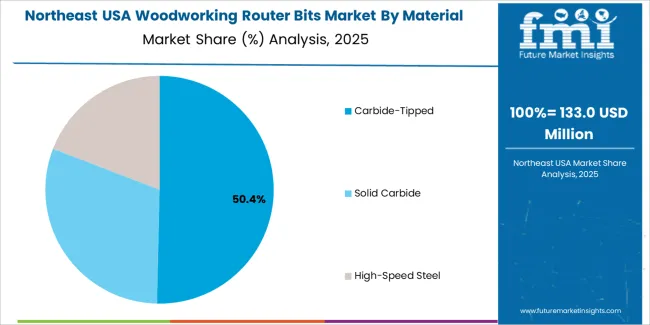
In the Northeast, the demand for woodworking router bits is projected to grow at a CAGR of 3.3%, driven by the region’s diverse woodworking applications, including residential, commercial, and custom projects. The Northeast has a strong woodworking heritage, with numerous professional woodworkers, contractors, and furniture manufacturers that rely on router bits for precision cutting and detailing. As demand for custom woodworking, cabinetry, and high-end furniture increases, the need for specialized tools like router bits grows as well. Additionally, the growing popularity of DIY home improvement projects in the region contributes to the steady demand for quality woodworking tools. While growth is moderate compared to the West and South, the Northeast’s well-established woodworking market ensures consistent demand for woodworking router bits.
How is the demand for woodworking router bits growing in the Midwest?
The demand for woodworking router bits in the Midwest is expected to grow at a CAGR of 2.9%, reflecting slower growth compared to other regions. The Midwest has a significant woodworking and manufacturing base, but the adoption of newer tools and technologies may be more gradual. Many woodworking shops in the Midwest still rely on traditional methods and tools, which may limit the faster uptake of advanced router bits. However, as industries evolve and the demand for high-quality, precision woodworking tools increases, the demand for router bits will continue to grow, albeit at a slower pace. The region’s focus on industrial woodworking applications, including cabinetry and furniture production, ensures a steady market for these tools, though growth remains moderate.
How Are Companies Competing in the Woodworking Router Bits Industry in the USA
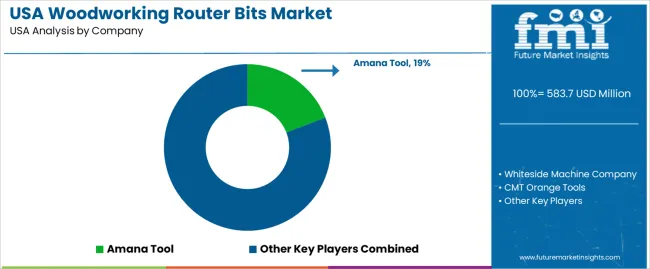
Demand for woodworking router bits in the United States remains solid, driven by renovation projects, custom furniture makers, DIY woodworking enthusiasts, and commercial wood working shops. Key suppliers in this industry include Amana Tool (holding about 19.2% share of the sector), Whiteside Machine Company, CMT Orange Tools, and Bosch Tools. These firms supply a wide range of router bits for tasks like edge profiling, dovetailing, mortising, trimming, and decorative molding — meeting needs across hobbyist and professional segments.
Competition in this market hinges on tool quality, versatility, and durability. Providers emphasize carbide tipped bits, precision grinding, and coating technologies that extend bit life and improve cut quality. Another competitive factor is offering sets and bit assortments tailored for specific applications, such as cabinet making, flooring, or trim work. Ease of availability, value pricing, and reputation among professional woodworkers also influence market standings. Product documentation typically highlights bit material, cutting speed, lifespan, and suitability for different wood types. By aligning their tools with demand for high quality, long lasting, and versatile router bits, these companies aim to maintain or grow their position in the U.S. woodworking router bits industry.
Key Players of the Woodworking Router Bits Industry in USA
- Amana Tool
- Whiteside Machine Company
- CMT Orange Tools
- Bosch Tools
Scope of the Report
| Items | Details |
|---|---|
| Quantitative Units | USD Million |
| Regions Covered | USA |
| Bit Type | Straight Bits, Flush Trim Bits, Edge Forming Bits |
| Material | Carbide-Tipped, Solid Carbide, High-Speed Steel |
| End Use | Residential Sector, Commercial Sector, Industrial Segment |
| Key Companies Profiled | Amana Tool, Whiteside Machine Company, CMT Orange Tools, Bosch Tools |
| Additional Attributes | The market analysis includes dollar sales by bit type, material, end-use, and company categories. It also covers regional demand trends in the USA, driven by the increasing use of woodworking router bits across residential, commercial, and industrial sectors. The competitive landscape highlights key manufacturers focusing on innovations in bit material and design for enhanced cutting precision and durability. Trends in the growing demand for high-performance, versatile router bits for various woodworking applications are explored, along with advancements in tool longevity and efficiency. |
Key Segments of the Demand for Woodworking Router Bits in USA
Bit Type:
- Straight Bits
- Flush Trim Bits
- Edge Forming Bits
Material:
- Carbide-Tipped
- Solid Carbide
- High-Speed Steel
End Use:
- Residential Sector
- Commercial Sector
- Industrial Segment
Region:
- Northeast USA
- West USA
- Midwest USA
- South USA
Frequently Asked Questions
How big is the demand for woodworking router bits in USA in 2025?
The demand for woodworking router bits in USA is estimated to be valued at USD 583.7 million in 2025.
What will be the size of woodworking router bits in USA in 2035?
The market size for the woodworking router bits in USA is projected to reach USD 832.2 million by 2035.
How much will be the demand for woodworking router bits in USA growth between 2025 and 2035?
The demand for woodworking router bits in USA is expected to grow at a 3.6% CAGR between 2025 and 2035.
What are the key product types in the woodworking router bits in USA?
The key product types in woodworking router bits in USA are straight bits, flush trim bits and edge forming bits.
Which material segment is expected to contribute significant share in the woodworking router bits in USA in 2025?
In terms of material, carbide-tipped segment is expected to command 50.0% share in the woodworking router bits in USA in 2025.
Preview the report firsthand - request a free sample
Get SampleGet the brochure for pricing and purchase details.
Get PDFTable of Content
- Executive Summary
- USA Market Outlook
- Demand-side Trends
- Supply-side Trends
- Technology Roadmap Analysis
- Analysis and Recommendations
- Market Overview
- Market Coverage / Taxonomy
- Market Definition / Scope / Limitations
- Market Background
- Market Dynamics
- Drivers
- Restraints
- Opportunity
- Trends
- Scenario Forecast
- Demand in Optimistic Scenario
- Demand in Likely Scenario
- Demand in Conservative Scenario
- Opportunity Map Analysis
- Product Life Cycle Analysis
- Supply Chain Analysis
- Investment Feasibility Matrix
- Value Chain Analysis
- PESTLE and Porter’s Analysis
- Regulatory Landscape
- Regional Parent Market Outlook
- Production and Consumption Statistics
- Import and Export Statistics
- Market Dynamics
- USA Market Analysis 2020 to 2024 and Forecast, 2025 to 2035
- Historical Market Size Value (USD Million) Analysis, 2020 to 2024
- Current and Future Market Size Value (USD Million) Projections, 2025 to 2035
- Y-o-Y Growth Trend Analysis
- Absolute $ Opportunity Analysis
- USA Market Pricing Analysis 2020 to 2024 and Forecast 2025 to 2035
- USA Market Analysis 2020 to 2024 and Forecast 2025 to 2035, By Bit Type
- Introduction / Key Findings
- Historical Market Size Value (USD Million) Analysis By Bit Type , 2020 to 2024
- Current and Future Market Size Value (USD Million) Analysis and Forecast By Bit Type , 2025 to 2035
- Straight Bits
- Flush Trim Bits
- Edge Forming Bits
- Y-o-Y Growth Trend Analysis By Bit Type , 2020 to 2024
- Absolute $ Opportunity Analysis By Bit Type , 2025 to 2035
- USA Market Analysis 2020 to 2024 and Forecast 2025 to 2035, By Material
- Introduction / Key Findings
- Historical Market Size Value (USD Million) Analysis By Material, 2020 to 2024
- Current and Future Market Size Value (USD Million) Analysis and Forecast By Material, 2025 to 2035
- Carbide-Tipped
- Solid Carbide
- High-Speed Steel
- Y-o-Y Growth Trend Analysis By Material, 2020 to 2024
- Absolute $ Opportunity Analysis By Material, 2025 to 2035
- USA Market Analysis 2020 to 2024 and Forecast 2025 to 2035, By End Use
- Introduction / Key Findings
- Historical Market Size Value (USD Million) Analysis By End Use, 2020 to 2024
- Current and Future Market Size Value (USD Million) Analysis and Forecast By End Use, 2025 to 2035
- Residential Sector
- Commercial Sector
- Industrial Segment
- Y-o-Y Growth Trend Analysis By End Use, 2020 to 2024
- Absolute $ Opportunity Analysis By End Use, 2025 to 2035
- Market Structure Analysis
- Competition Dashboard
- Competition Benchmarking
- Market Share Analysis of Top Players
- By Regional
- By Bit Type
- By Material
- By End Use
- Competition Analysis
- Competition Deep Dive
- Amana Tool
- Overview
- Product Portfolio
- Profitability by Market Segments (Product/Age /Sales Channel/Region)
- Sales Footprint
- Strategy Overview
- Marketing Strategy
- Product Strategy
- Channel Strategy
- Whiteside Machine Company
- CMT Orange Tools
- Bosch Tools
- Amana Tool
- Competition Deep Dive
- Assumptions & Acronyms Used
- Research Methodology


